VS

Omoda 5 vs BYD Atto 2 comparison

Compare performance (224 HP vs 212 HP), boot space and price (24,800 £ vs 30,800 £ ) at a glance. Find out which car is the better choice for you – Omoda 5 or BYD Atto 2?

Omoda 5 vs BYD Atto 2: Key differences

Omoda 5

4.9 (5 Reviews)
rate
  • markedly cheaper
  • very slightly more power
details

BYD Atto 2

4.8 (5 Reviews)
rate
  • only slightly more efficient
  • very slightly quicker 0–100 km/h
  • barely lighter
  • markedly more trunk space
details

All details on performance, efficiency, range and trunk space can be found in the technical comparison below – including user reviews for both models.

By Achim Sedelmaier

5

Omoda 5 VS BYD Atto 2: the real-world matchup

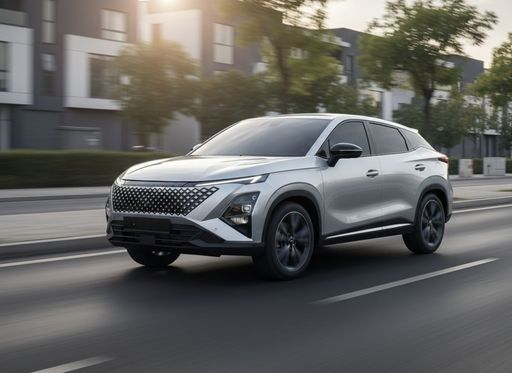
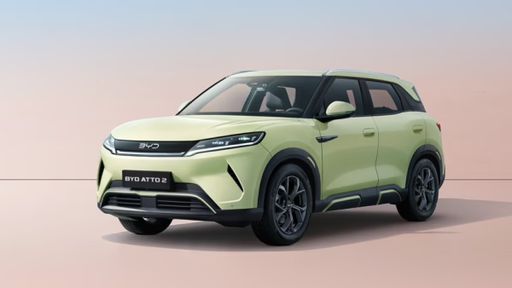
The Omoda 5 and BYD Atto 2 aim at the same everyday sweet spot but come at it from different angles. The Omoda 5 leans on generous kit, a long warranty and strong safety credibility, while the BYD Atto 2 plays the city-friendly EV with tidy tech and tidy running costs. In price-led trims the BYD tends to undercut the Omoda, which will matter if you’re stretching a monthly budget. Yet the Omoda 5 counters with a more grown-up cruise and a spec sheet that reads like a higher class. This comparison focuses on how those choices feel on your driveway, in the school run queue and out on a motorway.
Atto 2

Character and comfort on the move

The Omoda 5 feels relaxed at a steady cruise, with road noise kept in check, but its soft setup can let the body bobble over bigger undulations. Steering is light but a touch vague, which takes the edge off confidence on a twisty road. The BYD Atto 2 is the opposite in town: softly damped, quick to settle over potholes, and eager off the line, so it feels right at home in traffic. Push the BYD harder and you notice more wind rustle and less body control at speed than you’d like. If your week is mostly commuting and errands, the Atto 2’s easygoing nature stands out; for calmer long stints, the Omoda 5 is the more settled companion.

Cabin feel and tech usability

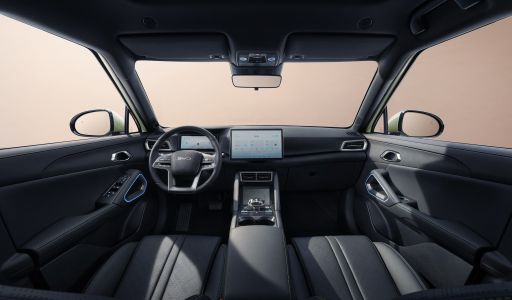
The BYD Atto 2’s interior looks and feels a notch more polished, with pleasing materials and a rotating central screen that plays nice with phone mirroring. Some icons are small and climate functions sit a menu-deep, but day-to-day it’s intuitive enough once learned. The Omoda 5 packs in features liberally—heated seats, cameras, assistance systems—yet the interface can feel busy and its frequent chimes and alerts get old fast. Both rely on screens for core functions, though the Omoda’s layout demands more taps and patience. If perceived quality sways you, the BYD impresses; if you want lots of toys for the money, the Omoda obliges.

Space and practicality that actually helps

Rear passengers get noticeably more head and leg room in the BYD Atto 2, making it the easier fit for taller teens or occasional adults. Its boot is more useful in shape and depth, so weekly shops and pushchairs slide in with less juggling, even if quoted figures vary by test. The Omoda 5’s back seat feels tighter and its shallow, flatter cargo area limits bulky luggage, which shows up on family weekends. Small-item storage is fine in both, but the BYD’s cabin packaging feels more thought-through. If practicality sits high on your list, the Atto 2 edges it; if you rarely use the rear seats, the Omoda’s compromises may not bother you.

City friendliness vs long-distance ease

The BYD Atto 2 shines in town: light steering, a tight turning circle and a supple low-speed ride make parking and narrow streets stress-free. As distances grow, the smaller-battery version’s charging pace and range ask for more planning, though the larger-battery variant softens that trade-off. The Omoda 5 is easier to live with on mixed A-road and motorway days, feeling calm at a cruise even if it can float slightly over crests. Both have cameras to help with visibility, but the Omoda’s rear view is more restricted and taller drivers sit high. For an urban-first routine, the BYD feels purpose-built; for frequent regional hops, the Omoda settles in better.

Costs, ownership confidence and buyer fit

The BYD Atto 2 typically lands at a lower purchase price and, as a pure EV, promises straightforward running costs for short-to-medium daily miles. The Omoda 5 counters with a longer warranty in many markets and a strong safety story, which can be reassuring if you’re keeping the car for years. Equipment value is excellent on both, but the Omoda’s spec generosity is a clear draw, while the BYD’s cabin polish feels more premium in the hand. Families who value rear-seat space and a more useful boot will find the BYD easier to live with; buyers who prioritise quiet cruising and warranty-backed peace of mind will lean Omoda. If that split reflects your needs, the next step is to weigh the detailed tech differences against how you actually drive.

Here’s where it gets real: The technical differences in detail

5

Costs and Efficiency:

When it comes to price and running costs, the biggest differences usually appear. This is often where you see which car fits your budget better in the long run.

Omoda 5 is markedly cheaper – starting at 24,800 £ , while the BYD Atto 2 costs 30,800 £ . That’s a price difference of around 6,077 £.

In terms of energy consumption, the BYD Atto 2 is only slightly more efficient: consuming 15.8 kWh/100km compared to 15.9 kWh/100km for the Omoda 5. That’s a difference of about 0.1 kWh/100km.

The electric range is almost identical – both manage about 430 km on a single charge.

Atto 2

Engine and Performance:

Power, torque and acceleration say a lot about how a car feels on the road. This is where you see which model delivers more driving dynamics.

When it comes to engine power, the Omoda 5 offers very slightly more power – delivering 224 HP compared to 212 HP. That’s roughly 12 HP more horsepower.

When accelerating from 0 to 100 km/h, the BYD Atto 2 is very slightly quicker – completing the sprint in 7.5 s, while the Omoda 5 takes 7.6 s. That’s about 0.1 s quicker.

There’s also a difference in torque: the Omoda 5 delivers barely more torque with 340 Nm compared to 310 Nm. That’s about 30 Nm more.

Space and Everyday Use:

Whether family car or daily driver – which one offers more room, flexibility and comfort?

Both vehicles offer seating for 5 people.

In terms of curb weight, BYD Atto 2 is barely lighter – 1,510 kg compared to 1,621 kg. The difference is around 111 kg.

Looking at boot space, the BYD Atto 2 offers markedly more boot space – 450 L compared to 350 L. That’s a difference of about 100 L.

When it comes to payload, the Omoda 5 carries only slightly more – 536 kg compared to 490 kg. That’s a difference of about 46 kg.

Who wins the race in the data check?

The Omoda 5 has the upper hand in the objective data comparison.
This result only shows which model scores more points on paper – not which of the two cars feels right for you.

from £24,800
5

Omoda 5

  • Engine Type Electric, Full Hybrid
  • Transmission Automatic
  • Drive Type Front-Wheel Drive
  • Power HP 204 - 224 HP
  • Consumption L/100km 5.3 L/100km
  • Consumption kWh/100km 15.9 kWh/100km
  • Electric Range 430 km
Omoda 5
BYD Atto 2

Costs and Consumption

View detailed analysis

Engine and Performance

View detailed analysis

Dimensions and Body

View detailed analysis

Omoda 5

The Omoda 5 is a stylish compact crossover that catches the eye with a bold, contemporary look and a tech-forward cabin. It offers a comfortable ride and a surprisingly spacious interior, making it a practical yet distinctive choice for buyers who want modern features and solid value.

details

BYD Atto 2

The BYD Atto 2 is a stylish compact electric SUV that blends bold exterior design with a roomy, tech-focused interior, making it well suited to daily driving and urban life. It delivers a comfortable ride and practical features that will appeal to buyers looking for a modern, user-friendly EV.

details
Omoda 5
BYD Atto 2

Costs and Consumption

Price
24,800 - 31,600 £
Price
30,800 - 36,000 £
Consumption L/100km
5.3 L/100km
Consumption L/100km
-
Consumption kWh/100km
15.9 kWh/100km
Consumption kWh/100km
15.8 - 17.4 kWh/100km
Electric Range
430 km
Electric Range
40 - 430 km
Battery Capacity
-
Battery Capacity
-
co2
0 - 120 g/km
co2
0 - 72 g/km
Fuel tank capacity
-
Fuel tank capacity
-

Dimensions and Body

Body Type
SUV
Body Type
SUV
Seats
5
Seats
5
Doors
-
Doors
-
Curb weight
1,621 - 1,710 kg
Curb weight
1,510 - 1,720 kg
Trunk capacity
300 - 350 L
Trunk capacity
425 - 450 L
Length
-
Length
-
Width
1,824 - 1,830 mm
Width
1,830 mm
Height
-
Height
-
Max trunk capacity
-
Max trunk capacity
-
Payload
431 - 536 kg
Payload
420 - 490 kg

Engine and Performance

Engine Type
Electric, Full Hybrid
Engine Type
Plugin Hybrid, Electric
Transmission
Automatic
Transmission
Automatic
Transmission Detail
Reduction Gearbox, Automatic Gearbox
Transmission Detail
Automatic Gearbox, Reduction Gearbox
Drive Type
Front-Wheel Drive
Drive Type
Front-Wheel Drive
Power HP
204 - 224 HP
Power HP
166 - 212 HP
Acceleration 0-100km/h
7.6 - 7.9 s
Acceleration 0-100km/h
7.5 - 9.1 s
Max Speed
-
Max Speed
-
Torque
295 - 340 Nm
Torque
310 Nm
Number of Cylinders
4
Number of Cylinders
4
Power kW
150 - 165 kW
Power kW
122 - 156 kW
Engine capacity
1,499 cm3
Engine capacity
1,498 cm3

General

Model Year
2026
Model Year
2,025 - 2,026
CO2 Efficiency Class
A, D
CO2 Efficiency Class
B, A
Brand
Omoda
Brand
BYD
DriveDuel uses data analysis and artificial intelligence to evaluate vehicle data and create content. Content is regularly reviewed and improved. The displayed prices are estimates based on German list prices, adjusted to the respective country’s VAT. Country-specific registration taxes are not included. This information is not legally binding.