
VS

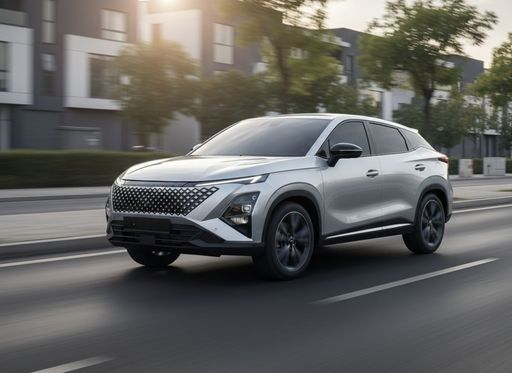
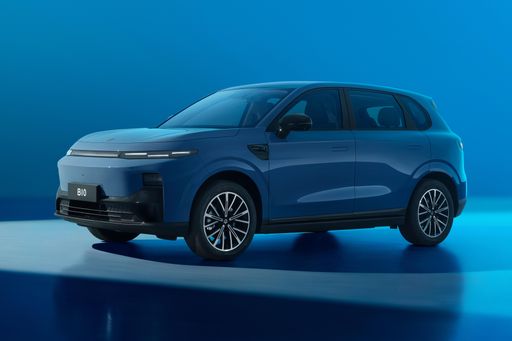
Omoda 5 vs Leapmotor B10 comparison

Compare performance (224 HP vs 218 HP), boot space and price (24,800 £ vs 25,600 £ ) at a glance. Find out which car is the better choice for you – Omoda 5 or Leapmotor B10?

Omoda 5 vs Leapmotor B10: Key differences

Omoda 5

4.9 (5 Reviews)
rate
  • very slightly cheaper
  • very slightly more power
  • barely lighter
details

Leapmotor B10

4.9 (1 Reviews)
rate
  • noticeably more efficient
  • marginally more electric range
  • marginally quicker 0–100 km/h
  • somewhat more trunk space
details

All details on performance, efficiency, range and trunk space can be found in the technical comparison below – including user reviews for both models.

By Achim Sedelmaier

5

Omoda 5 VS Leapmotor B10 — quick take for buyers

Omoda 5 and Leapmotor B10 target the same compact‑SUV shoppers but take very different routes to appeal. The Omoda 5 sells on an aggressive value package: long warranty, lots of kit and a hybrid option that tames noise and consumption on real roads. The Leapmotor B10 answers with an all‑electric, comfort‑first character that delivers noticeably more rear space and fast DC charging for longer daily use. Choosing between them is less about headline specs and more about whether you prioritise low running fuss and room (B10) or purchase peace of mind, safety equipment and hybrid familiarity (Omoda 5). Read on for how those broad choices show up in everyday driving, family use and long trips.
B10

Character and driving feel

The Omoda 5 feels like a pragmatic showroom star — assured on the highway and quieter in hybrid trim, but its steering is vague and the chassis can feel a touch wobbly over bumps. The Leapmotor B10 is the softer, more relaxed cruiser: light steering, cushioned ride and a calm electric drivetrain that keeps city miles effortless but gives little feedback for sporty drivers. In practice the Omoda 5 rewards confident motorway progress and safety‑focused buyers, while the Leapmotor B10 rewards anyone who values low‑effort daily commuting and quiet city journeys. If you enjoy pushing through twisty roads, neither car is a driver’s delight, but Omoda 5 sacrifices some refinement for stronger straight‑line composure. The trade‑off is clear: Omoda 5 leans toward composed touring with compromises in feel; Leapmotor B10 leans toward passive comfort and serenity.

Comfort, cabin feel and perceived quality

Up front both cars offer pleasant seating and a modern touchscreen look, but the Omoda 5’s interior shows more visual flair while sometimes revealing simpler materials at close inspection. The Leapmotor B10 presents a quieter cabin overall and a roomier impression in the back thanks to a flat floor and generous legroom, which simply feels more grown‑up for passengers. Rear occupants in the Omoda 5 will notice tighter headroom and a shallower boot sill, so long rides with tall adults feel more constrained than in the Leapmotor B10. Both use heavy touchscreen control, but the Leapmotor’s software quirks and frequent assistant prompts can sour the perceived polish compared with Omoda 5’s cleaner hardware fit. In short, Omoda 5 trades some rear comfort and space for a smarter front‑row tone, while Leapmotor B10 makes the cabin a more relaxed place to sit for several people.

Practicality and everyday usability

Practical differences are immediate: the Leapmotor B10 gives you noticeably more usable rear space and a squarer load bay that handles family kit with less juggling, whereas the Omoda 5’s boot is shallower and the tail opening lower, which dents weekend luggage flexibility. The Omoda 5 compensates with lots of small, sensible front storage and the convenience of hybrid operation—no charging routine and steadier range confidence for mixed driving. In contrast the Leapmotor B10 rewards routine EV users with fast charging and a simpler daily life around home‑to‑work cycles, but you’ll need to think about charging on longer trips and winter performance. Both suffer from touch‑heavy menus that can frustrate users who prefer tactile controls, yet their approaches differ: Omoda 5 banks on physical comfort items and warranty security, Leapmotor B10 banks on usable space and EV convenience. Choose Omoda 5 if purchase cost control and hybrid simplicity appeal; pick Leapmotor B10 if rear‑seat space and EV charging speed matter more day to day.

City manners and long‑distance behaviour

In town the Leapmotor B10 feels friendlier thanks to its light steering, tight turning and strong regenerative braking potential that can make one‑pedal driving simple when the software cooperates. The Omoda 5 is compact enough to manage city tasks but its higher seating and limited rear visibility mean you’ll lean on parking cameras and sensors more often. On long journeys the Omoda 5’s hybrid setup and highway damping deliver a composed, low‑noise cruise that soothes mile after mile, while the Leapmotor B10 remains impressively silent but can expose wind noise at speed and lose efficiency on sustained motorway runs. Both cars require small behavioural adjustments: the B10 for charging planning and weather‑dependent range, the Omoda 5 for managing the petrol unit’s real‑world thirst if you avoid the hybrid. So city commuters and EV converts will prefer the Leapmotor B10’s effortless daily manners, while frequent long‑distance drivers may value the Omoda 5’s hybrid calm and simpler refuelling routine.

Who should pick which and where to look next

If you prioritise purchase value, long warranty, strong safety kit and a hybrid that keeps running costs predictable, the Omoda 5 is the fit that leans pragmatic and reassuring for buyers new to the segment. If your day‑to‑day life needs a roomy rear seat, an ultra‑quiet cabin, fast DC charging and the lower‑cost running profile of an EV, the Leapmotor B10 maps more directly to family and commuter priorities. Both models show the same compromises in different places: Omoda 5 limits rear room and boot usability in exchange for equipment and warranty, Leapmotor B10 sacrifices some trunk variability and driver feedback for cabin space and EV convenience. Decide first which trade‑offs you can live with, then dive into the technical comparison for detailed differences in charging behaviour, range, boot geometry and assistance systems that will clinch the choice for your routine.

Here’s where it gets real: The technical differences in detail

5

Costs and Efficiency:

When it comes to price and running costs, the biggest differences usually appear. This is often where you see which car fits your budget better in the long run.

Omoda 5 is very slightly cheaper – starting at 24,800 £ , while the Leapmotor B10 costs 25,600 £ . That’s a price difference of around 857 £.

In terms of energy consumption, the Leapmotor B10 is noticeably more efficient: consuming 12 kWh/100km compared to 15.9 kWh/100km for the Omoda 5. That’s a difference of about 3.9 kWh/100km.

As for electric range, the Leapmotor B10 offers marginally more range – reaching up to 434 km, about 4 km more than the Omoda 5.

B10

Engine and Performance:

Under the bonnet, it becomes clear which model is tuned for sportiness and which one takes the lead when you hit the accelerator.

When it comes to engine power, the Omoda 5 offers very slightly more power – delivering 224 HP compared to 218 HP. That’s roughly 6 HP more horsepower.

When accelerating from 0 to 100 km/h, the Leapmotor B10 is marginally quicker – completing the sprint in 7.5 s, while the Omoda 5 takes 7.6 s. That’s about 0.1 s quicker.

There’s also a difference in torque: the Omoda 5 delivers noticeably more torque with 340 Nm compared to 240 Nm. That’s about 100 Nm more.

Space and Everyday Use:

Beyond pure performance, interior space and usability matter most in daily life. This is where you see which car is more practical and versatile.

Both vehicles offer seating for 5 people.

In terms of curb weight, Omoda 5 is barely lighter – 1,621 kg compared to 1,780 kg. The difference is around 159 kg.

Looking at boot space, the Leapmotor B10 offers somewhat more boot space – 420 L compared to 350 L. That’s a difference of about 70 L.

When it comes to payload, the Omoda 5 carries slightly more – 536 kg compared to 435 kg. That’s a difference of about 101 kg.

Who wins the race in the data check?

The Omoda 5 sits just ahead overall in the objective data comparison.
This result only shows which model scores more points on paper – not which of the two cars feels right for you.

from £24,800
5

Omoda 5

  • Engine Type Electric, Full Hybrid
  • Transmission Automatic
  • Drive Type Front-Wheel Drive
  • Power HP 204 - 224 HP
  • Consumption L/100km 5.3 L/100km
  • Consumption kWh/100km 15.9 kWh/100km
  • Electric Range 430 km
Omoda 5
Leapmotor B10

Costs and Consumption

View detailed analysis

Engine and Performance

View detailed analysis

Dimensions and Body

View detailed analysis

Omoda 5

The Omoda 5 is a stylish compact crossover that catches the eye with a bold, contemporary look and a tech-forward cabin. It offers a comfortable ride and a surprisingly spacious interior, making it a practical yet distinctive choice for buyers who want modern features and solid value.

details

Leapmotor B10

The Leapmotor B10 is a sleek electric sedan that balances a comfortable, spacious cabin with an emphasis on smart technology and everyday usability. It suits buyers who want a modern, practical EV with thoughtful interior design and a calm, composed driving feel.

details
Omoda 5
Leapmotor B10

Costs and Consumption

Price
24,800 - 31,600 £
Price
25,600 - 33,000 £
Consumption L/100km
5.3 L/100km
Consumption L/100km
-
Consumption kWh/100km
15.9 kWh/100km
Consumption kWh/100km
12 - 17.3 kWh/100km
Electric Range
430 km
Electric Range
86 - 434 km
Battery Capacity
-
Battery Capacity
-
co2
0 - 120 g/km
co2
0 - 54 g/km
Fuel tank capacity
-
Fuel tank capacity
-

Dimensions and Body

Body Type
SUV
Body Type
SUV
Seats
5
Seats
5
Doors
-
Doors
-
Curb weight
1,621 - 1,710 kg
Curb weight
1,780 - 1,860 kg
Trunk capacity
300 - 350 L
Trunk capacity
334 - 420 L
Length
-
Length
-
Width
1,824 - 1,830 mm
Width
1,885 mm
Height
-
Height
-
Max trunk capacity
-
Max trunk capacity
-
Payload
431 - 536 kg
Payload
360 - 435 kg

Engine and Performance

Engine Type
Electric, Full Hybrid
Engine Type
Plugin Hybrid, Electric
Transmission
Automatic
Transmission
Automatic
Transmission Detail
Reduction Gearbox, Automatic Gearbox
Transmission Detail
Reduction Gearbox
Drive Type
Front-Wheel Drive
Drive Type
Rear-Wheel Drive
Power HP
204 - 224 HP
Power HP
218 HP
Acceleration 0-100km/h
7.6 - 7.9 s
Acceleration 0-100km/h
7.5 - 8 s
Max Speed
-
Max Speed
-
Torque
295 - 340 Nm
Torque
240 Nm
Number of Cylinders
4
Number of Cylinders
4
Power kW
150 - 165 kW
Power kW
160 kW
Engine capacity
1,499 cm3
Engine capacity
1,499 cm3

General

Model Year
2026
Model Year
2,025 - 2,026
CO2 Efficiency Class
A, D
CO2 Efficiency Class
B, A
Brand
Omoda
Brand
Leapmotor
DriveDuel uses data analysis and artificial intelligence to evaluate vehicle data and create content. Content is regularly reviewed and improved. The displayed prices are estimates based on German list prices, adjusted to the respective country’s VAT. Country-specific registration taxes are not included. This information is not legally binding.








