
VS

Leapmotor B05 vs Leapmotor B10 comparison

Compare performance (218 HP vs 218 HP), boot space and price (23,900 £ vs 25,600 £ ) at a glance. Find out which car is the better choice for you – Leapmotor B05 or Leapmotor B10?

Leapmotor B05 vs Leapmotor B10: Key differences

Leapmotor B05

  • marginally cheaper
  • barely more electric range
  • somewhat quicker 0–100 km/h
  • marginally lighter
details

Leapmotor B10

4.9 (1 Reviews)
rate
  • markedly more efficient
  • clearly more trunk space
details

By Achim Sedelmaier

B05

Leapmotor B05 vs Leapmotor B10: which Leapmotor fits your life?

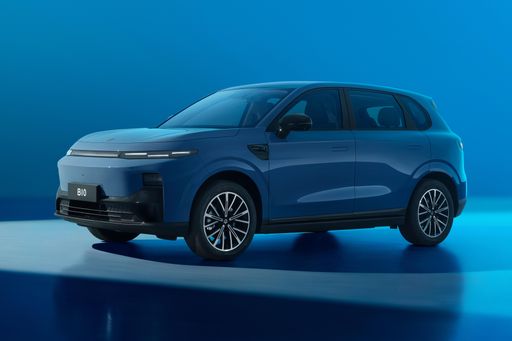
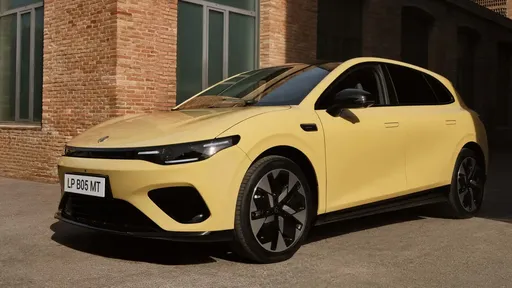
The Leapmotor B05 and Leapmotor B10 take two very different routes to the same brief: an attainable, well-equipped electric family car. The B05 is a low, wide hatch with rear‑drive poise and a quietly confident long‑distance demeanor, while the B10 is a taller, comfort‑first compact SUV that majors on ease of use. In everyday terms, the B05 feels more tied down and brisk, the B10 more relaxed and accommodating. Safety credentials diverge too, with the B10 already carrying a published five‑star crash rating, while the B05’s European score is still emerging. If you’re weighing Leapmotor B05 VS Leapmotor B10, the choice quickly narrows to driving character, cabin practicality, and how you travel.
B10

Driving feel: calm and poised vs soft and soothing

The Leapmotor B05 has the more planted, rear‑driven balance, so it feels composed in bends and a touch keener pulling away from junctions. The Leapmotor B10 prioritizes comfort with light steering and a cushy ride, which makes school runs and commutes wonderfully easy, but it doesn’t encourage a brisk pace on a twisty road. On the motorway both settle into a quiet cruise, though the B10’s softer setup can introduce a little more body movement over long undulations. Wind noise can creep in at speed in both, but the B05 generally feels tighter and more controlled. If you enjoy a stable, confident chassis the B05 will please; if you want stress‑free, sofa‑like progress, the B10 suits better.

Cabin feel and controls: sleek minimalism vs big-screen comfort

Inside, the Leapmotor B05 goes for a clean, modern look with an airy, almost coupe‑like vibe, while the Leapmotor B10 feels roomier and more upright, trading style for an easygoing, loungey impression. Both lean heavily on their central touchscreens for climate and basics, so traditional button lovers will need an adjustment period. Reviewers note the B10’s software can feel busy and its driver assists a bit over‑eager, whereas the B05 keeps things calmer but still relies on screen taps for too many tasks. Ergonomically, each has quirks: the B05’s wheel adjustment can feel limited, and the B10 skimps on a few small storage details. If you value a tidy, tech‑forward cockpit the B05 feels slicker; if you prefer a relaxed seating position and an easy read of the world outside, the B10’s SUV perch helps.

Space and practicality: family SUV advantage vs clever hatchback touches

The Leapmotor B10’s taller tail and squarer opening make loading buggies, dogs, and big weekly shops simpler, and it copes better with heavy family gear. The Leapmotor B05’s boot is fine for day‑to‑day life, but its sloping hatch limits bulky items, so you pack more thoughtfully for holidays. Rear space is generous in both, yet they differ in feel: the B10 offers stretch‑out headroom, while the B05 counters with a flat floor and reclining rear backrests that boost long‑trip comfort. Around town, the B10’s easy steering, cameras, and tight turning circle take the sting out of tight car parks, whereas the B05’s extra width needs a touch more care. If maximum cargo ease tops your list, the B10 holds the edge; if rear‑seat comfort and a tidier footprint matter, the B05 balances the brief well.

Range, efficiency and charging: fewer stops vs lower daily consumption

If you want to cut down charging halts on longer journeys, the Leapmotor B05’s real‑world stamina generally stretches farther per charge. The Leapmotor B10 tends to sip less energy in mixed, everyday driving, which helps running costs, but at motorway speeds it can be a bit thirstier than its town manners suggest. Both cars support genuinely quick DC sessions, so short, purposeful stops are the norm rather than the exception. In colder weather the B10’s charging and efficiency can be more sensitive to software and battery conditioning, where the B05 feels more consistently trip‑friendly. Frequent long‑range drivers will appreciate the B05’s range cushion; urban and suburban users may find the B10’s day‑to‑day efficiency and easy charging rhythm a better fit.

Ownership fit and value: sharper deal vs spec-laden security

The Leapmotor B05 typically undercuts its sibling on price and still packs strong kit, making it the value pick if you’re counting every pound. The Leapmotor B10 fights back with an equipment list that reads a class up and the reassurance of a published five‑star safety score, though some will immediately switch off its intrusive driver aids. City dwellers and young families may prefer the B10’s bigger boot, easy access, and calm ride, while commuters who mix city with regular motorway stints will lean toward the B05’s poise and longer range buffer. If you like a hatchback that feels grown‑up on the open road, the B05 is your lane; if you want an upright, family‑friendly SUV with comfort and safety front and center, the B10 is the safer bet. With those priorities clear, the detailed specs below will help you lock in the finer points.

Here’s where it gets real: The technical differences in detail

B05

Costs and Efficiency:

Looking at overall running costs, both models reveal some interesting differences in everyday economy.

Leapmotor B05 is marginally cheaper – starting at 23,900 £ , while the Leapmotor B10 costs 25,600 £ . That’s a price difference of around 1,714 £.

In terms of energy consumption, the Leapmotor B10 is markedly more efficient: consuming 12 kWh/100km compared to 15.8 kWh/100km for the Leapmotor B05. That’s a difference of about 3.8 kWh/100km.

As for electric range, the Leapmotor B05 offers barely more range – reaching up to 482 km, about 48 km more than the Leapmotor B10.

B10

Engine and Performance:

Under the bonnet, it becomes clear which model is tuned for sportiness and which one takes the lead when you hit the accelerator.

Both models deliver identical power – 218 HP each.

When accelerating from 0 to 100 km/h, the Leapmotor B05 is somewhat quicker – completing the sprint in 6.7 s, while the Leapmotor B10 takes 7.5 s. That’s about 0.8 s quicker.

Both models offer the same torque – 240 Nm.

Space and Everyday Use:

Cabin size, boot volume and payload all play a role in everyday practicality. Here, comfort and flexibility make the difference.

Both vehicles offer seating for 5 people.

In terms of curb weight, Leapmotor B05 is marginally lighter – 1,775 kg compared to 1,780 kg. The difference is around 5 kg.

Looking at boot space, the Leapmotor B10 offers clearly more boot space – 420 L compared to 295 L. That’s a difference of about 125 L.

When it comes to payload, the Leapmotor B10 carries somewhat more – 435 kg compared to 370 kg. That’s a difference of about 65 kg.

Who wins the race in the data check?

The Leapmotor B10 leads convincingly in the objective data comparison.
This result only shows which model scores more points on paper – not which of the two cars feels right for you.

from £25,600
B10

Leapmotor B10

  • Engine Type Plugin Hybrid, Electric
  • Transmission Automatic
  • Drive Type Rear-Wheel Drive
  • Power HP 218 HP
  • Consumption kWh/100km 12 - 17.3 kWh/100km
  • Electric Range 86 - 434 km
Leapmotor B05
Leapmotor B10

Costs and Consumption

View detailed analysis

Engine and Performance

View detailed analysis

Dimensions and Body

View detailed analysis

Leapmotor B05

The Leapmotor B05 is a family-oriented electric compact that prioritizes interior space and everyday practicality, with flexible seating and a clean, modern cabin layout. It's tuned for comfortable, easy driving around town and brings a tech-forward experience that appeals to buyers looking for a straightforward, user-friendly EV.

details

Leapmotor B10

The Leapmotor B10 is a sleek electric sedan that balances a comfortable, spacious cabin with an emphasis on smart technology and everyday usability. It suits buyers who want a modern, practical EV with thoughtful interior design and a calm, composed driving feel.

details
Leapmotor B05
Leapmotor B10

Costs and Consumption

Price
23,900 - 27,300 £
Price
25,600 - 33,000 £
Consumption L/100km
-
Consumption L/100km
-
Consumption kWh/100km
15.8 - 15.9 kWh/100km
Consumption kWh/100km
12 - 17.3 kWh/100km
Electric Range
401 - 482 km
Electric Range
86 - 434 km
Battery Capacity
-
Battery Capacity
-
co2
0 g/km
co2
0 - 54 g/km
Fuel tank capacity
-
Fuel tank capacity
-

Dimensions and Body

Body Type
Hatchback
Body Type
SUV
Seats
5
Seats
5
Doors
-
Doors
-
Curb weight
1,775 - 1,855 kg
Curb weight
1,780 - 1,860 kg
Trunk capacity
295 L
Trunk capacity
334 - 420 L
Length
-
Length
-
Width
1,880 mm
Width
1,885 mm
Height
-
Height
-
Max trunk capacity
-
Max trunk capacity
-
Payload
363 - 370 kg
Payload
360 - 435 kg

Engine and Performance

Engine Type
Electric
Engine Type
Plugin Hybrid, Electric
Transmission
Automatic
Transmission
Automatic
Transmission Detail
Reduction Gearbox
Transmission Detail
Reduction Gearbox
Drive Type
Rear-Wheel Drive
Drive Type
Rear-Wheel Drive
Power HP
218 HP
Power HP
218 HP
Acceleration 0-100km/h
6.7 s
Acceleration 0-100km/h
7.5 - 8 s
Max Speed
-
Max Speed
-
Torque
240 Nm
Torque
240 Nm
Number of Cylinders
-
Number of Cylinders
4
Power kW
160 kW
Power kW
160 kW
Engine capacity
-
Engine capacity
1,499 cm3

General

Model Year
2026
Model Year
2,025 - 2,026
CO2 Efficiency Class
A
CO2 Efficiency Class
B, A
Brand
Leapmotor
Brand
Leapmotor
DriveDuel uses data analysis and artificial intelligence to evaluate vehicle data and create content. Content is regularly reviewed and improved. The displayed prices are estimates based on German list prices, adjusted to the respective country’s VAT. Country-specific registration taxes are not included. This information is not legally binding.








