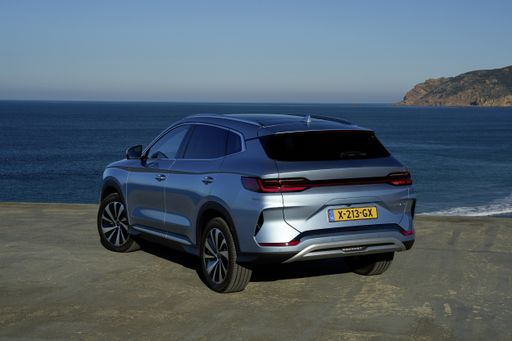
VS

BYD Atto 3 vs BYD Seal U comparison

Compare performance (449 HP vs 324 HP), boot space and price (33,400 £ vs 34,300 £ ) at a glance. Find out which car is the better choice for you – BYD Atto 3 or BYD Seal U?

BYD Atto 3 vs BYD Seal U: Key differences

BYD Atto 3

5 (2 Reviews)
rate
  • barely cheaper
  • clearly more power
  • very slightly more electric range
  • clearly quicker 0–100 km/h
  • only slightly lighter

BYD Seal U

4.1 (7 Reviews)
rate
  • clearly more efficient
  • noticeably more trunk space

All details on performance, efficiency, range and trunk space can be found in the technical comparison below – including user reviews for both models.

Atto 3

Two Distinct Characters in One Stable

The comparison reads like a study in contrasts: the BYD Atto 3 plays the affable city companion, while the BYD Seal U adopts a sleeker, more athletic persona. One feels designed to make daily life easy and unpretentious, the other to command attention and reward more enthusiastic driving. Both wear their intentions clearly, so your choice will come down to mood as much as need.
Seal U

Design: Friendly vs. Assertive

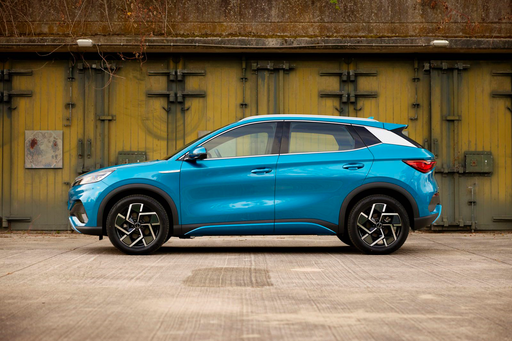
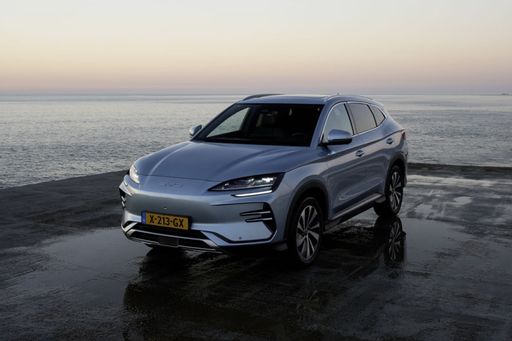
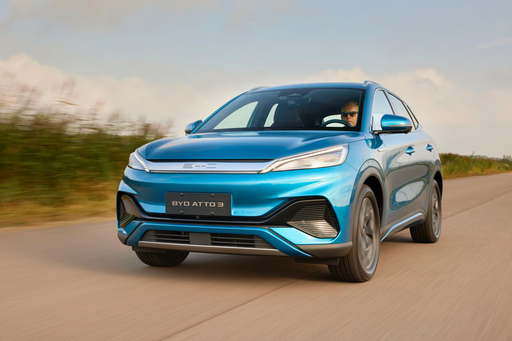
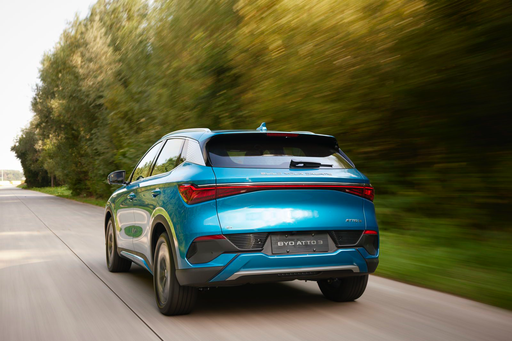
Styling tells you everything before a door opens — the Atto 3 leans on rounded forms and approachable detailing that suit suburban kerbs and town squares. The Seal U strikes a lower, more sculpted silhouette that reads premium and purposeful, more in tune with drivers who like to be noticed. Neither is shy, but they attract different kinds of stares.

Atto 3

Everyday Comfort: Sofa or Sport Seat?

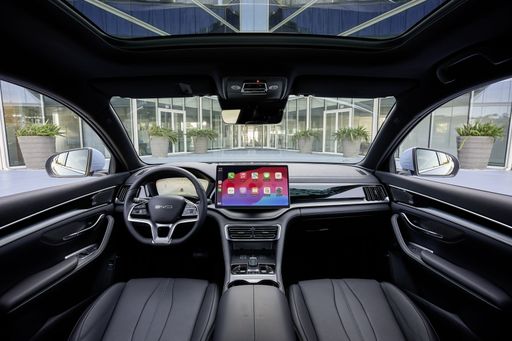
Step inside and the differences become practical: the Atto 3 prioritises uncomplicated comfort, straightforward ergonomics and a relaxed posture for city commutes. The Seal U offers a firmer, more supportive setup that keeps you snug on longer runs and delivers a confident feel at higher speeds. Both cabins are comfortable, but they reward different daily routines.

Seal U

How They Drive: Lightfoot vs. Focused

Behind the wheel the personas continue — the Atto 3 is light-footed and eager to hop through traffic with minimal fuss, making it an ideal companion for tight urban work. The Seal U brings a tauter chassis and sharper responses that make highway miles feel more composed and purposeful. Each car makes a clear promise: convenience and ease versus composure and engagement.

Atto 3

Practicalities: Pack, Fold, Repeat

Practicality is handled in different ways: the Atto 3’s packaging makes manoeuvres and parking easier in crowded environments, while the Seal U leans into a roomier layout that better suits weekend escapes and bulkier loads. Rear-seat comfort and luggage flexibility swing slightly in favour of the more generously packaged model, but the smaller sibling keeps everyday errands effortlessly manageable. It’s the difference between a city-savvy hauler and a more travel-ready companion.

Seal U

Interface and Usability: Intuitive or Aspirational?

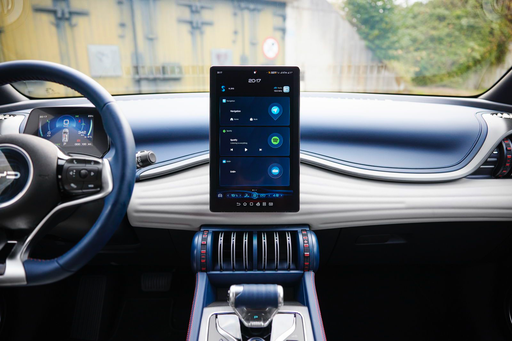
Both cabins feel modern, yet they approach tech from different angles: the Atto 3 aims for a simple, intuitive layout that shrinks the learning curve for new users. The Seal U brings a sharper, more premium presentation that can reward those who like extra features and refinement in their daily interaction. Either way you’ll find familiar smartphone comforts and a slick overall experience, the choice being between instantly usable or slightly more aspirational.

Atto 3

Ownership Feel: Practical Savings or Proud Possession?

If running costs and ease of living are top priorities, the Atto 3 projects a friendly, affordable-to-live-with personality that reassures daily owners. The Seal U trades some of that accessibility for a stronger sense of occasion and a more premium presence that appeals to drivers who value image and longer trips. Both make sensible ownership cases, just with different emphases on practicality versus prestige.

Who Should Drive Which Home?

City commuters, first-time EV buyers and anyone prioritising ease of use will find the Atto 3 hard to resist thanks to its friendly manners and fuss-free nature. Drivers who want a more planted, stylish machine that eats miles and turns heads are likely to prefer the Seal U and its more assured road presence. Think about where you spend most of your time behind the wheel and the choice becomes clearer.

The Final Lap — Curious for the Verdict?

Both cars make compelling cases from different corners of the same brand, so the right pick depends on whether you prize city-savvy simplicity or a more ambitious, long-distance personality. Read on — the DriveDuel Champion will be revealed after this deep dive, and you won’t want to miss which model earns the crown.

Here’s where it gets real: The technical differences in detail

Atto 3

Costs and Efficiency:

Price and efficiency are often the first things buyers look at. Here it becomes clear which model has the long-term edge – whether at the pump, the plug, or in purchase price.

BYD Atto 3 is barely cheaper – starting at 33,400 £ , while the BYD Seal U costs 34,300 £ . That’s a price difference of around 857 £.

In terms of energy consumption, the BYD Seal U is clearly more efficient: consuming 12.1 kWh/100km compared to 16 kWh/100km for the BYD Atto 3. That’s a difference of about 3.9 kWh/100km.

As for electric range, the BYD Atto 3 offers very slightly more range – reaching up to 510 km, about 10 km more than the BYD Seal U.

Seal U

Engine and Performance:

Power, torque and acceleration say a lot about how a car feels on the road. This is where you see which model delivers more driving dynamics.

When it comes to engine power, the BYD Atto 3 offers clearly more power – delivering 449 HP compared to 324 HP. That’s roughly 125 HP more horsepower.

When accelerating from 0 to 100 km/h, the BYD Atto 3 is clearly quicker – completing the sprint in 3.9 s, while the BYD Seal U takes 5.9 s. That’s about 2 s quicker.

Looking at top speed, the BYD Seal U is very slightly faster – reaching 175 km/h, while the BYD Atto 3 tops out at 160 km/h. The difference is around 15 km/h.

There’s also a difference in torque: the BYD Atto 3 delivers barely more torque with 560 Nm compared to 550 Nm. That’s about 10 Nm more.

Atto 3

Space and Everyday Use:

Cabin size, boot volume and payload all play a role in everyday practicality. Here, comfort and flexibility make the difference.

Both vehicles offer seating for 5 people.

In terms of curb weight, BYD Atto 3 is only slightly lighter – 1,825 kg compared to 1,940 kg. The difference is around 115 kg.

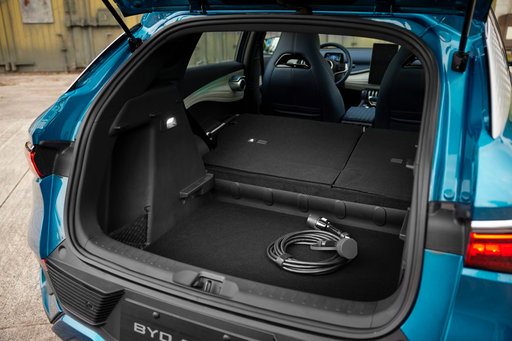
Looking at boot space, the BYD Seal U offers noticeably more boot space – 552 L compared to 440 L. That’s a difference of about 112 L.

For maximum load capacity, the BYD Seal U offers only slightly more capacity – up to 1,440 L, about 102 L more than the BYD Atto 3.

When it comes to payload, the BYD Seal U carries a bit more – 410 kg compared to 335 kg. That’s a difference of about 75 kg.

Who wins the race in the data check?

The BYD Atto 3 shows a few small advantages in the objective data comparison.
This result only shows which model scores more points on paper – not which of the two cars feels right for you.

from £33,400
Atto 3

BYD Atto 3

  • Engine Type : Electric
  • Transmission : Automatic
  • Drive Type : Front-Wheel Drive, Rear-Wheel Drive, All-Wheel Drive
  • Power HP : 204 - 449 HP
  • Consumption kWh/100km : 16 kWh/100km
  • Electric Range : 420 - 510 km
BYD Atto 3
BYD Seal U

Costs and Consumption

View detailed analysis

Engine and Performance

View detailed analysis

Dimensions and Body

View detailed analysis

BYD Atto 3

The BYD Atto 3 mixes quirky crossover styling with a cleverly packaged interior that feels more premium than its price suggests. Easy to drive, surprisingly practical and loaded with user-friendly tech, it's a strong choice for buyers who want an EV that's fun without being fussy.

details

BYD Seal U

The BYD Seal U pairs a sleek fastback silhouette with a surprisingly roomy, tech-rich cabin, giving electric chic without the showroom pretension. It's a smart pick for buyers after confident handling, sensible practicality and standout value — all wrapped up with a cheeky grin when you put your foot down.

details
BYD Atto 3
BYD Seal U

Costs and Consumption

Price
33,400 - 43,700 £
Price
34,300 - 39,800 £
Consumption L/100km
-
Consumption L/100km
-
Consumption kWh/100km
16 kWh/100km
Consumption kWh/100km
12.1 - 20.5 kWh/100km
Electric Range
420 - 510 km
Electric Range
70 - 500 km
Battery Capacity
-
Battery Capacity
-
co2
0 g/km
co2
0 - 71 g/km
Fuel tank capacity
-
Fuel tank capacity
-

Dimensions and Body

Body Type
SUV
Body Type
SUV
Seats
5
Seats
5
Doors
5
Doors
5
Curb weight
1,825 kg
Curb weight
1,940 - 2,147 kg
Trunk capacity
440 L
Trunk capacity
425 - 552 L
Length
4,455 mm
Length
4,785 mm
Width
1,875 mm
Width
1,890 mm
Height
1,615 mm
Height
1,668 mm
Max trunk capacity
1,338 L
Max trunk capacity
1,440 L
Payload
335 kg
Payload
410 kg

Engine and Performance

Engine Type
Electric
Engine Type
Electric, Plugin Hybrid
Transmission
Automatic
Transmission
Automatic
Transmission Detail
Reduction Gearbox
Transmission Detail
Reduction Gearbox, Automatic Gearbox
Drive Type
Front-Wheel Drive, Rear-Wheel Drive, All-Wheel Drive
Drive Type
Front-Wheel Drive, All-Wheel Drive
Power HP
204 - 449 HP
Power HP
218 - 324 HP
Acceleration 0-100km/h
3.9 - 7.3 s
Acceleration 0-100km/h
5.9 - 9.6 s
Max Speed
160 km/h
Max Speed
175 km/h
Torque
310 - 560 Nm
Torque
300 - 550 Nm
Number of Cylinders
-
Number of Cylinders
4
Power kW
150 - 330 kW
Power kW
160 - 238 kW
Engine capacity
-
Engine capacity
1,497 - 1,498 cm3

General

Model Year
2,023 - 2,026
Model Year
2,024 - 2,026
CO2 Efficiency Class
A
CO2 Efficiency Class
A, B
Brand
BYD
Brand
BYD
DriveDuel uses data analysis and artificial intelligence to evaluate vehicle data and create content. Content is regularly reviewed and improved. The displayed prices are estimates based on German list prices, adjusted to the respective country’s VAT. Country-specific registration taxes are not included. This information is not legally binding.