Deutschland
 France
 Nederland
 Great Britain
 Sverige
 Danmark
 Suomi
Suomi Italia
 Polska
 Česko
Česko España
Unlikely Contenders: Honda Civic vs. Porsche Panamera
In the world of automobiles, comparing the Honda Civic with the Porsche Panamera might seem unconventional. These vehicles target vastly different audiences and budgets, yet each brings unique features and capabilities to the table. Here, we delve into their technical aspects and innovations to underscore what sets them apart and where they converge.
Power and Performance
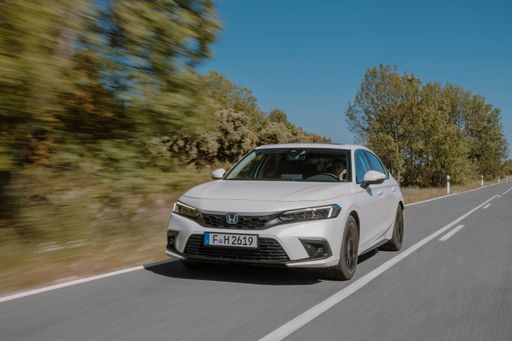
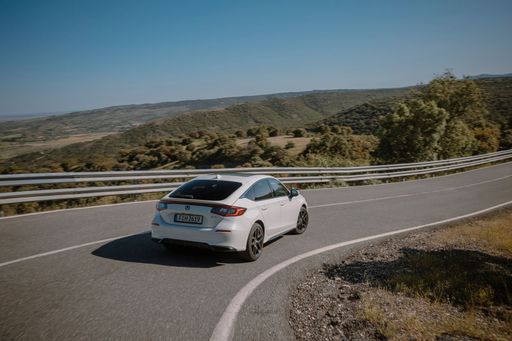
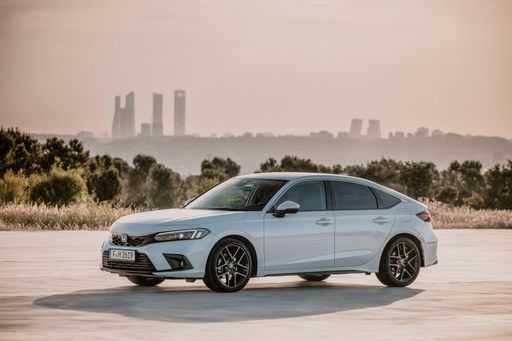
The Honda Civic comes equipped with either a full hybrid or petrol engine. With a maximum horsepower of 184 HP and a torque of 315 Nm, this hatchback provides a more restrained performance suitable for everyday driving. Its acceleration from 0 to 100 km/h takes between 7.8 and 8.1 seconds, depending on the model, with a top speed of up to 180 km/h.
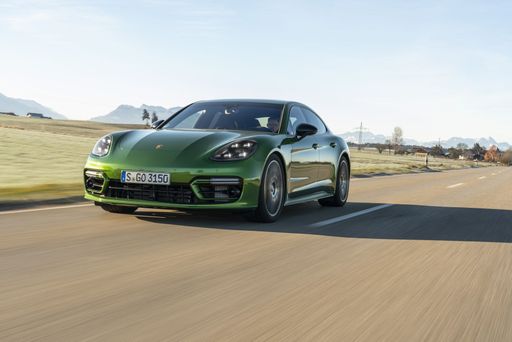
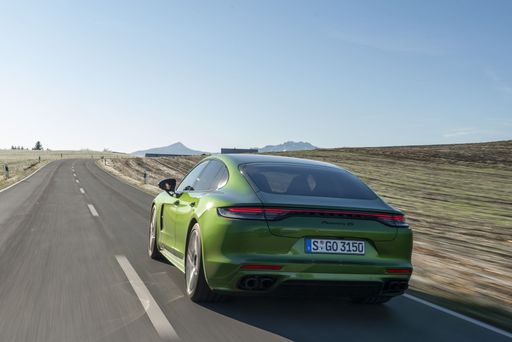
In contrast, the Porsche Panamera offers a staggering array of power options, from 470 HP up to an exhilarating 782 HP, accompanied by torque figures reaching up to 1000 Nm. The Panamera records an impressive 0 to 100 km/h acceleration time in as little as 2.9 seconds and can reach speeds up to 325 km/h, which speaks volumes about its sporty pedigree.
Fuel Efficiency and Sustainability
Both cars bring differing philosophies to fuel efficiency. The Honda Civic offers a practical consumption rate ranging from 4.7 to 8.2 L/100km, alongside a CO2 efficiency class rating that spans categories C to G. Its hybrid variation is particularly notable for urban drivers seeking eco-friendly solutions.
The Porsche Panamera's engineering brilliance shines particularly in its plug-in hybrid variants that boast a remarkable consumption rate as low as 1.0 L/100km and electric ranges up to 92 km. Its performance-focused models have higher consumption rates, reflecting a focus on power rather than conservation.
Innovation and Technology
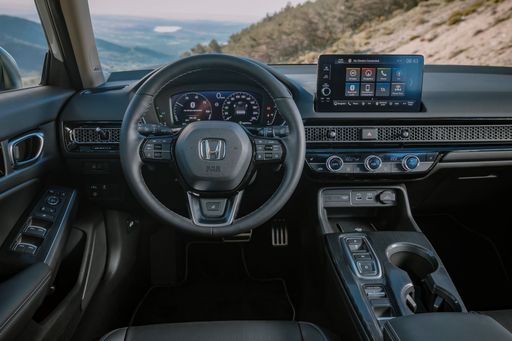
The Civic incorporates technological advancements suitable for its class and users, offering automatic and manual CVT transmissions and state-of-the-art infotainment systems designed for everyday comfort.
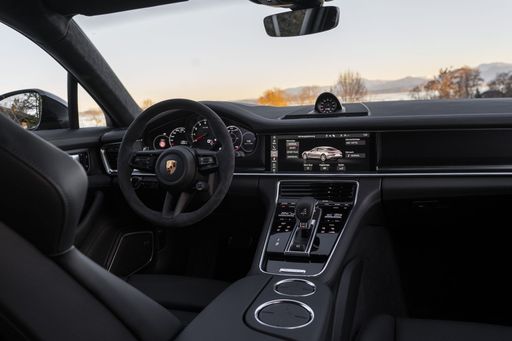
In contrast, with its dual-clutch automatic transmission, the Panamera is a beacon of luxury and technology. Porsche's innovative implementation combines sports car agility with advanced driver assistance and infotainment technologies, providing an elite driving experience that pays homage to the brand's racing heritage.
Comfort and Versatility
The Honda Civic's hatchback design affords practicality with ample trunk space of up to 410 liters and a comfortable seating capacity for five. It's evidently aimed at family-oriented or everyday travel, providing reliability and utility.
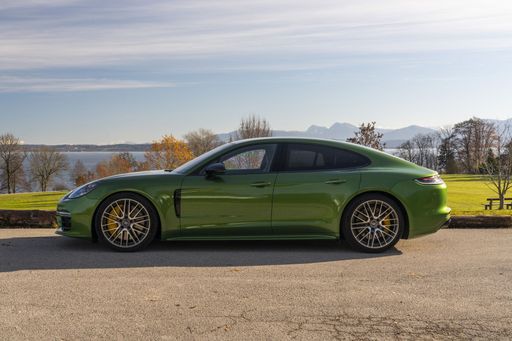
The Porsche Panamera offers a luxurious setting with seating configurations primarily catering for four occupants. With trunk capacities reaching 494 liters, it manages a blend of performance and absolutism with functionality.
Dimensions and Practicality
The Civic's more compact dimensions, measuring up to 4594 mm in length and 1890 mm in width, make it well-suited for urban living and narrower roads. The curb weight ranges from 1480 kg up to 1533 kg, offering ease of handling and a higher payload capacity of up to 397 kg.
In comparison, the Panamera flaunts an extended length of up to 5204 mm and a greater width of 1937 mm. With its curb weight ranging between 1960 kg and 2535 kg, the Porsche is a silent giant on the road, designed more for open highways than tight city streets, while ensuring a payload capacity reaching 545 kg.
Conclusion: Choosing Between Two Worlds
Clearly, the Honda Civic and Porsche Panamera cater to profoundly different spectrums of the automotive market. The Civic embodies practical efficiency and affordability, while the Panamera stands as a testament to luxury, power, and technological advancements. The choice between them ultimately depends on what trade-offs the individual is willing to make—for economy and daily utility or for high performance and sophistication.