
 Deutschland
 France
 Nederland
 Great Britain
 Sverige
 Danmark
 Suomi
Suomi Italia
 Polska
 Česko
Česko España
VS
Hyundai i30 Wagon vs Tesla Roadster comparison
Compare performance (150 HP vs ), boot space and price (25,400 £ vs 184,300 £ ) at a glance. Find out which car is the better choice for you – Hyundai i30 Wagon or Tesla Roadster?
Hyundai i30 Wagon vs Tesla Roadster: Key differences
All details on performance, efficiency, range and trunk space can be found in the technical comparison below – including user reviews for both models.
i30 Wagon
Costs and Efficiency:
Looking at overall running costs, both models reveal some interesting differences in everyday economy.
Hyundai i30 Wagon is clearly cheaper – starting at 25,400 £ , while the Tesla Roadster costs 184,300 £ . That’s a price difference of around 158,871 £.
Roadster
Space and Everyday Use:
Beyond pure performance, interior space and usability matter most in daily life. This is where you see which car is more practical and versatile.
Seats: Hyundai i30 Wagon offers more seats – 5 vs 4.
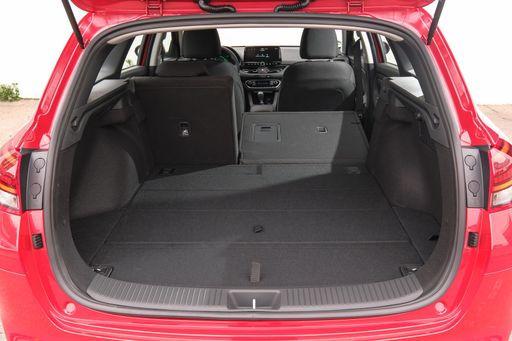
Looking at boot space, the Hyundai i30 Wagon offers considerably more boot space – 602 L compared to 0 L. That’s a difference of about 602 L.
i30 Wagon
Engine and Performance:
Power, torque and acceleration are the classic benchmarks for car enthusiasts – and here, some clear differences start to show.
When accelerating from 0 to 100 km/h, the Tesla Roadster is clearly quicker – completing the sprint in 2.1 s, while the Hyundai i30 Wagon takes 9.1 s. That’s about 7 s quicker.
There’s also a difference in torque: the Tesla Roadster delivers significantly more torque with 10,000 Nm compared to 250 Nm. That’s about 9,750 Nm more.
Who wins the race in the data check?
The Hyundai i30 Wagon stands well ahead of its rival in the objective data comparison.
This result only shows which model scores more points on paper – not which of the two cars feels right for you.
from £25,400
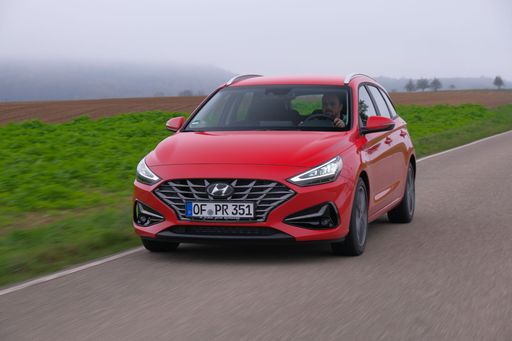
Hyundai i30 Wagon
Hyundai i30 Wagon
Tesla Roadster
Costs and Consumption
View detailed analysis
View detailed analysis
Dimensions and Body
View detailed analysis
View detailed analysis
Engine and Performance
View detailed analysis
View detailed analysis
Hyundai i30 Wagon
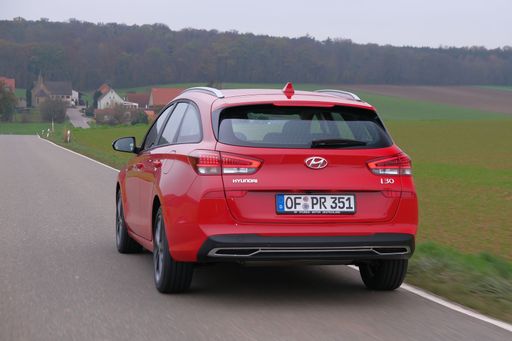
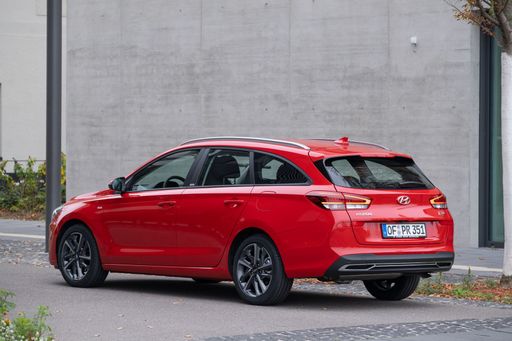
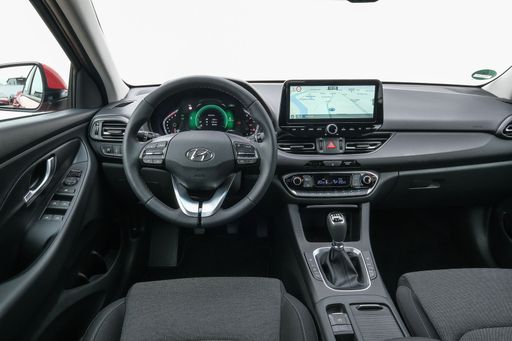
The Hyundai i30 Wagon is a practical family hauler that pairs roomy, sensible packaging with clean, modern lines and a surprisingly composed chassis. Comfortable, well-equipped and priced to make rivals sweat, it quietly ticks the boxes for daily life and weekend escapes while still managing a little grin on twisty roads.
details
Tesla Roadster
The Roadster is a stunning embodiment of open-air driving, blending sleek design with exhilarating performance. With its sporty silhouette and agile handling, it offers an unmatched sense of freedom on the road. Enthusiasts revel in the combination of luxury and raw power, making every journey a memorable adventure.
details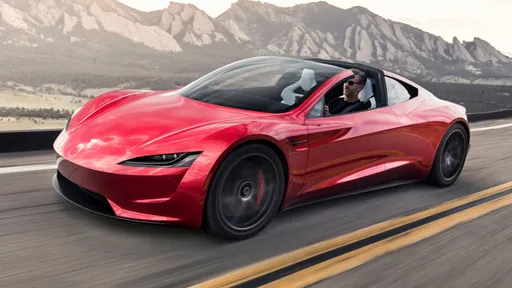
Hyundai i30 Wagon
Tesla Roadster
Costs and Consumption |
|
|---|---|
|
Price
25,400 - 32,300 £
|
Price
184,300 £
|
|
Consumption L/100km
5.9 - 6.3 L/100km
|
Consumption L/100km
-
|
|
Consumption kWh/100km
-
|
Consumption kWh/100km
-
|
|
Electric Range
-
|
Electric Range
1,000 km
|
|
Battery Capacity
-
|
Battery Capacity
-
|
|
co2
134 - 142 g/km
|
co2
0 g/km
|
|
Fuel tank capacity
-
|
Fuel tank capacity
-
|
Dimensions and Body |
|
|---|---|
|
Body Type
Estate
|
Body Type
Roadster
|
|
Seats
5
|
Seats
4
|
|
Doors
-
|
Doors
2
|
|
Curb weight
1,340 - 1,460 kg
|
Curb weight
-
|
|
Trunk capacity
602 L
|
Trunk capacity
0 L
|
|
Length
-
|
Length
-
|
|
Width
1,795 mm
|
Width
-
|
|
Height
-
|
Height
-
|
|
Max trunk capacity
-
|
Max trunk capacity
-
|
|
Payload
450 - 490 kg
|
Payload
-
|
Engine and Performance |
|
|---|---|
|
Engine Type
Petrol
|
Engine Type
Electric
|
|
Transmission
Manuel, Automatic
|
Transmission
Automatic
|
|
Transmission Detail
Manual Gearbox, Dual-Clutch Automatic
|
Transmission Detail
Reduction Gearbox
|
|
Drive Type
Front-Wheel Drive
|
Drive Type
All-Wheel Drive
|
|
Power HP
115 - 150 HP
|
Power HP
-
|
|
Acceleration 0-100km/h
9.1 - 11.9 s
|
Acceleration 0-100km/h
2.1 s
|
|
Max Speed
-
|
Max Speed
402 km/h
|
|
Torque
172 - 250 Nm
|
Torque
10,000 Nm
|
|
Number of Cylinders
3 - 4
|
Number of Cylinders
-
|
|
Power kW
85 - 110 kW
|
Power kW
-
|
|
Engine capacity
998 - 1,598 cm3
|
Engine capacity
-
|
General |
|
|---|---|
|
Model Year
2026
|
Model Year
2025
|
|
CO2 Efficiency Class
D, E
|
CO2 Efficiency Class
A
|
|
Brand
Hyundai
|
Brand
Tesla
|
DriveDuel uses data analysis and artificial intelligence to evaluate vehicle data and create content. Content is regularly reviewed and improved.
The displayed prices are estimates based on German list prices, adjusted to the respective country’s VAT. Country-specific registration taxes are not included. This information is not legally binding.