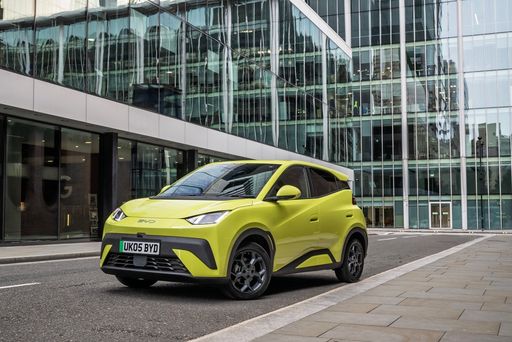
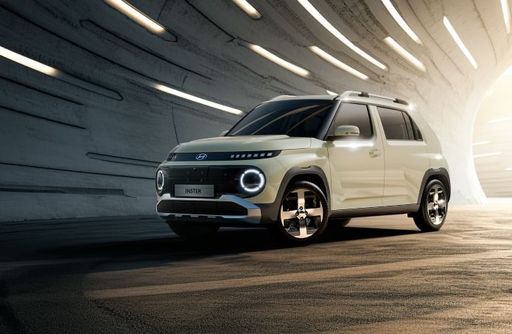
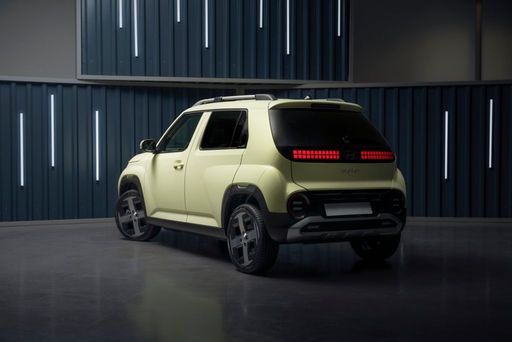
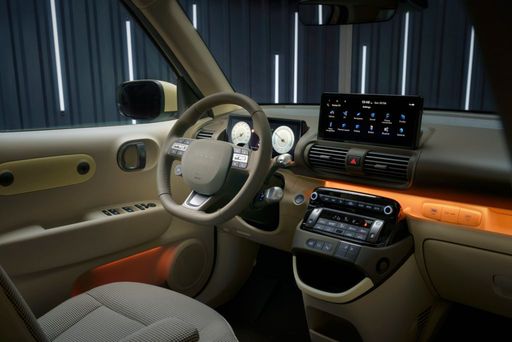
When it comes to price and running costs, the biggest differences usually appear. This is often where you see which car fits your budget better in the long run.
BYD Dolphin Surf has a slight advantage in terms of price – it starts at 19700 £, while the Hyundai Inster costs 20500 £. That’s a price difference of around 780 £.
In terms of energy consumption, the advantage goes to the Hyundai Inster: with 14.30 kWh per 100 km, it’s barely noticeable more efficient than the BYD Dolphin Surf with 15.50 kWh. That’s a difference of about 1.20 kWh.
As for range, the Hyundai Inster performs slightly better – achieving up to 370 km, about 48 km more than the BYD Dolphin Surf.
Power, torque and acceleration say a lot about how a car feels on the road. This is where you see which model delivers more driving dynamics.
When it comes to engine power, the BYD Dolphin Surf has a evident edge – offering 156 HP compared to 115 HP. That’s roughly 41 HP more horsepower.
In acceleration from 0 to 100 km/h, the BYD Dolphin Surf is a bit quicker – completing the sprint in 9.10 s, while the Hyundai Inster takes 10.60 s. That’s about 1.50 s faster.
In terms of top speed, the performs better – reaching , while the tops out at . The difference is around .
There’s also a difference in torque: BYD Dolphin Surf pulls distinct stronger with 220 Nm compared to 147 Nm. That’s about 73 Nm difference.
Beyond pure performance, interior space and usability matter most in daily life. This is where you see which car is more practical and versatile.
Seats: offers more seating capacity – vs .
In curb weight, BYD Dolphin Surf is minimal lighter – 1294 kg compared to 1380 kg. The difference is around 86 kg.
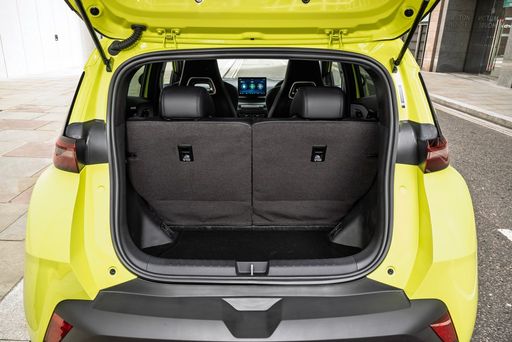
In terms of boot space, the BYD Dolphin Surf offers minimal more room – 308 L compared to 280 L. That’s a difference of about 28 L.
In maximum load capacity, the Hyundai Inster performs hardly perceptible better – up to 1059 L, which is about 22 L more than the BYD Dolphin Surf.
When it comes to payload, Hyundai Inster barely noticeable takes the win – 357 kg compared to 344 kg. That’s a difference of about 13 kg.
Overall, the BYD Dolphin Surf shows itself to be is largely superior and secures the title of DriveDuel Champion.
It convinces with the more balanced overall package and proves to be the more versatile choice for everyday use.
The Inster has quickly captured the attention of automotive enthusiasts with its striking design and dynamic performance. This model seamlessly blends advanced technology with comfort, making it an ideal choice for both daily commutes and adventurous road trips. With its spacious interior and innovative features, the Inster promises an exhilarating driving experience that doesn’t compromise on practicality.
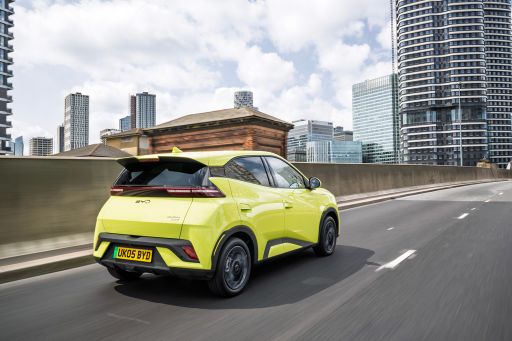
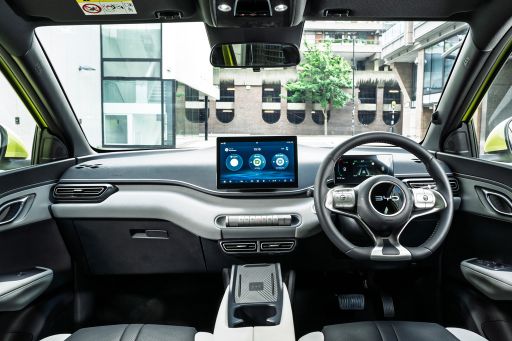
detailsThe BYD Dolphin Surf is an intriguing model that combines sleek design with modern electric technology, making it an appealing choice for urban commuters seeking sustainability and style. Its dynamic exterior design is complemented by an interior that prioritizes comfort and functionality, reflecting the brand's commitment to innovation. The model also offers impressive handling and a smooth driving experience, embodying the shift towards eco-friendly transportation.
details|
|
|
|
|
|
Costs and Consumption |
|
|---|---|
|
Price
20500 - 25800 £
|
Price
19700 - 26600 £
|
|
Consumption L/100km
-
|
Consumption L/100km
-
|
|
Consumption kWh/100km
14.3 - 15.1 kWh
|
Consumption kWh/100km
15.5 - 16 kWh
|
|
Electric Range
327 - 370 km
|
Electric Range
220 - 322 km
|
|
Battery Capacity
42 - 49 kWh
|
Battery Capacity
-
|
|
co2
0 g/km
|
co2
0 g/km
|
|
Fuel tank capacity
-
|
Fuel tank capacity
-
|
Dimensions and Body |
|
|---|---|
|
Body Type
SUV
|
Body Type
Hatchback
|
|
Seats
4
|
Seats
4
|
|
Doors
5
|
Doors
5
|
|
Curb weight
1380 - 1433 kg
|
Curb weight
1294 - 1390 kg
|
|
Trunk capacity
238 - 280 L
|
Trunk capacity
308 L
|
|
Length
3825 - 3845 mm
|
Length
3990 mm
|
|
Width
1610 mm
|
Width
1720 mm
|
|
Height
1575 - 1610 mm
|
Height
1590 mm
|
|
Max trunk capacity
1059 L
|
Max trunk capacity
1037 L
|
|
Payload
317 - 357 kg
|
Payload
344 kg
|
Engine and Performance |
|
|---|---|
|
Engine Type
Electric
|
Engine Type
Electric
|
|
Transmission
Automatic
|
Transmission
Automatic
|
|
Transmission Detail
Reduction Gearbox
|
Transmission Detail
Reduction Gearbox
|
|
Drive Type
Front-Wheel Drive
|
Drive Type
Front-Wheel Drive
|
|
Power HP
97 - 115 HP
|
Power HP
88 - 156 HP
|
|
Acceleration 0-100km/h
10.6 - 11.7 s
|
Acceleration 0-100km/h
9.1 - 12.1 s
|
|
Max Speed
140 - 150 km/h
|
Max Speed
150 km/h
|
|
Torque
147 Nm
|
Torque
175 - 220 Nm
|
|
Number of Cylinders
-
|
Number of Cylinders
-
|
|
Power kW
71 - 85 kW
|
Power kW
65 - 115 kW
|
|
Engine capacity
-
|
Engine capacity
-
|
General |
|
|---|---|
|
Model Year
2025
|
Model Year
2025
|
|
CO2 Efficiency Class
A
|
CO2 Efficiency Class
A
|
|
Brand
Hyundai
|
Brand
BYD
|
Available configurations include Front-Wheel Drive.
The prices and data displayed are estimates based on German list prices and may vary by country. This information is not legally binding.