
 Deutschland
 France
 Nederland
 Great Britain
 Sverige
 Danmark
 Suomi
Suomi Italia
 Polska
 Česko
Česko España
VS
Hyundai IONIQ 6 vs SsangYong Musso comparison
Compare performance (650 HP vs 202 HP), boot space and price (39,000 £ vs 28,700 £ ) at a glance. Find out which car is the better choice for you – Hyundai IONIQ 6 or SsangYong Musso?
IONIQ 6
Costs and Efficiency:
Price and efficiency are often the first things buyers look at. Here it becomes clear which model has the long-term edge – whether at the pump, the plug, or in purchase price.
SsangYong Musso is markedly cheaper – starting at 28,700 £ , while the Hyundai IONIQ 6 costs 39,000 £ . That’s a price difference of around 10,337 £.
IONIQ 6
Engine and Performance:
Under the bonnet, it becomes clear which model is tuned for sportiness and which one takes the lead when you hit the accelerator.
When it comes to engine power, the Hyundai IONIQ 6 offers substantially more power – delivering 650 HP compared to 202 HP. That’s roughly 448 HP more horsepower.
There’s also a difference in torque: the Hyundai IONIQ 6 delivers substantially more torque with 770 Nm compared to 400 Nm. That’s about 370 Nm more.
IONIQ 6
Space and Everyday Use:
Beyond pure performance, interior space and usability matter most in daily life. This is where you see which car is more practical and versatile.
Both vehicles offer seating for 5 people.
In terms of curb weight, Hyundai IONIQ 6 is very slightly lighter – 1,892 kg compared to 2,045 kg. The difference is around 153 kg.
When it comes to payload, the SsangYong Musso carries substantially more – 1,010 kg compared to 438 kg. That’s a difference of about 572 kg.
Who wins the race in the data check?
The Hyundai IONIQ 6 is decisively ahead in the objective data comparison.
This result only shows which model scores more points on paper – not which of the two cars feels right for you.
from £39,000
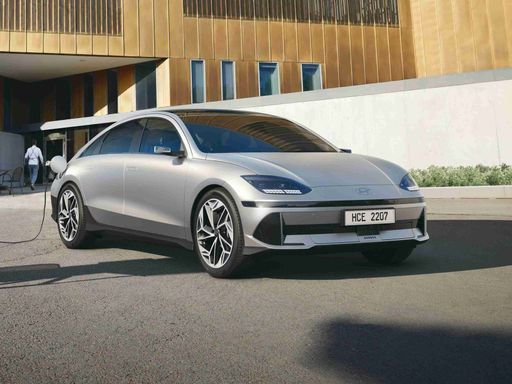
Hyundai IONIQ 6
Hyundai IONIQ 6
SsangYong Musso
Costs and Consumption
View detailed analysis
View detailed analysis
Engine and Performance
View detailed analysis
View detailed analysis
Dimensions and Body
View detailed analysis
View detailed analysis
Hyundai IONIQ 6
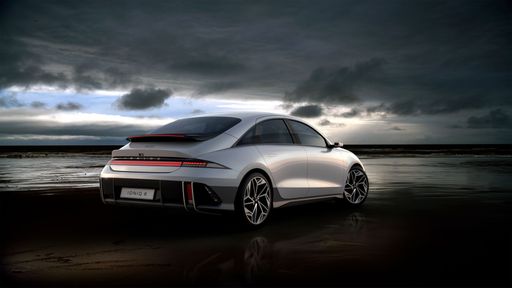
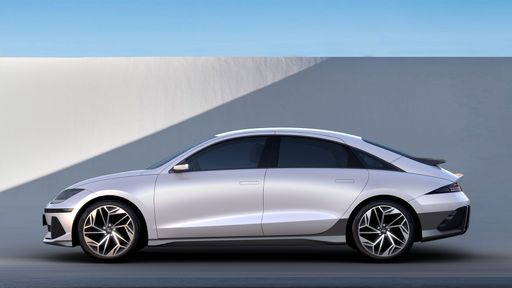
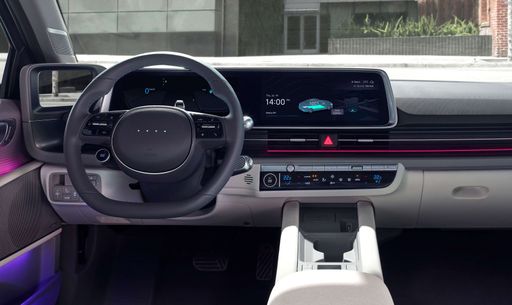
The Hyundai IONIQ 6 glides down the road with a poise that feels more runway model than commuter car, its sleek silhouette promising efficiency without trying too hard. Inside, a calm, minimalist cabin packed with clever, usable tech makes it a compelling choice for buyers who want electric motoring that's smart, stylish and quietly practical.
details
SsangYong Musso
The Musso is a no-nonsense pickup that blends rugged capability with surprisingly comfy cabin manners, perfect for buyers who want practicality over prestige. It may not turn heads at the coffee stop, but its sensible layout, useful load space and low running costs make it a very pragmatic choice for workdays and weekends.
details
Hyundai IONIQ 6
SsangYong Musso
Costs and Consumption |
|
|---|---|
|
Price
39,000 - 65,100 £
|
Price
28,700 - 42,700 £
|
|
Consumption L/100km
-
|
Consumption L/100km
8.4 - 9.3 L/100km
|
|
Consumption kWh/100km
13.4 - 18.7 kWh/100km
|
Consumption kWh/100km
-
|
|
Electric Range
487 - 680 km
|
Electric Range
-
|
|
Battery Capacity
-
|
Battery Capacity
-
|
|
co2
0 g/km
|
co2
221 - 245 g/km
|
|
Fuel tank capacity
-
|
Fuel tank capacity
75 L
|
Dimensions and Body |
|
|---|---|
|
Body Type
Hatchback
|
Body Type
Pickup
|
|
Seats
5
|
Seats
5
|
|
Doors
-
|
Doors
4
|
|
Curb weight
1,892 - 2,241 kg
|
Curb weight
2,045 - 2,260 kg
|
|
Trunk capacity
371 - 401 L
|
Trunk capacity
-
|
|
Length
-
|
Length
5,095 - 5,405 mm
|
|
Width
1,880 - 1,940 mm
|
Width
1,950 mm
|
|
Height
-
|
Height
1,840 - 1,855 mm
|
|
Max trunk capacity
-
|
Max trunk capacity
-
|
|
Payload
386 - 438 kg
|
Payload
785 - 1,010 kg
|
Engine and Performance |
|
|---|---|
|
Engine Type
Electric
|
Engine Type
Diesel
|
|
Transmission
Automatic
|
Transmission
Manual, Automatic
|
|
Transmission Detail
Reduction Gearbox
|
Transmission Detail
Manual Gearbox, Automatic Gearbox
|
|
Drive Type
All-Wheel Drive, Rear-Wheel Drive
|
Drive Type
All-Wheel Drive, Rear-Wheel Drive
|
|
Power HP
170 - 650 HP
|
Power HP
202 HP
|
|
Acceleration 0-100km/h
3.3 - 8.3 s
|
Acceleration 0-100km/h
-
|
|
Max Speed
-
|
Max Speed
183 - 187 km/h
|
|
Torque
350 - 770 Nm
|
Torque
400 Nm
|
|
Number of Cylinders
-
|
Number of Cylinders
4
|
|
Power kW
125 - 478 kW
|
Power kW
149 kW
|
|
Engine capacity
-
|
Engine capacity
2,157 cm3
|
General |
|
|---|---|
|
Model Year
2026
|
Model Year
2,022 - 2,024
|
|
CO2 Efficiency Class
A
|
CO2 Efficiency Class
G
|
|
Brand
Hyundai
|
Brand
SsangYong
|
DriveDuel uses data analysis and artificial intelligence to evaluate vehicle data and create content. Content is regularly reviewed and improved.
The displayed prices are estimates based on German list prices, adjusted to the respective country’s VAT. Country-specific registration taxes are not included. This information is not legally binding.