
 Deutschland
 France
 Nederland
 Great Britain
 Sverige
 Danmark
 Suomi
Suomi Italia
 Polska
 Česko
Česko España
VS
Lexus ES vs Maxus Deliver 3 comparison
Compare performance (218 HP vs 160 HP), boot space and price (46,600 £ vs 33,600 £ ) at a glance. Find out which car is the better choice for you – Lexus ES or Maxus Deliver 3?
ES
Costs and Efficiency:
Price and efficiency are often the first things buyers look at. Here it becomes clear which model has the long-term edge – whether at the pump, the plug, or in purchase price.
Maxus Deliver 3 is clearly cheaper – starting at 33,600 £ , while the Lexus ES costs 46,600 £ . That’s a price difference of around 12,936 £.
Deliver 3
Engine and Performance:
Power, torque and acceleration say a lot about how a car feels on the road. This is where you see which model delivers more driving dynamics.
When it comes to engine power, the Lexus ES offers clearly more power – delivering 218 HP compared to 160 HP. That’s roughly 58 HP more horsepower.
Both models accelerate almost equally fast – 8.9 s from 0 to 100 km/h.
ES
Space and Everyday Use:
Beyond pure performance, interior space and usability matter most in daily life. This is where you see which car is more practical and versatile.
Seats: Lexus ES offers more seats – 5 vs 2.
In terms of curb weight, Lexus ES is barely lighter – 1,680 kg compared to 1,690 kg. The difference is around 10 kg.
When it comes to payload, the Maxus Deliver 3 carries considerably more – 970 kg compared to 470 kg. That’s a difference of about 500 kg.
Who wins the race in the data check?
The Maxus Deliver 3 stands well ahead of its rival in the objective data comparison.
This result only shows which model scores more points on paper – not which of the two cars feels right for you.
£33,649
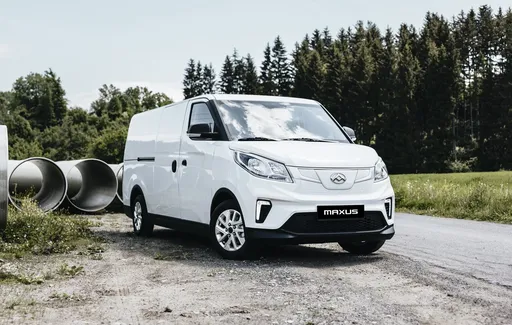
Maxus Deliver 3
Lexus ES
Maxus Deliver 3
Costs and Consumption
View detailed analysis
View detailed analysis
Engine and Performance
View detailed analysis
View detailed analysis
Dimensions and Body
View detailed analysis
View detailed analysis
Lexus ES
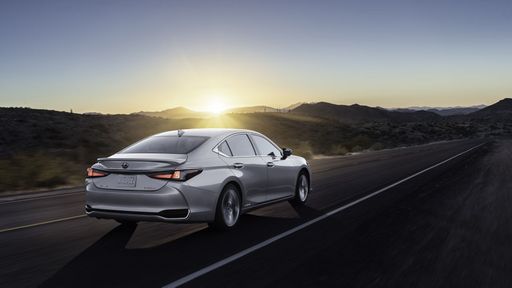
The Lexus ES delivers a supremely comfortable, quietly luxurious experience that favors serene cruising over sporting theatrics. It wraps everyday practicality, top-notch build quality and unimpeachable reliability in a handsome, grown-up package that will appeal to buyers who prize calm refinement over headline-grabbing excitement.
details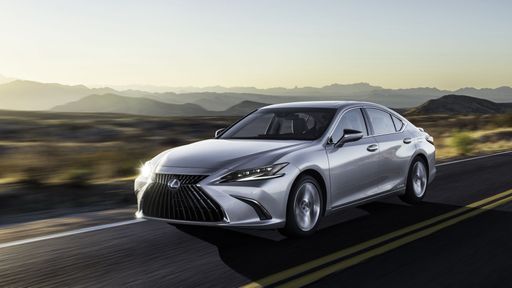

Maxus Deliver 3
The Maxus Deliver 3 arrives as a sensible, modern workhorse that swaps diesel grime for electric smoothness, offering a roomy cargo bay and a tidy, driver-friendly cabin that makes daily runs feel less like a chore. For small businesses and urban couriers it’s a pragmatic, cost-conscious choice that’s easy to live with — and yes, it even makes parking and tight city turns feel almost enjoyable.
details
Lexus ES
Maxus Deliver 3
Costs and Consumption |
|
|---|---|
|
Price
46,600 - 59,300 £
|
Price
33,600 £
|
|
Consumption L/100km
5.1 L/100km
|
Consumption L/100km
-
|
|
Consumption kWh/100km
-
|
Consumption kWh/100km
20.2 kWh/100km
|
|
Electric Range
-
|
Electric Range
269 km
|
|
Battery Capacity
-
|
Battery Capacity
-
|
|
co2
115 g/km
|
co2
0 g/km
|
|
Fuel tank capacity
50 L
|
Fuel tank capacity
-
|
Dimensions and Body |
|
|---|---|
|
Body Type
Sedan
|
Body Type
Cargo Van
|
|
Seats
5
|
Seats
2
|
|
Doors
4
|
Doors
-
|
|
Curb weight
1,680 kg
|
Curb weight
1,690 kg
|
|
Trunk capacity
454 L
|
Trunk capacity
-
|
|
Length
4,975 mm
|
Length
-
|
|
Width
1,865 mm
|
Width
1,780 mm
|
|
Height
1,445 mm
|
Height
-
|
|
Max trunk capacity
-
|
Max trunk capacity
-
|
|
Payload
470 kg
|
Payload
970 kg
|
Engine and Performance |
|
|---|---|
|
Engine Type
Full Hybrid
|
Engine Type
Electric
|
|
Transmission
Automatic
|
Transmission
Automatic
|
|
Transmission Detail
CVT
|
Transmission Detail
Reduction Gearbox
|
|
Drive Type
Front-Wheel Drive
|
Drive Type
Front-Wheel Drive
|
|
Power HP
218 HP
|
Power HP
160 HP
|
|
Acceleration 0-100km/h
8.9 s
|
Acceleration 0-100km/h
8.9 s
|
|
Max Speed
180 km/h
|
Max Speed
-
|
|
Torque
-
|
Torque
225 Nm
|
|
Number of Cylinders
4
|
Number of Cylinders
-
|
|
Power kW
160 kW
|
Power kW
118 kW
|
|
Engine capacity
2,487 cm3
|
Engine capacity
-
|
General |
|
|---|---|
|
Model Year
2024
|
Model Year
2023
|
|
CO2 Efficiency Class
C
|
CO2 Efficiency Class
A
|
|
Brand
Lexus
|
Brand
Maxus
|
DriveDuel uses data analysis and artificial intelligence to evaluate vehicle data and create content. Content is regularly reviewed and improved.
The displayed prices are estimates based on German list prices, adjusted to the respective country’s VAT. Country-specific registration taxes are not included. This information is not legally binding.