VS

Maxus Deliver 9 vs Ford Transit Transporter comparison

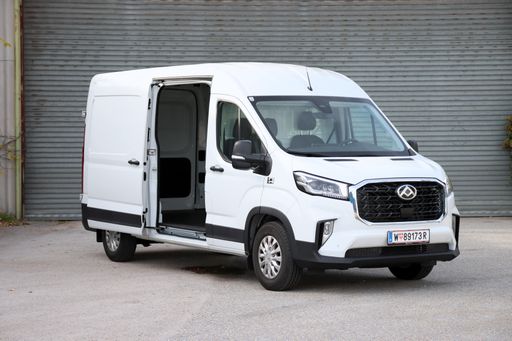
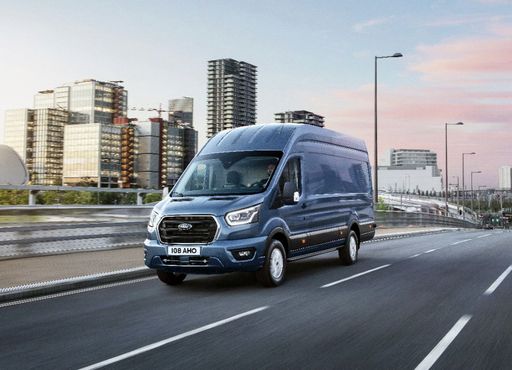
Compare performance (204 HP vs 269 HP), boot space and price (38,700 £ vs 67,300 £ ) at a glance. Find out which car is the better choice for you – Maxus Deliver 9 or Ford Transit Transporter?

Maxus Deliver 9 vs Ford Transit Transporter: Key differences

Maxus Deliver 9

  • clearly cheaper
details

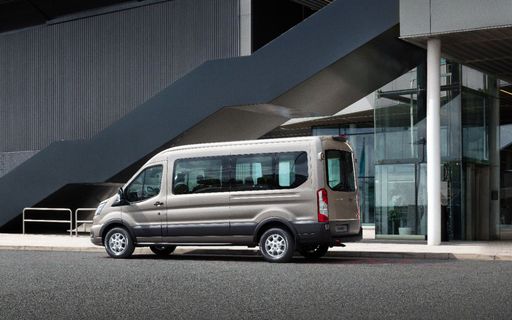
Ford Transit Transporter

  • visibly more power
  • moderately more electric range
details

By Achim Sedelmaier

Deliver 9

Comparative Analysis: Ford Transit Transporter vs. Maxus Deliver 9

The commercial vehicle market is thriving, with van lifelines becoming crucial for businesses and personal use alike. Among the frontrunners are the Ford Transit Transporter and the Maxus Deliver 9. Both vehicles offer versatility, but how do they compare in terms of technical specifications and innovations? Let’s dive in.

Transit Transporter

Powertrains and Performance

The Ford Transit Transporter showcases a diverse lineup with diesel and electric engine options. Its power range extends from 105 HP to a robust 269 HP, coupled with multiple transmission choices, including manual, automatic, and reduction gearboxes. This flexibility makes the Transit adaptable for various payload and driving requirements. The Transit can achieve torque figures from 310 Nm up to 430 Nm, providing solid performance regardless of load.

In contrast, the Maxus Deliver 9 offers two diesel options topping out at 204 HP. The torque rating reaches up to 375 Nm, providing substantial pulling power for heavier loads. The Deliver 9 also features manual and automatic transmissions but lacks the varied gearbox options found in the Transit. Moreover, the acceleration capabilities of the Deliver 9 are impressive, with a 0-100 km/h time of just 18.4 seconds for the more powerful variant, clearly establishing its performance prowess.


Fuel Efficiency and Range

When it comes to fuel economy, the Ford Transit Transporter provides various consumption rates ranging from 7.9 to 10.3 L/100km for diesel engines, with impressive electric consumption figures between 21.3 and 32 kWh/100km. The electric variants boast an electric range of up to 317 km, making them a viable option for urban delivery services.

The Maxus Deliver 9, however, displays a slightly less efficient consumption profile, with figures between 32.1 and 38.4 kWh/100km for its electric engines. Its electric range peaks at 328 km, a notable advantage for businesses focused on reducing their carbon footprint while maximizing driving range.

Dimensions and Payload Capacity

Dimensionally, the Ford Transit is offered in various sizes, with length options ranging from 5,531 to 6,704 mm, providing versatility for different cargo needs. Its maximum payload capacity can reach up to 2,607 kg, catering to substantial load requirements and making it ideal for multi-purpose use.

On the other hand, the Maxus Deliver 9 comes in lengths ranging from 5,546 to 5,940 mm, and its payload capacity tops out at around 1,275 kg. While it falls short of the Transit in terms of maximum payload, it still provides ample space for most commercial applications.

Interior Features and Comfort

Stepping inside both vehicles reveals a focus on driver comfort and functionality. The Ford Transit Transporter can be configured to accommodate up to six seats, offering flexibility for drivers who need to transport personnel along with cargo. Its modern cockpit includes essential technological advancements, such as an intuitive infotainment system and various driver-assistance features.

The Deliver 9 boasts even more passenger space with options for up to seven seats, making it a versatile choice for shuttle-style operations. The interior design emphasizes comfort, with generous headroom and a user-friendly interface that caters to modern connectivity needs.

Technological Innovations

Both vehicles are equipped with cutting-edge technology aimed at improving efficiency and safety. The Ford Transit offers features like advanced driver-assistance systems, including lane-keeping assist and adaptive cruise control, enhancing safety for both the driver and the loads being transported.

Maxus, not to be outdone, includes similar advancements in the Deliver 9. Its suite of safety features includes automatic emergency braking and a rear-view camera. Additionally, the presence of connectivity options ensures that users can stay productive and linked to their operations while on the road.

Conclusion: Which Van Is Right for You?

Choosing between the Ford Transit Transporter and the Maxus Deliver 9 ultimately comes down to specific needs. The Transit excels in powertrain variety and payload capacity, making it a robust choice for heavy-duty commercial applications. Meanwhile, the Deliver 9 appeals to those seeking passenger capacity and competitive electric range, along with advanced technology features.

Regardless of your choice, both vehicles represent strong contenders in the commercial van market, offering reliability, functionality, and modern innovations to meet the demands of today’s businesses. Make your decision based on the unique requirements of your operations, and you can't go wrong with either option.

Here’s where it gets real: The technical differences in detail

Deliver 9

Costs and Efficiency:

When it comes to price and running costs, the biggest differences usually appear. This is often where you see which car fits your budget better in the long run.

Maxus Deliver 9 is clearly cheaper – starting at 38,700 £ , while the Ford Transit Transporter costs 67,300 £ . That’s a price difference of around 28,560 £.

As for electric range, the Ford Transit Transporter offers moderately more range – reaching up to 402 km, about 44 km more than the Maxus Deliver 9.

Transit Transporter

Engine and Performance:

Power, torque and acceleration are the classic benchmarks for car enthusiasts – and here, some clear differences start to show.

When it comes to engine power, the Ford Transit Transporter offers visibly more power – delivering 269 HP compared to 204 HP. That’s roughly 65 HP more horsepower.

There’s also a difference in torque: the Ford Transit Transporter delivers slightly more torque with 430 Nm compared to 375 Nm. That’s about 55 Nm more.

Space and Everyday Use:

Beyond pure performance, interior space and usability matter most in daily life. This is where you see which car is more practical and versatile.

Seats: Maxus Deliver 9 offers more seats – 7 vs 6.

Who wins the race in the data check?

The Maxus Deliver 9 holds a slight edge in the objective data comparison.
This result only shows which model scores more points on paper – not which of the two cars feels right for you.

from £38,700
Deliver 9

Maxus Deliver 9

  • Engine Type : Diesel, Electric
  • Transmission : Manuel, Automatic
  • Drive Type : Front-Wheel Drive
  • Power HP : 148 - 204 HP
  • Consumption L/100km : 8.8 L/100km
  • Consumption kWh/100km : 26.2 - 30.8 kWh/100km
  • Electric Range : 287 - 358 km
Maxus Deliver 9
Ford Transit Transporter

Costs and Consumption

View detailed analysis

Engine and Performance

View detailed analysis

Dimensions and Body

View detailed analysis

Maxus Deliver 9

The Maxus Deliver 9 is a no-nonsense cargo hauler that pairs clever practicality with a surprisingly car-like driving feel, making it a smart choice for urban fleets and weekend DIY warriors. It may not stop traffic for looks, but its roomy, sensible interior and dependable demeanour mean you get work done without the drama.

details

Ford Transit Transporter

The Ford Transit is the no-nonsense workhorse that turns heavy-duty hauling into a surprisingly civilized experience, with a cabin that favors practicality over pretense. It’s the go-to for tradespeople and fleet managers who want reliability, adaptability and low running headaches — not showy gimmicks.

details
Maxus Deliver 9
Ford Transit Transporter

Costs and Consumption

Price
38,700 - 60,200 £
Price
67,300 - 73,000 £
Consumption L/100km
8.8 L/100km
Consumption L/100km
-
Consumption kWh/100km
26.2 - 30.8 kWh/100km
Consumption kWh/100km
-
Electric Range
287 - 358 km
Electric Range
341 - 402 km
Battery Capacity
-
Battery Capacity
-
co2
0 - 231 g/km
co2
0 g/km
Fuel tank capacity
-
Fuel tank capacity
-

Dimensions and Body

Body Type
Cargo Van
Body Type
Cargo Van
Seats
3 - 7
Seats
3 - 6
Doors
-
Doors
-
Curb weight
2,360 - 2,770 kg
Curb weight
-
Trunk capacity
-
Trunk capacity
-
Length
-
Length
-
Width
2,062 mm
Width
2,059 mm
Height
-
Height
-
Max trunk capacity
-
Max trunk capacity
-
Payload
730 - 1,140 kg
Payload
-

Engine and Performance

Engine Type
Diesel, Electric
Engine Type
Electric
Transmission
Manuel, Automatic
Transmission
Automatic
Transmission Detail
Manual Gearbox, Reduction Gearbox
Transmission Detail
Reduction Gearbox
Drive Type
Front-Wheel Drive
Drive Type
Rear-Wheel Drive
Power HP
148 - 204 HP
Power HP
184 - 269 HP
Acceleration 0-100km/h
16 - 19 s
Acceleration 0-100km/h
-
Max Speed
-
Max Speed
-
Torque
330 - 375 Nm
Torque
430 Nm
Number of Cylinders
4
Number of Cylinders
-
Power kW
108 - 150 kW
Power kW
135 - 198 kW
Engine capacity
1,996 cm3
Engine capacity
-

General

Model Year
2,022 - 2,024
Model Year
2024
CO2 Efficiency Class
G, A
CO2 Efficiency Class
A
Brand
Maxus
Brand
Ford
DriveDuel uses data analysis and artificial intelligence to evaluate vehicle data and create content. Content is regularly reviewed and improved. The displayed prices are estimates based on German list prices, adjusted to the respective country’s VAT. Country-specific registration taxes are not included. This information is not legally binding.