
 Deutschland
 France
 Nederland
 Great Britain
 Sverige
 Danmark
 Suomi
Suomi Italia
 Polska
 Česko
Česko España
VS
Mazda MX-5 Roadster vs SsangYong Korando comparison
Compare performance (132 HP vs 190 HP), boot space and price (29,000 £ vs 27,000 £ ) at a glance. Find out which car is the better choice for you – Mazda MX-5 Roadster or SsangYong Korando?
Mazda MX-5 Roadster vs SsangYong Korando: Key differences
MX-5 Roadster
Costs and Efficiency:
When it comes to price and running costs, the biggest differences usually appear. This is often where you see which car fits your budget better in the long run.
SsangYong Korando is only slightly cheaper – starting at 27,000 £ , while the Mazda MX-5 Roadster costs 29,000 £ . That’s a price difference of around 1,971 £.
Fuel consumption also shows a difference: the Mazda MX-5 Roadster uses 6.2 L/100km and is clearly more efficient than the SsangYong Korando with 7.5 L/100km. The difference is about 1.3 L/100km.
Korando
Engine and Performance:
Under the bonnet, it becomes clear which model is tuned for sportiness and which one takes the lead when you hit the accelerator.
When it comes to engine power, the SsangYong Korando offers noticeably more power – delivering 190 HP compared to 132 HP. That’s roughly 58 HP more horsepower.
When accelerating from 0 to 100 km/h, the Mazda MX-5 Roadster is very slightly quicker – completing the sprint in 8.3 s, while the SsangYong Korando takes 8.4 s. That’s about 0.1 s quicker.
There’s also a difference in torque: the SsangYong Korando delivers significantly more torque with 360 Nm compared to 152 Nm. That’s about 208 Nm more.
MX-5 Roadster
Space and Everyday Use:
Whether family car or daily driver – which one offers more room, flexibility and comfort?
Seats: SsangYong Korando offers more seats – 5 vs 2.
In terms of curb weight, Mazda MX-5 Roadster is considerably lighter – 1,078 kg compared to 1,517 kg. The difference is around 439 kg.
Looking at boot space, the SsangYong Korando offers clearly more boot space – 551 L compared to 130 L. That’s a difference of about 421 L.
When it comes to payload, the SsangYong Korando carries considerably more – 463 kg compared to 152 kg. That’s a difference of about 311 kg.
Who wins the race in the data check?
The SsangYong Korando is far ahead overall in the objective data comparison.
This result only shows which model scores more points on paper – not which of the two cars feels right for you.
from £27,000
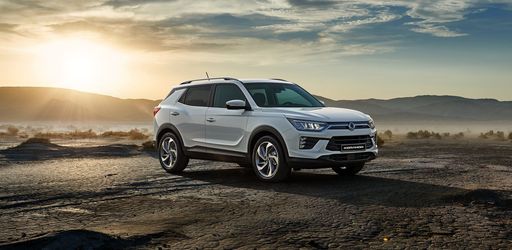
SsangYong Korando
Mazda MX-5 Roadster
SsangYong Korando
Costs and Consumption
View detailed analysis
View detailed analysis
Engine and Performance
View detailed analysis
View detailed analysis
Dimensions and Body
View detailed analysis
View detailed analysis
Mazda MX-5 Roadster
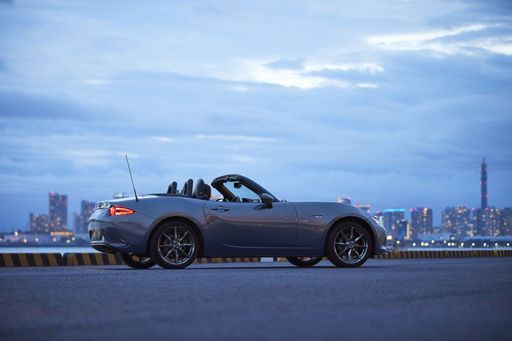
The Mazda MX-5 is a featherweight, open-top sports car that turns ordinary roads into a grin-inducing playground thanks to razor-sharp steering and an engaging, tactile gearbox. It won’t swallow the weekly shopping or ski bags, but for anyone after pure driving fun and sun-on-your-face weekends, few cars match its sheer charm and value.
details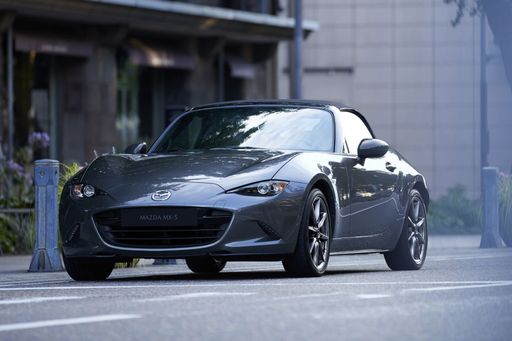

SsangYong Korando
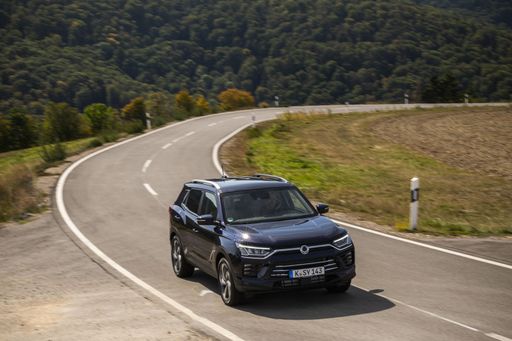
The SsangYong Korando pairs bold, modern styling with a surprisingly roomy and practical cabin, so it looks confident at the lights and handles the daily grind without fuss. It swaps flashy badges for honest value, offering a composed ride, useful equipment and wallet-friendly running that make it an appealing pick for buyers who'd rather spend on weekends than on extravagant finance packages.
details
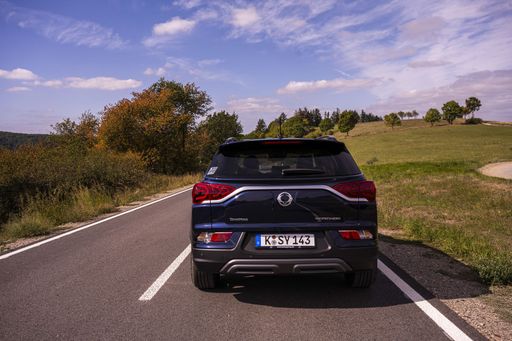
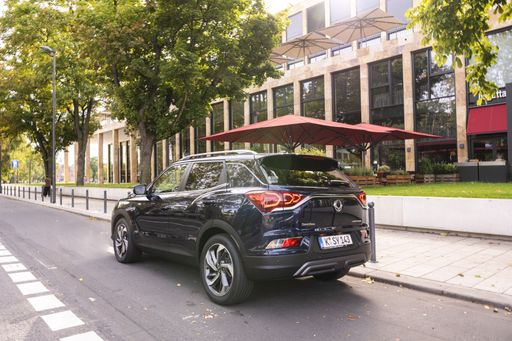
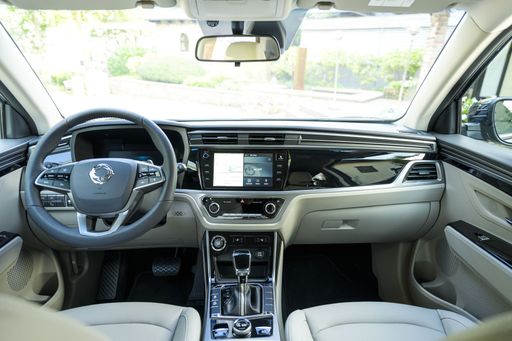
Mazda MX-5 Roadster
SsangYong Korando
Costs and Consumption |
|
|---|---|
|
Price
29,000 - 34,300 £
|
Price
27,000 - 42,000 £
|
|
Consumption L/100km
6.2 L/100km
|
Consumption L/100km
7.5 - 8.6 L/100km
|
|
Consumption kWh/100km
-
|
Consumption kWh/100km
16.8 kWh/100km
|
|
Electric Range
-
|
Electric Range
339 km
|
|
Battery Capacity
-
|
Battery Capacity
-
|
|
co2
140 g/km
|
co2
0 - 197 g/km
|
|
Fuel tank capacity
-
|
Fuel tank capacity
50 L
|
Dimensions and Body |
|
|---|---|
|
Body Type
Roadster
|
Body Type
SUV
|
|
Seats
2
|
Seats
5
|
|
Doors
-
|
Doors
5
|
|
Curb weight
1,078 kg
|
Curb weight
1,517 - 1,840 kg
|
|
Trunk capacity
130 L
|
Trunk capacity
551 L
|
|
Length
-
|
Length
4,450 - 4,465 mm
|
|
Width
1,735 mm
|
Width
1,870 mm
|
|
Height
-
|
Height
1,620 - 1,645 mm
|
|
Max trunk capacity
-
|
Max trunk capacity
1,248 L
|
|
Payload
152 kg
|
Payload
410 - 463 kg
|
Engine and Performance |
|
|---|---|
|
Engine Type
Petrol
|
Engine Type
Petrol, Electric
|
|
Transmission
Manuel
|
Transmission
Manuel, Automatic
|
|
Transmission Detail
Manual Gearbox
|
Transmission Detail
Manual Gearbox, Automatic Gearbox, Reduction Gearbox
|
|
Drive Type
Rear-Wheel Drive
|
Drive Type
Front-Wheel Drive, All-Wheel Drive
|
|
Power HP
132 HP
|
Power HP
163 - 190 HP
|
|
Acceleration 0-100km/h
8.3 s
|
Acceleration 0-100km/h
8.4 s
|
|
Max Speed
-
|
Max Speed
156 - 191 km/h
|
|
Torque
152 Nm
|
Torque
260 - 360 Nm
|
|
Number of Cylinders
4
|
Number of Cylinders
4
|
|
Power kW
97 kW
|
Power kW
120 - 140 kW
|
|
Engine capacity
1,496 cm3
|
Engine capacity
1,497 cm3
|
General |
|
|---|---|
|
Model Year
2025
|
Model Year
2,021 - 2,023
|
|
CO2 Efficiency Class
E
|
CO2 Efficiency Class
F, G, A
|
|
Brand
Mazda
|
Brand
SsangYong
|
DriveDuel uses data analysis and artificial intelligence to evaluate vehicle data and create content. Content is regularly reviewed and improved.
The displayed prices are estimates based on German list prices, adjusted to the respective country’s VAT. Country-specific registration taxes are not included. This information is not legally binding.