VS

Mercedes C-Class EQ vs Mercedes GLC EQ comparison

Compare performance (489 HP vs 489 HP), boot space and price (58,000 £ vs 61,100 £ ) at a glance. Find out which car is the better choice for you – Mercedes C-Class EQ or Mercedes GLC EQ?

Mercedes C-Class EQ vs Mercedes GLC EQ: Key differences

Mercedes C-Class EQ

  • barely cheaper
  • barely more efficient
  • very slightly more electric range
  • barely quicker 0–100 km/h
  • marginally lighter
details

Mercedes GLC EQ

4.7 (3 Reviews)
rate
  • a bit more trunk space
details

All details on performance, efficiency, range and trunk space can be found in the technical comparison below – including user reviews for both models.

By Achim Sedelmaier

C-Class EQ

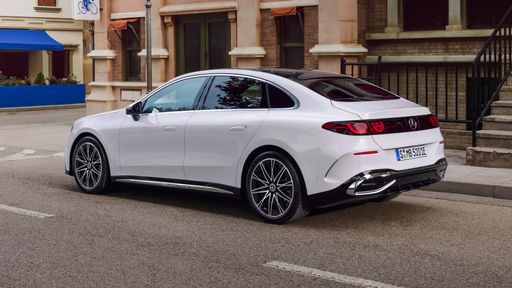
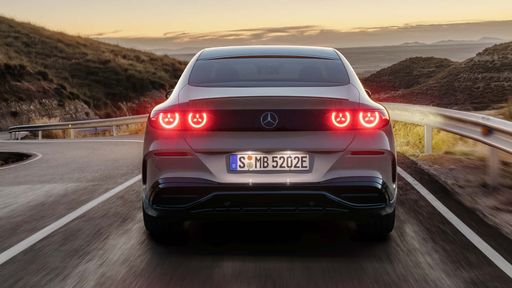
Mercedes C Class EQ VS Mercedes GLC EQ: sedan poise meets SUV space

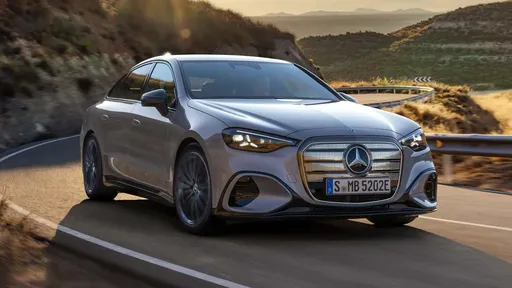
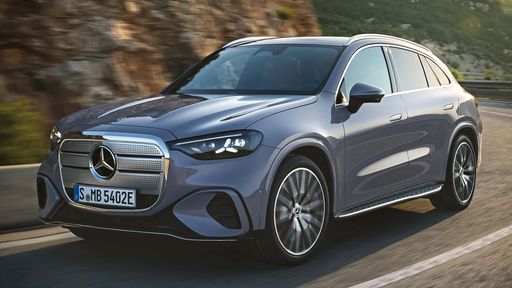
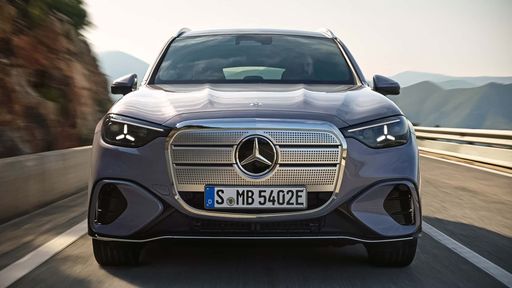
The Mercedes C Class EQ and Mercedes GLC EQ target the same premium EV buyer from different angles: sleek electric sedan versus roomy electric SUV. The C Class EQ feels like a scaled‑down luxury limo with a calm, businesslike character, while the GLC EQ leans into a more relaxed, elevated cruising style. Both are exceptionally quiet and brim with tech, but they deliver that experience in notably different packages. This comparison focuses on how those differences show up in day‑to‑day life, long trips, and family duty so you can pick the one that fits how you actually drive.
GLC EQ

Comfort and long‑distance ease

The C Class EQ majors on serenity, gliding along with a tightly controlled, “small S‑Class” feel that takes the sting out of rough surfaces without becoming floaty. The GLC EQ rides with a plush, wafty character that suits relaxed touring; switch to its firmer setting and it tidies body movements on undulating motorways. Both gulp down rapid‑charging stops, but the C Class EQ tends to be a touch more efficient, so it stretches stints a bit further before you need to plug in. If your ideal trip is calm, precise and unflustered, the C Class EQ edges it; if you prefer a lounge‑like, high‑seating waft, the GLC EQ is the more soothing companion.

C-Class EQ

Space, access and everyday practicality

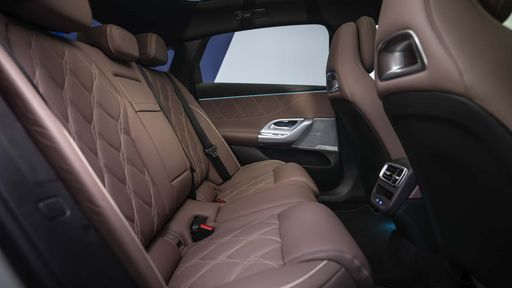
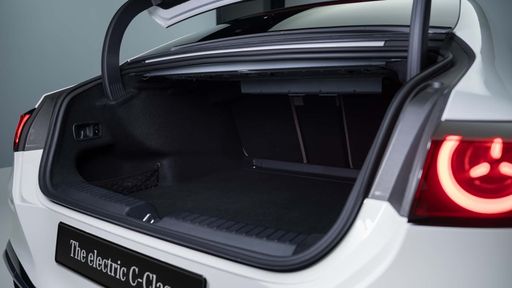
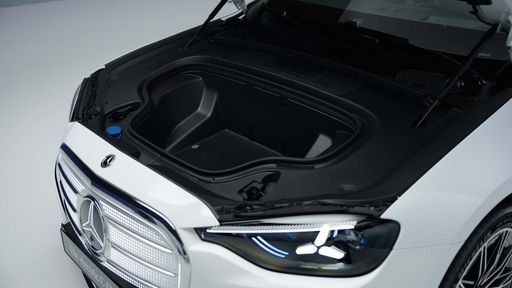
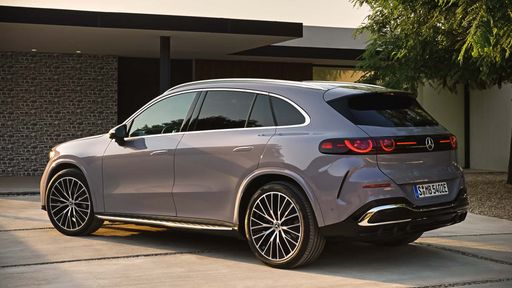
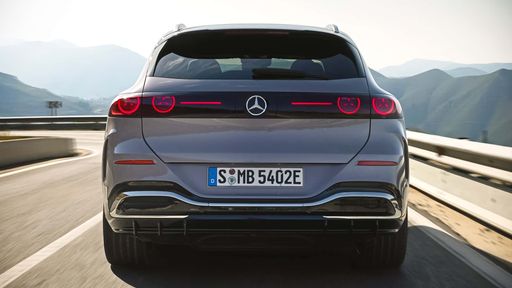
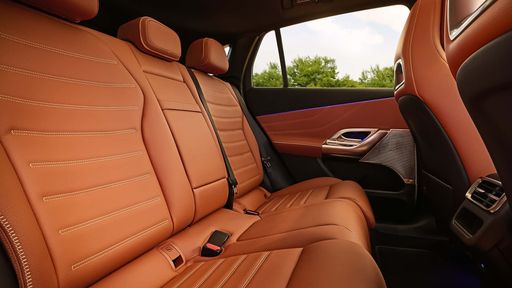
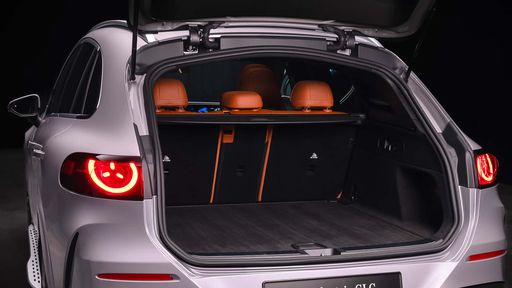
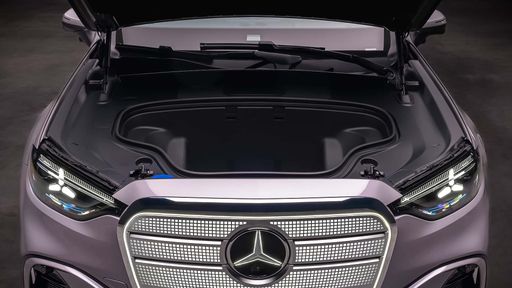
The GLC EQ is the clear choice when people and luggage take priority: easier rear entry, generous back‑seat room, and a squarer cargo area that swallows bulky items with less Tetris. Its hatch opening and split‑folding rear bench make family life and DIY runs straightforward, though the loading lip sits a bit higher. The C Class EQ counters with a useful two‑compartment approach (saloon boot plus a front bay for cables), but the sedan opening and tighter rear doorway are less pet‑ and stroller‑friendly. If you regularly carry kids, bikes or a dog, the GLC EQ’s shape simply works harder; the C Class EQ suits travellers with cases and briefcases more than pushchairs.

GLC EQ

Driving character and confidence

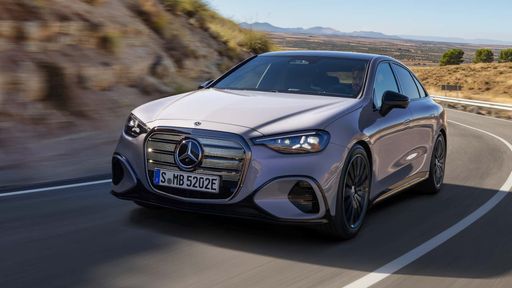
On a winding road, the C Class EQ feels neater and more tied down, with a lower stance that encourages smooth, confident pacing rather than SUV‑like lean. The GLC EQ prefers composure over excitement: plenty of shove for easy overtakes, superb stability, and an emphasis on calm over cornering fizz. Rear‑axle steering helps both cars shrink in tight turns; in the C Class EQ it adds an agile edge, in the GLC EQ it masks bulk and boosts stability. If you enjoy a car that seems to anticipate your inputs, the sedan has the sweeter rhythm; if you want unfussy, planted progress from a higher perch, the SUV nails that brief.

C-Class EQ

Cabin feel, tech and usability

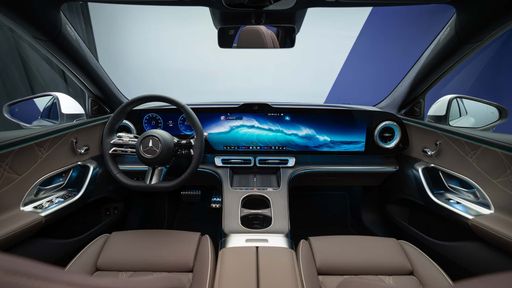
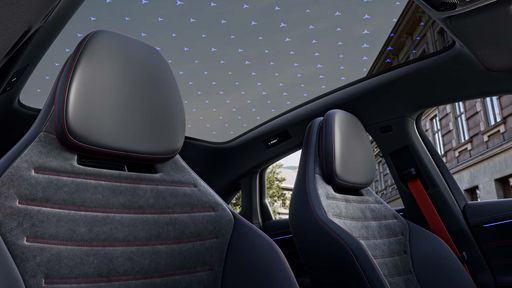
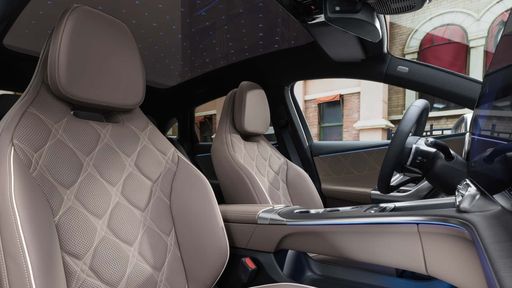
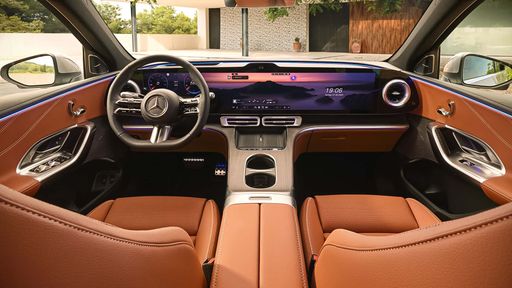
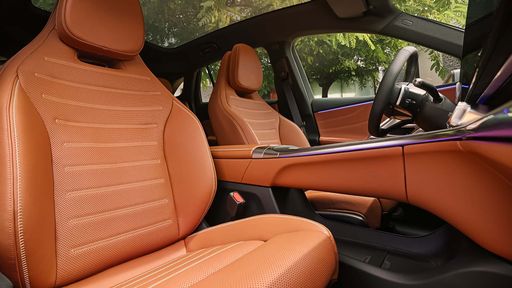
Inside, the C Class EQ plays the refined, minimalist card: crisp screens, improved steering‑wheel controls and materials that read as quietly expensive. The GLC EQ feels airier and more theatrical, with the same high‑end infotainment brought to life in a roomier, upright space. Assistance features and augmented navigation are excellent in both, though the SUV’s sheer feature count can feel a bit busy until you tailor the menus. Seat comfort skews differently too: the C Class EQ’s posture suits long commutes, while the GLC EQ’s higher chairs are great for view and access but are best in their upgraded spec on long days.

GLC EQ

City manners, costs and who should buy which

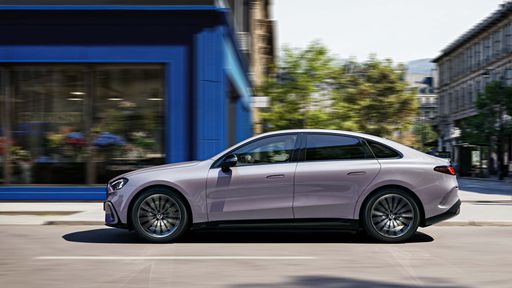
Threading through town, the C Class EQ is the easier fit thanks to its lower roofline and smaller footprint; parking aids and rear‑steer make it stress‑light. The GLC EQ gives you that commanding view and superb automated parking, yet its width and taller tailgate are more noticeable in tight multi‑storeys. Expect the C Class EQ to be kinder on energy use and to start at a slightly lower price point like‑for‑like, while the GLC EQ asks more but returns the favour with space and flexibility. In short, business travellers and tech‑savvy commuters will feel instantly at home in the C Class EQ, whereas family haulers and weekend gear carriers should gravitate to the GLC EQ—see the specs that follow to pinpoint which strengths matter most to you.

Here’s where it gets real: The technical differences in detail

C-Class EQ

Costs and Efficiency:

Price and efficiency are key factors when choosing a car – and this is often where the real differences emerge.

Mercedes C-Class EQ is barely cheaper – starting at 58,000 £ , while the Mercedes GLC EQ costs 61,100 £ . That’s a price difference of around 3,060 £.

In terms of energy consumption, the Mercedes C-Class EQ is barely more efficient: consuming 14.3 kWh/100km compared to 14.9 kWh/100km for the Mercedes GLC EQ. That’s a difference of about 0.6 kWh/100km.

As for electric range, the Mercedes C-Class EQ offers very slightly more range – reaching up to 753 km, about 39 km more than the Mercedes GLC EQ.

GLC EQ

Engine and Performance:

Under the bonnet, it becomes clear which model is tuned for sportiness and which one takes the lead when you hit the accelerator.

Both models deliver identical power – 489 HP each.

When accelerating from 0 to 100 km/h, the Mercedes C-Class EQ is barely quicker – completing the sprint in 4 s, while the Mercedes GLC EQ takes 4.3 s. That’s about 0.3 s quicker.

Both models offer the same torque – 800 Nm.

C-Class EQ

Space and Everyday Use:

Cabin size, boot volume and payload all play a role in everyday practicality. Here, comfort and flexibility make the difference.

Both vehicles offer seating for 5 people.

In terms of curb weight, Mercedes C-Class EQ is marginally lighter – 2,460 kg compared to 2,535 kg. The difference is around 75 kg.

Looking at boot space, the Mercedes GLC EQ offers a bit more boot space – 570 L compared to 470 L. That’s a difference of about 100 L.

Maximum payload is identical – both can carry up to 505 kg.

Who wins the race in the data check?

The Mercedes C-Class EQ sits just ahead overall in the objective data comparison.
This result only shows which model scores more points on paper – not which of the two cars feels right for you.

from £58,000
C-Class EQ

Mercedes C-Class EQ

  • Engine Type Electric
  • Transmission Automatic
  • Drive Type All-Wheel Drive
  • Power HP 489 HP
  • Consumption kWh/100km 14.3 - 15.6 kWh/100km
  • Electric Range 706 - 753 km
Mercedes C-Class EQ
Mercedes GLC EQ

Costs and Consumption

View detailed analysis

Engine and Performance

View detailed analysis

Dimensions and Body

View detailed analysis

Mercedes C-Class EQ

The Mercedes C‑Class EQ blends the familiar poise and luxury of the C‑Class with Mercedes' EQ electric ethos, delivering a quietly refined and modern driving experience. Inside, it pairs upscale materials and tech-forward touches with a composed ride that suits both city commuting and longer journeys.

details

Mercedes GLC EQ

The Mercedes GLC EQ brings an electrified touch to Mercedes’ compact luxury SUV line, combining a quiet, refined ride with the comfort and polish you expect from the brand. It’s a smart choice for buyers who want premium materials and everyday practicality while reducing fuel use, though it leans more toward comfort than sporty handling.

details
Mercedes C-Class EQ
Mercedes GLC EQ

Costs and Consumption

Price
58,000 - 67,600 £
Price
61,100 - 70,600 £
Consumption L/100km
-
Consumption L/100km
-
Consumption kWh/100km
14.3 - 15.6 kWh/100km
Consumption kWh/100km
14.9 - 16.6 kWh/100km
Electric Range
706 - 753 km
Electric Range
645 - 714 km
Battery Capacity
-
Battery Capacity
-
co2
0 g/km
co2
0 g/km
Fuel tank capacity
-
Fuel tank capacity
-

Dimensions and Body

Body Type
Sedan
Body Type
SUV
Seats
5
Seats
5
Doors
-
Doors
-
Curb weight
2,460 kg
Curb weight
2,535 kg
Trunk capacity
470 L
Trunk capacity
570 L
Length
-
Length
-
Width
1,892 mm
Width
1,913 mm
Height
-
Height
-
Max trunk capacity
-
Max trunk capacity
-
Payload
505 kg
Payload
505 kg

Engine and Performance

Engine Type
Electric
Engine Type
Electric
Transmission
Automatic
Transmission
Automatic
Transmission Detail
Reduction Gearbox
Transmission Detail
Reduction Gearbox
Drive Type
All-Wheel Drive
Drive Type
All-Wheel Drive
Power HP
489 HP
Power HP
489 HP
Acceleration 0-100km/h
4 s
Acceleration 0-100km/h
4.3 s
Max Speed
-
Max Speed
-
Torque
800 Nm
Torque
800 Nm
Number of Cylinders
-
Number of Cylinders
-
Power kW
360 kW
Power kW
360 kW
Engine capacity
-
Engine capacity
-

General

Model Year
2026
Model Year
2026
CO2 Efficiency Class
A
CO2 Efficiency Class
A
Brand
Mercedes-Benz
Brand
Mercedes-Benz
DriveDuel uses data analysis and artificial intelligence to evaluate vehicle data and create content. Content is regularly reviewed and improved. The displayed prices are estimates based on German list prices, adjusted to the respective country’s VAT. Country-specific registration taxes are not included. This information is not legally binding.