VS

Land Rover Range Rover vs Mercedes GLC EQ comparison

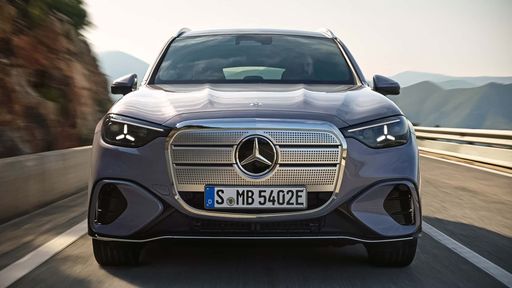
Compare performance (615 HP vs 489 HP), boot space and price (122,700 £ vs 61,100 £ ) at a glance. Find out which car is the better choice for you – Land Rover Range Rover or Mercedes GLC EQ?

Land Rover Range Rover vs Mercedes GLC EQ: Key differences

Land Rover Range Rover

  • noticeably more power
  • marginally lighter
  • clearly more trunk space
details

Mercedes GLC EQ

  • significantly cheaper
  • clearly more electric range
  • barely quicker 0–100 km/h
details

By Achim Sedelmaier

Range Rover

Land Rover Range Rover vs Mercedes GLC EQ: two luxury SUVs, two very different answers

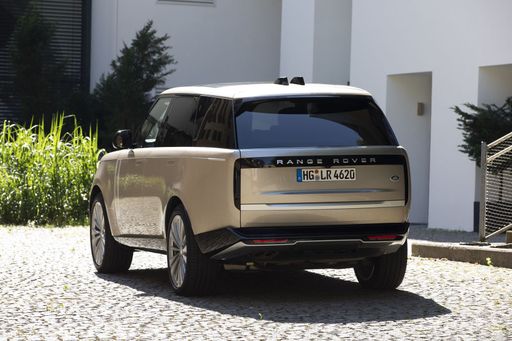
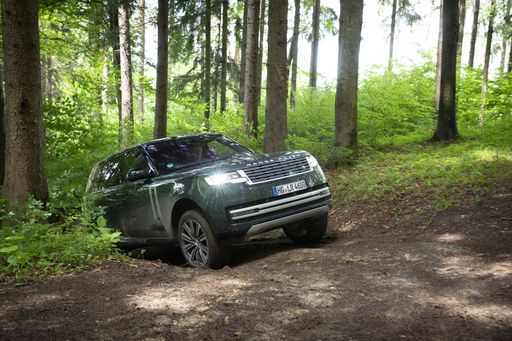
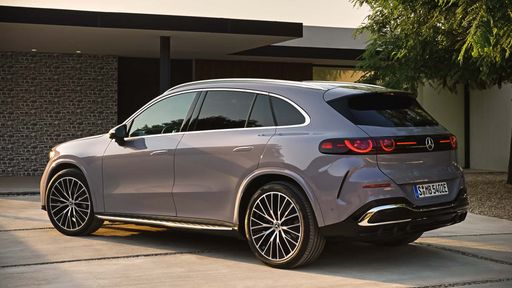
In this Land Rover Range Rover VS Mercedes GLC EQ face‑off, you’re choosing between a traditional flagship SUV and a cutting‑edge electric alternative. The Land Rover Range Rover plays the stately lounge on wheels, built for serene progress and big‑occasion presence. The Mercedes GLC EQ is the tech‑heavy EV that brings silence, slick assistance systems and far lower day‑to‑day running fuss. Both travel quietly and comfortably, but they serve different lifestyles and budgets. The rest is about which set of compromises suits your roads, routines and priorities.
GLC EQ

Driving character: wafting royalty or silent surge

The Land Rover Range Rover majors on calm authority: a lofty seating position, pillowy ride and an ability to make rough tarmac feel irrelevant. It doesn’t chase cornering thrills, it dissolves journeys, and that’s very much the appeal. The Mercedes GLC EQ is also hushed and quick to respond, but its comfort mode can feel a touch floaty on undulating motorways, with the sportier setting tightening things up. The Range Rover’s focus remains unflustered isolation, while the GLC EQ leans into effortless electric shove and slick stability aids. If you want the most cosseting glide, the Land Rover Range Rover still feels like the softer armchair; if you value electric immediacy and confident control, the Mercedes GLC EQ delivers it without drama.

Range Rover

City manners: big‑car grace vs EV ease

The Land Rover Range Rover is surprisingly manageable for its size thanks to cameras and rear‑steer help, but its width and high step‑in are constant reminders in tight streets and car parks. You sit commandingly, see well and feel in charge, yet threading it through older city centers remains a measured exercise. The Mercedes GLC EQ’s smaller footprint, rear‑axle steering and excellent auto‑parking take the edge off urban stress. It’s simply the easier car to place and live with if your daily routine includes multi‑storeys, narrow lanes and frequent parallel parks. If your postcode is dense and space is tight, the Mercedes GLC EQ feels purpose‑built; if you can give it room, the Range Rover brings the view and presence few city cars can match.

GLC EQ

Cabin feel and tech: calming minimalism or high‑tech theater

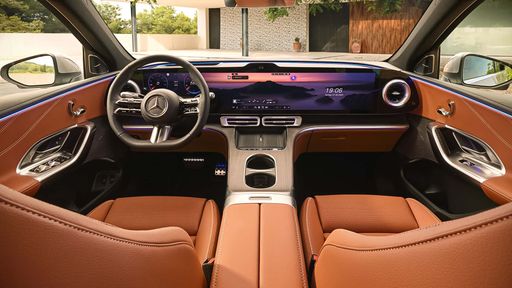
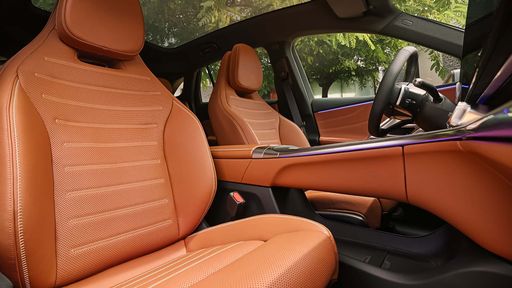
Inside the Land Rover Range Rover, the design is soothing and restrained, with rich materials and a lounge‑like hush; the trade‑off is a touch‑heavy interface that can demand attention on the move. Everything is curated to reduce stress, and when you’re not prodding screens, it genuinely works. Step into the Mercedes GLC EQ and the mood flips to a tech showcase: vivid displays, AR navigation and deeply integrated assistance that can park and guide with impressive confidence. It feels more digital and more feature‑dense, which is brilliant if you enjoy the tools and a bit much if you prefer fewer layers and more knobs. In short, Range Rover equals spa‑day serenity; GLC EQ equals gadget‑lover’s control room.

Range Rover

Practicality: seven‑seat muscle vs smart five‑seat packaging

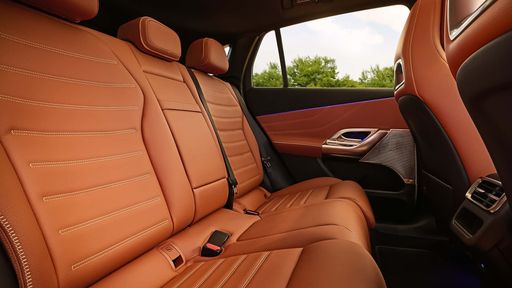
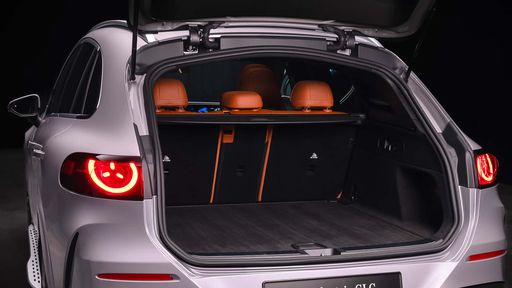
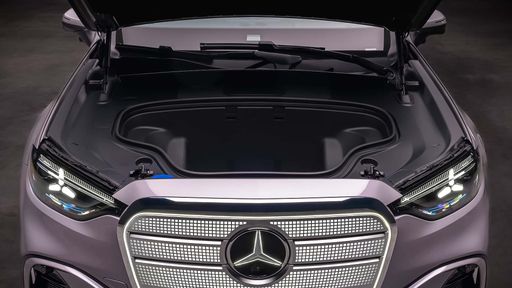
The Land Rover Range Rover offers vast second‑row space, an available third row and a clever split tailgate that doubles as a perch or loading shelf. Its cargo area swallows bulky kit with ease, and the cabin’s sheer roominess flatters family life on long trips. The Mercedes GLC EQ sticks to five seats but counters with a big, usable boot and a handy front trunk for cables and overflow, keeping the main load bay tidy. Its rear bench folds neatly and the flat floor makes child seats and tall passengers simpler to accommodate. Big families and bulky cargo suit the Range Rover; organized everyday family duty with neat storage solutions favors the Mercedes GLC EQ.

GLC EQ

Costs, charging and long‑distance rhythm

The Mercedes GLC EQ undercuts the Range Rover decisively to buy and, as a full EV, keeps everyday energy and tax costs in check while offering ultra‑quick DC top‑ups that shrink road‑trip pauses. The Land Rover Range Rover sits in rarified pricing territory, but it pays back with exceptional long‑distance comfort and the option to glide electrically on short commutes if you pick the PHEV, while staying flexible for big tours. For company‑car drivers or homeowners with easy charging, the Mercedes GLC EQ’s low‑effort electric routine is compelling. For chauffeured calm, vast space and that singular luxury ambiance, the Range Rover makes a case few SUVs can touch. Keep those contrasts in mind as you dive into the technical comparison to see which strengths align most closely with your life.

Here’s where it gets real: The technical differences in detail

Range Rover

Costs and Efficiency:

Looking at overall running costs, both models reveal some interesting differences in everyday economy.

Mercedes GLC EQ is significantly cheaper – starting at 61,100 £ , while the Land Rover Range Rover costs 122,700 £ . That’s a price difference of around 61,644 £.

As for electric range, the Mercedes GLC EQ offers clearly more range – reaching up to 714 km, about 597 km more than the Land Rover Range Rover.

GLC EQ

Engine and Performance:

Power, torque and acceleration are the classic benchmarks for car enthusiasts – and here, some clear differences start to show.

When it comes to engine power, the Land Rover Range Rover offers noticeably more power – delivering 615 HP compared to 489 HP. That’s roughly 126 HP more horsepower.

When accelerating from 0 to 100 km/h, the Mercedes GLC EQ is barely quicker – completing the sprint in 4.3 s, while the Land Rover Range Rover takes 4.5 s. That’s about 0.2 s quicker.

Both models offer the same torque – 800 Nm.

Range Rover

Space and Everyday Use:

Whether family car or daily driver – which one offers more room, flexibility and comfort?

Seats: Land Rover Range Rover offers more seats – 7 vs 5.

In terms of curb weight, Land Rover Range Rover is marginally lighter – 2,504 kg compared to 2,535 kg. The difference is around 31 kg.

Looking at boot space, the Land Rover Range Rover offers clearly more boot space – 818 L compared to 570 L. That’s a difference of about 248 L.

When it comes to payload, the Land Rover Range Rover carries significantly more – 846 kg compared to 505 kg. That’s a difference of about 341 kg.

Who wins the race in the data check?

The Mercedes GLC EQ is clearly superior overall in the objective data comparison.
This result only shows which model scores more points on paper – not which of the two cars feels right for you.

from £61,100
GLC EQ

Mercedes GLC EQ

  • Engine Type : Electric
  • Transmission : Automatic
  • Drive Type : All-Wheel Drive
  • Power HP : 489 HP
  • Consumption kWh/100km : 14.9 - 16.6 kWh/100km
  • Electric Range : 645 - 714 km
Land Rover Range Rover
Mercedes GLC EQ

Costs and Consumption

View detailed analysis

Engine and Performance

View detailed analysis

Dimensions and Body

View detailed analysis

Land Rover Range Rover

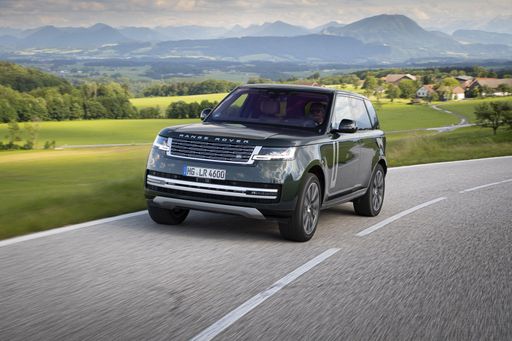
The Range Rover wraps unabashed luxury and genuine off-road capability into a silhouette that still manages to look effortlessly elegant whether parked outside a city hotel or splashing through a muddy trail. Inside, it’s a cocoon of soft leathers, refined materials and serene ride quality that makes long journeys feel like private-jet comfort — ideal for buyers who want a plush cruiser that can also go where lesser SUVs won’t.

details

Mercedes GLC EQ

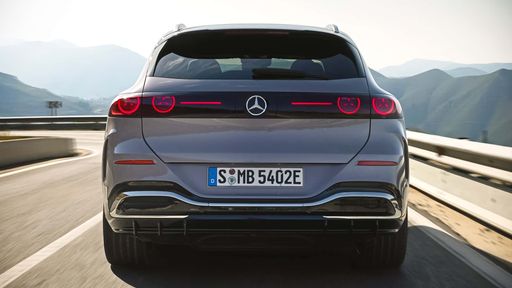
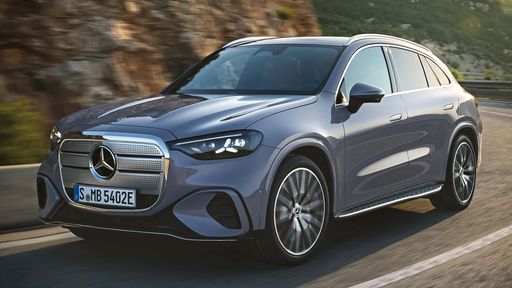
The Mercedes GLC EQ brings an electrified touch to Mercedes’ compact luxury SUV line, combining a quiet, refined ride with the comfort and polish you expect from the brand. It’s a smart choice for buyers who want premium materials and everyday practicality while reducing fuel use, though it leans more toward comfort than sporty handling.

details
Land Rover Range Rover
Mercedes GLC EQ

Costs and Consumption

Price
122,700 - 244,700 £
Price
61,100 - 70,600 £
Consumption L/100km
2.7 - 11.7 L/100km
Consumption L/100km
-
Consumption kWh/100km
-
Consumption kWh/100km
14.9 - 16.6 kWh/100km
Electric Range
116 - 117 km
Electric Range
645 - 714 km
Battery Capacity
-
Battery Capacity
-
co2
62 - 265 g/km
co2
0 g/km
Fuel tank capacity
-
Fuel tank capacity
-

Dimensions and Body

Body Type
Off-Roader
Body Type
SUV
Seats
5 - 7
Seats
5
Doors
-
Doors
-
Curb weight
2,504 - 2,810 kg
Curb weight
2,535 kg
Trunk capacity
212 - 818 L
Trunk capacity
570 L
Length
-
Length
-
Width
2,047 mm
Width
1,913 mm
Height
-
Height
-
Max trunk capacity
-
Max trunk capacity
-
Payload
589 - 846 kg
Payload
505 kg

Engine and Performance

Engine Type
Plugin Hybrid, Petrol MHEV, Diesel MHEV
Engine Type
Electric
Transmission
Automatic
Transmission
Automatic
Transmission Detail
Automatic Gearbox
Transmission Detail
Reduction Gearbox
Drive Type
All-Wheel Drive
Drive Type
All-Wheel Drive
Power HP
300 - 615 HP
Power HP
489 HP
Acceleration 0-100km/h
4.5 - 6.6 s
Acceleration 0-100km/h
4.3 s
Max Speed
-
Max Speed
-
Torque
650 - 800 Nm
Torque
800 Nm
Number of Cylinders
6 - 8
Number of Cylinders
-
Power kW
221 - 452 kW
Power kW
360 kW
Engine capacity
2,997 - 4,395 cm3
Engine capacity
-

General

Model Year
2025
Model Year
2026
CO2 Efficiency Class
B, G
CO2 Efficiency Class
A
Brand
Land Rover
Brand
Mercedes-Benz
DriveDuel uses data analysis and artificial intelligence to evaluate vehicle data and create content. Content is regularly reviewed and improved. The displayed prices are estimates based on German list prices, adjusted to the respective country’s VAT. Country-specific registration taxes are not included. This information is not legally binding.