VS

Omoda 9 vs Lynk & Co 08 comparison

Compare performance (537 HP vs 350 HP), boot space and price (45,300 £ vs 48,000 £ ) at a glance. Find out which car is the better choice for you – Omoda 9 or Lynk & Co 08?

Omoda 9 vs Lynk & Co 08: Key differences

Omoda 9

5 (1 Reviews)
rate
  • only slightly cheaper
  • clearly more power
  • clearly quicker 0–100 km/h
details

Lynk & Co 08

4.7 (3 Reviews)
rate
  • significantly more efficient
  • markedly more electric range
  • marginally lighter
  • slightly more trunk space
details

All details on performance, efficiency, range and trunk space can be found in the technical comparison below – including user reviews for both models.

By Achim Sedelmaier

9

Quick take: Lynk & Co 08 vs Omoda 9 — two different answers to the PHEV‑SUV question

Lynk & Co 08 and Omoda 9 are both plug‑in hybrid SUVs but they aim at different priorities: the Lynk & Co 08 pushes electric‑first efficiency and refinement, while the Omoda 9 packages generous equipment and rear‑seat comfort for less money. The Lynk & Co 08 feels engineered around long electric commutes and motorway serenity, whereas the Omoda 9 wants to impress with spec sheets and usable space. That means buyers choosing the Lynk & Co 08 will notice quieter high‑speed manners and longer EV runs, while Omoda 9 buyers get more kit and a roomier rear for passengers. In everyday terms this matchup is less about which is objectively better and more about whether you value silent, efficient cruising or turnkey family comfort at a sharper price.
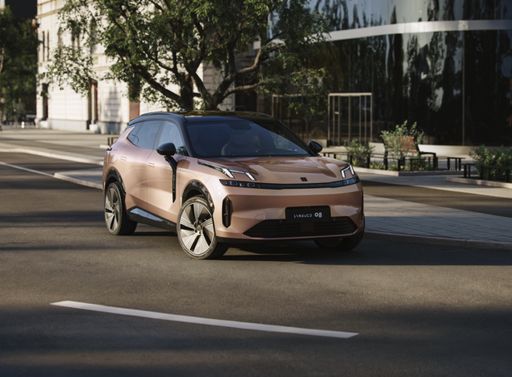
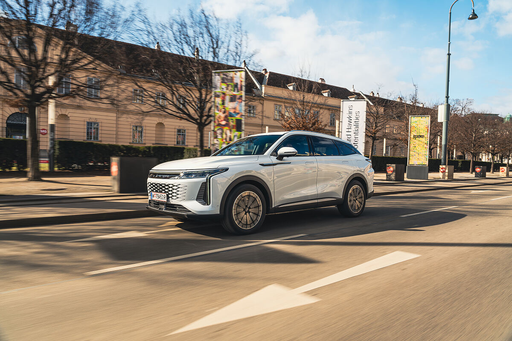
08

Driving character and on‑road behavior

The Lynk & Co 08 presents itself as a calm, composed cruiser — quiet at speed and tailored to smooth, efficient progress rather than sporting thrills. By contrast the Omoda 9 delivers a stronger shove when you ask for it, so overtaking and merging feel brisker, but its steering and body control are tuned toward comfort rather than confidence in corners. That trade‑off means drivers who enjoy measured, insulated motorway miles will prefer the Lynk & Co 08, while those who want immediate punch and a more assertive G‑force feel off the line will lean to the Omoda 9. Neither is aimed at the enthusiastic back‑road driver, but the Lynk & Co 08 rewards refinement and the Omoda 9 rewards pace and presence.

9

Comfort and long‑distance usability

On long trips the Lynk & Co 08 stands out for low noise levels and supportive front seats that can make highway hours feel shorter, reinforcing its role as an electric‑centric tourer. The Omoda 9 also cruises serenely and pampers rear passengers with generous legroom and reclining rear seats, so it’s better when your priority is passenger comfort rather than solo driver refinement. Charging and range behavior matter: the Lynk & Co 08 is optimized to keep you electric for daily runs and to recharge faster on the road, which reduces fuel stops on long legs; the Omoda 9 still covers long distances well but leans more on its hybrid strengths. If you routinely cover long commute miles with a full battery the Lynk & Co 08 will lower running costs, while families who prioritize rear‑seat comfort will appreciate the Omoda 9’s cabin.

08

Cabin feel, controls and daily usability

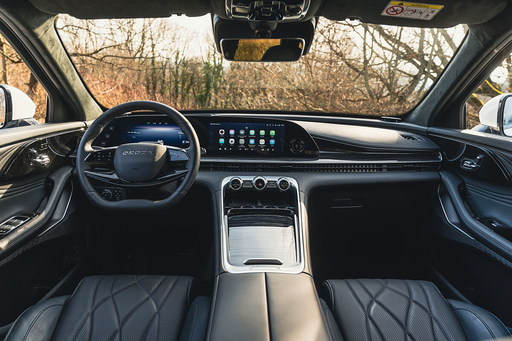
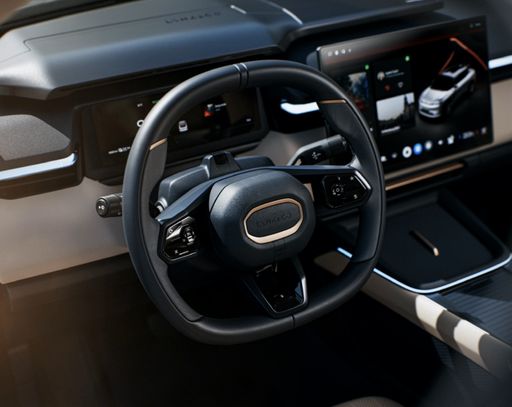
The Lynk & Co 08 creates a premium, serene cabin impression but pays for that look with a touch‑centric control philosophy that buries many functions behind menus, which can be fiddly on the move. The Omoda 9 counters with a more conventional mix of physical controls for climate and practical features, reducing the need to dive into screens, yet it still carries a complex infotainment layout that demands patience. That contrast matters every day: the Lynk & Co 08’s minimalist surfaces look modern but can irritate users who prefer quick tactile access, while the Omoda 9’s ergonomic compromises generally win practical points for families and less tech‑tolerant drivers. Both interiors feel closer to premium than budget, but they reach that feeling through different compromises between design and usefulness.

Practicality and family suitability

For loading and cargo chores the Lynk & Co 08 tends to offer a deeper, more usable boot and a higher payload focus, but it also brings a higher lip and some minor annoyances like limited trunk illumination and non‑ideal seat release ergonomics. The Omoda 9 rewards regular family life with a flat rear floor, adjustable rear seats and easy passenger comfort, making it a strong contender for families who run with kids and booster seats regularly. That means the Lynk & Co 08 is slightly better for hauling heavier loads and scoring higher on usable luggage volume for weekend trips, while the Omoda 9 is simpler for three‑across rear seating and passenger comfort on daily school runs. Buyers should weigh whether they need pure cargo practicality or rear‑seat ergonomics first, because each car sacrifices a bit of the other.

Who should pick which car — buyer fit and next steps

Choose the Lynk & Co 08 if your daily life revolves around electric commuting, quiet motorway miles and you’re willing to tolerate deep menus for a refined cabin and strong on‑paper electric performance. Opt for the Omoda 9 if you want the most kit for your money, maximum rear‑seat comfort and a car that feels more ready for family duty straight out of the showroom. If you prize sportiness neither model is ideal, but if you want calm efficiency and long EV runs lean Lynk & Co 08; if you want space and equipment at a lower entry price, the Omoda 9 fits better. Below is a technical comparison that breaks down the mechanical trade‑offs and charging/consumption details so you can match those real‑world impressions to the numbers that matter for ownership.

Here’s where it gets real: The technical differences in detail

9

Costs and Efficiency:

Looking at overall running costs, both models reveal some interesting differences in everyday economy.

Omoda 9 is only slightly cheaper – starting at 45,300 £ , while the Lynk & Co 08 costs 48,000 £ . That’s a price difference of around 2,653 £.

Fuel consumption also shows a difference: the Lynk & Co 08 uses 0.9 L/100km and is significantly more efficient than the Omoda 9 with 1.6 L/100km. The difference is about 0.7 L/100km.

As for electric range, the Lynk & Co 08 offers markedly more range – reaching up to 200 km, about 55 km more than the Omoda 9.

08

Engine and Performance:

Under the bonnet, it becomes clear which model is tuned for sportiness and which one takes the lead when you hit the accelerator.

When it comes to engine power, the Omoda 9 offers clearly more power – delivering 537 HP compared to 350 HP. That’s roughly 187 HP more horsepower.

When accelerating from 0 to 100 km/h, the Omoda 9 is clearly quicker – completing the sprint in 4.9 s, while the Lynk & Co 08 takes 6.8 s. That’s about 1.9 s quicker.

9

Space and Everyday Use:

Cabin size, boot volume and payload all play a role in everyday practicality. Here, comfort and flexibility make the difference.

Both vehicles offer seating for 5 people.

In terms of curb weight, Lynk & Co 08 is marginally lighter – 2,112 kg compared to 2,270 kg. The difference is around 158 kg.

Looking at boot space, the Lynk & Co 08 offers slightly more boot space – 540 L compared to 471 L. That’s a difference of about 69 L.

When it comes to payload, the Lynk & Co 08 carries a bit more – 500 kg compared to 447 kg. That’s a difference of about 53 kg.

Who wins the race in the data check?

The Lynk & Co 08 is far ahead overall in the objective data comparison.
This result only shows which model scores more points on paper – not which of the two cars feels right for you.

from £48,000
08

Lynk & Co 08

  • Engine Type Plugin Hybrid
  • Transmission Automatic
  • Drive Type Front-Wheel Drive
  • Power HP 350 HP
  • Consumption L/100km 0.9 L/100km
  • Electric Range 200 km
Omoda 9
Lynk & Co 08

Costs and Consumption

View detailed analysis

Engine and Performance

View detailed analysis

Dimensions and Body

View detailed analysis

Omoda 9

The Omoda 9 blends bold, contemporary styling with a surprisingly spacious and well-appointed interior that punches above its class. It offers a composed, comfortable ride and modern infotainment and safety features that make it a strong choice for buyers wanting a practical yet stylish family crossover.

details

Lynk & Co 08

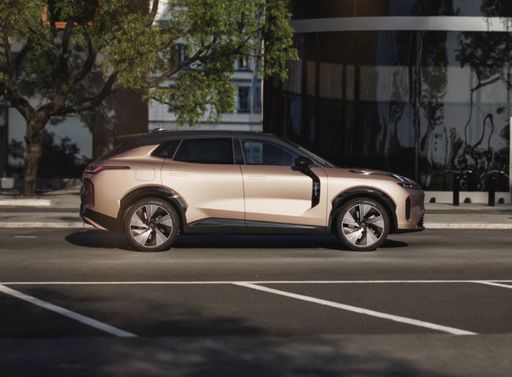
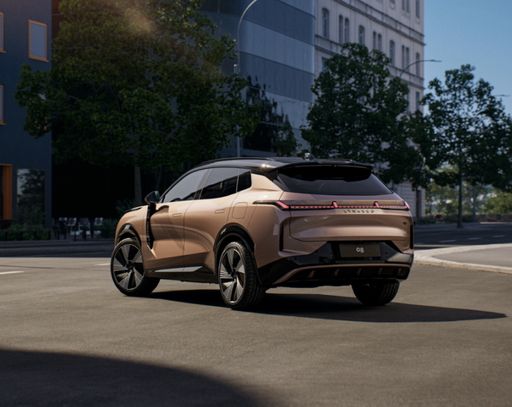
The Lynk & Co 08 represents a bold leap in automotive design, merging a sleek and modern exterior with a spacious and tech-savvy interior that caters to the needs of contemporary drivers. Its innovative approach to connectivity and user experience sets it apart in a crowded market, offering drivers an unparalleled level of interaction and customization. With a strong focus on sustainability, this model features advanced hybrid technology, underscoring Lynk & Co's commitment to eco-friendly driving solutions.

details
Omoda 9
Lynk & Co 08

Costs and Consumption

Price
45,300 £
Price
48,000 - 51,400 £
Consumption L/100km
1.6 L/100km
Consumption L/100km
0.9 L/100km
Consumption kWh/100km
-
Consumption kWh/100km
-
Electric Range
145 km
Electric Range
200 km
Battery Capacity
-
Battery Capacity
-
co2
38 g/km
co2
23 g/km
Fuel tank capacity
-
Fuel tank capacity
-

Dimensions and Body

Body Type
SUV
Body Type
SUV
Seats
5
Seats
5
Doors
-
Doors
-
Curb weight
2,270 kg
Curb weight
2,112 kg
Trunk capacity
471 L
Trunk capacity
540 L
Length
-
Length
-
Width
1,920 mm
Width
1,915 mm
Height
-
Height
-
Max trunk capacity
-
Max trunk capacity
-
Payload
447 kg
Payload
500 kg

Engine and Performance

Engine Type
Plugin Hybrid
Engine Type
Plugin Hybrid
Transmission
Automatic
Transmission
Automatic
Transmission Detail
Automatic Gearbox
Transmission Detail
Automatic Gearbox
Drive Type
All-Wheel Drive
Drive Type
Front-Wheel Drive
Power HP
537 HP
Power HP
350 HP
Acceleration 0-100km/h
4.9 s
Acceleration 0-100km/h
6.8 s
Max Speed
-
Max Speed
-
Torque
650 Nm
Torque
-
Number of Cylinders
4
Number of Cylinders
4
Power kW
395 kW
Power kW
257 kW
Engine capacity
1,499 cm3
Engine capacity
1,499 cm3

General

Model Year
2026
Model Year
2025
CO2 Efficiency Class
B
CO2 Efficiency Class
B
Brand
Omoda
Brand
Lynk & Co
DriveDuel uses data analysis and artificial intelligence to evaluate vehicle data and create content. Content is regularly reviewed and improved. The displayed prices are estimates based on German list prices, adjusted to the respective country’s VAT. Country-specific registration taxes are not included. This information is not legally binding.