
 Deutschland
 France
 Nederland
 Great Britain
 Sverige
 Danmark
 Suomi
Suomi Italia
 Polska
 Česko
Česko España
VS
Renault Master Bus vs Vauxhall Vivaro comparison
Compare performance (180 HP vs 180 HP), boot space and price (36,600 £ vs 33,200 £ ) at a glance. Find out which car is the better choice for you – Renault Master Bus or Vauxhall Vivaro?
Renault Master Bus vs Vauxhall Vivaro: Key differences
Master Bus
Costs and Efficiency:
When it comes to price and running costs, the biggest differences usually appear. This is often where you see which car fits your budget better in the long run.
Vauxhall Vivaro is slightly cheaper – starting at 33,200 £ , while the Renault Master Bus costs 36,600 £ . That’s a price difference of around 3,386 £.
Fuel consumption also shows a difference: the Vauxhall Vivaro uses 6.2 L/100km and is considerably more efficient than the Renault Master Bus with 8.7 L/100km. The difference is about 2.5 L/100km.
Vivaro
Engine and Performance:
Power, torque and acceleration are the classic benchmarks for car enthusiasts – and here, some clear differences start to show.
Both models deliver identical power – 180 HP each.
Both models offer the same torque – 400 Nm.
Space and Everyday Use:
Beyond pure performance, interior space and usability matter most in daily life. This is where you see which car is more practical and versatile.
Both vehicles offer seating for 9 people.
In terms of curb weight, Vauxhall Vivaro is clearly lighter – 1,722 kg compared to 2,189 kg. The difference is around 467 kg.
When it comes to payload, the Renault Master Bus carries marginally more – 1,254 kg compared to 1,226 kg. That’s a difference of about 28 kg.
Who wins the race in the data check?
The Vauxhall Vivaro is far ahead overall in the objective data comparison.
This result only shows which model scores more points on paper – not which of the two cars feels right for you.
from £33,200
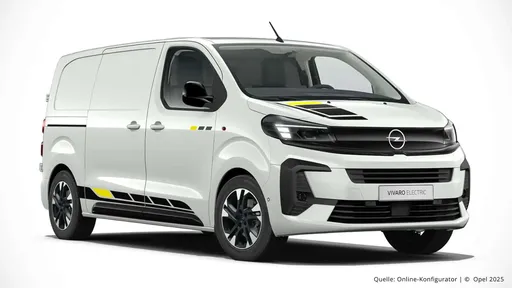
Vauxhall Vivaro
Renault Master Bus
Vauxhall Vivaro
Costs and Consumption
View detailed analysis
View detailed analysis
Engine and Performance
View detailed analysis
View detailed analysis
Dimensions and Body
View detailed analysis
View detailed analysis
Renault Master Bus
The Renault Master Bus is a no-nonsense people carrier that trades flash for practicality, offering generous space for passengers and luggage with a sensible, robust feel. It’s a smart pick for buyers who want comfort and reliability over glamour — think dependable transport with a dash of French charm and a wry smile.
details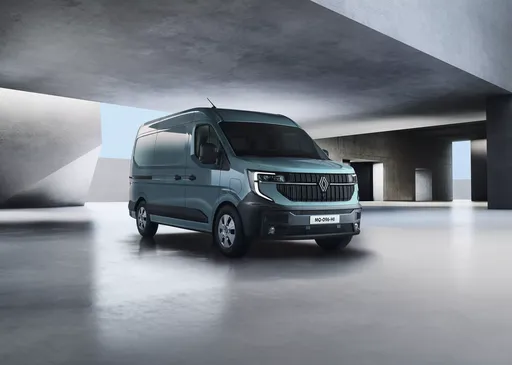
Vauxhall Vivaro
The Opel Vivaro is a workhorse with a surprisingly civilised demeanour, blending rugged practicality with enough style and comfort to keep drivers happy on any job. With clever packaging and sensible features that simplify loading, commuting and family duties, it’s the no-nonsense van for buyers who want functionality without the fuss — honest, dependable and just smart enough to make the day easier.
details
Renault Master Bus
Vauxhall Vivaro
Costs and Consumption |
|
|---|---|
|
Price
36,600 - 43,200 £
|
Price
33,200 - 45,700 £
|
|
Consumption L/100km
8.7 - 10.7 L/100km
|
Consumption L/100km
6.2 - 7 L/100km
|
|
Consumption kWh/100km
-
|
Consumption kWh/100km
23.7 - 23.8 kWh/100km
|
|
Electric Range
-
|
Electric Range
222 - 350 km
|
|
Battery Capacity
-
|
Battery Capacity
-
|
|
co2
227 - 280 g/km
|
co2
0 - 184 g/km
|
|
Fuel tank capacity
105 L
|
Fuel tank capacity
-
|
Dimensions and Body |
|
|---|---|
|
Body Type
Bus
|
Body Type
Cargo Van, Bus
|
|
Seats
6 - 9
|
Seats
3 - 9
|
|
Doors
4
|
Doors
-
|
|
Curb weight
2,189 - 2,361 kg
|
Curb weight
1,722 - 2,241 kg
|
|
Trunk capacity
-
|
Trunk capacity
-
|
|
Length
5,075 - 5,575 mm
|
Length
-
|
|
Width
2,070 mm
|
Width
1,920 mm
|
|
Height
2,290 - 2,486 mm
|
Height
-
|
|
Max trunk capacity
2,840 - 4,840 L
|
Max trunk capacity
-
|
|
Payload
939 - 1,254 kg
|
Payload
872 - 1,226 kg
|
Engine and Performance |
|
|---|---|
|
Engine Type
Diesel
|
Engine Type
Diesel, Electric
|
|
Transmission
Manuel, Automatic
|
Transmission
Manuel, Automatic
|
|
Transmission Detail
Manual Gearbox, Automated Manual
|
Transmission Detail
Manual Gearbox, Automatic Gearbox, Reduction Gearbox
|
|
Drive Type
Front-Wheel Drive
|
Drive Type
Front-Wheel Drive
|
|
Power HP
135 - 180 HP
|
Power HP
120 - 180 HP
|
|
Acceleration 0-100km/h
-
|
Acceleration 0-100km/h
10.6 - 14.3 s
|
|
Max Speed
150 - 165 km/h
|
Max Speed
-
|
|
Torque
360 - 400 Nm
|
Torque
260 - 400 Nm
|
|
Number of Cylinders
4
|
Number of Cylinders
4
|
|
Power kW
99 - 132 kW
|
Power kW
88 - 132 kW
|
|
Engine capacity
2,299 cm3
|
Engine capacity
1,499 - 2,184 cm3
|
General |
|
|---|---|
|
Model Year
2023
|
Model Year
2025
|
|
CO2 Efficiency Class
G
|
CO2 Efficiency Class
F, G, A
|
|
Brand
Renault
|
Brand
Vauxhall
|
DriveDuel uses data analysis and artificial intelligence to evaluate vehicle data and create content. Content is regularly reviewed and improved.
The displayed prices are estimates based on German list prices, adjusted to the respective country’s VAT. Country-specific registration taxes are not included. This information is not legally binding.