
 Deutschland
 France
 Nederland
 Great Britain
 Sverige
 Danmark
 Suomi
Suomi Italia
 Polska
 Česko
Česko España
VS
SsangYong Tivoli vs Maserati MC20 Coupe comparison
Compare performance (163 HP vs 630 HP), boot space and price (21,400 £ vs 210,000 £ ) at a glance. Find out which car is the better choice for you – SsangYong Tivoli or Maserati MC20 Coupe?
SsangYong Tivoli vs Maserati MC20 Coupe: Key differences
Tivoli
Costs and Efficiency:
When it comes to price and running costs, the biggest differences usually appear. This is often where you see which car fits your budget better in the long run.
SsangYong Tivoli is significantly cheaper – starting at 21,400 £ , while the Maserati MC20 Coupe costs 210,000 £ . That’s a price difference of around 188,576 £.
Fuel consumption also shows a difference: the SsangYong Tivoli uses 7 L/100km and is significantly more efficient than the Maserati MC20 Coupe with 11.5 L/100km. The difference is about 4.5 L/100km.
MC20 Coupe
Engine and Performance:
Power, torque and acceleration say a lot about how a car feels on the road. This is where you see which model delivers more driving dynamics.
When it comes to engine power, the Maserati MC20 Coupe offers significantly more power – delivering 630 HP compared to 163 HP. That’s roughly 467 HP more horsepower.
Looking at top speed, the Maserati MC20 Coupe is significantly faster – reaching 325 km/h, while the SsangYong Tivoli tops out at 181 km/h. The difference is around 144 km/h.
There’s also a difference in torque: the Maserati MC20 Coupe delivers significantly more torque with 730 Nm compared to 280 Nm. That’s about 450 Nm more.
Tivoli
Space and Everyday Use:
Beyond pure performance, interior space and usability matter most in daily life. This is where you see which car is more practical and versatile.
Seats: SsangYong Tivoli offers more seats – 5 vs 2.
In terms of curb weight, SsangYong Tivoli is very slightly lighter – 1,375 kg compared to 1,469 kg. The difference is around 94 kg.
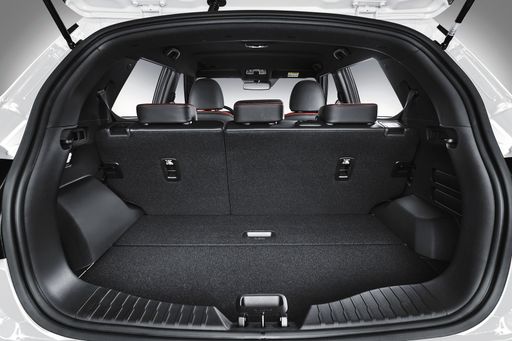
Looking at boot space, the SsangYong Tivoli offers significantly more boot space – 720 L compared to 100 L. That’s a difference of about 620 L.
When it comes to payload, the SsangYong Tivoli carries visibly more – 455 kg compared to 321 kg. That’s a difference of about 134 kg.
Who wins the race in the data check?
The SsangYong Tivoli stands well ahead of its rival in the objective data comparison.
This result only shows which model scores more points on paper – not which of the two cars feels right for you.
from £21,400
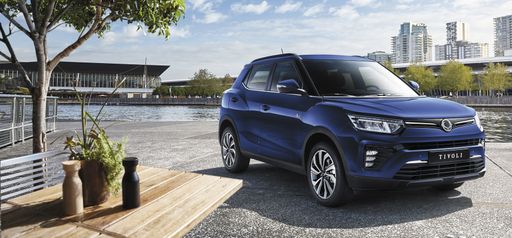
SsangYong Tivoli
SsangYong Tivoli
Maserati MC20 Coupe
Costs and Consumption
View detailed analysis
View detailed analysis
Engine and Performance
View detailed analysis
View detailed analysis
Dimensions and Body
View detailed analysis
View detailed analysis
SsangYong Tivoli
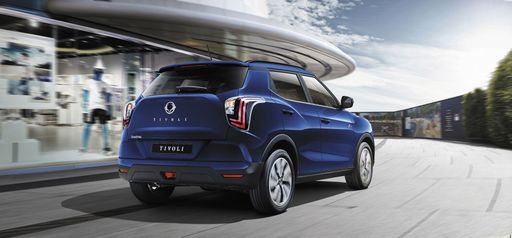
The SsangYong Tivoli is an unpretentious small crossover that surprises with a roomy, well-finished cabin and an agreeable ride that suits everyday life. It won't win any beauty contests, but it's a smart, economical choice for buyers who value practicality, comfort and a bit of cheeky character.
details
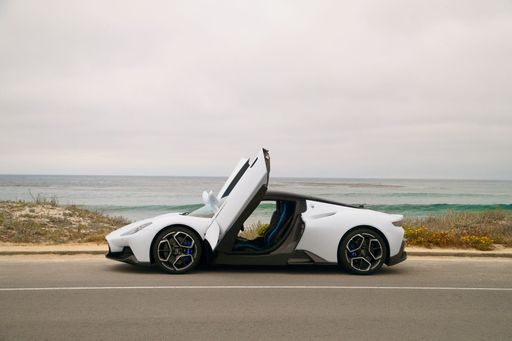
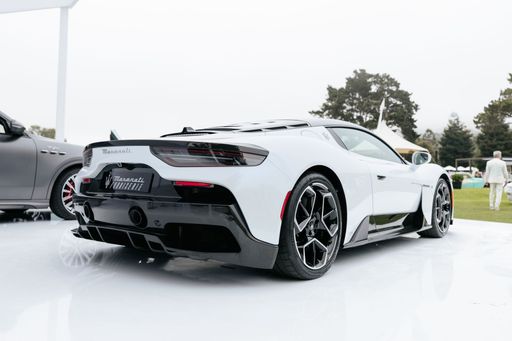
Maserati MC20 Coupe
The Maserati MC20 is a siren-song of Italian drama — sleek, sculpted and built to provoke a grin every time you slide behind the wheel. It pairs exotic looks and an intoxicating soundtrack with razor-sharp handling, though its focused nature makes it more of a weekend indulgence than a grocery-run companion.
details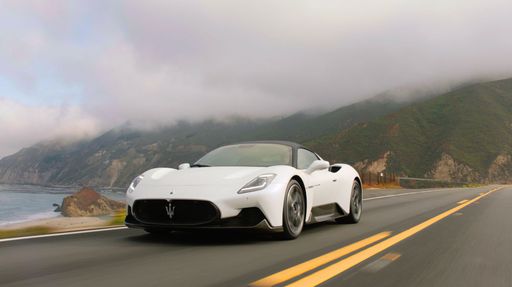
SsangYong Tivoli
Maserati MC20 Coupe
Costs and Consumption |
|
|---|---|
|
Price
21,400 - 30,300 £
|
Price
210,000 £
|
|
Consumption L/100km
7 - 8.3 L/100km
|
Consumption L/100km
11.5 L/100km
|
|
Consumption kWh/100km
-
|
Consumption kWh/100km
-
|
|
Electric Range
-
|
Electric Range
-
|
|
Battery Capacity
-
|
Battery Capacity
-
|
|
co2
161 - 191 g/km
|
co2
261 g/km
|
|
Fuel tank capacity
50 L
|
Fuel tank capacity
60 L
|
Dimensions and Body |
|
|---|---|
|
Body Type
SUV
|
Body Type
Coupe
|
|
Seats
5
|
Seats
2
|
|
Doors
5
|
Doors
2
|
|
Curb weight
1,375 - 1,492 kg
|
Curb weight
1,469 kg
|
|
Trunk capacity
395 - 720 L
|
Trunk capacity
100 L
|
|
Length
4,225 - 4,480 mm
|
Length
4,669 mm
|
|
Width
1,810 mm
|
Width
1,965 mm
|
|
Height
1,613 - 1,646 mm
|
Height
1,224 mm
|
|
Max trunk capacity
1,115 - 1,440 L
|
Max trunk capacity
-
|
|
Payload
425 - 455 kg
|
Payload
321 kg
|
Engine and Performance |
|
|---|---|
|
Engine Type
Petrol
|
Engine Type
Petrol
|
|
Transmission
Manuel, Automatic
|
Transmission
Automatic
|
|
Transmission Detail
Manual Gearbox, Automatic Gearbox
|
Transmission Detail
Dual-Clutch Automatic
|
|
Drive Type
Front-Wheel Drive, All-Wheel Drive
|
Drive Type
Rear-Wheel Drive
|
|
Power HP
163 HP
|
Power HP
630 HP
|
|
Acceleration 0-100km/h
-
|
Acceleration 0-100km/h
2.9 s
|
|
Max Speed
175 - 181 km/h
|
Max Speed
325 km/h
|
|
Torque
260 - 280 Nm
|
Torque
730 Nm
|
|
Number of Cylinders
4
|
Number of Cylinders
6
|
|
Power kW
120 kW
|
Power kW
463 kW
|
|
Engine capacity
1,497 cm3
|
Engine capacity
3,000 cm3
|
General |
|
|---|---|
|
Model Year
2,021 - 2,024
|
Model Year
2024
|
|
CO2 Efficiency Class
F, G
|
CO2 Efficiency Class
G
|
|
Brand
SsangYong
|
Brand
Maserati
|
DriveDuel uses data analysis and artificial intelligence to evaluate vehicle data and create content. Content is regularly reviewed and improved.
The displayed prices are estimates based on German list prices, adjusted to the respective country’s VAT. Country-specific registration taxes are not included. This information is not legally binding.