
 Deutschland
 Schweiz (DE)
 France
 Nederland
 Great Britain
 Italia
 España
VS
Volvo EX90 VS DS Automobiles N°8 – Specs, Efficiency & Price Comparison
Which model is the better choice – the Volvo EX90 or the DS Automobiles N°8? We compare performance (517 HP vs 375 HP), boot capacity (310 L vs 621 L), efficiency (19.90 kWh vs 15.70 kWh), and of course, the price (71700 £ vs 49500 £).
Find out now which car fits your needs better!
The Volvo EX90 (SUV) is powered by a Electric engine and comes with a Automatic transmission. In comparison, the DS Automobiles N°8 (SUV) features a Electric engine and a Automatic gearbox.
When it comes to boot capacity, the Volvo EX90 offers 310 L, while the DS Automobiles N°8 provides 621 L – depending on what matters most to you. If you’re looking for more power, you’ll need to decide whether the 517 HP of the Volvo EX90 or the 375 HP of the DS Automobiles N°8 suits your needs better.
There are also differences in efficiency: 19.90 kWh vs 15.70 kWh. In terms of price, the Volvo EX90 starts at 71700 £, while the DS Automobiles N°8 is available from 49500 £.
Compare all the key specs now and find out which model fits your lifestyle best!
Volvo EX90
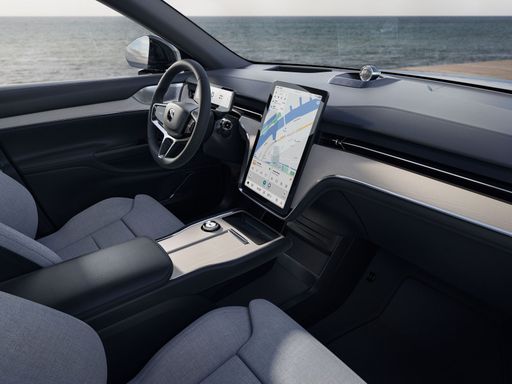
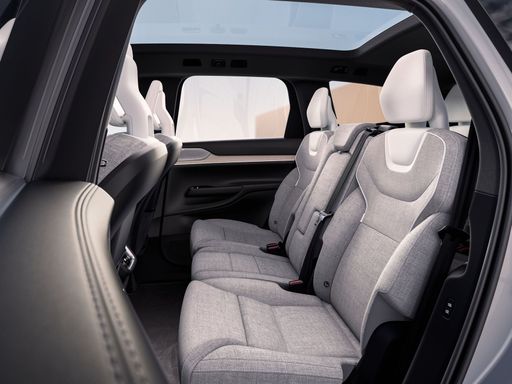
The Volvo EX90 represents a new era of luxury electric vehicles, combining sophisticated design with cutting-edge technology. Its interior offers a serene environment, enhanced by premium materials and a state-of-the-art infotainment system that ensures both comfort and connectivity. Safety remains paramount, with the EX90 featuring advanced driver assistance features to provide peace of mind on every journey.
details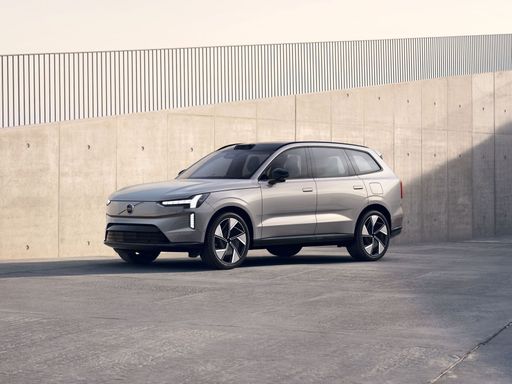 @ media.volvocars.com
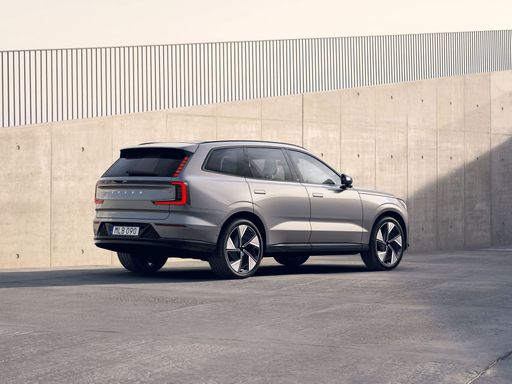 @ media.volvocars.com
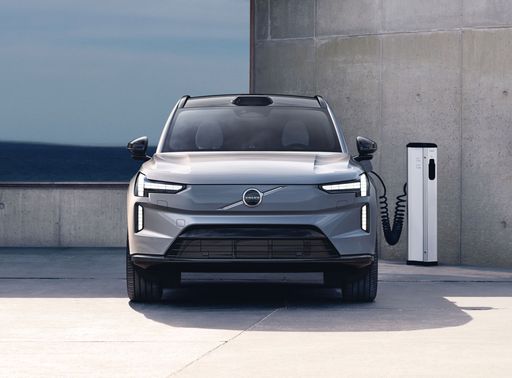 @ media.volvocars.com
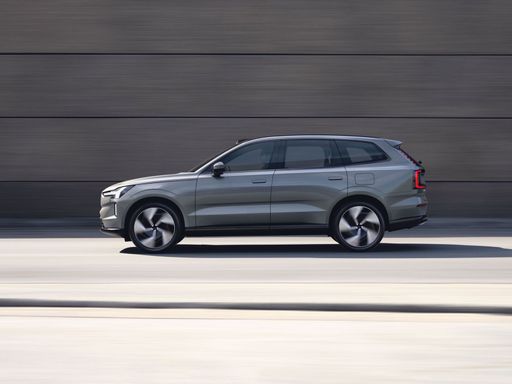 @ media.volvocars.com
 @ media.volvocars.com
 @ media.volvocars.com
DS Automobiles N°8
The N°8 captivates automotive enthusiasts with its striking design and dynamic presence on the road. This model effortlessly combines luxury and performance, making it a standout choice for those seeking a thrilling driving experience. With an interior that prioritizes comfort and cutting-edge technology, the N°8 truly redefines what it means to drive in style.
details
Volvo EX90
DS Automobiles N°8
|
|
|
|
|
|
Costs and Consumption |
|
|---|---|
|
Price
71700 - 92100 £
|
Price
49500 - 64300 £
|
|
Consumption L/100km
-
|
Consumption L/100km
-
|
|
Consumption kWh/100km
19.9 - 20.8 kWh
|
Consumption kWh/100km
15.7 - 17.4 kWh
|
|
Electric Range
580 - 614 km
|
Electric Range
549 - 749 km
|
|
Battery Capacity
101 - 107 kWh
|
Battery Capacity
-
|
|
co2
0 g/km
|
co2
0 g/km
|
|
Fuel tank capacity
-
|
Fuel tank capacity
-
|
Dimensions and Body |
|
|---|---|
|
Body Type
SUV
|
Body Type
SUV
|
|
Seats
5 - 6
|
Seats
5
|
|
Doors
5
|
Doors
5
|
|
Curb weight
2579 - 2787 kg
|
Curb weight
2132 - 2289 kg
|
|
Trunk capacity
310 L
|
Trunk capacity
581 - 621 L
|
|
Length
5037 mm
|
Length
4834 mm
|
|
Width
1964 mm
|
Width
1920 mm
|
|
Height
1744 mm
|
Height
1574 mm
|
|
Payload
421 - 611 kg
|
Payload
508 - 520 kg
|
Engine and Performance |
|
|---|---|
|
Engine Type
Electric
|
Engine Type
Electric
|
|
Transmission
Automatic
|
Transmission
Automatic
|
|
Transmission Detail
-
|
Transmission Detail
-
|
|
Drive Type
Rear-Wheel Drive, All-Wheel Drive
|
Drive Type
Front-Wheel Drive, All-Wheel Drive
|
|
Power HP
279 - 517 HP
|
Power HP
258 - 375 HP
|
|
Acceleration 0-100km/h
4.9 - 8.4 s
|
Acceleration 0-100km/h
5.4 - 7.8 s
|
|
Max Speed
180 km/h
|
Max Speed
190 km/h
|
|
Torque
490 - 910 Nm
|
Torque
343 - 509 Nm
|
|
Number of Cylinders
-
|
Number of Cylinders
-
|
|
Power kW
205 - 380 kW
|
Power kW
190 - 276 kW
|
|
Engine capacity
-
|
Engine capacity
-
|
General |
|
|---|---|
|
Model Year
2024
|
Model Year
2025
|
|
CO2 Efficiency Class
A
|
CO2 Efficiency Class
A
|
|
Brand
Volvo
|
Brand
DS Automobiles
|
Volvo EX90
The New Volvo EX90: A Leap into the Future of Automobiles
The Volvo EX90 marks a significant step forward in automotive technology and design. As part of Volvo's commitment to sustainability and performance, this all-electric SUV combines cutting-edge technology with the brand’s renowned safety and reliability. Let's dive into the technical details and innovations that make the Volvo EX90 a standout in its class.
Performance and Range: Power Meets Efficiency
The Volvo EX90 offers a range of powertrains, catering to various performance preferences. With power outputs ranging from 279 to 517 PS, the EX90 ensures robust driving dynamics regardless of the selected variant. The vehicle's electric efficiency is underscored by consumption figures between 19.9 and 20.8 kWh/100 km, providing an impressive electric range of up to 614 km on a single charge.
The EX90's battery capacity, ranging from 101 to 107 kWh, is harmoniously paired with its drivetrain configurations, available in both rear-wheel and all-wheel drive models. These options allow a balance between efficiency and driving pleasure, with acceleration from 0-100 km/h in as little as 4.9 seconds.
Innovative Technologies for a Safer Drive
Volvo has always been synonymous with safety, and the EX90 is no exception. Equipped with advanced driver assistance systems, the vehicle includes features such as adaptive cruise control, lane keeping assistance, and a 360-degree camera system. These technologies work together to enhance comfort and security on the road.
Moreover, the EX90 utilises LiDAR technology, enabling it to detect and respond to the surrounding environment more accurately. This technology is pivotal in Volvo's ambition to make its cars safer and is a step toward fully autonomous driving.
Interior Elegance: Where Comfort Meets Functionality
The interior of the Volvo EX90 is a sanctuary of luxury and innovation. Available in four different trims, including the Core, Plus, and Ultra variations, it promises comfort and versatility, seating between five and seven passengers.
The cabin features a sleek design with a central touchscreen that integrates Volvo's latest infotainment system, ensuring connectivity and entertainment are at your fingertips. High-quality materials, meticulous craftsmanship, and thoughtful ergonomics create an inviting atmosphere for both driver and passengers.
Sustainability: A Commitment to Reducing Emissions
As part of Volvo’s sustainability mission, the EX90 underscores the brand's goal of reducing its carbon footprint. With zero tailpipe emissions, the EX90 stands as a testament to Volvo’s eco-conscious engineering. The car's CO2 efficiency justifies its A-grade in environmental standards.
Volvo's dedication to sustainable materials is evident in the EX90's interior, where recycled content is seamlessly integrated into its luxurious design, offering an eco-friendly yet sophisticated driving experience.
Conclusion: The Future is Electric
The Volvo EX90 is much more than just an electric vehicle; it's a glimpse into the future of sustainable mobility. By marrying performance with advanced safety features and a commitment to environmental responsibility, the EX90 sets a benchmark for what the modern SUV can be. For drivers looking to invest in a vehicle that's both future-ready and grounded in safety, the Volvo EX90 emerges as a compelling choice.
DS Automobiles N°8
Introducing the DS Automobiles N°8: A Leap into the Future of Electric SUVs
The automotive landscape is undergoing a seismic shift towards sustainability, and among the frontrunners in this revolution is the much-anticipated DS Automobiles N°8. With its cutting-edge technology, gorgeous design, and robust performance metrics, the N°8 not only meets the demand for eco-friendly vehicles but does so with unparalleled elegance and innovation. In this article, we delve into the technical aspects and innovations that make the N°8 stand out in a crowded market.
Technical Specifications: Power and Performance
The DS N°8 is available in various configurations that cater to different driving needs. The Short Range Electric versions offer 258 HP and a consumption rate of 15.7 kWh per 100 km, allowing for a commendable range of 549 km. For those seeking a bit more power, the Long Range Electric editions deliver up to 281 HP with a slight increase in efficiency to 15.9 kWh, pushing the electric range to an impressive 749 km.
For performance enthusiasts, the N°8 Long Range All-Wheel Drive variant ramps things up with a robust 375 HP, achieving 0-100 km/h in just 5.4 seconds—a testament to the vehicle's sportiness without compromising on environmental impact. The torque ranges from 343 Nm in the base models to an assertive 509 Nm in the all-wheel-drive variant, which provides a responsive and agile driving experience.
Design Aesthetics and Interior Comfort
Beyond its impressive technical specifications, the DS N°8 boasts a striking SUV silhouette with dimensions that reflect both boldness and grace. At 4834 mm in length, 1920 mm in width, and a height of 1574 mm, the N°8 commands attention on the road. The vehicle comfortably seats five, making it an excellent choice for families or those who enjoy a spacious interior.
Inside, the N°8 offers a luxurious cabin designed with high-quality materials and an emphasis on driver comfort. From intuitive controls to an LED dashboard that seamlessly integrates with smartphone connectivity, every aspect of the interior has been crafted to enhance the driving experience. With a trunk capacity ranging from 581 to 621 liters, practicality is a key feature without sacrificing style.
Innovative Technology: The Future is Now
The N°8 isn't just a vehicle—it's a statement of intent towards a smarter future. Equipped with advanced safety features, the vehicle includes state-of-the-art driver assistance technologies, ensuring peace of mind on any journey. This is complemented by a CO2 efficiency class rating of A, signifying its minimal impact on the environment.
One of the standout features of the N°8 is its innovative battery technology. The vehicles come with two significant variants in terms of battery capacity**—15.7 kWh for the Short Range and 15.9 kWh for the Long Range, and 17.4 kWh for the All-Wheel Drive—ensuring that power delivery and efficiency are optimized across different driving scenarios.
Sustainability Meets Performance: A New Era for Drivers
In addition to being a powerful vehicle, the DS Automobiles N°8 reflects a growing commitment to sustainability within the automotive industry. With zero CO2 emissions and an optimized driving experience that enhances both efficiency and thrill, the N°8 serves as a role model for the electric vehicles of the future.
Overall, the DS N°8 is more than just a car; it symbolizes a significant step towards an electrified future that marries performance with environmental responsibility. As the 2025 model year approaches, anticipation rises for this exceptional SUV. Whether for urban commuting or long-distance travel, the N°8 promises to elevate the electric driving experience to new heights.
The prices and data displayed are estimates based on German list prices and may vary by country. This information is not legally binding.