VS

Volvo V60 vs Mercedes C Class Estate comparison

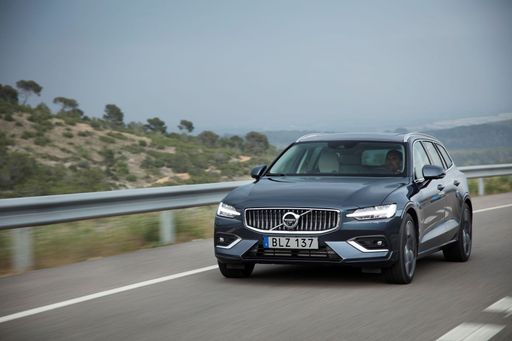
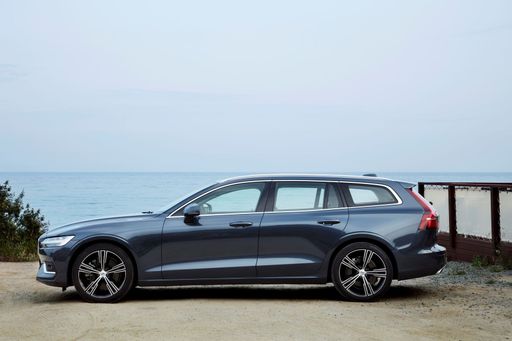
Compare performance (350 HP vs 288 HP), boot space and price (51,400 £ vs 42,600 £ ) at a glance. Find out which car is the better choice for you – Volvo V60 or Mercedes C Class Estate?

Volvo V60 vs Mercedes C Class Estate: Key differences

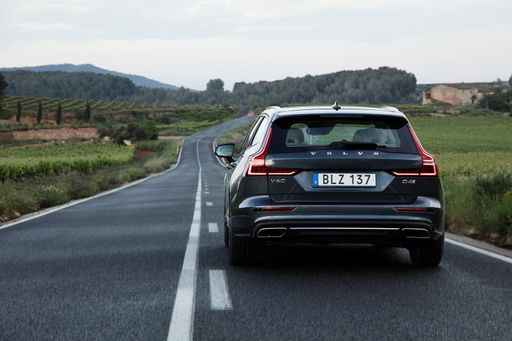
Volvo V60

5 (1 Reviews)
rate
  • slightly more power
  • clearly more efficient
  • marginally quicker 0–100 km/h
  • marginally lighter
  • marginally more trunk space
details

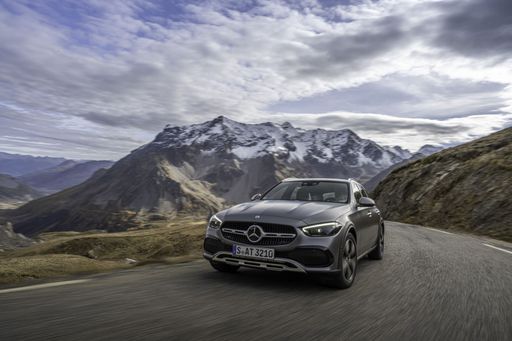
Mercedes C Class Estate

3.6 (1 Reviews)
rate
  • clearly cheaper
details

All details on performance, efficiency, range and trunk space can be found in the technical comparison below – including user reviews for both models.

By Achim Sedelmaier

V60

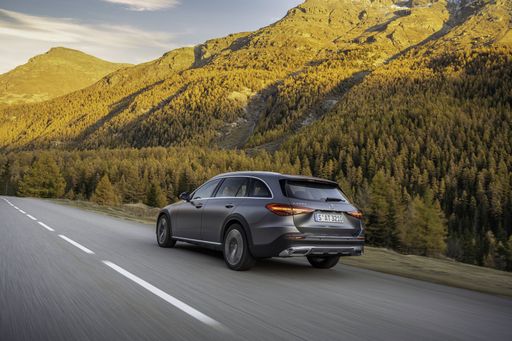
Mercedes C Class Wagon VS Volvo V60 — quick take

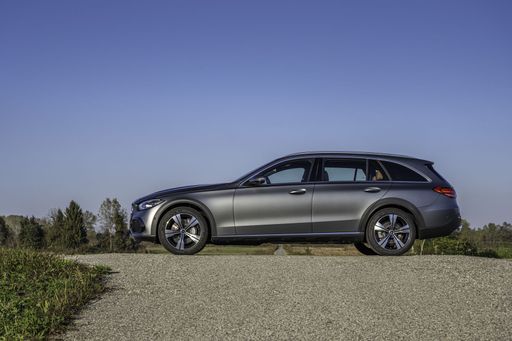
Mercedes C Class Wagon VS Volvo V60 sets up a contest between two premium wagons that aim for calm and competence rather than raw sportiness. The Mercedes C Class Wagon leans into a hushed, high-tech cabin and motorway serenity, while the Volvo V60 brings class-leading seat comfort, practical thinking and a straightforward infotainment setup. Both feel premium, but they sell different kinds of peace of mind: one is polished and composed, the other is quietly practical and ergonomic. Read on to see which approach fits your daily reality and what trade-offs you should expect.
C Class Estate

Character and driving feel

The Mercedes C Class Wagon behaves like a small luxury limo — composed, insulated and deliberately understated when you push it into corners. The Volvo V60 is no wildcat either, but it’s more honest about its weight and trade-offs: lighter steering and a more direct sense of what the car is doing, with performance options that feel a bit brisker when you ask for them. If you prize serene, long-distance composure the Mercedes will flatter you; if you prefer a wagon that communicates its limits clearly and can be hustled without surprise, the Volvo suits that temperament better. Neither is a driver’s sports car, but the Mercedes favors refinement while the Volvo favors intuitive feedback and usable shove.

V60

Comfort and cabin feel on long trips

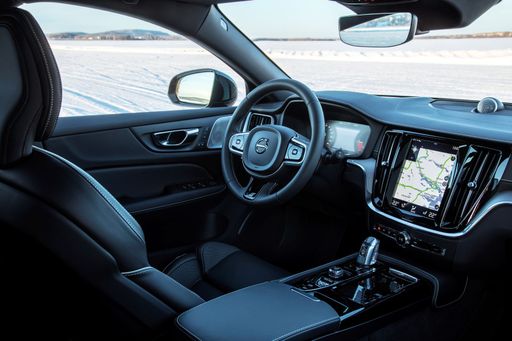
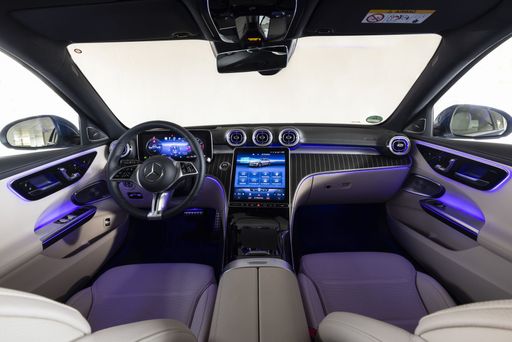
On motorways the Mercedes C Class Wagon creates an almost lounge-like silence and a floaty ride that soothes fatigue across long distances, giving it an edge for heavy-milers. The Volvo V60 matches that calm in its own way with some of the best seats in the class and a cabin layout designed for long-haul ergonomics — you’ll notice your back thanking you after a day behind the wheel. Mercedes presents a more upscale veneer in materials and tech presentation, whereas Volvo trades a touch of premium finery for straightforward controls and Scandinavian restraint that feels honest. In short, choose Mercedes if you want that luxury-sedan hush, choose Volvo if seat comfort and ergonomic clarity are your daily priorities.

C Class Estate

Practicality and everyday usability

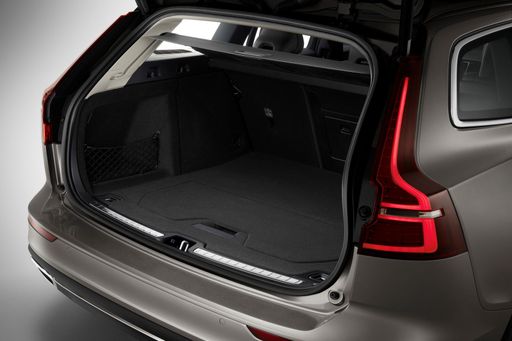
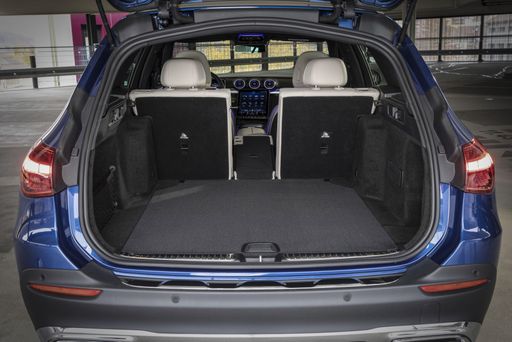
The Volvo V60 is the more utilitarian of the pair: a squarer load bay, clever tie-downs and sensible details make packing and organising easier on a weekly basis. The Mercedes C Class Wagon offers an impressively low and wide opening that simplifies loading heavy or awkward items, but some versions compromise usable underfloor space and reduce flexibility when they’re specified with electrified powertrains. Families who prioritise tidy cargo solutions and repeatable practicality will find the Volvo’s boot layout easier to live with, while buyers who value a graceful opening and slightly more finish around the load area will prefer the Mercedes when it’s the non-hybrid variant. Both lose a bit of cargo intelligence when you opt for certain electrified setups, so check the boot before you sign.

V60

City friendliness and day-to-day ergonomics

In town the Mercedes C Class Wagon punches above its length when fitted with rear-axle steering and parking aids, making it surprisingly nimble for a premium estate; its ride can feel firmer over city imperfections if you pick large wheels, though. The Volvo V60 feels naturally easy to live with thanks to light steering, excellent visibility from the front seats and fast, integrated navigation, but its longer turning circle and conservative body control make tight manoeuvres less graceful. Both cars use touch-led infotainment that rewards learning: Mercedes’ system can feel more polished but is fiddlier in parts, while Volvo’s Google-based layout is quicker for navigation and voice tasks but still relies heavily on touchscreen taps. If urban agility and minimal fuss parking matter most, the Mercedes with the right options is the smarter urban tool; if simple, friendly daily tech and ergonomics top your list, the Volvo wins on practical convenience.

C Class Estate

Which buyer fits each car?

The Mercedes C Class Wagon is tailored to buyers who prize a refined long-distance experience, an interior that reads upmarket and those who regularly cover motorway miles with minimal fuss — executives, frequent travellers and comfort-first families will feel at home. The Volvo V60 suits buyers who want class-leading seat comfort, a pragmatic, well-thought-through boot and straightforward tech that assists real-world tasks — parents, safety-conscious drivers and those who value ergonomics over prestige will appreciate it. Both will serve as capable family wagons, but your choice is a trade-off between Mercedes’ cultivated luxury and Volvo’s practical, user-focused calm. If you want the numbers and detailed equipment deltas that explain those trade-offs precisely, the technical comparison that follows will make the differences concrete.

Here’s where it gets real: The technical differences in detail

V60

Costs and Efficiency:

Looking at overall running costs, both models reveal some interesting differences in everyday economy.

Mercedes C Class Estate is clearly cheaper – starting at 42,600 £ , while the Volvo V60 costs 51,400 £ . That’s a price difference of around 8,820 £.

Fuel consumption also shows a difference: the Volvo V60 uses 2 L/100km and is clearly more efficient than the Mercedes C Class Estate with 4.7 L/100km. The difference is about 2.7 L/100km.

C Class Estate

Engine and Performance:

Under the bonnet, it becomes clear which model is tuned for sportiness and which one takes the lead when you hit the accelerator.

When it comes to engine power, the Volvo V60 offers slightly more power – delivering 350 HP compared to 288 HP. That’s roughly 62 HP more horsepower.

When accelerating from 0 to 100 km/h, the Volvo V60 is marginally quicker – completing the sprint in 5.4 s, while the Mercedes C Class Estate takes 5.8 s. That’s about 0.4 s quicker.

There’s also a difference in torque: the Volvo V60 delivers only slightly more torque with 589 Nm compared to 550 Nm. That’s about 39 Nm more.

V60

Space and Everyday Use:

Beyond pure performance, interior space and usability matter most in daily life. This is where you see which car is more practical and versatile.

Both vehicles offer seating for 5 people.

In terms of curb weight, Volvo V60 is marginally lighter – 1,734 kg compared to 1,755 kg. The difference is around 21 kg.

Looking at boot space, the Volvo V60 offers marginally more boot space – 519 L compared to 490 L. That’s a difference of about 29 L.

When it comes to payload, the Mercedes C Class Estate carries moderately more – 565 kg compared to 506 kg. That’s a difference of about 59 kg.

Who wins the race in the data check?

The Volvo V60 is clearly superior overall in the objective data comparison.
This result only shows which model scores more points on paper – not which of the two cars feels right for you.

from £51,400
V60

Volvo V60

  • Engine Type Petrol MHEV, Plugin Hybrid
  • Transmission Automatic
  • Drive Type Front-Wheel Drive, All-Wheel Drive
  • Power HP 197 - 350 HP
  • Consumption L/100km 2 - 6.2 L/100km
  • Electric Range 99 km
Volvo V60
Mercedes C Class Estate

Costs and Consumption

View detailed analysis

Engine and Performance

View detailed analysis

Dimensions and Body

View detailed analysis

Volvo V60

The Volvo V60 blends elegant Scandinavian design with a practical estate layout, making it a composed and sensible choice for buyers who want style without sacrifice. Inside, a serene cabin, clever safety features and a supple ride turn daily commutes and weekend getaways into effortless, grown-up motoring.

details

Mercedes C Class Estate

The Mercedes C-Class wagon dresses Mercedes refinement in a sensible, practical package, marrying a sleek estate silhouette with a plush, high-quality cabin that feels more premium than its badge implies. It quietly soaks up motorway miles and cartloads of family kit with composed handling and effortless comfort — a clever alternative to an SUV for buyers who still like to steer.

details
Volvo V60
Mercedes C Class Estate

Costs and Consumption

Price
51,400 - 62,500 £
Price
42,600 - 67,200 £
Consumption L/100km
2 - 6.2 L/100km
Consumption L/100km
4.7 - 6.9 L/100km
Consumption kWh/100km
-
Consumption kWh/100km
-
Electric Range
99 km
Electric Range
-
Battery Capacity
-
Battery Capacity
-
co2
45 - 141 g/km
co2
123 - 157 g/km
Fuel tank capacity
-
Fuel tank capacity
-

Dimensions and Body

Body Type
Estate
Body Type
Estate
Seats
5
Seats
5
Doors
-
Doors
-
Curb weight
1,734 - 2,070 kg
Curb weight
1,755 - 1,940 kg
Trunk capacity
519 L
Trunk capacity
490 L
Length
-
Length
-
Width
1,850 mm
Width
1,820 mm
Height
-
Height
-
Max trunk capacity
-
Max trunk capacity
-
Payload
460 - 506 kg
Payload
460 - 565 kg

Engine and Performance

Engine Type
Petrol MHEV, Plugin Hybrid
Engine Type
Petrol MHEV, Diesel MHEV
Transmission
Automatic
Transmission
Automatic
Transmission Detail
Dual-Clutch Automatic, Automatic Gearbox
Transmission Detail
Automatic Gearbox
Drive Type
Front-Wheel Drive, All-Wheel Drive
Drive Type
Rear-Wheel Drive, All-Wheel Drive
Power HP
197 - 350 HP
Power HP
186 - 288 HP
Acceleration 0-100km/h
5.4 - 7.6 s
Acceleration 0-100km/h
5.8 - 8.8 s
Max Speed
-
Max Speed
-
Torque
300 - 589 Nm
Torque
250 - 550 Nm
Number of Cylinders
4
Number of Cylinders
4
Power kW
145 - 247 kW
Power kW
137 - 212 kW
Engine capacity
1,969 cm3
Engine capacity
1,496 - 1,999 cm3

General

Model Year
2,024 - 2,026
Model Year
2,024 - 2,025
CO2 Efficiency Class
E, B
CO2 Efficiency Class
E, F, D
Brand
Volvo
Brand
Mercedes-Benz
DriveDuel uses data analysis and artificial intelligence to evaluate vehicle data and create content. Content is regularly reviewed and improved. The displayed prices are estimates based on German list prices, adjusted to the respective country’s VAT. Country-specific registration taxes are not included. This information is not legally binding.