VS

Volvo V60 vs Volvo XC40 comparison

Compare performance (350 HP vs 197 HP), boot space and price (51,400 £ vs 41,900 £ ) at a glance. Find out which car is the better choice for you – Volvo V60 or Volvo XC40?

Volvo V60 vs Volvo XC40: Key differences

Volvo V60

5 (1 Reviews)
rate
  • considerably more power
  • substantially more efficient
  • significantly quicker 0–100 km/h
details

Volvo XC40

4.9 (8 Reviews)
rate
  • noticeably cheaper
  • marginally lighter
details

All details on performance, efficiency, range and trunk space can be found in the technical comparison below – including user reviews for both models.

By Achim Sedelmaier

V60

Volvo V60 VS Volvo XC40 — quick reality check

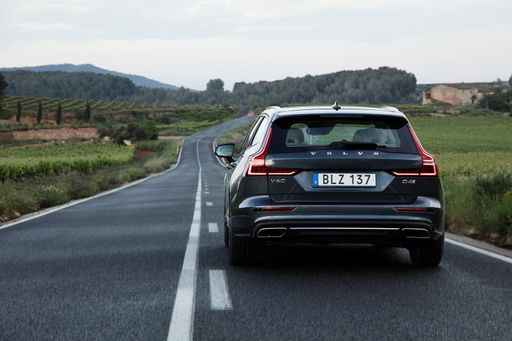
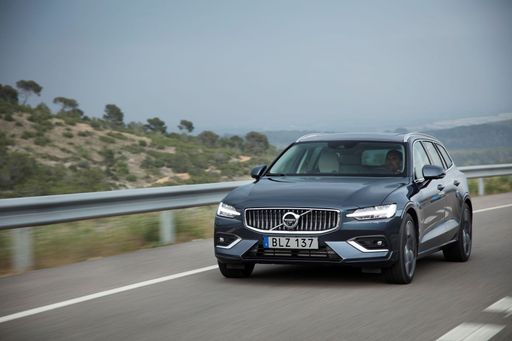
The Volvo V60 and the Volvo XC40 sit on the same premium thread but answer very different day-to-day questions. The V60 is an estate aimed at calm, long-distance travel with a quiet cabin and stronger drive options, while the XC40 is a compact SUV built around visibility, easy parking and clever interior tricks. One feels like a grown-up family wagon for motorway miles; the other is a composed city companion that still handles longer trips without fuss. If you want a concise summary to guide a test drive, think: V60 for composed cruising, XC40 for urban ease and practicality.
XC40

Character and driving feel

The V60 projects steady, composed momentum — heavy on refinement and built to dissolve motorway distance rather than to excite in corners. The XC40 leans the other way: a higher seating position, light steering and an easygoing chassis make city driving relaxed and confidence-inspiring. Neither car is aimed at the sporty driver; the difference is that the V60 masks speed with serenity, while the XC40 trades that serenity for visibility and everyday agility. If you value brisk, effortless overtakes and a planted high-speed demeanor, the V60 will feel more assured; if you prize quick, low-stress manoeuvring in town, the XC40 is the natural choice.

V60

Comfort and cabin feel

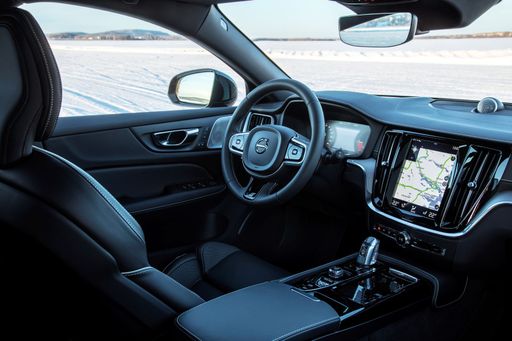
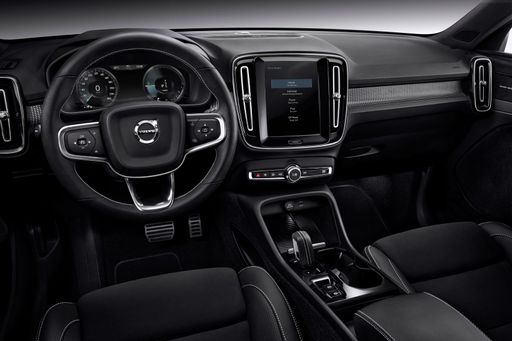
Step into the V60 and the first impression is long-journey comfort: supportive seats, quieter noise levels and a slightly more grown-up ambience in materials and layout. The XC40 offers a Scandinavian, practical interior with upright seats and lots of handy stowage — it feels spunky and purposeful rather than plush. On rough urban surfaces the XC40 can feel firmer on large wheels, whereas the V60 soaks up the miles and keeps conversations and music audible at speed. Both feel premium, but the V60 aims for serenity while the XC40 emphasises versatility and visibility.

XC40

Usability and practicality

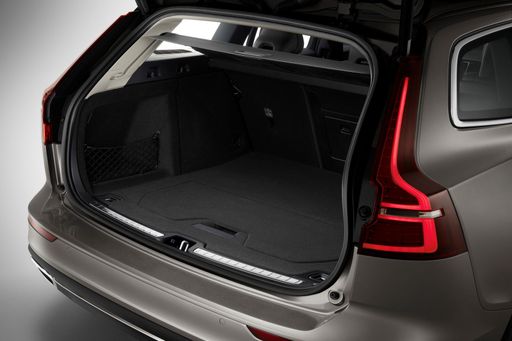
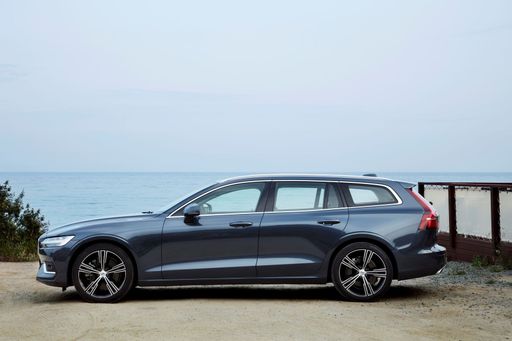
For loading large or awkward items the V60’s estate proportions and square load area make everyday packing simpler, with thoughtful touches that ease day-to-day usage; plug‑in variants do cost that practicality in a small way. The XC40 counters with clever modular storage, a two‑level cargo floor and lots of accessible cubbies that suit shopping, school runs and pets. Families who often carry bulky loads or prefer an even floor will prefer the V60’s dedicated luggage practicality, while urban families and those who like organised interiors will appreciate the XC40’s adaptable tricks. In short, V60 favours volume utility; XC40 favours organisation and convenience.

V60

City friendliness vs long-distance temperament

In town the XC40’s compact footprint, light steering and elevated view make parking and tight manoeuvres noticeably easier than the longer V60. On long runs the V60 becomes the obvious companion: lower perceived noise, superior seat comfort and a composed suspension reduce fatigue over several hours. The XC40 will handle a motorway cruise happily, but the V60’s chassis and engine choices give it the edge when you spend more time at higher speeds or want stronger real-world performance. Your commute pattern — tight urban streets versus frequent motorways — should steer this choice more than badges or styling.

XC40

Who each Volvo suits best

Choose the Volvo V60 if you are a regular long‑distance driver, a family that values quiet comfort and load practicality, or a commuter who can charge a plug‑in car and wants lower running emissions on mixed trips. Opt for the Volvo XC40 if you need a manoeuvrable everyday SUV that makes city life easier, prioritise interior cleverness and a lower entry price, or carry kids and errands more than large cargo. Both cars share Volvo’s safety and thoughtful ergonomics, but the decision comes down to whether you favour estate calm and highway composure (V60) or compact agility and urban practicality (XC40). The technical comparison that follows will make those trade-offs clearer for final list‑price, performance and economy considerations.

Here’s where it gets real: The technical differences in detail

V60

Costs and Efficiency:

When it comes to price and running costs, the biggest differences usually appear. This is often where you see which car fits your budget better in the long run.

Volvo XC40 is noticeably cheaper – starting at 41,900 £ , while the Volvo V60 costs 51,400 £ . That’s a price difference of around 9,515 £.

Fuel consumption also shows a difference: the Volvo V60 uses 2 L/100km and is substantially more efficient than the Volvo XC40 with 6.5 L/100km. The difference is about 4.5 L/100km.

XC40

Engine and Performance:

Power, torque and acceleration say a lot about how a car feels on the road. This is where you see which model delivers more driving dynamics.

When it comes to engine power, the Volvo V60 offers considerably more power – delivering 350 HP compared to 197 HP. That’s roughly 153 HP more horsepower.

When accelerating from 0 to 100 km/h, the Volvo V60 is significantly quicker – completing the sprint in 5.4 s, while the Volvo XC40 takes 7.6 s. That’s about 2.2 s quicker.

There’s also a difference in torque: the Volvo V60 delivers clearly more torque with 589 Nm compared to 300 Nm. That’s about 289 Nm more.

V60

Space and Everyday Use:

Cabin size, boot volume and payload all play a role in everyday practicality. Here, comfort and flexibility make the difference.

Both vehicles offer seating for 5 people.

In terms of curb weight, Volvo XC40 is marginally lighter – 1,688 kg compared to 1,734 kg. The difference is around 46 kg.

When it comes to payload, the Volvo XC40 carries only slightly more – 532 kg compared to 506 kg. That’s a difference of about 26 kg.

Who wins the race in the data check?

The Volvo V60 is far ahead overall in the objective data comparison.
This result only shows which model scores more points on paper – not which of the two cars feels right for you.

from £51,400
V60

Volvo V60

  • Engine Type Petrol MHEV, Plugin Hybrid
  • Transmission Automatic
  • Drive Type Front-Wheel Drive, All-Wheel Drive
  • Power HP 197 - 350 HP
  • Consumption L/100km 2 - 6.2 L/100km
  • Electric Range 99 km
Volvo V60
Volvo XC40

Costs and Consumption

View detailed analysis

Engine and Performance

View detailed analysis

Dimensions and Body

View detailed analysis

Volvo V60

The Volvo V60 blends elegant Scandinavian design with a practical estate layout, making it a composed and sensible choice for buyers who want style without sacrifice. Inside, a serene cabin, clever safety features and a supple ride turn daily commutes and weekend getaways into effortless, grown-up motoring.

details

Volvo XC40

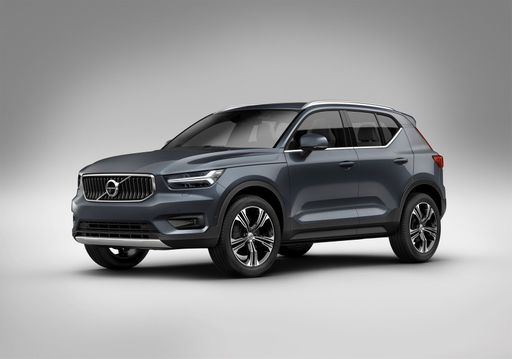
The Volvo XC40 blends Scandinavian design with practical versatility, offering a compact luxury crossover that feels composed and easy to live with. It’s refined and focused on safety with a high-quality interior, making it a smart choice for daily city driving and weekend escapes.

details
Volvo V60
Volvo XC40

Costs and Consumption

Price
51,400 - 62,500 £
Price
41,900 - 46,100 £
Consumption L/100km
2 - 6.2 L/100km
Consumption L/100km
6.5 L/100km
Consumption kWh/100km
-
Consumption kWh/100km
-
Electric Range
99 km
Electric Range
-
Battery Capacity
-
Battery Capacity
-
co2
45 - 141 g/km
co2
148 g/km
Fuel tank capacity
-
Fuel tank capacity
-

Dimensions and Body

Body Type
Estate
Body Type
SUV
Seats
5
Seats
5
Doors
-
Doors
-
Curb weight
1,734 - 2,070 kg
Curb weight
1,688 kg
Trunk capacity
519 L
Trunk capacity
-
Length
-
Length
-
Width
1,850 mm
Width
1,863 mm
Height
-
Height
-
Max trunk capacity
-
Max trunk capacity
-
Payload
460 - 506 kg
Payload
532 kg

Engine and Performance

Engine Type
Petrol MHEV, Plugin Hybrid
Engine Type
Petrol MHEV
Transmission
Automatic
Transmission
Automatic
Transmission Detail
Dual-Clutch Automatic, Automatic Gearbox
Transmission Detail
Dual-Clutch Automatic
Drive Type
Front-Wheel Drive, All-Wheel Drive
Drive Type
Front-Wheel Drive
Power HP
197 - 350 HP
Power HP
163 - 197 HP
Acceleration 0-100km/h
5.4 - 7.6 s
Acceleration 0-100km/h
7.6 - 8.6 s
Max Speed
-
Max Speed
-
Torque
300 - 589 Nm
Torque
265 - 300 Nm
Number of Cylinders
4
Number of Cylinders
4
Power kW
145 - 247 kW
Power kW
120 - 145 kW
Engine capacity
1,969 cm3
Engine capacity
1,969 cm3

General

Model Year
2,024 - 2,026
Model Year
2026
CO2 Efficiency Class
E, B
CO2 Efficiency Class
E
Brand
Volvo
Brand
Volvo
DriveDuel uses data analysis and artificial intelligence to evaluate vehicle data and create content. Content is regularly reviewed and improved. The displayed prices are estimates based on German list prices, adjusted to the respective country’s VAT. Country-specific registration taxes are not included. This information is not legally binding.