
 Deutschland
 France
 Nederland
 Great Britain
 Sverige
 Danmark
 Suomi
Suomi Italia
 Polska
 Česko
Česko España
VS
Volvo V90 vs NIO ET7 comparison
Compare performance (455 HP vs 653 HP), boot space and price (62,300 £ vs 59,900 £ ) at a glance. Find out which car is the better choice for you – Volvo V90 or NIO ET7?
V90
Costs and Efficiency:
Price and efficiency are key factors when choosing a car – and this is often where the real differences emerge.
NIO ET7 is only slightly cheaper – starting at 59,900 £ , while the Volvo V90 costs 62,300 £ . That’s a price difference of around 2,391 £.
As for electric range, the NIO ET7 offers considerably more range – reaching up to 584 km, about 496 km more than the Volvo V90.
ET7
Engine and Performance:
Power, torque and acceleration are the classic benchmarks for car enthusiasts – and here, some clear differences start to show.
When it comes to engine power, the NIO ET7 offers clearly more power – delivering 653 HP compared to 455 HP. That’s roughly 198 HP more horsepower.
When accelerating from 0 to 100 km/h, the NIO ET7 is clearly quicker – completing the sprint in 3.8 s, while the Volvo V90 takes 4.8 s. That’s about 1 s quicker.
Looking at top speed, the NIO ET7 is very slightly faster – reaching 200 km/h, while the Volvo V90 tops out at 180 km/h. The difference is around 20 km/h.
There’s also a difference in torque: the NIO ET7 delivers moderately more torque with 850 Nm compared to 709 Nm. That’s about 141 Nm more.
V90
Space and Everyday Use:
Cabin size, boot volume and payload all play a role in everyday practicality. Here, comfort and flexibility make the difference.
Both vehicles offer seating for 5 people.
In terms of curb weight, Volvo V90 is slightly lighter – 2,075 kg compared to 2,434 kg. The difference is around 359 kg.
Looking at boot space, the Volvo V90 offers visibly more boot space – 488 L compared to 363 L. That’s a difference of about 125 L.
When it comes to payload, the Volvo V90 carries marginally more – 515 kg compared to 466 kg. That’s a difference of about 49 kg.
Who wins the race in the data check?
The NIO ET7 holds a decisive overall lead in the objective data comparison.
This result only shows which model scores more points on paper – not which of the two cars feels right for you.
from £59,900
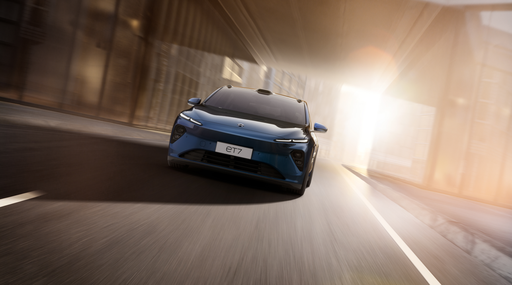
NIO ET7
Volvo V90
NIO ET7
Costs and Consumption
View detailed analysis
View detailed analysis
Engine and Performance
View detailed analysis
View detailed analysis
Dimensions and Body
View detailed analysis
View detailed analysis
Volvo V90
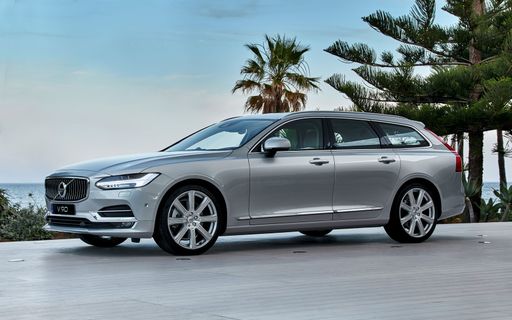
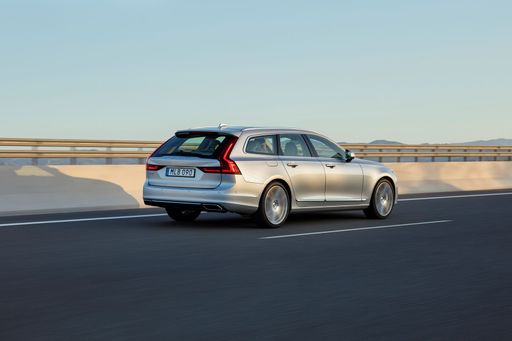
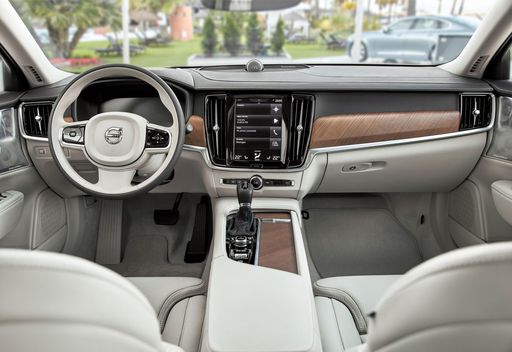
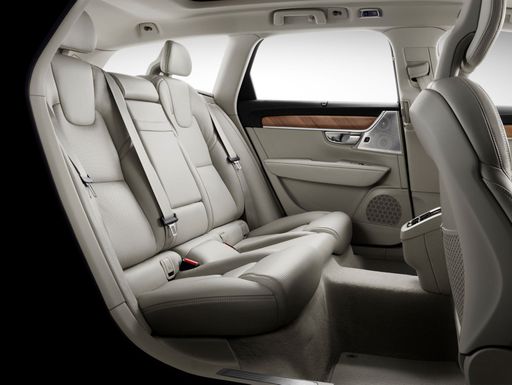
The Volvo V90 blends Scandinavian elegance with estate practicality, delivering a composed ride and an interior that's both luxurious and perfectly sensible. Packed with clever storage and top-flight safety kit, it's the choice for buyers who want to look classy while hauling life's chaos — without making a fuss about it.
details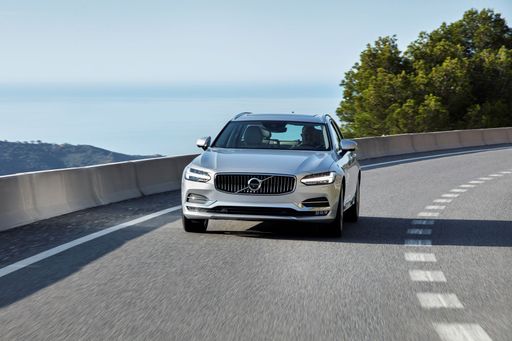
NIO ET7
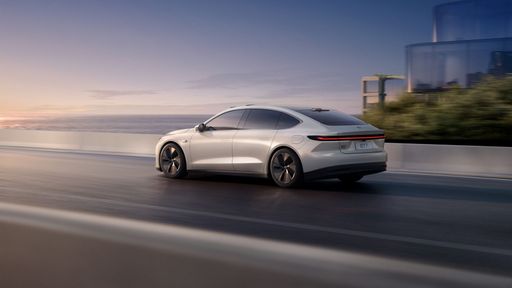
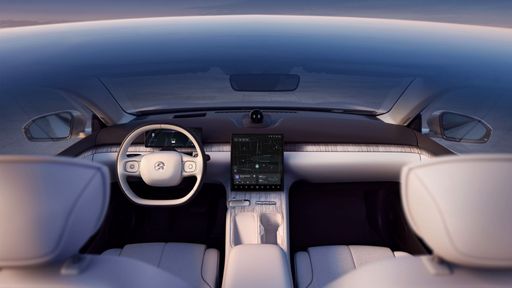
The NIO ET7 arrives like a calm thunderstorm — sleek, silent and unapologetically clever, turning motorway cruising into the sort of effortless glide that makes other cars feel noisy and rehearsed. Inside, it's all luxury sofas and smart gadgets that actually help rather than confuse, so buyers who crave tech and comfort will feel like they've upgraded their life without needing to spellcheck the manual.
details
Volvo V90
NIO ET7
Costs and Consumption |
|
|---|---|
|
Price
62,300 - 71,700 £
|
Price
59,900 - 68,900 £
|
|
Consumption L/100km
0.8 L/100km
|
Consumption L/100km
-
|
|
Consumption kWh/100km
-
|
Consumption kWh/100km
19 - 19.3 kWh/100km
|
|
Electric Range
88 km
|
Electric Range
451 - 584 km
|
|
Battery Capacity
14.7 kWh
|
Battery Capacity
73.5 - 90 kWh
|
|
co2
18 g/km
|
co2
0 g/km
|
|
Fuel tank capacity
60 L
|
Fuel tank capacity
-
|
Dimensions and Body |
|
|---|---|
|
Body Type
Estate
|
Body Type
Sedan
|
|
Seats
5
|
Seats
5
|
|
Doors
5
|
Doors
4
|
|
Curb weight
2,075 kg
|
Curb weight
2,434 - 2,454 kg
|
|
Trunk capacity
488 L
|
Trunk capacity
363 L
|
|
Length
4,945 mm
|
Length
5,101 mm
|
|
Width
1,879 mm
|
Width
1,987 mm
|
|
Height
1,472 mm
|
Height
1,509 mm
|
|
Max trunk capacity
1,454 L
|
Max trunk capacity
-
|
|
Payload
515 kg
|
Payload
446 - 466 kg
|
Engine and Performance |
|
|---|---|
|
Engine Type
Plug-in Hybrid
|
Engine Type
Electric
|
|
Transmission
Automatic
|
Transmission
Automatic
|
|
Transmission Detail
Automatic Gearbox
|
Transmission Detail
Reduction Gearbox
|
|
Drive Type
All-Wheel Drive
|
Drive Type
All-Wheel Drive
|
|
Power HP
398 - 455 HP
|
Power HP
653 HP
|
|
Acceleration 0-100km/h
4.8 - 5.5 s
|
Acceleration 0-100km/h
3.8 s
|
|
Max Speed
180 km/h
|
Max Speed
200 km/h
|
|
Torque
659 - 709 Nm
|
Torque
850 Nm
|
|
Number of Cylinders
4
|
Number of Cylinders
-
|
|
Power kW
293 - 335 kW
|
Power kW
480 kW
|
|
Engine capacity
1,969 cm3
|
Engine capacity
-
|
General |
|
|---|---|
|
Model Year
2024
|
Model Year
2022
|
|
CO2 Efficiency Class
B
|
CO2 Efficiency Class
A
|
|
Brand
Volvo
|
Brand
NIO
|
DriveDuel uses data analysis and artificial intelligence to evaluate vehicle data and create content. Content is regularly reviewed and improved.
The displayed prices are estimates based on German list prices, adjusted to the respective country’s VAT. Country-specific registration taxes are not included. This information is not legally binding.