VS

VW Passat vs Polestar 2 comparison

Compare performance (272 HP vs 476 HP), boot space and price (36,500 £ vs 45,200 £ ) at a glance. Find out which car is the better choice for you – VW Passat or Polestar 2?

VW Passat vs Polestar 2: Key differences

VW Passat

4.8 (4 Reviews)
rate
  • noticeably cheaper
  • noticeably lighter
  • clearly more trunk space
details

Polestar 2

5 (2 Reviews)
rate
  • considerably more power
  • clearly more electric range
  • considerably quicker 0–100 km/h
details

All details on performance, efficiency, range and trunk space can be found in the technical comparison below – including user reviews for both models.

By Achim Sedelmaier

Passat

Dynamic Duo: VW Passat vs. Polestar 2

In the ever-evolving automotive industry, two key players stand out in 2024: the VW Passat and the Polestar 2. These vehicles cater to diverse needs and preferences, representing a traditional legacy and modern innovation, respectively. Let's delve into a comparative analysis of these exemplary models, focusing on their technical details, innovations, and performance metrics.

2

Body Type and Dimensions

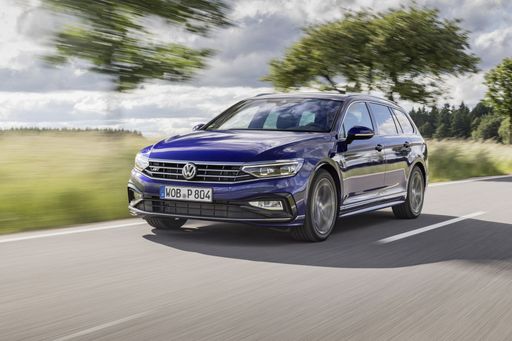
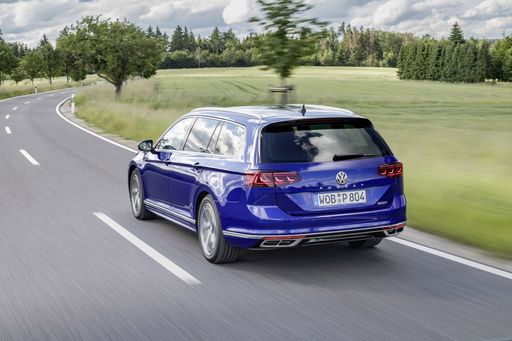
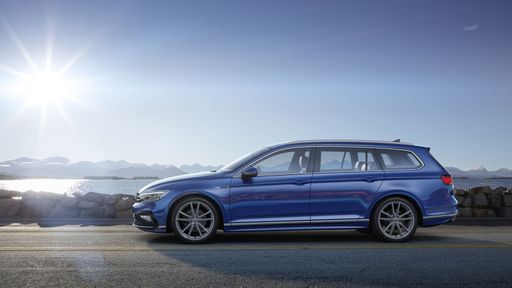
The VW Passat is a classic wagon, stretching 4917 mm in length and offering generous trunk space of up to 690 liters. It boasts a width of 1849 mm and a height of 1521 mm, making it a practical choice for families and long-distance travel enthusiasts.

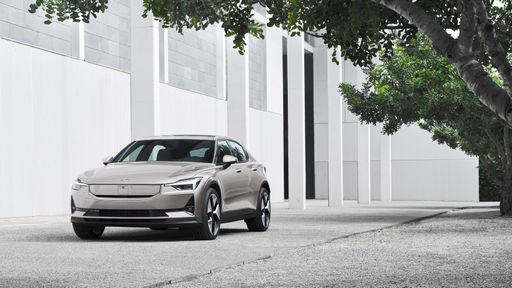
On the other hand, the Polestar 2 retains a sleek hatchback design. Slightly more compact, it measures 4606 mm in length, with a width of 1859 mm and a height of around 1479 mm. Offering a trunk capacity of 405 liters, it caters to city dwellers and eco-conscious drivers with an eye for style.

Passat

Powertrain and Performance

The VW Passat provides versatility with its array of engine options, including plug-in hybrid, petrol mild-hybrid, diesel, and standard petrol. It offers power ranging from 122 HP to an impressive 272 HP with various torque levels up to 400 Nm. This model accelerates from 0-100 km/h in as fast as 5.8 seconds, with top speeds reaching 250 km/h, a feat supported by its dual-clutch automatic transmission. Furthermore, it can be equipped with either front-wheel or all-wheel drive systems.

Meanwhile, the Polestar 2, an all-electric vehicle, shines with its cutting-edge green technology. It comes in all-wheel and rear-wheel drive, with power ranging from 272 HP to an astonishing 476 HP. The electric motors deliver instant torque, propelling the car from 0-100 km/h in just 4.2 seconds. The Polestar 2 promises an environmentally friendly ride with zero emissions, boasting an efficient consumption rate as low as 14.7 kWh/100km.


2

Range and Efficiency

The Passat's plug-in hybrid variant offers an electric range between 118 km and 126 km, courtesy of its 19.7 kWh battery. In terms of fuel efficiency, the hybrid model claims as low as 0.4 L/100km, balanced with a fuel tank capacity of 45-66 liters to ensure lengthy journeys require fewer stops.

The Polestar 2 sets a benchmark in electric mobility with a remarkable range of up to 659 km on a single charge, thanks to its robust 78 kWh battery. This makes it an ideal choice for cutting down emissions while also reducing the frequency of recharges.

Passat

Interior and Comfort

Both the Passat and Polestar 2 accommodate five passengers comfortably. However, the Passat takes the lead in cargo space, making it particularly appealing for those needing ample storage for family outings or business trips.

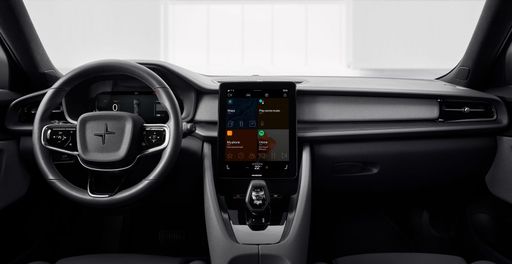
The Polestar 2 prioritizes a minimalist interior design with high-tech features, aiming to provide an intuitive user experience. The use of sustainable materials enhances its eco-friendly allure without compromising on luxury.

2

Conclusion

The VW Passat and Polestar 2 serve distinct niches in the 2024 automotive market. The Passat charms with its blend of traditional engineering excellence and modern hybrid innovations. In contrast, the Polestar 2 stands as a beacon of advanced electric mobility, ideal for those committed to sustainability.

Ultimately, the choice between these two models boils down to individual requirements—whether that's versatility and long-range comfort resulting in the Passat, or a pledge to sustainability and avant-garde technology represented by the Polestar 2. Each vehicle sketches its own vision for the future of driving.

Here’s where it gets real: The technical differences in detail

Passat

Costs and Efficiency:

Price and efficiency are key factors when choosing a car – and this is often where the real differences emerge.

VW Passat is noticeably cheaper – starting at 36,500 £ , while the Polestar 2 costs 45,200 £ . That’s a price difference of around 8,700 £.

As for electric range, the Polestar 2 offers clearly more range – reaching up to 659 km, about 524 km more than the VW Passat.

2

Engine and Performance:

Under the bonnet, it becomes clear which model is tuned for sportiness and which one takes the lead when you hit the accelerator.

When it comes to engine power, the Polestar 2 offers considerably more power – delivering 476 HP compared to 272 HP. That’s roughly 204 HP more horsepower.

When accelerating from 0 to 100 km/h, the Polestar 2 is considerably quicker – completing the sprint in 4.2 s, while the VW Passat takes 7.1 s. That’s about 2.9 s quicker.

There’s also a difference in torque: the Polestar 2 delivers considerably more torque with 740 Nm compared to 400 Nm. That’s about 340 Nm more.

Passat

Space and Everyday Use:

Beyond pure performance, interior space and usability matter most in daily life. This is where you see which car is more practical and versatile.

Both vehicles offer seating for 5 people.

In terms of curb weight, VW Passat is noticeably lighter – 1,573 kg compared to 2,069 kg. The difference is around 496 kg.

Looking at boot space, the VW Passat offers clearly more boot space – 690 L compared to 405 L. That’s a difference of about 285 L.

When it comes to payload, the VW Passat carries clearly more – 577 kg compared to 421 kg. That’s a difference of about 156 kg.

Who wins the race in the data check?

The Polestar 2 holds a decisive overall lead in the objective data comparison.
This result only shows which model scores more points on paper – not which of the two cars feels right for you.

from £45,200
2

Polestar 2

  • Engine Type Electric
  • Transmission Automatic
  • Drive Type All-Wheel Drive, Rear-Wheel Drive
  • Power HP 299 - 476 HP
  • Consumption kWh/100km 14.8 - 16.8 kWh/100km
  • Electric Range 568 - 659 km
VW Passat
Polestar 2

Costs and Consumption

View detailed analysis

Engine and Performance

View detailed analysis

Dimensions and Body

View detailed analysis

VW Passat

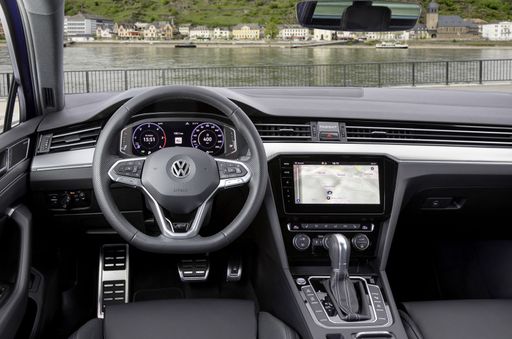
The VW Passat is the grown-up family car that gets the basics absolutely right — roomy, comfortable and built to handle weekday commutes and weekend getaways without fuss. It won't set your pulse racing, but its calm composure and sensible packaging make it boring in the best possible way: a dependable, no‑drama choice for buyers who value practicality over flash.

details

Polestar 2

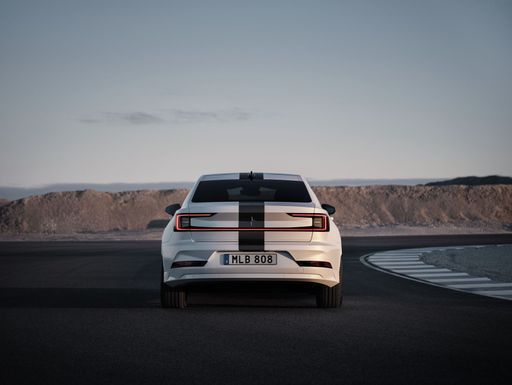
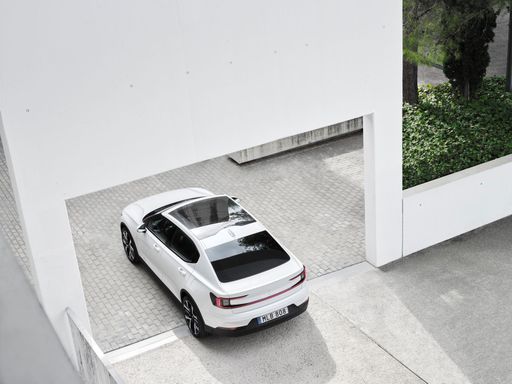
The Polestar 2 is a crisp, Scandinavian-styled electric liftback that pairs minimalist luxury with a focused, driver's attitude. It feels agile and composed whether you’re commuting or heading out for the weekend, with a tech-forward cabin and enough personality to make everyday driving a bit more fun.

details
VW Passat
Polestar 2

Costs and Consumption

Price
36,500 - 58,500 £
Price
45,200 - 57,400 £
Consumption L/100km
1.2 - 5.8 L/100km
Consumption L/100km
-
Consumption kWh/100km
-
Consumption kWh/100km
14.8 - 16.8 kWh/100km
Electric Range
124 - 135 km
Electric Range
568 - 659 km
Battery Capacity
-
Battery Capacity
78 kWh
co2
28 - 153 g/km
co2
0 g/km
Fuel tank capacity
-
Fuel tank capacity
-

Dimensions and Body

Body Type
Estate
Body Type
Sedan
Seats
5
Seats
5
Doors
-
Doors
5
Curb weight
1,573 - 1,858 kg
Curb weight
2,069 - 2,188 kg
Trunk capacity
510 - 690 L
Trunk capacity
405 L
Length
-
Length
4,606 mm
Width
1,849 mm
Width
1,859 mm
Height
-
Height
1,473 - 1,479 mm
Max trunk capacity
-
Max trunk capacity
1,095 L
Payload
501 - 577 kg
Payload
412 - 421 kg

Engine and Performance

Engine Type
Petrol MHEV, Diesel, Plugin Hybrid
Engine Type
Electric
Transmission
Automatic
Transmission
Automatic
Transmission Detail
Dual-Clutch Automatic
Transmission Detail
Reduction Gearbox
Drive Type
Front-Wheel Drive, All-Wheel Drive
Drive Type
All-Wheel Drive, Rear-Wheel Drive
Power HP
122 - 272 HP
Power HP
299 - 476 HP
Acceleration 0-100km/h
7.1 - 10.7 s
Acceleration 0-100km/h
4.2 - 6.2 s
Max Speed
-
Max Speed
205 km/h
Torque
250 - 400 Nm
Torque
490 - 740 Nm
Number of Cylinders
4
Number of Cylinders
-
Power kW
90 - 200 kW
Power kW
220 - 350 kW
Engine capacity
1,498 - 1,968 cm3
Engine capacity
-

General

Model Year
2,024 - 2,025
Model Year
2024
CO2 Efficiency Class
D, E, B
CO2 Efficiency Class
A
Brand
VW
Brand
Polestar
DriveDuel uses data analysis and artificial intelligence to evaluate vehicle data and create content. Content is regularly reviewed and improved. The displayed prices are estimates based on German list prices, adjusted to the respective country’s VAT. Country-specific registration taxes are not included. This information is not legally binding.