Aston Martin DBS Superleggera Coupe Coupe, starting at 306,000 £

The Aston Martin DBS Superleggera Coupe looks like it was chiseled by a sculptor with a need for speed, pairing aristocratic elegance with a deliberately brutal stance. It delivers a mood‑altering soundtrack and intoxicating shove that turns ordinary drives into cinematic escapes — perfect for buyers who want drama without sacrificing refinement.

Reviews & community

All real reviews and experiences about the Aston Martin DBS Superleggera Coupe in one place.

To community

Technical data, trims & prices

All technical data, dimensions and equipment details of this model at a glance.

To technical data

Alternative car models

Discover similar models and possible alternatives to this vehicle.

To alternatives

£306,000
DBS Superleggera Coupe

Aston Martin DBS Superleggera Coupe

  • Engine Type : Petrol
  • Transmission : Automatic
  • Drive Type : Rear-Wheel Drive
  • Power HP : 770 HP
  • Consumption L/100km : 13.5 L/100km

Stare-Down Presence

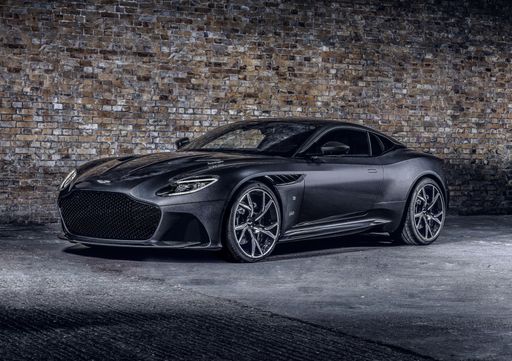
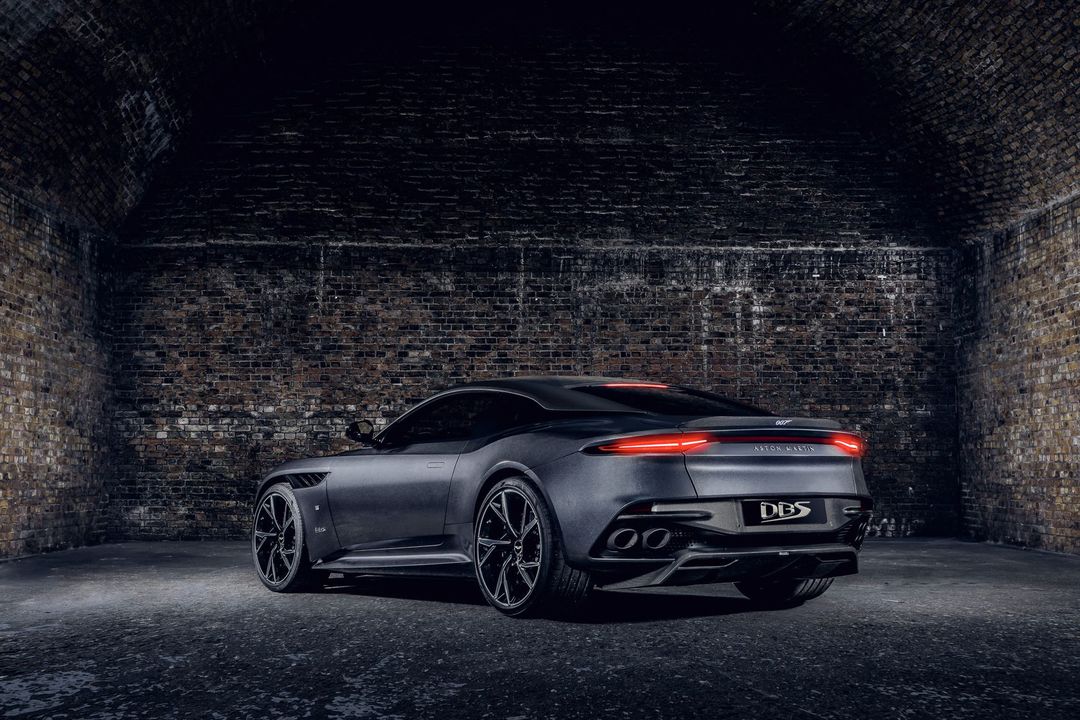
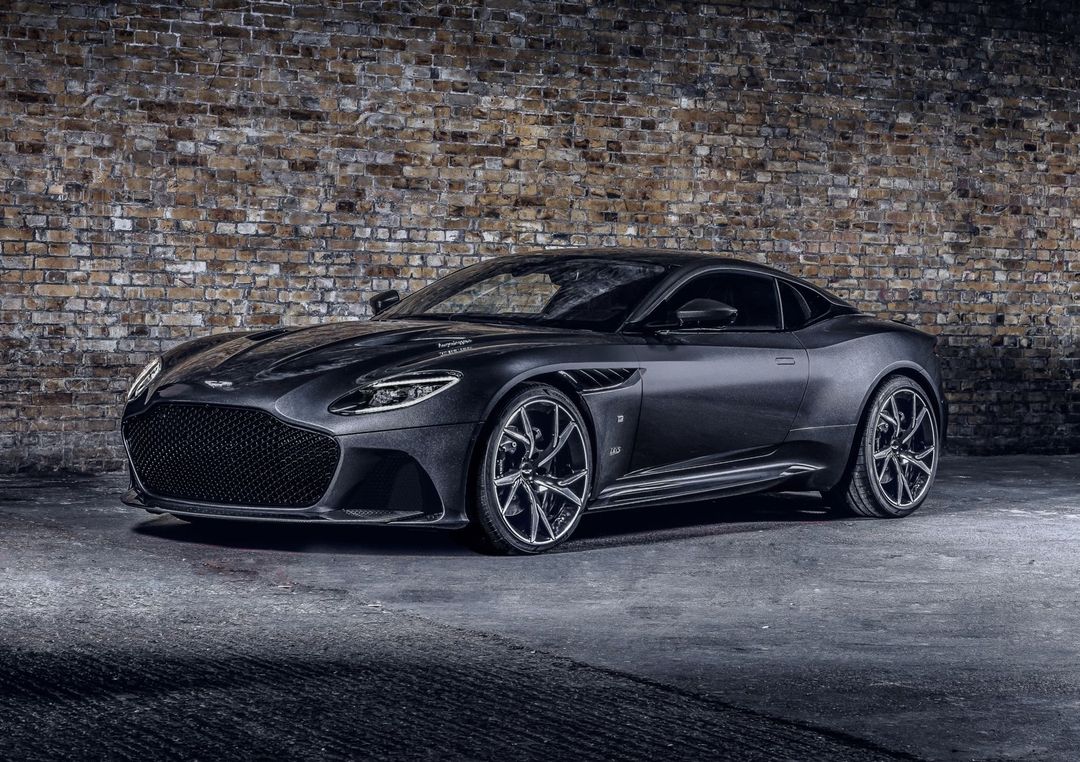
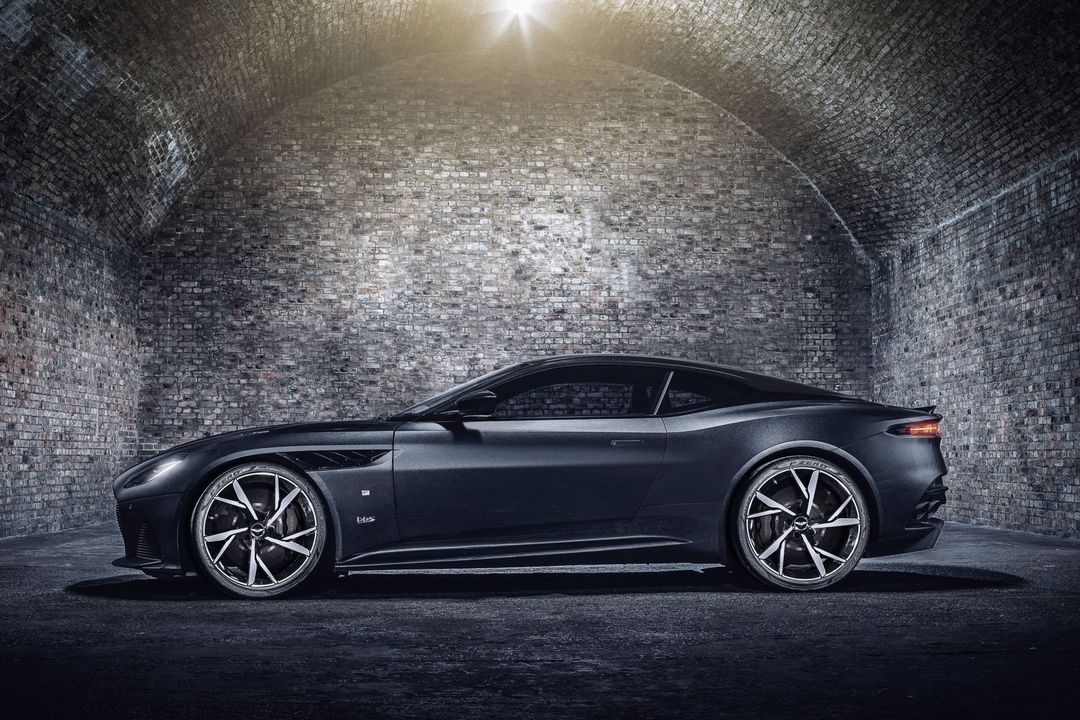
The DBS Superleggera announces itself before it arrives, a low-slung beast with a long bonnet, muscular haunches and aggressive aero that still reads as elegant rather than overdone. At 4,715 mm long and 1,970 mm wide the proportions are classic front‑engined GT, while signature carbon components and a wide grille give it true supercar presence. Current line‑up includes high‑power variants such as the 770 hp DBS 770 Ultimate, so the looks match an engine that's equally serious.
Cockpit and Craft

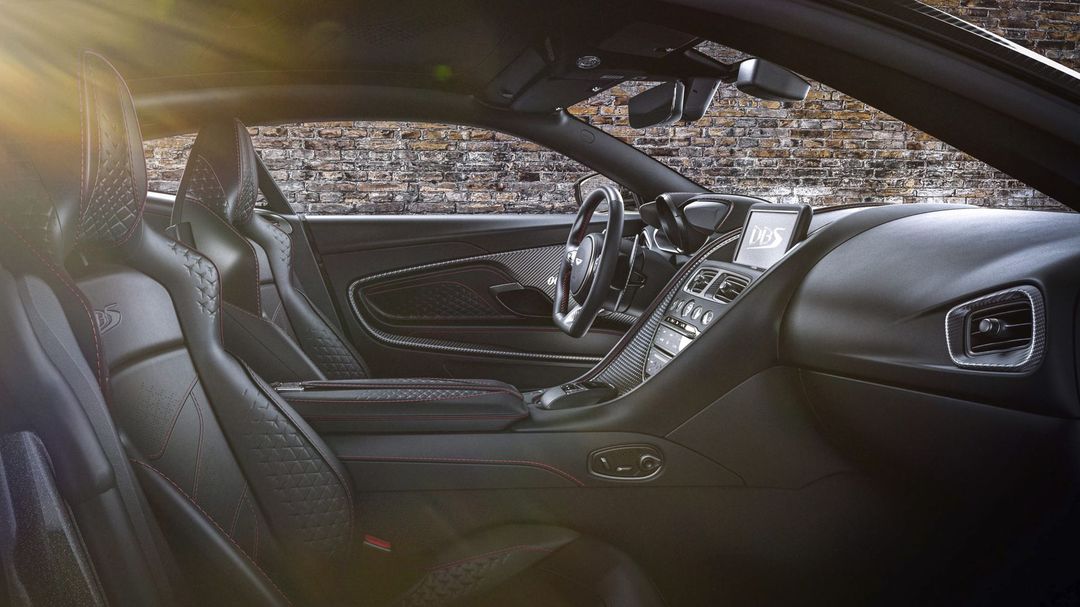
Inside, the DBS mixes handmade leather, Alcantara and exposed carbon with a driver‑focused layout where physical switches remain prominent over touch‑only menus. Seats are supportive and heated, and it’s trimmed to a very high standard overall, but rear seats are tight and the centre console leans toward the sporty end of comfort. Material quality and fit are rival‑class but infotainment ergonomics feel a step behind the latest German rivals.

Everyday Stuff: Space & Practicality

Practicality is typical of a front‑engined two‑plus‑two GT: there are four seats on paper, but the rear pair suit children or overnight luggage more than full‑size adults. The boot holds 270 litres, enough for a couple of weekend bags but not for full touring kit, and kerb weight of 1,845 kg gives a solid, planted feel. A 75‑litre tank helps long‑distance range, but payload is limited at 420 kg so plan luggage and passengers accordingly.

How It Drives: Pace and Poise

Under the bonnet sits a twin‑turbo V12 5.2‑litre that produces 770 hp and 900 Nm, enough for a 0–100 km/h in 3.4 seconds and a top speed around 338 km/h. On public roads the punch is immediate and abundant, with effortless overtakes and a soundtrack that keeps attention up a few octaves. Rear‑wheel drive and a slick automatic gearbox reward precise throttle input: it's fast enough to embarrass supercars but best enjoyed with restraint rather than flat‑out bravado.

Chassis: Handling and Comfort

The DBS is a grand tourer that can attack a B‑road thanks to a stiff chassis, adaptive damping and sharp steering that balances agility with composure. Ride quality is firm but controlled — capable of soaking motorway miles while still offering feedback when pushed — and the brakes are muscular enough to reassure at high speed. Weight is noticeable compared with mid‑engine rivals, but the suspension setup keeps roll in check and makes the car feel more GT than racecar on everyday roads.

Fuel, Range and Daily Costs

Fuel consumption is hefty at around 13.5 L/100 km in mixed driving, which translates to roughly a theoretical maximum range of about 550–560 km from the 75‑litre tank if driven gently. In real‑world town and spirited driving that figure falls considerably, and CO2 emissions are high at 314 g/km, so operating costs and taxes will reflect that. Owning a DBS is therefore more about experience than economy: expect frequent fill‑ups and premium fuel bills.

Electronics: Screens, Help and What's Missing

Aston's infotainment blends a tablet‑style screen with physical controls but the interface and connectivity lag the slickest systems from German rivals, so smartphone integration and navigation can feel slightly dated. Driver assistance covers the essentials — adaptive cruise, parking sensors and stability aids — but advanced semi‑autonomous features are limited compared with luxury saloons. For buyers the trade‑off is clear: fewer digital frills but more tactile controls and a focus on the driving experience.

Who Is It For?

The DBS Superleggera is aimed at buyers who want a dramatic, V12‑powered grand tourer that looks and sounds special, not someone chasing the best fuel economy or maximum rear‑seat practicality. It suits owners who alternate long motorway runs with weekend blasts on scenic roads and who value craftsmanship and presence over superstar tech dashboards. If priority is headline acceleration — 770 hp and a 3.4‑second sprint — paired with theatrical styling and exclusivity, this is a strong contender; for everyday sensibility there are more economical alternatives.

Costs and Consumption

Price
306,000 £
Consumption L/100km
13.5 L/100km
Consumption kWh/100km
-
Electric Range
-
Battery Capacity
-
co2
314 g/km
Fuel tank capacity
75 L

Dimensions and Body

Body Type
Coupe
Seats
4
Doors
3
Curb weight
1,845 kg
Trunk capacity
270 L
Length
4,715 mm
Width
1,970 mm
Height
1,285 mm
Max trunk capacity
-
Payload
420 kg

Engine and Performance

Engine Type
Petrol
Transmission
Automatic
Transmission Detail
Automatic Gearbox
Drive Type
Rear-Wheel Drive
Power HP
770 HP
Acceleration 0-100km/h
3.4 s
Max Speed
338 km/h
Torque
900 Nm
Number of Cylinders
12
Power kW
566 kW
Engine capacity
5,204 cm3

General

Model Year
2023
CO2 Efficiency Class
G
Brand
Aston Martin
What drivetrain options does the Aston Martin DBS Superleggera Coupe have?

Available configurations include Rear-Wheel Drive.

DriveDuel uses data analysis and artificial intelligence to evaluate vehicle data and create content. Content is regularly reviewed and improved. The displayed prices are estimates based on German list prices, adjusted to the respective country’s VAT. Country-specific registration taxes are not included. This information is not legally binding.