
 Deutschland
 France
 Nederland
 Great Britain
 Sverige
 Danmark
 Suomi
Suomi Italia
 Polska
 Česko
Česko España
VS
Abarth 500 595 695 vs Porsche Panamera comparison
Compare performance (155 HP vs 782 HP), boot space and price (32,600 £ vs 99,800 £ ) at a glance. Find out which car is the better choice for you – Abarth 500 595 695 or Porsche Panamera?
Abarth 500 595 695 vs Porsche Panamera: Key differences
500 595 695
Costs and Efficiency:
Price and efficiency are key factors when choosing a car – and this is often where the real differences emerge.
Abarth 500 595 695 is considerably cheaper – starting at 32,600 £ , while the Porsche Panamera costs 99,800 £ . That’s a price difference of around 67,209 £.
As for electric range, the Abarth 500 595 695 offers significantly more range – reaching up to 265 km, about 168 km more than the Porsche Panamera.
Panamera
Engine and Performance:
Power, torque and acceleration say a lot about how a car feels on the road. This is where you see which model delivers more driving dynamics.
When it comes to engine power, the Porsche Panamera offers considerably more power – delivering 782 HP compared to 155 HP. That’s roughly 627 HP more horsepower.
When accelerating from 0 to 100 km/h, the Porsche Panamera is clearly quicker – completing the sprint in 2.9 s, while the Abarth 500 595 695 takes 7 s. That’s about 4.1 s quicker.
There’s also a difference in torque: the Porsche Panamera delivers significantly more torque with 1,000 Nm compared to 235 Nm. That’s about 765 Nm more.
500 595 695
Space and Everyday Use:
Cabin size, boot volume and payload all play a role in everyday practicality. Here, comfort and flexibility make the difference.
Both vehicles offer seating for 4 people.
In terms of curb weight, Abarth 500 595 695 is visibly lighter – 1,410 kg compared to 1,960 kg. The difference is around 550 kg.
Looking at boot space, the Porsche Panamera offers significantly more boot space – 494 L compared to 185 L. That’s a difference of about 309 L.
When it comes to payload, the Porsche Panamera carries visibly more – 545 kg compared to 385 kg. That’s a difference of about 160 kg.
Who wins the race in the data check?
The Porsche Panamera holds a decisive overall lead in the objective data comparison.
This result only shows which model scores more points on paper – not which of the two cars feels right for you.
from £99,800
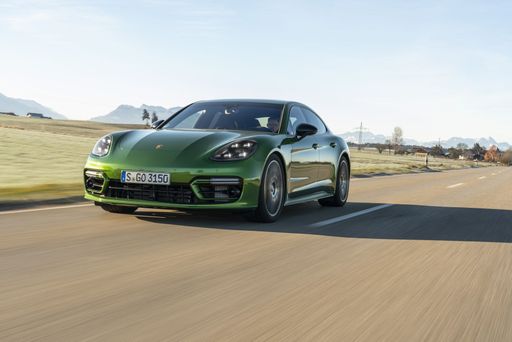
Porsche Panamera
Abarth 500 595 695
Porsche Panamera
Costs and Consumption
View detailed analysis
View detailed analysis
Engine and Performance
View detailed analysis
View detailed analysis
Dimensions and Body
View detailed analysis
View detailed analysis
Abarth 500 595 695
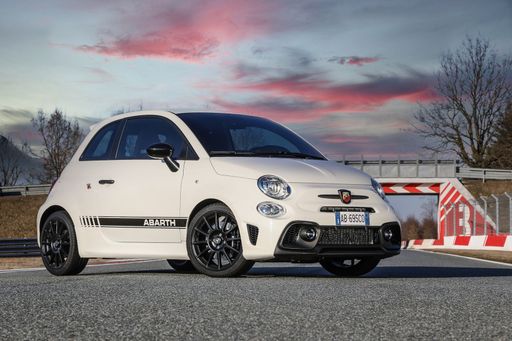
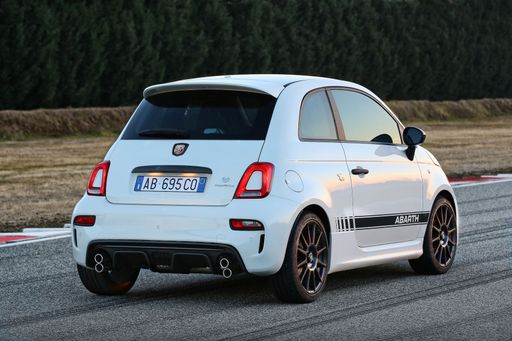
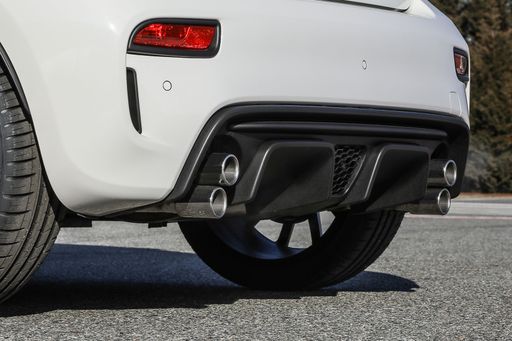
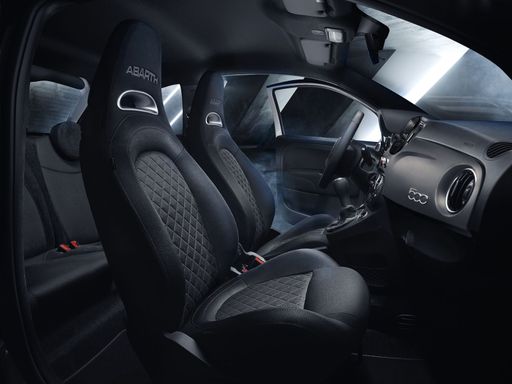
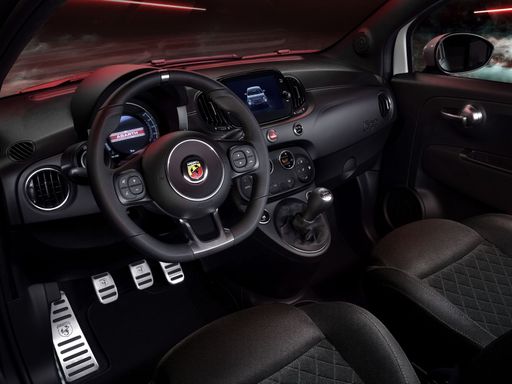
The Abarth 500, particularly in its 595 and 695 renditions, captures the spirit of Italian motoring with its compact yet aggressive design. Known for its lively performance and distinctive styling, this little powerhouse is a joy to drive, offering an engaging experience that appeals to enthusiasts. With its rich motorsport heritage, the Abarth 500 embodies the essence of fun and excitement on both the streets and the race track.
details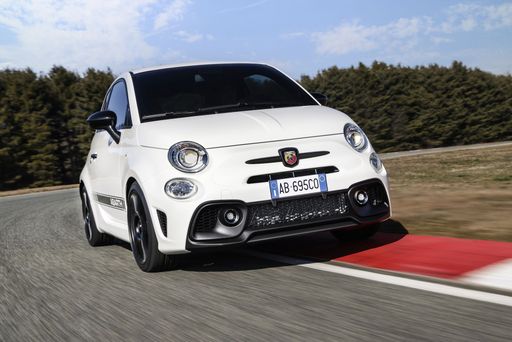
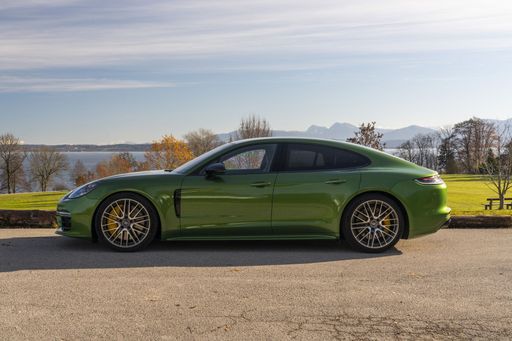
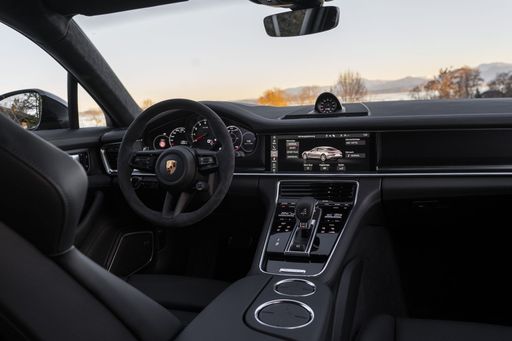
Porsche Panamera
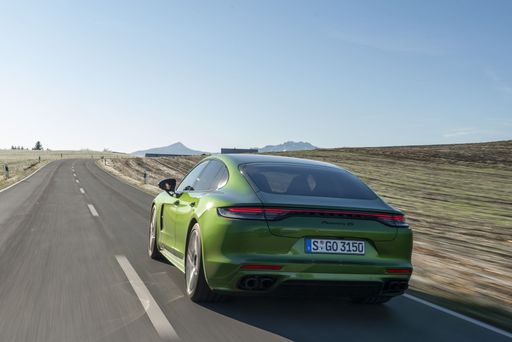
The Porsche Panamera blends sports-car sharpness with luxury-sedan refinement, serving driving thrills up front while pampering passengers in the back. Poised, polished and mischievously quick, it’s the car for buyers who want exotic performance without losing everyday comfort.
details
Abarth 500 595 695
Porsche Panamera
Costs and Consumption |
|
|---|---|
|
Price
32,600 - 38,600 £
|
Price
99,800 - 212,100 £
|
|
Consumption L/100km
-
|
Consumption L/100km
3 - 12 L/100km
|
|
Consumption kWh/100km
17.1 - 18.8 kWh/100km
|
Consumption kWh/100km
-
|
|
Electric Range
242 - 265 km
|
Electric Range
83 - 97 km
|
|
Battery Capacity
-
|
Battery Capacity
21.8 kWh
|
|
co2
0 g/km
|
co2
69 - 274 g/km
|
|
Fuel tank capacity
-
|
Fuel tank capacity
75 - 90 L
|
Dimensions and Body |
|
|---|---|
|
Body Type
Hatchback
|
Body Type
Hatchback
|
|
Seats
4
|
Seats
4
|
|
Doors
-
|
Doors
5
|
|
Curb weight
1,410 - 1,435 kg
|
Curb weight
1,960 - 2,535 kg
|
|
Trunk capacity
185 L
|
Trunk capacity
421 - 494 L
|
|
Length
-
|
Length
5,052 - 5,204 mm
|
|
Width
1,682 mm
|
Width
1,937 mm
|
|
Height
-
|
Height
1,415 - 1,428 mm
|
|
Max trunk capacity
-
|
Max trunk capacity
1,255 - 1,385 L
|
|
Payload
370 - 385 kg
|
Payload
340 - 545 kg
|
Engine and Performance |
|
|---|---|
|
Engine Type
Electric
|
Engine Type
Petrol, Plugin Hybrid
|
|
Transmission
Automatic
|
Transmission
Automatic
|
|
Transmission Detail
Reduction Gearbox
|
Transmission Detail
Dual-Clutch Automatic
|
|
Drive Type
Front-Wheel Drive
|
Drive Type
Rear-Wheel Drive, All-Wheel Drive
|
|
Power HP
155 HP
|
Power HP
353 - 782 HP
|
|
Acceleration 0-100km/h
7 s
|
Acceleration 0-100km/h
2.9 - 5.3 s
|
|
Max Speed
-
|
Max Speed
270 - 325 km/h
|
|
Torque
235 Nm
|
Torque
500 - 1,000 Nm
|
|
Number of Cylinders
-
|
Number of Cylinders
6 - 8
|
|
Power kW
114 kW
|
Power kW
260 - 575 kW
|
|
Engine capacity
-
|
Engine capacity
2,894 - 3,996 cm3
|
General |
|
|---|---|
|
Model Year
2023
|
Model Year
2025
|
|
CO2 Efficiency Class
A
|
CO2 Efficiency Class
G, B, C
|
|
Brand
Abarth
|
Brand
Porsche
|
DriveDuel uses data analysis and artificial intelligence to evaluate vehicle data and create content. Content is regularly reviewed and improved.
The displayed prices are estimates based on German list prices, adjusted to the respective country’s VAT. Country-specific registration taxes are not included. This information is not legally binding.