VS

Audi A6 e-tron Avant vs VW ID.7 Touring comparison

Compare performance (551 HP vs 340 HP), boot space and price (55,200 £ vs 47,100 £ ) at a glance. Find out which car is the better choice for you – Audi A6 e-tron Avant or VW ID.7 Touring?

Audi A6 e-tron Avant vs VW ID.7 Touring: Key differences

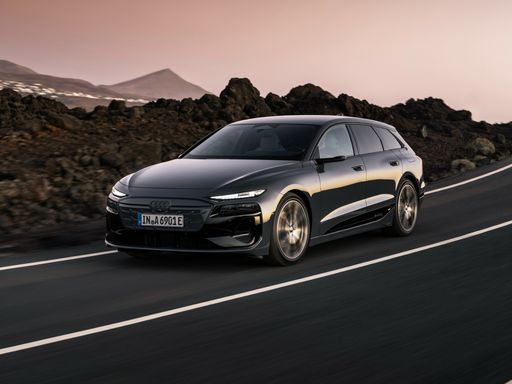
Audi A6 e-tron Avant

3.4 (3 Reviews)
rate
  • visibly more power
  • marginally more electric range
  • clearly quicker 0–100 km/h
  • very slightly lighter
details

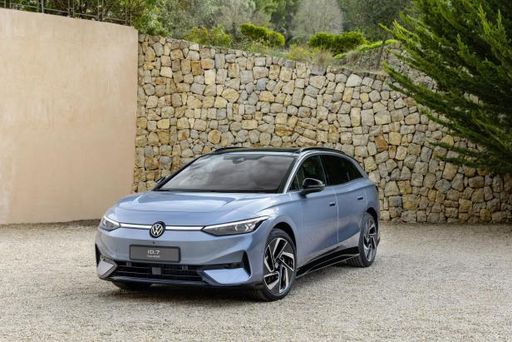
VW ID.7 Touring

5 (2 Reviews)
rate
  • somewhat cheaper
  • only slightly more efficient
  • somewhat more trunk space
details

By Achim Sedelmaier

A6 e-tron Avant

A Futuristic Face-off: Audi A6 e-tron Avant vs. VW ID.7 Touring

As the automotive industry shifts toward electrification, two respected brands, Audi and Volkswagen, present compelling offerings: the Audi A6 e-tron Avant and the VW ID.7 Touring. Both models exemplify innovation, sustainability, and luxury, making them standout contenders in the electric wagon segment. Let’s take a closer look at their features, specifications, and innovations.

ID.7 Touring

Powertrains and Performance

The Audi A6 e-tron Avant presents a range of power options, from a robust 381 HP rear-wheel drive variant to a thrilling 551 HP all-wheel-drive version. This ensures a dynamic performance tailored to diverse driving preferences. Acceleration is impressive across the board, with the top variant achieving 0-100 km/h in just 3.9 seconds, reflecting Audi's commitment to performance.

In comparison, the VW ID.7 Touring offers a more modest power output with options of 286 HP and 340 HP. Although its acceleration (with its top variant reaching 0-100 km/h in 5.5 seconds) is respectable, it doesn't quite match the performance peaks of the A6 e-tron Avant. Both models feature automatic transmission with a reduction gearbox, contributing to smooth and efficient rides.

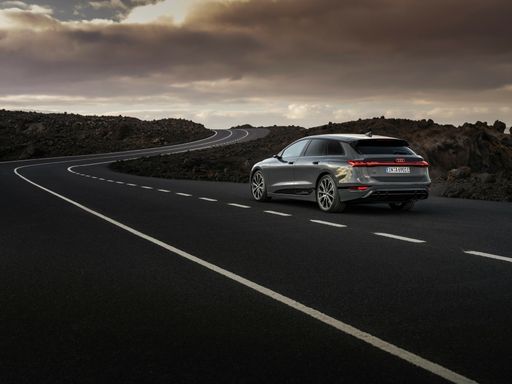
A6 e-tron Avant

Electric Efficiency and Range

When it comes to electric efficiency, the Audi A6 e-tron Avant showcases not only its sporty appeal but also commendable efficiency, consuming between 14.8 and 17 kWh/100km depending on the variant. Notably, the car boasts an impressive electric range of up to 716 km, providing long-haul capabilities that are perfect for eco-conscious travelers.

On the other hand, the VW ID.7 Touring is similarly competitive with a consumption rate of 14.4 to 16.6 kWh/100km and an electric range of up to 690 km. While the range is slightly lower than that of the A6 e-tron Avant, it still holds up excellently in the realm of electric vehicles.

ID.7 Touring

Design and Space Efficiency

Both models feature striking designs typical of their brands. The Audi A6 e-tron Avant is characterized by its luxurious proportions, measuring 4928 mm in length, 1923 mm in width, and 1527 mm in height. With a trunk capacity of 502 liters, it adeptly combines practicality with a sophisticated design, making it an excellent companion for daily tasks and long drives.

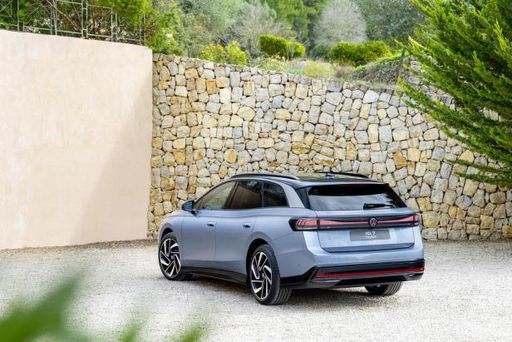
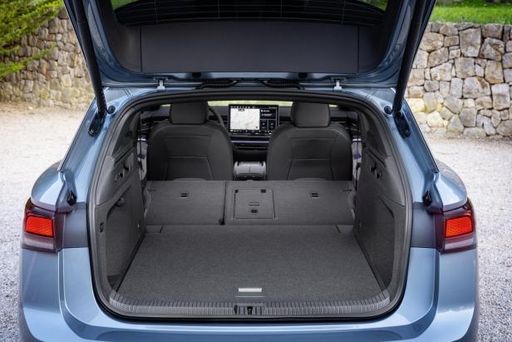
Meanwhile, the VW ID.7 Touring stands slightly taller and longer, measuring 4961 mm in length, 1862 mm in width, and 1551 mm in height, and provides more cargo space with 605 liters of trunk capacity. This added space makes it a highly versatile option for families and active individuals.

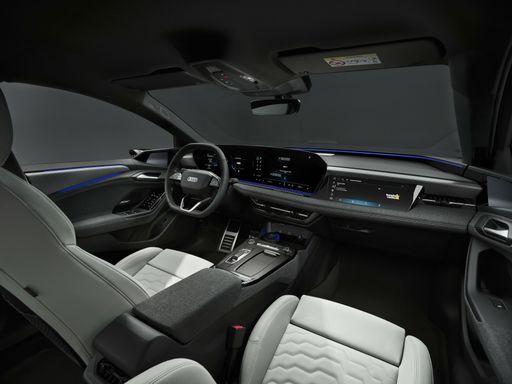
A6 e-tron Avant

Technological Innovations

Innovation goes beyond performance for both models. The Audi A6 e-tron Avant comes packed with cutting-edge technology, including advanced driver assistance systems and an intuitive infotainment interface. Its spacious cabin is designed with premium materials, reflecting Audi’s commitment to comfort and high-end design.

The VW ID.7 Touring also impresses with its modern infotainment and connectivity options. It features the latest software updates and user interfaces that cater to a digitally integrated lifestyle. The spacious interior and clever packaging lead to functional design solutions that enhance everyday usability.

ID.7 Touring

Sustainability and Environmental Impact

Both vehicles operate with zero tailpipe emissions, reflecting a broader trend toward sustainability in the automotive industry. They both fall into the 'A' category for CO2 efficiency, signaling their environmentally-friendly credentials. As electric vehicles become increasingly essential in the fight against climate change, both the Audi A6 e-tron Avant and VW ID.7 Touring represent critical steps forward in this journey.

The Verdict

Choosing between the Audi A6 e-tron Avant and VW ID.7 Touring ultimately boils down to personal preference. The Audi offers an exhilarating experience with superior performance and luxury, while the VW emphasizes practicality, space, and modern design at a potentially more accessible price point. Both vehicles are remarkable achievements in the realm of electric mobility, paving the way for the future of sustainable driving.

Here’s where it gets real: The technical differences in detail

A6 e-tron Avant

Costs and Efficiency:

When it comes to price and running costs, the biggest differences usually appear. This is often where you see which car fits your budget better in the long run.

VW ID.7 Touring is somewhat cheaper – starting at 47,100 £ , while the Audi A6 e-tron Avant costs 55,200 £ . That’s a price difference of around 8,181 £.

In terms of energy consumption, the VW ID.7 Touring is only slightly more efficient: consuming 14 kWh/100km compared to 14.8 kWh/100km for the Audi A6 e-tron Avant. That’s a difference of about 0.8 kWh/100km.

As for electric range, the Audi A6 e-tron Avant offers marginally more range – reaching up to 716 km, about 27 km more than the VW ID.7 Touring.

ID.7 Touring

Engine and Performance:

Power, torque and acceleration say a lot about how a car feels on the road. This is where you see which model delivers more driving dynamics.

When it comes to engine power, the Audi A6 e-tron Avant offers visibly more power – delivering 551 HP compared to 340 HP. That’s roughly 211 HP more horsepower.

When accelerating from 0 to 100 km/h, the Audi A6 e-tron Avant is clearly quicker – completing the sprint in 3.9 s, while the VW ID.7 Touring takes 5.5 s. That’s about 1.6 s quicker.

Looking at top speed, the Audi A6 e-tron Avant is noticeably faster – reaching 240 km/h, while the VW ID.7 Touring tops out at 180 km/h. The difference is around 60 km/h.

There’s also a difference in torque: the Audi A6 e-tron Avant delivers markedly more torque with 855 Nm compared to 679 Nm. That’s about 176 Nm more.

A6 e-tron Avant

Space and Everyday Use:

Whether family car or daily driver – which one offers more room, flexibility and comfort?

Both vehicles offer seating for 5 people.

In terms of curb weight, Audi A6 e-tron Avant is very slightly lighter – 2,185 kg compared to 2,191 kg. The difference is around 6 kg.

Looking at boot space, the VW ID.7 Touring offers somewhat more boot space – 605 L compared to 502 L. That’s a difference of about 103 L.

For maximum load capacity, the VW ID.7 Touring offers a bit more capacity – up to 1,714 L, about 292 L more than the Audi A6 e-tron Avant.

When it comes to payload, the Audi A6 e-tron Avant carries barely more – 500 kg compared to 465 kg. That’s a difference of about 35 kg.

Who wins the race in the data check?

The Audi A6 e-tron Avant holds a decisive overall lead in the objective data comparison.
This result only shows which model scores more points on paper – not which of the two cars feels right for you.

from £55,200
A6 e-tron Avant

Audi A6 e-tron Avant

  • Engine Type : Electric
  • Transmission : Automatic
  • Drive Type : Rear-Wheel Drive, All-Wheel Drive
  • Power HP : 326 - 551 HP
  • Consumption kWh/100km : 14.8 - 17 kWh/100km
  • Electric Range : 539 - 716 km
Audi A6 e-tron Avant
VW ID.7 Touring

Costs and Consumption

View detailed analysis

Engine and Performance

View detailed analysis

Dimensions and Body

View detailed analysis

Audi A6 e-tron Avant

The Audi A6 e-tron Avant wraps Audi's trademark refinement into a sleek electric estate that looks at home in the city or on the open road. Inside it's grown-up and tech-forward with practical packaging for family life, delivering a composed, confident drive that makes everyday hauling feel a bit more special and slightly futuristic.

details

VW ID.7 Touring

The VW ID.7 Touring blends sleek, aerodynamic fastback looks with estate practicality, delivering an electric family car that looks grown-up and feels refined. Inside it's calm and spacious with clever storage and modern tech, swallowing suitcases and weekend plans with ease — a sensible, slightly flashy choice for buyers who want electric comfort without giving up practicality.

details
Audi A6 e-tron Avant
VW ID.7 Touring

Costs and Consumption

Price
55,200 - 100,100 £
Price
47,100 - 54,900 £
Consumption L/100km
-
Consumption L/100km
-
Consumption kWh/100km
14.8 - 17 kWh/100km
Consumption kWh/100km
14 - 16.6 kWh/100km
Electric Range
539 - 716 km
Electric Range
584 - 689 km
Battery Capacity
75.8 - 94.9 kWh
Battery Capacity
77 - 86 kWh
co2
0 g/km
co2
0 g/km
Fuel tank capacity
-
Fuel tank capacity
-

Dimensions and Body

Body Type
Estate
Body Type
Estate
Seats
5
Seats
5
Doors
5
Doors
5
Curb weight
2,185 - 2,410 kg
Curb weight
2,191 - 2,336 kg
Trunk capacity
502 L
Trunk capacity
605 L
Length
4,928 mm
Length
4,961 mm
Width
1,923 mm
Width
1,862 mm
Height
1,504 - 1,527 mm
Height
1,549 - 1,551 mm
Max trunk capacity
1,422 L
Max trunk capacity
1,714 L
Payload
470 - 500 kg
Payload
459 - 465 kg

Engine and Performance

Engine Type
Electric
Engine Type
Electric
Transmission
Automatic
Transmission
Automatic
Transmission Detail
Reduction Gearbox
Transmission Detail
Reduction Gearbox
Drive Type
Rear-Wheel Drive, All-Wheel Drive
Drive Type
Rear-Wheel Drive, All-Wheel Drive
Power HP
326 - 551 HP
Power HP
286 - 340 HP
Acceleration 0-100km/h
3.9 - 6 s
Acceleration 0-100km/h
5.5 - 6.7 s
Max Speed
210 - 240 km/h
Max Speed
180 km/h
Torque
435 - 855 Nm
Torque
545 - 679 Nm
Number of Cylinders
-
Number of Cylinders
-
Power kW
240 - 405 kW
Power kW
210 - 250 kW
Engine capacity
-
Engine capacity
-

General

Model Year
2024
Model Year
2024
CO2 Efficiency Class
A
CO2 Efficiency Class
A
Brand
Audi
Brand
VW
DriveDuel uses data analysis and artificial intelligence to evaluate vehicle data and create content. Content is regularly reviewed and improved. The displayed prices are estimates based on German list prices, adjusted to the respective country’s VAT. Country-specific registration taxes are not included. This information is not legally binding.