VS

Skoda Enyaq vs VW ID.7 Touring comparison

Compare performance (340 HP vs 340 HP), boot space and price (36,800 £ vs 47,100 £ ) at a glance. Find out which car is the better choice for you – Skoda Enyaq or VW ID.7 Touring?

Skoda Enyaq vs VW ID.7 Touring: Key differences

Skoda Enyaq

4.4 (6 Reviews)
rate
  • visibly cheaper
  • barely quicker 0–100 km/h
  • only slightly lighter
details

VW ID.7 Touring

5 (2 Reviews)
rate
  • marginally more efficient
  • a bit more electric range
  • very slightly more trunk space
details

All details on performance, efficiency, range and trunk space can be found in the technical comparison below – including user reviews for both models.

By Achim Sedelmaier

Enyaq

Skoda Enyaq vs VW ID.7 Touring: which electric family car fits you best?

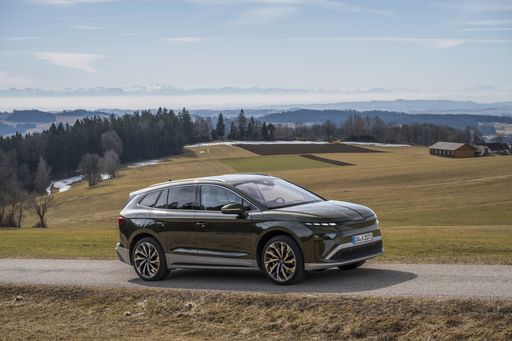
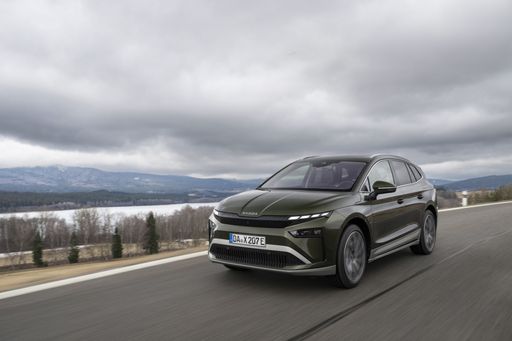
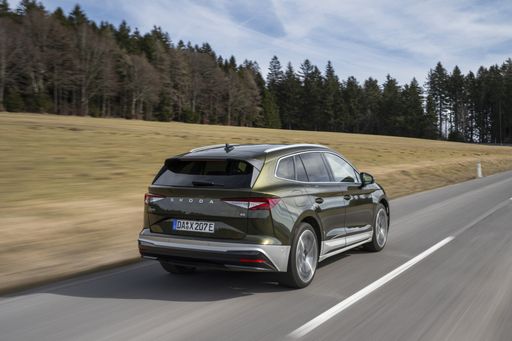
The Skoda Enyaq and VW ID.7 Touring chase the same brief with very different shapes: upright SUV versus long, low estate. Skoda Enyaq VS VW ID.7 Touring is a choice between easygoing utility and the unflustered glide of a big wagon. Both are impressively quiet and comfort‑led, but the VW leans into long‑distance efficiency while the Skoda majors on everyday friendliness. Your priorities—range and road-trip calm, or value and simple usefulness—will tip the balance.
ID.7 Touring

Long‑distance comfort and character

The VW ID.7 Touring is the better cruiser if you want to cover more motorway miles between stops; its low‑slung stance and excellent optional ergo seats make hours dissolve. The Skoda Enyaq is one of the hushed, most settled family EVs out there, with a reassuringly consistent fast‑charging routine that keeps trips stress‑free. On undulating surfaces the Enyaq can gently bob, whereas the ID.7 Touring feels that bit more tied down at speed. Neither is about back‑road thrills, but both deliver the kind of quiet, low‑effort progress commuters and families value.

Enyaq

Cabin feel and controls

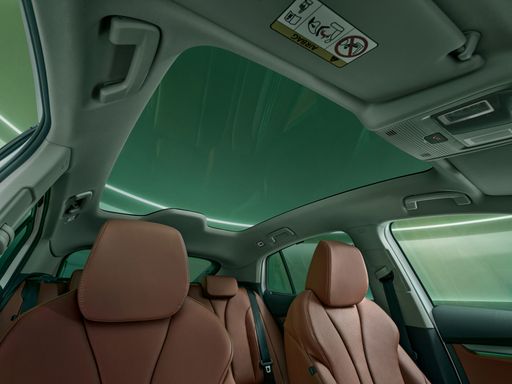
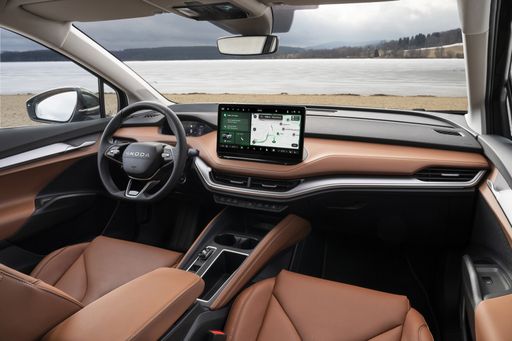
The Enyaq’s cabin feels solid, calm and cleverly organised, with an upright seating position and storage that just makes sense. The ID.7 Touring goes for a cleaner, lounge‑like vibe and a lower driving position that suits long legs and long journeys. Infotainment is markedly touch‑centric in both; VW’s latest software is snappier with better shortcuts, while the Skoda adds a useful favourites bar to cut screen‑digging. If you’re allergic to screens controlling climate, the VW’s air‑flow tweaks via menus may irk more; if you want a calmer, less fussy ambience, the Skoda’s ergonomics feel easier to live with.

ID.7 Touring

Space, boot and everyday practicality

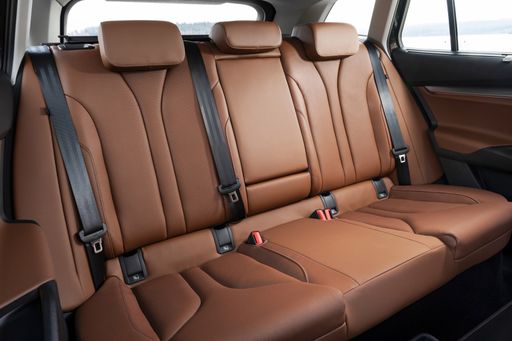
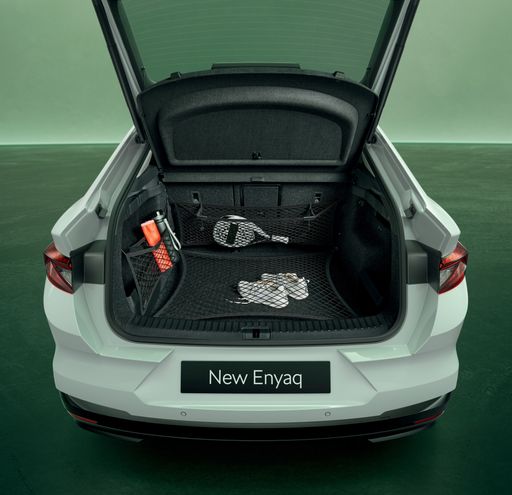
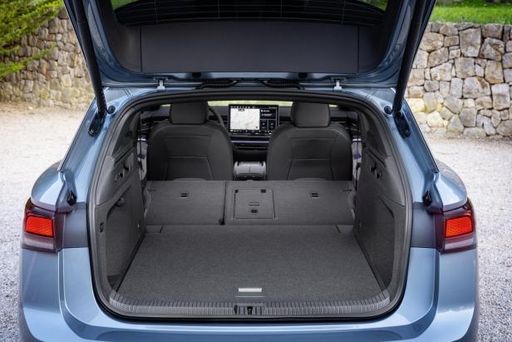
The ID.7 Touring’s estate tailgate opens to a long, low load bay that swallows flat‑packed furniture with less heave, though the rear bench splits only 60:40. The Enyaq answers with a tall, square cargo area, a very flat rear floor for passengers, and those typically Skoda “Simply Clever” hooks, nets and cubbies that keep family clutter in check. Both skip a front trunk, so charging cables live in the rear and can pinch space when you’re fully loaded. In the real world, the VW’s lower sill and length make it handier for bikes and boxes, while the Skoda’s height favors pushchairs, dogs and bulky, upright items.

Enyaq

City manners and ease of use

In town, the Enyaq’s good visibility and notably tight turning circle (on rear‑drive versions) make it easier to slot into tight streets and car parks. The ID.7 Touring is longer and needs a touch more planning, but light steering, cameras and sensors keep it friendly enough. Ride comfort at low speeds diverges slightly: the VW with adaptive dampers glides over scars more silkily, while Enyaq variants without them can thump over sharp edges. Day to day, the Skoda feels the more effortless tool in tight spaces; the VW feels more composed once the roads open up.

ID.7 Touring

Cost, efficiency and buyer fit

The Enyaq undercuts the ID.7 Touring on price, and that value story is strong if you want lots of space, serenity and usability without stretching the budget. The VW justifies its higher ticket with superior real‑world efficiency and range, plus superb long‑haul seat comfort—appealing to high‑milers and company‑car drivers. The Skoda’s allowed payload is a touch more generous, handy for family holidays and DIY weekends, while both brands’ options can inflate prices if you chase every luxury. If your week is dense with motorway miles, the ID.7 Touring’s calm stamina is compelling; if you want a quieter hit to the wallet and city‑friendly practicality, the Enyaq lands the brief with less fuss—now dive into the specs to see which trade‑offs matter most to you.

Here’s where it gets real: The technical differences in detail

Enyaq

Costs and Efficiency:

Price and efficiency are key factors when choosing a car – and this is often where the real differences emerge.

Skoda Enyaq is visibly cheaper – starting at 36,800 £ , while the VW ID.7 Touring costs 47,100 £ . That’s a price difference of around 10,213 £.

In terms of energy consumption, the VW ID.7 Touring is marginally more efficient: consuming 14 kWh/100km compared to 14.9 kWh/100km for the Skoda Enyaq. That’s a difference of about 0.9 kWh/100km.

As for electric range, the VW ID.7 Touring offers a bit more range – reaching up to 689 km, about 100 km more than the Skoda Enyaq.

ID.7 Touring

Engine and Performance:

Power, torque and acceleration say a lot about how a car feels on the road. This is where you see which model delivers more driving dynamics.

Both models deliver identical power – 340 HP each.

When accelerating from 0 to 100 km/h, the Skoda Enyaq is barely quicker – completing the sprint in 5.4 s, while the VW ID.7 Touring takes 5.5 s. That’s about 0.1 s quicker.

Both models offer the same torque – 679 Nm.

Enyaq

Space and Everyday Use:

Whether family car or daily driver – which one offers more room, flexibility and comfort?

Both vehicles offer seating for 5 people.

In terms of curb weight, Skoda Enyaq is only slightly lighter – 2,074 kg compared to 2,191 kg. The difference is around 117 kg.

Looking at boot space, the VW ID.7 Touring offers very slightly more boot space – 605 L compared to 585 L. That’s a difference of about 20 L.

When it comes to payload, the Skoda Enyaq carries somewhat more – 526 kg compared to 465 kg. That’s a difference of about 61 kg.

Who wins the race in the data check?

The Skoda Enyaq comes out modestly ahead in the objective data comparison.
This result only shows which model scores more points on paper – not which of the two cars feels right for you.

from £36,800
Enyaq

Skoda Enyaq

  • Engine Type Electric
  • Transmission Automatic
  • Drive Type Rear-Wheel Drive, All-Wheel Drive
  • Power HP 190 - 340 HP
  • Consumption kWh/100km 14.9 - 15.9 kWh/100km
  • Electric Range 449 - 589 km
Skoda Enyaq
VW ID.7 Touring

Costs and Consumption

View detailed analysis

Engine and Performance

View detailed analysis

Dimensions and Body

View detailed analysis

Skoda Enyaq

The Skoda Enyaq is a practical and well-appointed electric SUV that blends a roomy interior and everyday usability with clean, understated design. It’s a comfortable, efficient choice for buyers who want a sensible electric family car without flash, backed by solid build quality and clever practicality.

details

VW ID.7 Touring

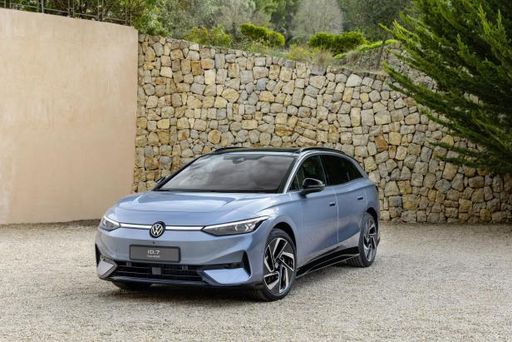
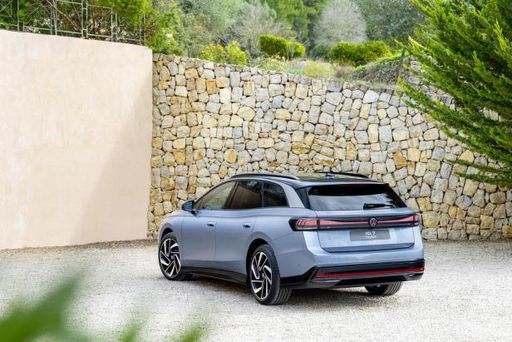
The VW ID.7 Touring blends sleek, aerodynamic fastback looks with estate practicality, delivering an electric family car that looks grown-up and feels refined. Inside it's calm and spacious with clever storage and modern tech, swallowing suitcases and weekend plans with ease — a sensible, slightly flashy choice for buyers who want electric comfort without giving up practicality.

details
Skoda Enyaq
VW ID.7 Touring

Costs and Consumption

Price
36,800 - 52,800 £
Price
47,100 - 54,900 £
Consumption L/100km
-
Consumption L/100km
-
Consumption kWh/100km
14.9 - 15.9 kWh/100km
Consumption kWh/100km
14 - 16.6 kWh/100km
Electric Range
449 - 589 km
Electric Range
584 - 689 km
Battery Capacity
-
Battery Capacity
77 - 86 kWh
co2
0 g/km
co2
0 g/km
Fuel tank capacity
-
Fuel tank capacity
-

Dimensions and Body

Body Type
SUV
Body Type
Estate
Seats
5
Seats
5
Doors
-
Doors
5
Curb weight
2,074 - 2,284 kg
Curb weight
2,191 - 2,336 kg
Trunk capacity
570 - 585 L
Trunk capacity
605 L
Length
-
Length
4,961 mm
Width
1,879 mm
Width
1,862 mm
Height
-
Height
1,549 - 1,551 mm
Max trunk capacity
-
Max trunk capacity
1,714 L
Payload
449 - 526 kg
Payload
459 - 465 kg

Engine and Performance

Engine Type
Electric
Engine Type
Electric
Transmission
Automatic
Transmission
Automatic
Transmission Detail
Reduction Gearbox
Transmission Detail
Reduction Gearbox
Drive Type
Rear-Wheel Drive, All-Wheel Drive
Drive Type
Rear-Wheel Drive, All-Wheel Drive
Power HP
190 - 340 HP
Power HP
286 - 340 HP
Acceleration 0-100km/h
5.4 - 8.6 s
Acceleration 0-100km/h
5.5 - 6.7 s
Max Speed
-
Max Speed
180 km/h
Torque
350 - 679 Nm
Torque
545 - 679 Nm
Number of Cylinders
-
Number of Cylinders
-
Power kW
140 - 250 kW
Power kW
210 - 250 kW
Engine capacity
-
Engine capacity
-

General

Model Year
2026
Model Year
2024
CO2 Efficiency Class
A
CO2 Efficiency Class
A
Brand
Skoda
Brand
VW
DriveDuel uses data analysis and artificial intelligence to evaluate vehicle data and create content. Content is regularly reviewed and improved. The displayed prices are estimates based on German list prices, adjusted to the respective country’s VAT. Country-specific registration taxes are not included. This information is not legally binding.