VS

Skoda Enyaq vs VW ID.7 comparison

Compare performance (340 HP vs 340 HP), boot space and price (36,800 £ vs 46,400 £ ) at a glance. Find out which car is the better choice for you – Skoda Enyaq or VW ID.7?

Skoda Enyaq vs VW ID.7: Key differences

Skoda Enyaq

4.6 (5 Reviews)
rate
  • markedly cheaper
  • marginally lighter
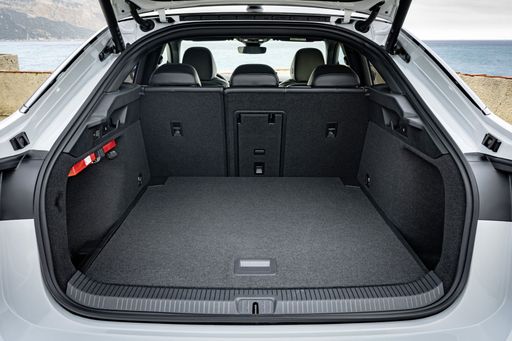
  • very slightly more trunk space
details

VW ID.7

4.1 (5 Reviews)
rate
  • only slightly more efficient
  • somewhat more electric range
details

All details on performance, efficiency, range and trunk space can be found in the technical comparison below – including user reviews for both models.

By Achim Sedelmaier

Enyaq

Skoda Enyaq vs VW ID.7: the right electric for your life

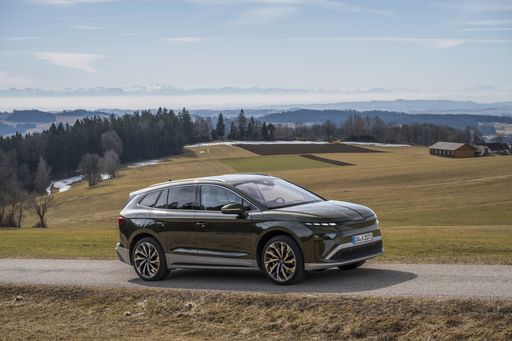
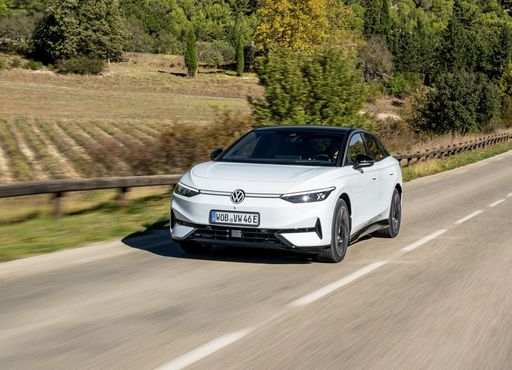
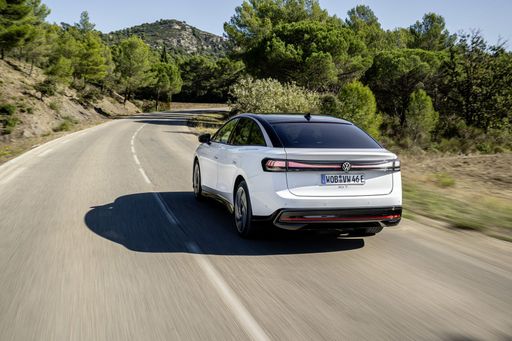
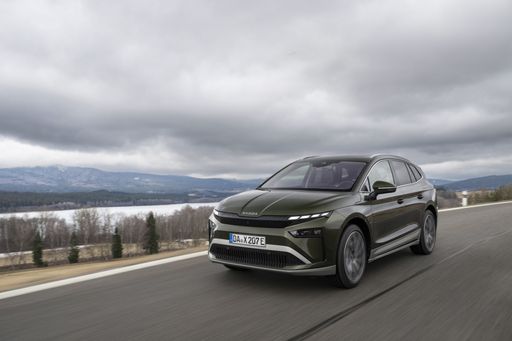
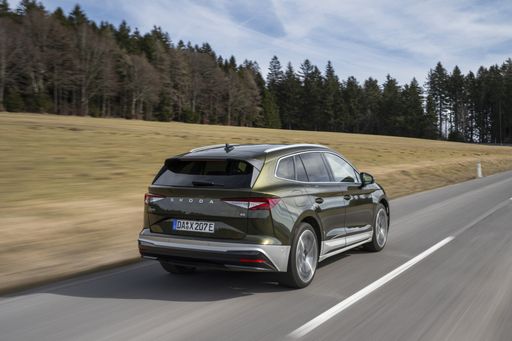
The Skoda Enyaq and the VW ID.7 take different routes to the same goal: quiet, stress‑free electric travel. The Enyaq is an upright family SUV that majors on space and honest value, while the ID.7 is a sleek fastback with an executive vibe and impressive efficiency. Both feel calm and confident, but they present that calm in subtly different ways. Pricewise, Skoda undercuts VW by a clear margin, while the Volkswagen answers with longer legs between charges. If you’re weighing SUV practicality against long‑distance thrift, this Skoda Enyaq VS VW ID.7 face‑off makes the trade‑offs easy to read.
ID.7

Character and long‑distance comfort

Both cars settle into the motorway with the sort of hush that makes hours disappear, but they take a different approach to how they ride those hours out. The VW ID.7 floats with a slightly more business‑class composure, especially with its optional adaptive dampers and comfort seats that keep you fresher at the end of a big day. The Skoda Enyaq is equally serene in noise terms and wonderfully stable, though it can nod a touch over long undulations if you skip adaptive suspension. Drivers who like a commanding view will warm to the Enyaq’s SUV seating; those who value a lower, more cocooned posture will feel at home in the ID.7. Either way, both are effortless cruisers, with the VW leaning into endurance and the Skoda leaning into relaxation.

Enyaq

Cabin feel and controls

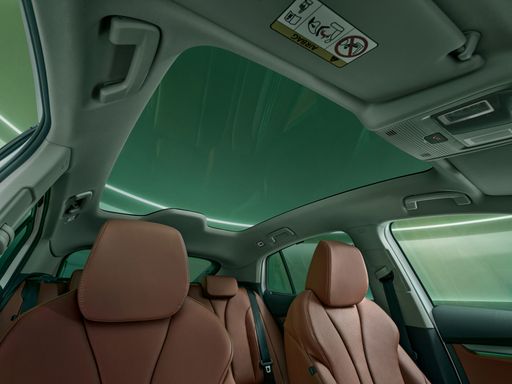
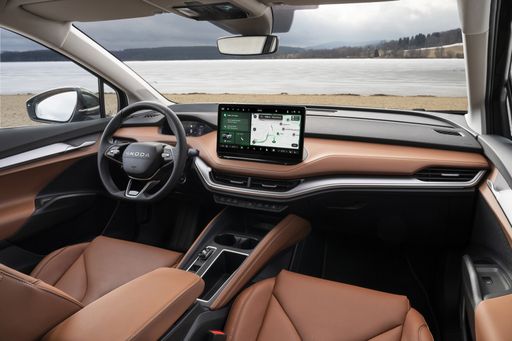
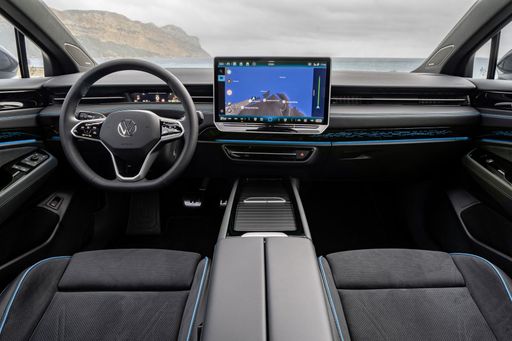
Inside, the Enyaq feels welcoming and cleverly organised, with a lounge‑like palette and sturdy materials that suggest substance over flash. The ID.7 goes for a clean, tech‑forward aesthetic and a darker, more businesslike mood, crowned by an excellent head‑up display that reduces distraction on the move. Both rely heavily on touchscreens and sliders; Skoda’s latest software is clearer than before but still light on real buttons, and VW’s digital climate vents and layered menus will divide opinion. If you want a cabin that immediately feels easygoing and familiar, the Enyaq has the friendlier learning curve. If you crave the big‑screen, big‑tech experience, the ID.7’s interface and driver aids are the more impressive—once you gel with the logic.

ID.7

Space and practicality

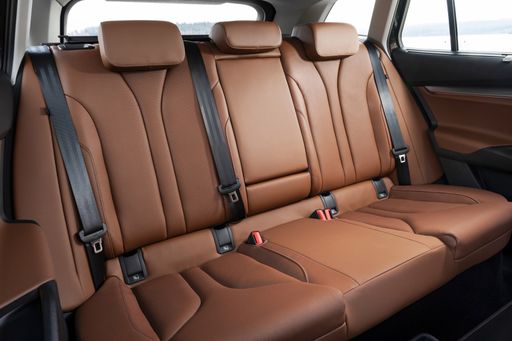
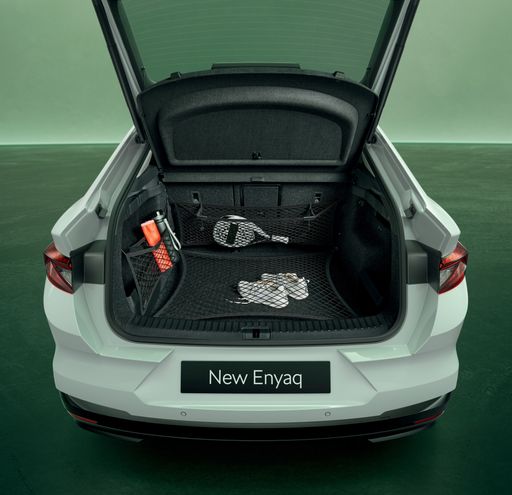
The Enyaq’s square, low‑stress boot and wide opening make family life simple, from buggies to camping gear, and it copes well with heavy loads. The ID.7’s fastback tailgate is also hugely useful and the rear legroom is limousine‑generous, yet its cargo bay is shaped more for long items than boxy ones. Rear passengers sit well in both, but the Skoda’s flatter floor and taller roof make it kinder to three across or taller teens. Neither offers a front storage bin, so charging cables live in the back. If maximum cargo versatility is your priority, the Enyaq edges it; if rear‑seat sprawl space matters more, the ID.7 feels a class up.

Enyaq

City manners and daily ease

Despite its size, the Enyaq is easy to place in town thanks to good all‑round visibility and a friendly, light steering feel; RWD versions also turn in surprisingly tightly. The ID.7 steers precisely and pivots more neatly than you’d expect for a long fastback, but its length and sloping tail can make tight spaces feel tighter, even with excellent cameras. Regeneration tuning is intuitive in both, although the VW still prefers you to use the brake pedal for the final roll to a stop. If you’re parking on narrow streets or juggling school runs, the Skoda’s view out and square bodywork reduce stress. If your commute mixes city snarl with swift ring‑road blasts, the VW’s calm stride and easy stability shine.

ID.7

Costs, efficiency and who each car suits

The Skoda Enyaq typically starts lower on the price ladder and feels strong on value, especially if you prioritise space and refinement over gadgets. The VW ID.7 pays you back at the plug, using less energy per mile and stretching a charge further, which appeals to high‑milers and fleet drivers. Charging performance and assistance tech are solid in both, but the VW’s driver‑assistance suite and seat options go a little further, while the Skoda’s ownership costs and practicality feel reassuringly straightforward. Choose the VW ID.7 if you want executive calm, standout efficiency and a tech‑led cabin for serious distance. Pick the Skoda Enyaq if you want SUV ease, family‑first usability and a friendlier bottom line—the detailed specs that follow will help you lock in the right fit.

Video - Skoda Enyaq

Video Thumbnail

Here’s where it gets real: The technical differences in detail

Enyaq

Costs and Efficiency:

When it comes to price and running costs, the biggest differences usually appear. This is often where you see which car fits your budget better in the long run.

Skoda Enyaq is markedly cheaper – starting at 36,800 £ , while the VW ID.7 costs 46,400 £ . That’s a price difference of around 9,527 £.

In terms of energy consumption, the VW ID.7 is only slightly more efficient: consuming 13.6 kWh/100km compared to 14.9 kWh/100km for the Skoda Enyaq. That’s a difference of about 1.3 kWh/100km.

As for electric range, the VW ID.7 offers somewhat more range – reaching up to 708 km, about 119 km more than the Skoda Enyaq.

ID.7

Engine and Performance:

Under the bonnet, it becomes clear which model is tuned for sportiness and which one takes the lead when you hit the accelerator.

Both models deliver identical power – 340 HP each.

Both models accelerate almost equally fast – 5.4 s from 0 to 100 km/h.

Both models offer the same torque – 679 Nm.

Enyaq

Space and Everyday Use:

Beyond pure performance, interior space and usability matter most in daily life. This is where you see which car is more practical and versatile.

Both vehicles offer seating for 5 people.

In terms of curb weight, Skoda Enyaq is marginally lighter – 2,074 kg compared to 2,180 kg. The difference is around 106 kg.

Looking at boot space, the Skoda Enyaq offers very slightly more boot space – 585 L compared to 532 L. That’s a difference of about 53 L.

When it comes to payload, the Skoda Enyaq carries slightly more – 526 kg compared to 465 kg. That’s a difference of about 61 kg.

Who wins the race in the data check?

The Skoda Enyaq is slightly ahead in the objective data comparison.
This result only shows which model scores more points on paper – not which of the two cars feels right for you.

from £36,800
Enyaq

Skoda Enyaq

  • Engine Type : Electric
  • Transmission : Automatic
  • Drive Type : Rear-Wheel Drive, All-Wheel Drive
  • Power HP : 190 - 340 HP
  • Consumption kWh/100km : 14.9 - 15.9 kWh/100km
  • Electric Range : 449 - 589 km
Skoda Enyaq
VW ID.7

Costs and Consumption

View detailed analysis

Engine and Performance

View detailed analysis

Dimensions and Body

View detailed analysis

Skoda Enyaq

The Skoda Enyaq is a practical and well-appointed electric SUV that blends a roomy interior and everyday usability with clean, understated design. It’s a comfortable, efficient choice for buyers who want a sensible electric family car without flash, backed by solid build quality and clever practicality.

details

VW ID.7

VW ID.7 arrives as Volkswagen's electric grand tourer, pairing a low-slung, aerodynamic silhouette with a calm, understated interior that prioritizes comfort and space. It’s a sensible choice for buyers who want a relaxed, high-tech cruiser that covers motorway miles with poise rather than bravado.

details
Skoda Enyaq
VW ID.7

Costs and Consumption

Price
36,800 - 52,800 £
Price
46,400 - 54,200 £
Consumption L/100km
-
Consumption L/100km
-
Consumption kWh/100km
14.9 - 15.9 kWh/100km
Consumption kWh/100km
13.6 - 16.2 kWh/100km
Electric Range
449 - 589 km
Electric Range
594 - 708 km
Battery Capacity
-
Battery Capacity
77 - 86 kWh
co2
0 g/km
co2
0 g/km
Fuel tank capacity
-
Fuel tank capacity
-

Dimensions and Body

Body Type
SUV
Body Type
Hatchback
Seats
5
Seats
5
Doors
-
Doors
5
Curb weight
2,074 - 2,284 kg
Curb weight
2,180 - 2,325 kg
Trunk capacity
570 - 585 L
Trunk capacity
532 L
Length
-
Length
4,961 mm
Width
1,879 mm
Width
1,862 mm
Height
-
Height
1,535 - 1,536 mm
Max trunk capacity
-
Max trunk capacity
1,586 L
Payload
449 - 526 kg
Payload
460 - 465 kg

Engine and Performance

Engine Type
Electric
Engine Type
Electric
Transmission
Automatic
Transmission
Automatic
Transmission Detail
Reduction Gearbox
Transmission Detail
Reduction Gearbox
Drive Type
Rear-Wheel Drive, All-Wheel Drive
Drive Type
Rear-Wheel Drive, All-Wheel Drive
Power HP
190 - 340 HP
Power HP
286 - 340 HP
Acceleration 0-100km/h
5.4 - 8.6 s
Acceleration 0-100km/h
5.4 - 6.6 s
Max Speed
-
Max Speed
180 km/h
Torque
350 - 679 Nm
Torque
545 - 679 Nm
Number of Cylinders
-
Number of Cylinders
-
Power kW
140 - 250 kW
Power kW
210 - 250 kW
Engine capacity
-
Engine capacity
-

General

Model Year
2026
Model Year
2,023 - 2,024
CO2 Efficiency Class
A
CO2 Efficiency Class
A
Brand
Skoda
Brand
VW
DriveDuel uses data analysis and artificial intelligence to evaluate vehicle data and create content. Content is regularly reviewed and improved. The displayed prices are estimates based on German list prices, adjusted to the respective country’s VAT. Country-specific registration taxes are not included. This information is not legally binding.