VS

BMW 2 Series vs Audi A3 Sportback comparison

Compare performance (530 HP vs 400 HP), boot space and price (39,200 £ vs 27,000 £ ) at a glance. Find out which car is the better choice for you – BMW 2 Series or Audi A3 Sportback?

BMW 2 Series vs Audi A3 Sportback: Key differences

BMW 2 Series

  • noticeably more power
  • barely more trunk space

Audi A3 Sportback

3.9 (1 Reviews)
rate
  • clearly cheaper
  • considerably more efficient
  • slightly lighter
2 Series

The Ultimate Hatchback-Coupe Showdown: Audi A3 Sportback vs BMW 2er Reihe

The automotive world presents an exquisite match-up between two iconic marques: the Audi A3 Sportback and the BMW 2er Reihe. Both cars have staked their claim with a unique blend of design, performance, and technological innovation. Let's delve deeper into what sets them apart and where they converge.
A3 Sportback

Design and Body Type

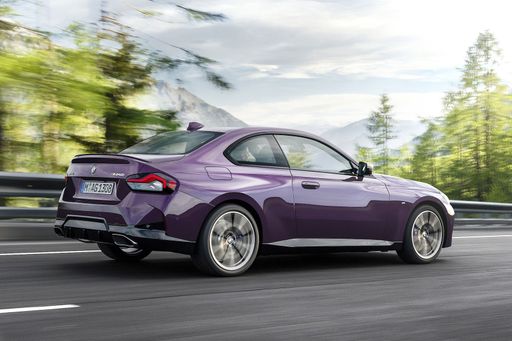
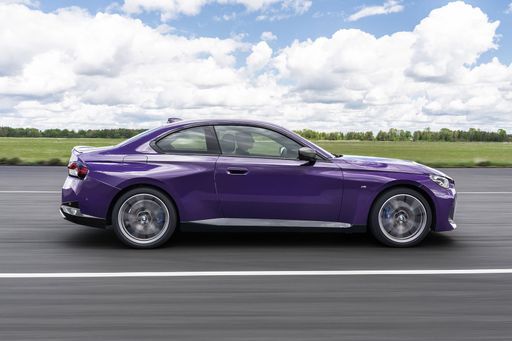
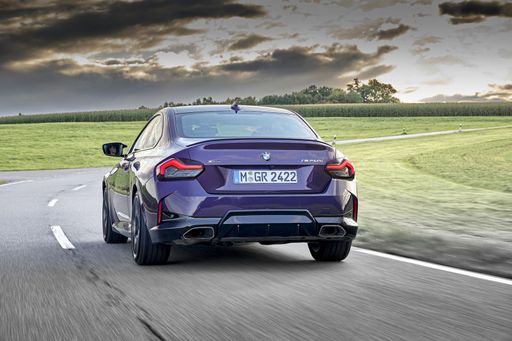
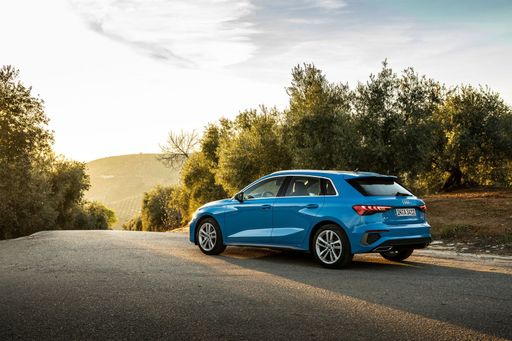
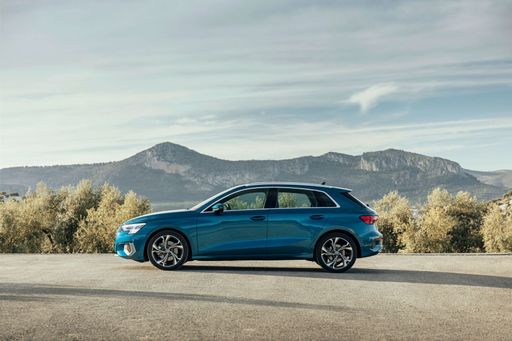
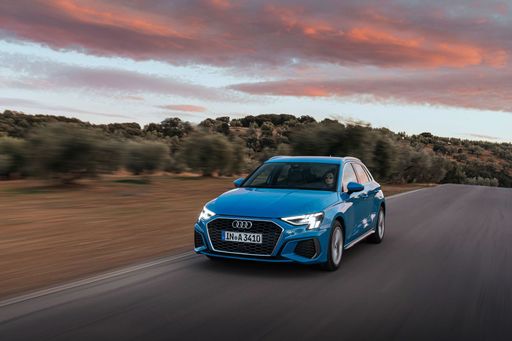
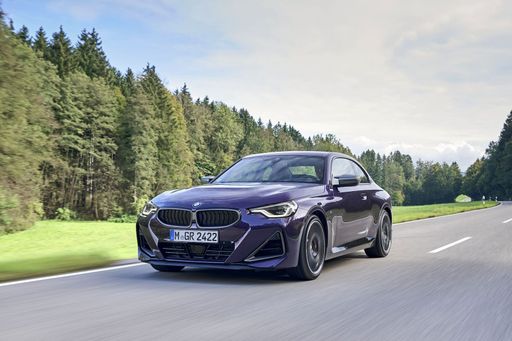
The Audi A3 Sportback takes the form of a stylish 5-door hatchback, catering to those who value practicality without sacrificing design. In contrast, the BMW 2er Reihe presents itself as an alluring 2-door coupe, exuding a sporty and aggressive stance. The distinct designs are reflective of the core philosophies of their respective brands: Audi with its focus on versatility and BMW on performance-oriented aesthetics.

2 Series

Engine and Performance Options

Audi offers a diverse range of engine options for the A3 Sportback, including petrol, mild hybrid (MHEV), diesel, and plug-in hybrid variants, making it an appealing choice for eco-conscious drivers. The performance spectrum stretches from 116 HP to a robust 400 HP. The engine sizes range from 1498 cm³ to 2480 cm³, with power outputs boosting up to 294 kW and acceleration from 0 to 100 km/h taking as little as 3.8 seconds for its top model.

The BMW 2er Reihe presents petrol and diesel MHEV engines, with power figures ranging from 156 HP to an impressive 480 HP, backed by turbocharged technology. With engine capacities between 1998 cm³ and 2998 cm³, it can sprint from 0 to 100 km/h in as quick as 4 seconds for its elite models, showcasing BMW's commitment to delivering exhilarating performance.

A3 Sportback

Transmission and Drive Type

The Audi A3 Sportback continues its versatility with optional front-wheel and all-wheel drive systems. Transmission choices include both manual and dual-clutch automatic variants, offering drivers a balance between classic and modern driving experiences.

BMW emphasizes driving pleasure with its rear-wheel-drive layout for the 2er Reihe, with the option of all-wheel drive for enhanced traction. It features both manual and automatic gearboxes, providing enthusiasts with precise control or effortless shifting depending on preference.

2 Series

Dimensions and Practicality

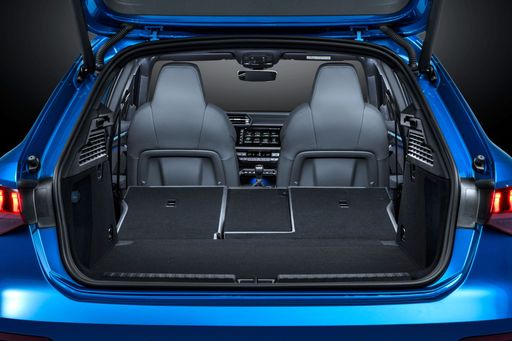
Measuring approximately 4353 mm in length and offering a trunk capacity up to 380 liters, the A3 Sportback stands out in its segment for its practicality. It's the ideal choice for those who require space without stepping into larger vehicle segments. The Audi seats five, aligning with its hatchback nature.

On the other hand, the BMW 2er Reihe, with a slightly longer length around 4548 mm and a trunk capacity of 390 liters, prioritizes style over storage. Its four-seat configuration underscores its coupe design, focusing on a more intimate driver-passenger experience.

A3 Sportback

Technical Innovations and Efficiency

Both vehicles integrate cutting-edge technology into their design. The Audi A3 Sportback offers a range of hybrid engines with an electric range up to 143 km, underscoring its efficiency credentials with CO2 emissions starting at just 6 g/km for its plug-in hybrid variant. Meanwhile, the BMW 2er Reihe showcases CO2 efficiency with classes spanning from E to G, highlighting its robust performance engines which push efficiency barriers in their segments.

2 Series

Conclusion: A Choice of Preferences

In the clash between the Audi A3 Sportback and the BMW 2er Reihe, the decision comes down to personal preferences. The A3 Sportback is perfect for those who prioritize practicality, efficiency, and a touch of luxury. Conversely, the BMW 2er Reihe caters to enthusiasts seeking performance, style, and a more focused driving experience. Regardless of choice, both cars are testaments to their manufacturers' legacy of excellence and innovation in the automotive world.

Here’s where it gets real: The technical differences in detail

2 Series

Costs and Efficiency:

Price and efficiency are often the first things buyers look at. Here it becomes clear which model has the long-term edge – whether at the pump, the plug, or in purchase price.

Audi A3 Sportback is clearly cheaper – starting at 27,000 £ , while the BMW 2 Series costs 39,200 £ . That’s a price difference of around 12,171 £.

Fuel consumption also shows a difference: the Audi A3 Sportback uses 1.1 L/100km and is considerably more efficient than the BMW 2 Series with 4.9 L/100km. The difference is about 3.8 L/100km.

A3 Sportback

Engine and Performance:

Power, torque and acceleration are the classic benchmarks for car enthusiasts – and here, some clear differences start to show.

When it comes to engine power, the BMW 2 Series offers noticeably more power – delivering 530 HP compared to 400 HP. That’s roughly 130 HP more horsepower.

Both models accelerate almost equally fast – 3.8 s from 0 to 100 km/h.

There’s no difference in top speed – both reach 237 km/h.

There’s also a difference in torque: the BMW 2 Series delivers clearly more torque with 650 Nm compared to 500 Nm. That’s about 150 Nm more.

2 Series

Space and Everyday Use:

Cabin size, boot volume and payload all play a role in everyday practicality. Here, comfort and flexibility make the difference.

Seats: Audi A3 Sportback offers more seats – 5 vs 4.

In terms of curb weight, Audi A3 Sportback is slightly lighter – 1,360 kg compared to 1,560 kg. The difference is around 200 kg.

Looking at boot space, the BMW 2 Series offers barely more boot space – 390 L compared to 380 L. That’s a difference of about 10 L.

When it comes to payload, the Audi A3 Sportback carries somewhat more – 480 kg compared to 400 kg. That’s a difference of about 80 kg.

Who wins the race in the data check?

The Audi A3 Sportback holds a decisive overall lead in the objective data comparison.
This result only shows which model scores more points on paper – not which of the two cars feels right for you.

from £27,000
A3 Sportback

Audi A3 Sportback

  • Engine Type : Petrol, Petrol MHEV, Diesel, Plugin Hybrid
  • Transmission : Manuel, Automatic
  • Drive Type : Front-Wheel Drive, All-Wheel Drive
  • Power HP : 116 - 400 HP
  • Consumption L/100km : 1.1 - 9.3 L/100km
  • Electric Range : 134 - 141 km
BMW 2 Series
Audi A3 Sportback

Costs and Consumption

View detailed analysis

Engine and Performance

View detailed analysis

Dimensions and Body

View detailed analysis

BMW 2 Series

The BMW 2 Series feels like a pocket rocket in smart clothes, delivering sharp handling and a premium cabin that turns everyday errands into something worth looking forward to. For buyers who crave a compact car with real driving character and a dash of German confidence, it’s a spirited choice that never takes itself too seriously.

details

Audi A3 Sportback

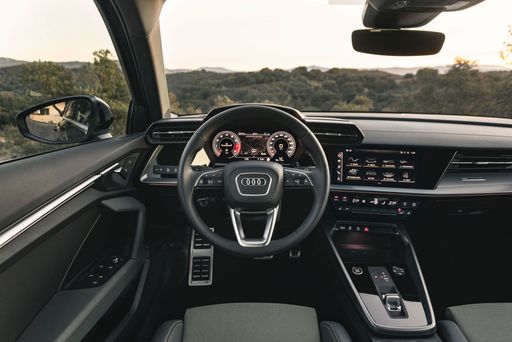
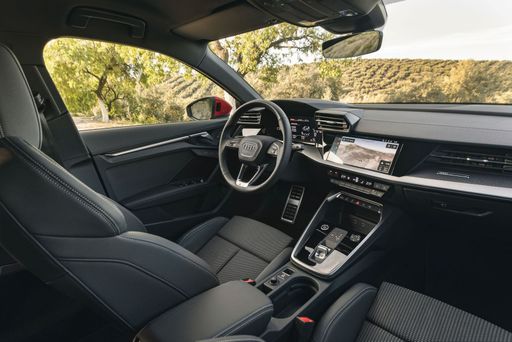
The Audi A3 Sportback wraps premium materials and crisp German design into a practical hatchback package that makes daily driving feel smart rather than showy. It’s nimble in the city, composed on longer trips, and carries just enough swagger to satisfy buyers who want quality without shouting about it.

details
BMW 2 Series
Audi A3 Sportback

Costs and Consumption

Price
39,200 - 98,600 £
Price
27,000 - 56,600 £
Consumption L/100km
4.9 - 10 L/100km
Consumption L/100km
1.1 - 9.3 L/100km
Consumption kWh/100km
-
Consumption kWh/100km
-
Electric Range
-
Electric Range
134 - 141 km
Battery Capacity
-
Battery Capacity
19.7 kWh
co2
129 - 226 g/km
co2
25 - 211 g/km
Fuel tank capacity
51 L
Fuel tank capacity
40 L

Dimensions and Body

Body Type
Coupe
Body Type
Hatchback
Seats
4
Seats
5
Doors
2
Doors
5
Curb weight
1,560 - 1,830 kg
Curb weight
1,360 - 1,685 kg
Trunk capacity
390 L
Trunk capacity
280 - 380 L
Length
4,537 mm
Length
4,352 - 4,353 mm
Width
1,838 - 1,887 mm
Width
1,816 - 1,851 mm
Height
1,390 mm
Height
1,441 - 1,470 mm
Max trunk capacity
-
Max trunk capacity
1,100 L
Payload
350 - 400 kg
Payload
410 - 480 kg

Engine and Performance

Engine Type
Diesel MHEV, Petrol, Petrol MHEV
Engine Type
Petrol, Petrol MHEV, Diesel, Plugin Hybrid
Transmission
Automatic, Manuel
Transmission
Manuel, Automatic
Transmission Detail
Automatic Gearbox, Manual Gearbox
Transmission Detail
Manual Gearbox, Dual-Clutch Automatic
Drive Type
Rear-Wheel Drive, All-Wheel Drive
Drive Type
Front-Wheel Drive, All-Wheel Drive
Power HP
156 - 530 HP
Power HP
116 - 400 HP
Acceleration 0-100km/h
3.8 - 8.7 s
Acceleration 0-100km/h
3.8 - 10.1 s
Max Speed
237 km/h
Max Speed
225 - 237 km/h
Torque
250 - 650 Nm
Torque
220 - 500 Nm
Number of Cylinders
4 - 6
Number of Cylinders
4 - 5
Power kW
115 - 390 kW
Power kW
85 - 294 kW
Engine capacity
1,995 - 2,998 cm3
Engine capacity
1,498 - 2,480 cm3

General

Model Year
2,024 - 2,025
Model Year
2,025
CO2 Efficiency Class
D, E, G
CO2 Efficiency Class
D, F, E, G, B
Brand
BMW
Brand
Audi
DriveDuel uses data analysis and artificial intelligence to evaluate vehicle data and create content. Content is regularly reviewed and improved. The displayed prices are estimates based on German list prices, adjusted to the respective country’s VAT. Country-specific registration taxes are not included. This information is not legally binding.