VS

BMW i5 vs Audi A6 e-tron Avant comparison

Compare performance (601 HP vs 551 HP), boot space and price (60,800 £ vs 55,200 £ ) at a glance. Find out which car is the better choice for you – BMW i5 or Audi A6 e-tron Avant?

BMW i5 vs Audi A6 e-tron Avant: Key differences

BMW i5

  • very slightly more power
  • very slightly more efficient
  • very slightly quicker 0–100 km/h
details

Audi A6 e-tron Avant

3.4 (3 Reviews)
rate
  • moderately cheaper
  • a bit more electric range
  • marginally lighter
  • very slightly more trunk space
details

By Achim Sedelmaier

i5

The automotive industry continues to evolve rapidly with the introduction of high-performance electric vehicles. Among the latest contenders in this segment are the Audi A6 e-tron Avant and the BMW i5. Both vehicles offer cutting-edge technology, impressive range, and luxury, making them compelling options for fans of electric mobility. This article compares these two remarkable vehicles across various technical aspects and innovations.
A6 e-tron Avant

Powertrain and Performance

The Audi A6 e-tron Avant showcases a range of power outputs, with options spanning from 326 HP to an impressive 551 HP, thanks to its dual-motor all-wheel-drive system. The A6 e-tron Avant also boasts remarkable torque figures, reaching up to 855 Nm, which translates to exhilarating acceleration capabilities. It can whisk from 0 to 100 km/h in just 3.9 seconds with the more potent variant, making it a true performance wagon.

In comparison, the BMW i5 is offered with three different power levels, peaking at 601 HP. The dual-motor variant also offers a substantial torque figure of 820 Nm, allowing it to ace the 0-100 km/h sprint in a brisk 3.8 seconds. The i5 prioritizes a sporty drive without sacrificing driver comfort, further cementing BMW’s longstanding reputation for performance.

i5

Electric Range and Efficiency

One of the key aspects of an electric vehicle is its range. The Audi A6 e-tron Avant impressively manages an electric range of up to 716 km with its larger 94.9 kWh battery, making it a strong choice for long-distance travels. Consumption figures are equally commendable, with the most efficient variants averaging around 14.8 kWh/100 km.

On the other hand, the BMW i5 delivers a maximum range of 582 km with a smaller 81.2 kWh battery. While the range is slightly less than that of the A6 Avant, the i5 still stands out with its efficiency, registering a consumption rate around 15.9 kWh/100 km. Both vehicles are classified under CO2 efficiency class A, aligning with their commitment to sustainability.

A6 e-tron Avant

Interior Comfort and Technology

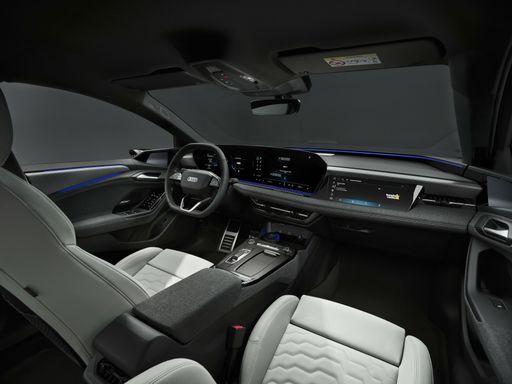
Both vehicles prioritize luxury and technological advancements in their interiors. The Audi A6 e-tron Avant offers a spacious cabin designed for comfort, accommodating five passengers with ease. Its trunk capacity stands at 502 liters, making it practical for everyday use and road trips alike. The infotainment system is cutting-edge, providing seamless connectivity, a high-resolution display, and intuitive controls.

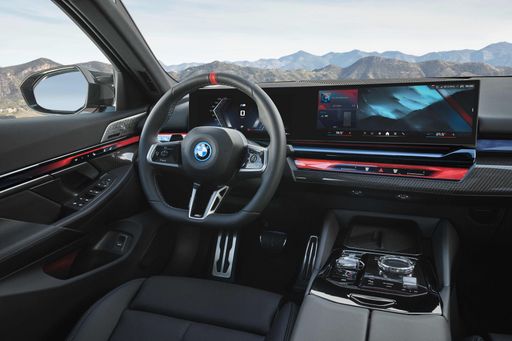
Meanwhile, the BMW i5 provides a slightly more dynamic sedan experience, with a slightly smaller trunk capacity of 490 liters. However, it compensates with a driver-focused layout and an impressive array of infotainment and connected features, including advanced driver-assistance systems and high-tech displays. Overall, both interiors cater to luxury and technological innovations, ensuring a comfortable ride for everyday activities.

i5

Exterior Design and Dimensions

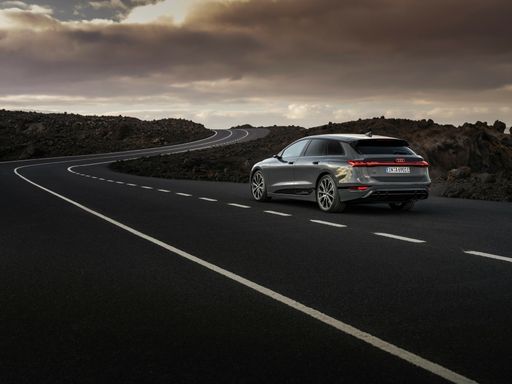
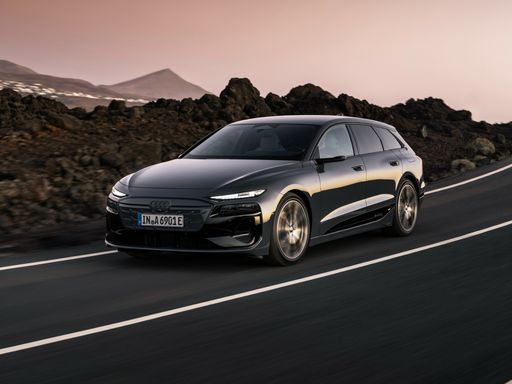
The design language of both vehicles reflects their respective brands. The Audi A6 e-tron Avant presents a modern and sleek profile that is quintessentially Audi, measuring 4928 mm in length and 1923 mm in width. Its wagon form combines practicality with aesthetics, appealing to a variety of buyers who require space without compromising style.

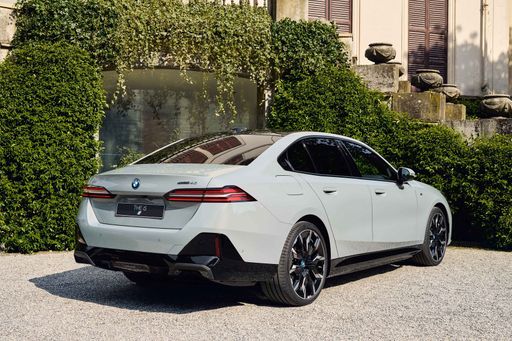
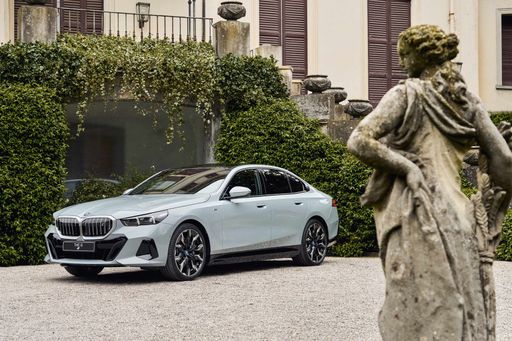
In contrast, the BMW i5 features a sportier, more aggressive stance, stretching to 5060 mm in length but remaining slightly narrower at 1900 mm. This sedan's design emphasizes its performance capabilities while showcasing BMW’s distinctive style. Both vehicles are designed to turn heads and offer a premium feel, but the choice between a wagon and a sedan ultimately boils down to personal preference.

A6 e-tron Avant

Final Thoughts

Both the Audi A6 e-tron Avant and the BMW i5 are impressive representatives of the electric vehicle movement, each showcasing their manufacturer’s strengths. The A6 Avant excels in range, practicality, and a luxurious wagon format, while the i5 leads with exhilarating performance and sportiness. Prospective buyers will find it important to weigh their specific needs and preferences when choosing between these two exceptional models.

Here’s where it gets real: The technical differences in detail

i5

Costs and Efficiency:

Price and efficiency are key factors when choosing a car – and this is often where the real differences emerge.

Audi A6 e-tron Avant is moderately cheaper – starting at 55,200 £ , while the BMW i5 costs 60,800 £ . That’s a price difference of around 5,529 £.

In terms of energy consumption, the BMW i5 is very slightly more efficient: consuming 14.7 kWh/100km compared to 14.8 kWh/100km for the Audi A6 e-tron Avant. That’s a difference of about 0.1 kWh/100km.

As for electric range, the Audi A6 e-tron Avant offers a bit more range – reaching up to 716 km, about 89 km more than the BMW i5.

A6 e-tron Avant

Engine and Performance:

Power, torque and acceleration say a lot about how a car feels on the road. This is where you see which model delivers more driving dynamics.

When it comes to engine power, the BMW i5 offers very slightly more power – delivering 601 HP compared to 551 HP. That’s roughly 50 HP more horsepower.

When accelerating from 0 to 100 km/h, the BMW i5 is very slightly quicker – completing the sprint in 3.8 s, while the Audi A6 e-tron Avant takes 3.9 s. That’s about 0.1 s quicker.

There’s also a difference in torque: the Audi A6 e-tron Avant delivers only slightly more torque with 855 Nm compared to 820 Nm. That’s about 35 Nm more.

i5

Space and Everyday Use:

Cabin size, boot volume and payload all play a role in everyday practicality. Here, comfort and flexibility make the difference.

Both vehicles offer seating for 5 people.

In terms of curb weight, Audi A6 e-tron Avant is marginally lighter – 2,185 kg compared to 2,195 kg. The difference is around 10 kg.

Looking at boot space, the Audi A6 e-tron Avant offers very slightly more boot space – 502 L compared to 490 L. That’s a difference of about 12 L.

When it comes to payload, the BMW i5 carries very slightly more – 545 kg compared to 500 kg. That’s a difference of about 45 kg.

Who wins the race in the data check?

The Audi A6 e-tron Avant sits just ahead overall in the objective data comparison.
This result only shows which model scores more points on paper – not which of the two cars feels right for you.

from £55,200
A6 e-tron Avant

Audi A6 e-tron Avant

  • Engine Type : Electric
  • Transmission : Automatic
  • Drive Type : Rear-Wheel Drive, All-Wheel Drive
  • Power HP : 326 - 551 HP
  • Consumption kWh/100km : 14.8 - 17 kWh/100km
  • Electric Range : 539 - 716 km
BMW i5
Audi A6 e-tron Avant

Costs and Consumption

View detailed analysis

Engine and Performance

View detailed analysis

Dimensions and Body

View detailed analysis

BMW i5

The BMW i5 swaps predictable executive-car manners for a confident electric vibe, marrying refined comfort with surprisingly engaging steering. It’s a practical choice that doesn’t feel dull, offering the kind of clean, premium experience that makes commuting feel like a small indulgence.

details

Audi A6 e-tron Avant

The Audi A6 e-tron Avant wraps Audi's trademark refinement into a sleek electric estate that looks at home in the city or on the open road. Inside it's grown-up and tech-forward with practical packaging for family life, delivering a composed, confident drive that makes everyday hauling feel a bit more special and slightly futuristic.

details
BMW i5
Audi A6 e-tron Avant

Costs and Consumption

Price
60,800 - 85,900 £
Price
55,200 - 100,100 £
Consumption L/100km
-
Consumption L/100km
-
Consumption kWh/100km
14.7 - 17.1 kWh/100km
Consumption kWh/100km
14.8 - 17 kWh/100km
Electric Range
540 - 627 km
Electric Range
539 - 716 km
Battery Capacity
-
Battery Capacity
75.8 - 94.9 kWh
co2
0 g/km
co2
0 g/km
Fuel tank capacity
-
Fuel tank capacity
-

Dimensions and Body

Body Type
Sedan
Body Type
Estate
Seats
5
Seats
5
Doors
-
Doors
5
Curb weight
2,195 - 2,370 kg
Curb weight
2,185 - 2,410 kg
Trunk capacity
490 L
Trunk capacity
502 L
Length
-
Length
4,928 mm
Width
1,900 mm
Width
1,923 mm
Height
-
Height
1,504 - 1,527 mm
Max trunk capacity
-
Max trunk capacity
1,422 L
Payload
525 - 545 kg
Payload
470 - 500 kg

Engine and Performance

Engine Type
Electric
Engine Type
Electric
Transmission
Automatic
Transmission
Automatic
Transmission Detail
Reduction Gearbox
Transmission Detail
Reduction Gearbox
Drive Type
Rear-Wheel Drive, All-Wheel Drive
Drive Type
Rear-Wheel Drive, All-Wheel Drive
Power HP
340 - 601 HP
Power HP
326 - 551 HP
Acceleration 0-100km/h
3.8 - 6 s
Acceleration 0-100km/h
3.9 - 6 s
Max Speed
-
Max Speed
210 - 240 km/h
Torque
430 - 820 Nm
Torque
435 - 855 Nm
Number of Cylinders
-
Number of Cylinders
-
Power kW
250 - 442 kW
Power kW
240 - 405 kW
Engine capacity
-
Engine capacity
-

General

Model Year
2,023 - 2,024
Model Year
2024
CO2 Efficiency Class
A
CO2 Efficiency Class
A
Brand
BMW
Brand
Audi
DriveDuel uses data analysis and artificial intelligence to evaluate vehicle data and create content. Content is regularly reviewed and improved. The displayed prices are estimates based on German list prices, adjusted to the respective country’s VAT. Country-specific registration taxes are not included. This information is not legally binding.