VS

BMW X2 vs Audi Q3 comparison

Compare performance (300 HP vs 272 HP), boot space and price (41,200 £ vs 38,200 £ ) at a glance. Find out which car is the better choice for you – BMW X2 or Audi Q3?

BMW X2 vs Audi Q3: Key differences

BMW X2

4.6 (1 Reviews)
rate
  • barely more power
  • barely quicker 0–100 km/h
  • moderately more trunk space

Audi Q3

5 (1 Reviews)
rate
  • barely cheaper
  • clearly more efficient
  • only slightly lighter

All details on performance, efficiency, range and trunk space can be found in the technical comparison below – including user reviews for both models.

X2

Audi Q3 vs BMW X2: Battle of the Compact Luxury SUVs

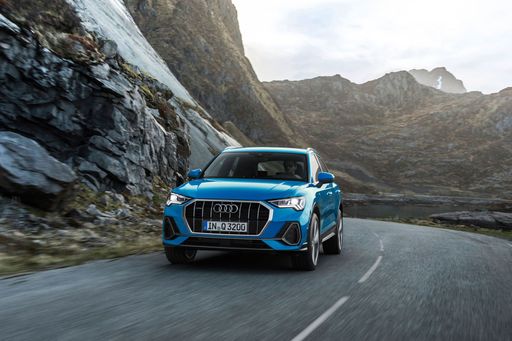
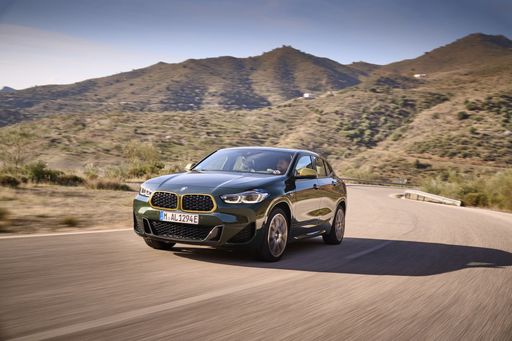
The compact SUV segment has been a popular choice for drivers seeking a blend of practicality, luxury, and performance. In this competitive arena, two models stand out: the Audi Q3 and the BMW X2. Both vehicles offer a compelling mix of design, technology, and driving dynamics. Let’s dive into the technical aspects and innovations that define these two models to see which one edges ahead.
Q3

Engine and Performance: Power Beyond the Size

The Audi Q3 offers a variety of engines that include both petrol and diesel options, with power outputs ranging from 150 HP to 245 HP. The availability of front-wheel and all-wheel-drive configurations makes the Q3 versatile in terms of handling various road conditions. Acceleration is a highlight, with the more potent variants reaching 0-100 km/h in as fast as 5.8 seconds.

In contrast, the BMW X2 features engine options such as diesel, diesel mild-hybrid, petrol mild-hybrid, and petrol, with power outputs spanning from 150 HP to a robust 300 HP. The X2 matches its sporty image with a seamless dual-clutch automatic transmission, offering a zesty 0-100 km/h sprint time of just 5.4 seconds in its top trim.

X2

Fuel Efficiency and Emissions: Mindful Driving

The Audi Q3 presents a balanced fuel economy, with consumption figures ranging between 5.5 and 8.5 L/100km. With CO2 emissions rating from 143 to 193 g/km, the Q3 positions itself within CO2 efficiency classes E, F, and G.

The BMW X2 stands out with impressive fuel efficiency figures, particularly in its diesel and mild hybrid variants, which achieve between 4.6 and 7.9 L/100km. Additionally, the X2 boasts lower CO2 emissions, classified within the D, F, and G efficiency classes, bringing an eco-friendly edge to its sporty promise.

Q3

Design and Dimensions: Elegance Meets Functionality

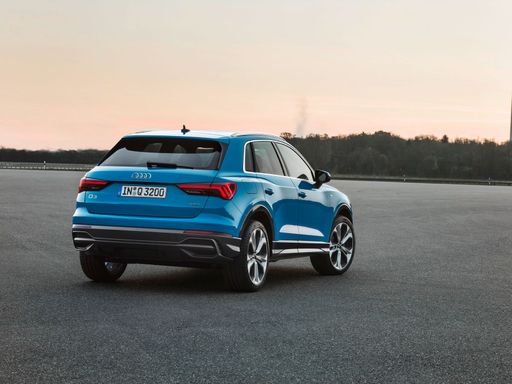
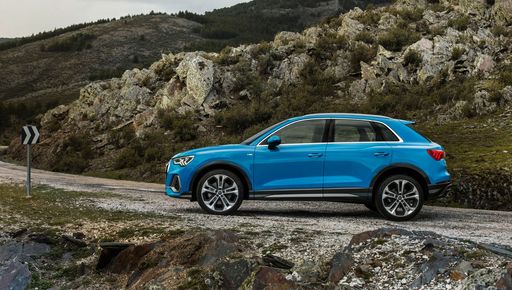
The Audi Q3 asserts itself with a sleek silhouette, measuring between 4484 mm and 4500 mm in length, making it slightly more compact compared to the BMW. The Q3's trunk offers a sizeable 530 L of cargo space, contributing to its practicality.

The BMW X2 extends a slightly more spacious interior, with an overall length ranging from 4554 mm to 4567 mm. This lengthened body accommodates a roomy 560 L trunk capacity in specific trims, ensuring that the X2 doesn’t compromise on utility for style.

X2

Innovation and Technology: Connectivity and Comfort

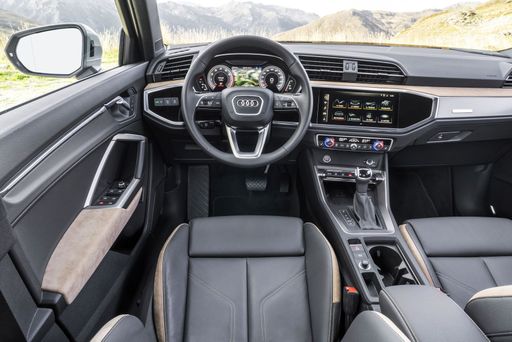
Both the Q3 and X2 embrace cutting-edge technology, providing drivers with intuitive infotainment systems, top-notch connectivity options, and premium audio experiences. Audi’s Q3, for instance, offers a digital cockpit that integrates seamlessly with advanced driver-assistance systems.

BMW’s X2, characterized by its sporty, driver-focused cockpit, pairs its dynamic driving capabilities with comprehensive technology offerings, including adaptive navigation, real-time traffic updates, and a head-up display.

Q3

Final Verdict: Which SUV Takes the Crown?

The Audi Q3 and BMW X2 both bring noteworthy strengths to the table, excelling in areas that speak directly to their target audiences. The Audi Q3 offers a stomach for a broader range in performance and compliments drivers seeking a harmonious blend of power and efficiency.

The BMW X2, with its sporty demeanor and superior efficiency in hybrid configurations, appeals to those prioritizing spirited driving dynamics along with eco-consciousness. Ultimately, the choice between these two comes down to individual preference in terms of driving experience, aesthetics, and brand loyalty.

Whichever you choose, both models exemplify what compact luxury SUVs should strive to offer in terms of performance, style, and innovation.

Here’s where it gets real: The technical differences in detail

X2

Costs and Efficiency:

Price and efficiency are often the first things buyers look at. Here it becomes clear which model has the long-term edge – whether at the pump, the plug, or in purchase price.

Audi Q3 is barely cheaper – starting at 38,200 £ , while the BMW X2 costs 41,200 £ . That’s a price difference of around 3,000 £.

Fuel consumption also shows a difference: the Audi Q3 uses 1.7 L/100km and is clearly more efficient than the BMW X2 with 4.5 L/100km. The difference is about 2.8 L/100km.

Q3

Engine and Performance:

Under the bonnet, it becomes clear which model is tuned for sportiness and which one takes the lead when you hit the accelerator.

When it comes to engine power, the BMW X2 offers barely more power – delivering 300 HP compared to 272 HP. That’s roughly 28 HP more horsepower.

When accelerating from 0 to 100 km/h, the BMW X2 is barely quicker – completing the sprint in 5.4 s, while the Audi Q3 takes 5.7 s. That’s about 0.3 s quicker.

Both models offer the same torque – 400 Nm.

X2

Space and Everyday Use:

Whether family car or daily driver – which one offers more room, flexibility and comfort?

Both vehicles offer seating for 5 people.

In terms of curb weight, Audi Q3 is only slightly lighter – 1,635 kg compared to 1,645 kg. The difference is around 10 kg.

Looking at boot space, the BMW X2 offers moderately more boot space – 560 L compared to 488 L. That’s a difference of about 72 L.

When it comes to payload, the Audi Q3 carries very slightly more – 535 kg compared to 510 kg. That’s a difference of about 25 kg.

Who wins the race in the data check?

The Audi Q3 is decisively ahead in the objective data comparison.
This result only shows which model scores more points on paper – not which of the two cars feels right for you.

from £38,200
Q3

Audi Q3

  • Engine Type : Petrol MHEV, Petrol, Plugin Hybrid, Diesel
  • Transmission : Automatic
  • Drive Type : Front-Wheel Drive, All-Wheel Drive
  • Power HP : 150 - 272 HP
  • Consumption L/100km : 1.7 - 8.6 L/100km
  • Electric Range : 118 - 119 km
BMW X2
Audi Q3

Costs and Consumption

View detailed analysis

Engine and Performance

View detailed analysis

Dimensions and Body

View detailed analysis

BMW X2

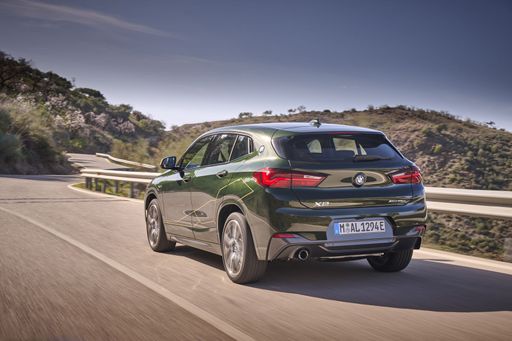
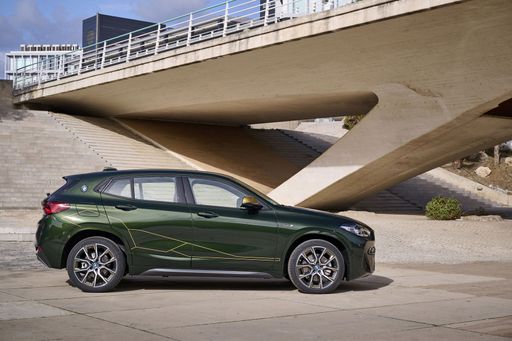
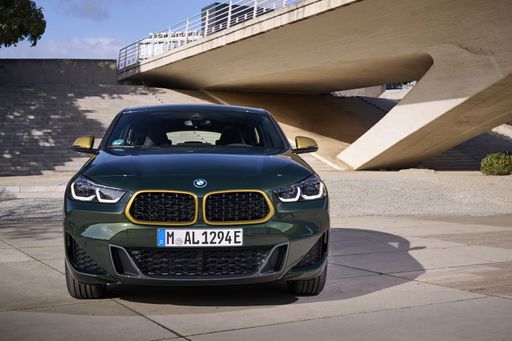
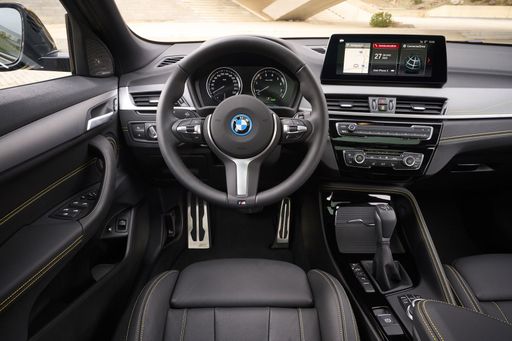
The BMW X2 feels like a sporty coupe dressed as an SUV, with sharp styling and a cheeky, youthful attitude that stands out in traffic. Inside it's driver-focused and compact but smartly packaged, perfect for city life and buyers who want BMW flair without the usual SUV bulk.

details

Audi Q3

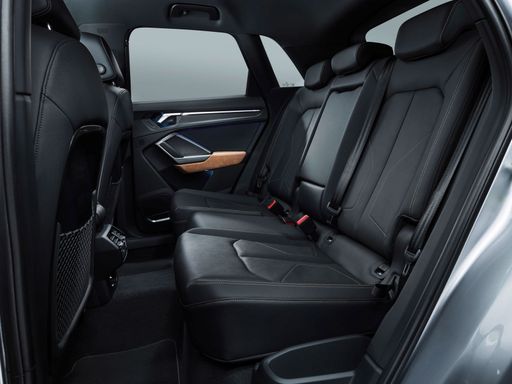
The Audi Q3 feels like a grown-up compact SUV with premium polish and city-friendly agility, the sort of car that makes weekend escapes and daily commutes equally satisfying. Inside, you get quality materials and smart packaging that keep things practical without skimping on style, so it’s an easy pick for buyers who want luxury without the drama.

details
BMW X2
Audi Q3

Costs and Consumption

Price
41,200 - 59,600 £
Price
38,200 - 52,900 £
Consumption L/100km
4.5 - 7.7 L/100km
Consumption L/100km
1.7 - 8.6 L/100km
Consumption kWh/100km
-
Consumption kWh/100km
-
Electric Range
-
Electric Range
118 - 119 km
Battery Capacity
-
Battery Capacity
-
co2
118 - 174 g/km
co2
39 - 195 g/km
Fuel tank capacity
45 L
Fuel tank capacity
-

Dimensions and Body

Body Type
SUV
Body Type
SUV
Seats
5
Seats
5
Doors
5
Doors
-
Curb weight
1,645 - 1,780 kg
Curb weight
1,635 - 1,900 kg
Trunk capacity
515 - 560 L
Trunk capacity
375 - 488 L
Length
4,554 mm
Length
-
Width
1,845 mm
Width
1,859 mm
Height
1,590 mm
Height
-
Max trunk capacity
1,400 - 1,470 L
Max trunk capacity
-
Payload
495 - 510 kg
Payload
505 - 535 kg

Engine and Performance

Engine Type
Diesel MHEV, Petrol MHEV, Diesel, Petrol
Engine Type
Petrol MHEV, Petrol, Plugin Hybrid, Diesel
Transmission
Automatic
Transmission
Automatic
Transmission Detail
Dual-Clutch Automatic
Transmission Detail
Dual-Clutch Automatic
Drive Type
Front-Wheel Drive, All-Wheel Drive
Drive Type
Front-Wheel Drive, All-Wheel Drive
Power HP
150 - 300 HP
Power HP
150 - 272 HP
Acceleration 0-100km/h
5.4 - 8.9 s
Acceleration 0-100km/h
5.7 - 9.2 s
Max Speed
207 - 213 km/h
Max Speed
-
Torque
280 - 400 Nm
Torque
250 - 400 Nm
Number of Cylinders
3 - 4
Number of Cylinders
4
Power kW
110 - 221 kW
Power kW
110 - 200 kW
Engine capacity
1,499 - 1,998 cm3
Engine capacity
1,498 - 1,984 cm3

General

Model Year
2,024
Model Year
2,025
CO2 Efficiency Class
D, F
CO2 Efficiency Class
E, G, B
Brand
BMW
Brand
Audi
DriveDuel uses data analysis and artificial intelligence to evaluate vehicle data and create content. Content is regularly reviewed and improved. The displayed prices are estimates based on German list prices, adjusted to the respective country’s VAT. Country-specific registration taxes are not included. This information is not legally binding.