
 Deutschland
 Schweiz (DE)
 France
 Nederland
 Great Britain
 Italia
 España
VS
BYD Tang VS Lexus LBX – Specs, Efficiency & Price Comparison
Which model is the better choice – the BYD Tang or the Lexus LBX? We compare performance (517 HP vs 136 HP), boot capacity (235 L vs 332 L), efficiency (24 kWh vs 4.50 L), and of course, the price (59700 £ vs 28300 £).
Find out now which car fits your needs better!
The BYD Tang (SUV) is powered by a Electric engine and comes with a Automatic transmission. In comparison, the Lexus LBX (SUV) features a Full Hybrid engine and a Automatic gearbox.
When it comes to boot capacity, the BYD Tang offers 235 L, while the Lexus LBX provides 332 L – depending on what matters most to you. If you’re looking for more power, you’ll need to decide whether the 517 HP of the BYD Tang or the 136 HP of the Lexus LBX suits your needs better.
There are also differences in efficiency: 24 kWh vs 4.50 L. In terms of price, the BYD Tang starts at 59700 £, while the Lexus LBX is available from 28300 £.
Compare all the key specs now and find out which model fits your lifestyle best!
BYD Tang
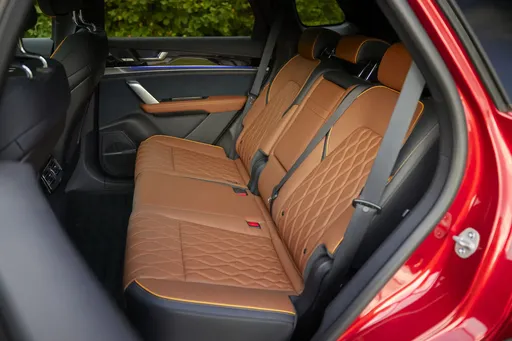
The BYD Tang represents a bold entry into the competitive SUV market, blending cutting-edge technology with modern design aesthetics. Its spacious interior is complemented by high-quality materials and innovative features, making it a strong contender for families and tech enthusiasts alike. With an emphasis on sustainability, the Tang offers an eco-friendly driving experience without compromising on performance or luxury.
details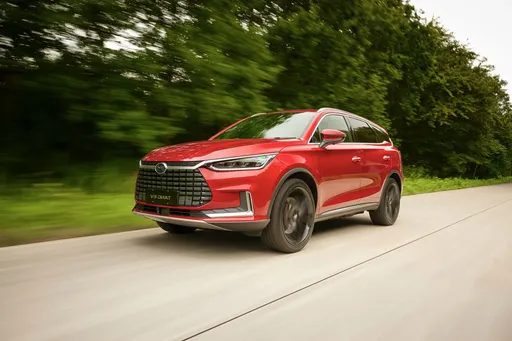 @ press.bydauto.be
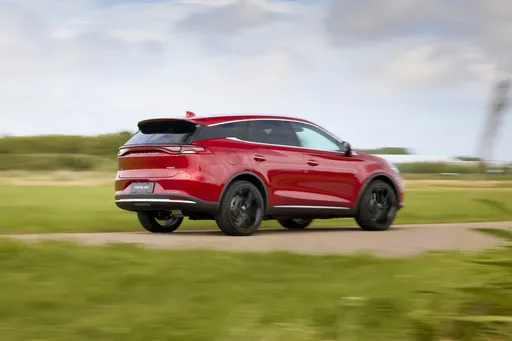 @ press.bydauto.be
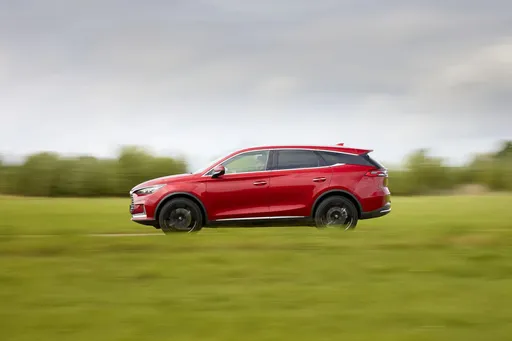 @ press.bydauto.be
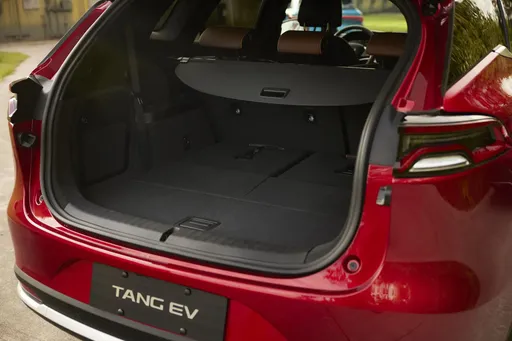 @ press.bydauto.be
 @ press.bydauto.be
Lexus LBX
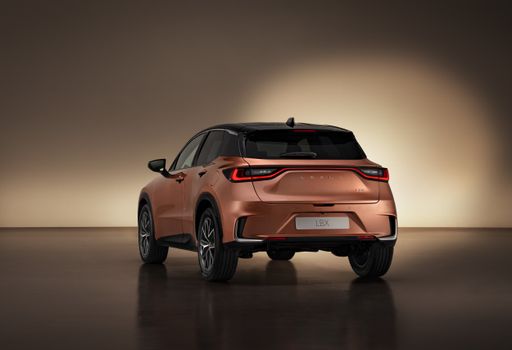
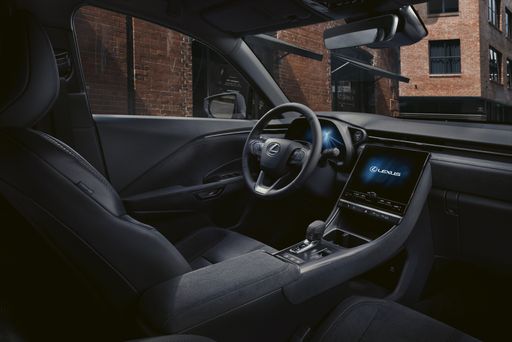
The Lexus LBX represents a new era of compact luxury crossovers, blending a sleek design with exceptional craftsmanship. This model offers an impressive balance of performance and comfort, making it an appealing option for urban driving and longer journeys alike. Inside, the cabin features high-quality materials and innovative technology, ensuring a driving experience that is both sophisticated and connected.
details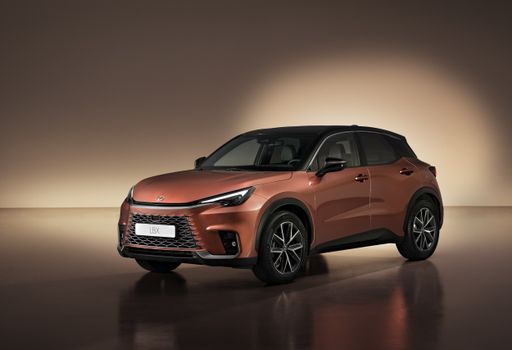 @ newsroom.lexus.eu
 @ newsroom.lexus.eu
 @ newsroom.lexus.eu
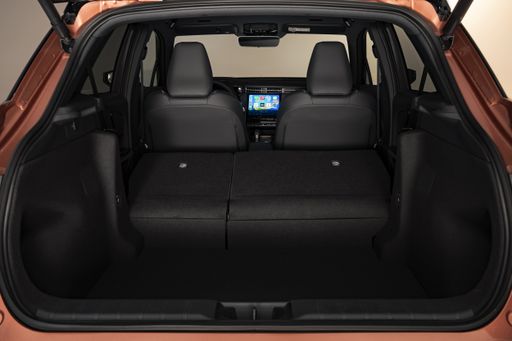 @ newsroom.lexus.eu
BYD Tang
Lexus LBX
|
|
|
|
|
|
Costs and Consumption |
|
|---|---|
|
Price
59700 £
|
Price
28300 - 40000 £
|
|
Consumption L/100km
-
|
Consumption L/100km
4.5 - 4.8 L
|
|
Consumption kWh/100km
24 kWh
|
Consumption kWh/100km
-
|
|
Electric Range
530 km
|
Electric Range
-
|
|
Battery Capacity
-
|
Battery Capacity
-
|
|
co2
0 g/km
|
co2
102 - 109 g/km
|
|
Fuel tank capacity
-
|
Fuel tank capacity
36 L
|
Dimensions and Body |
|
|---|---|
|
Body Type
SUV
|
Body Type
SUV
|
|
Seats
7
|
Seats
5
|
|
Doors
5
|
Doors
5
|
|
Curb weight
2630 kg
|
Curb weight
1280 - 1365 kg
|
|
Trunk capacity
235 L
|
Trunk capacity
255 - 332 L
|
|
Length
4970 mm
|
Length
4190 mm
|
|
Width
1955 mm
|
Width
1825 mm
|
|
Height
1745 mm
|
Height
1560 mm
|
|
Payload
575 kg
|
Payload
455 - 475 kg
|
Engine and Performance |
|
|---|---|
|
Engine Type
Electric
|
Engine Type
Full Hybrid
|
|
Transmission
Automatic
|
Transmission
Automatic
|
|
Transmission Detail
-
|
Transmission Detail
-
|
|
Drive Type
All-Wheel Drive
|
Drive Type
Front-Wheel Drive, All-Wheel Drive
|
|
Power HP
517 HP
|
Power HP
136 HP
|
|
Acceleration 0-100km/h
4.90 s
|
Acceleration 0-100km/h
9.2 - 9.6 s
|
|
Max Speed
190 km/h
|
Max Speed
170 km/h
|
|
Torque
680 Nm
|
Torque
185 Nm
|
|
Number of Cylinders
-
|
Number of Cylinders
3
|
|
Power kW
380 kW
|
Power kW
100 kW
|
|
Engine capacity
-
|
Engine capacity
1490 cm3
|
General |
|
|---|---|
|
Model Year
2024
|
Model Year
2024
|
|
CO2 Efficiency Class
A
|
CO2 Efficiency Class
C
|
|
Brand
BYD
|
Brand
Lexus
|
BYD Tang
Introducing the BYD Tang: A Leap into the Future
The BYD Tang marks a significant step forward in the automotive industry, blending innovative technology with an eco-friendly ethos. As a fully electric SUV, it represents a sophisticated fusion of power and efficiency.
Revolution in Power: Electrifying Performance
Under the bonnet of the BYD Tang lies a remarkable electric engine, boasting 517 PS (380 kW). This powerhouse delivers an astonishing torque of 680 Nm, enabling it to accelerate from 0 to 100 km/h in just 4.9 seconds. Such figures catapult the Tang into the upper echelons of electric vehicles, making it a thrilling option for those who seek performance without compromising on sustainability.
Efficiency Meets Range: A Sustainable Choice
The Tang’s prowess is not just about speed; it’s also about efficiency. Achieving a consumption rate of 24 kWh/100 km and offering a substantial electric range of 530 km, the BYD Tang ensures that drivers can travel far and wide with confidence. With an unparalleled range in its class, it’s a vehicle designed for both urban commuting and long-distance travel.
Innovative Design: Form Meets Functionality
The BYD Tang’s design does more than just catch the eye. With a length of 4970 mm, a width of 1955 mm, and a height of 1745 mm, it offers a commanding presence on the road. Despite its robust silhouette, the Tang is designed with aerodynamics in mind, ensuring minimal resistance and maximising its driving range.
Driving Comfort: Luxury Redefined
Inside the Tang, luxury is the standard. The spacious interior accommodates up to seven passengers, making it an ideal choice for families. Advanced technological features enhance the driving experience, ensuring comfort and connectivity on every journey.
Environmental Consciousness: Leading the Charge
The BYD Tang shines in terms of sustainability, boasting a CO2 efficiency class of A and producing 0 g/km of CO2 emissions. These credentials not only qualify it as an environmentally friendly option but also as a leader in the transition towards a greener future.
Conclusion: The Future is Electric
The BYD Tang embodies the future of automotive engineering—a future that is clean, efficient, and exciting. Priced at €69,615, it offers a compelling option for those who wish to embrace electric mobility without sacrificing the amenities and performance they’ve grown accustomed to. Whether for city driving or adventurous road trips, the Tang is poised to lead the charge.
Lexus LBX
Introducing the Lexus LBX: A New Age of Compact SUVs
The highly anticipated Lexus LBX has revolutionised the compact SUV market, delivering a perfect blend of luxury, efficiency, and performance. With a strong emphasis on hybrid technology, this new model sets a high standard for the environmentally conscious motorist while not compromising on style or innovation.
Under the Bonnet: Technical Mastery
The Lexus LBX is powered by an advanced full-hybrid drivetrain, with a capable engine that deftly combines efficiency and power. Its 1.5-litre, 3-cylinder engine is paired with a CVT automatic gearbox, producing a commendable 136 PS and 100 kW of power. This setup ensures smooth transitions and a seamless driving experience.
The choice between front-wheel and all-wheel drive ensures that drivers can tailor the LBX to their specific needs. The front-wheel drive variant boasts an impressive consumption rate of 4.5 L/100km, while the all-wheel drive models achieve 4.8 L/100km. With CO2 emissions ranging from 102 to 109 g/km, the LBX stands out as a sustainable choice in its class.
Performance and Efficiency
The Lexus LBX doesn’t just excel in fuel efficiency. Its performance statistics are noteworthy, with an acceleration of 0-100 km/h in just 9.2 to 9.6 seconds, and a top speed of 170 km/h. The hybrid system provides a combined torque of 185 Nm, delivering an energetic drive without compromising on environmental considerations.
Despite its compact design, the Lexus LBX offers a substantial boot space of 255 to 332 litres, making it ideal for everyday use and weekend escapades. The SUV's dimensions—measuring 4190 mm in length, 1825 mm in width, and 1560 mm in height—ensure it is suitably compact for urban driving while providing ample interior space.
Innovation in Design
Lexus pushes the boundaries of SUV design with the LBX by offering a modern and elegant aesthetic alongside its technical features. The model is available in several trim levels, including e-CVT, Elegant e-CVT, and the more dynamic Emotion E-FOUR e-CVT, each designed to cater to different tastes and preferences.
Interior features focus on comfort and connectivity, providing a plush environment with advanced infotainment options that seamlessly integrate with daily life. The LBX seats four comfortably, making use of high-quality materials that reflect the premium nature of the brand.
Price and Value Offering
The Lexus LBX comes with an accessible price range of €32,990 to €46,190, offering a luxurious entry into the world of hybrid SUVs. Considering its monthly operational costs ranging from €920 to €1,088, the LBX offers economical running alongside its ecological advantages, making it a smart choice for the discerning driver.
In conclusion, the Lexus LBX captures the essence of what a modern compact SUV should offer: performance, efficiency, and luxury all wrapped in a package that respects the environment. It is a noteworthy addition to the Lexus family, sure to capture the hearts of drivers everywhere.
The prices and data displayed are estimates based on German list prices and may vary by country. This information is not legally binding.