VS

BYD Tang vs Lexus RX comparison

Compare performance (517 HP vs 371 HP), boot space and price (64,300 £ vs 63,300 £ ) at a glance. Find out which car is the better choice for you – BYD Tang or Lexus RX?

BYD Tang vs Lexus RX: Key differences

BYD Tang

  • noticeably more power
  • significantly more electric range
  • markedly quicker 0–100 km/h
details

Lexus RX

5 (1 Reviews)
rate
  • marginally cheaper
  • clearly lighter
  • clearly more trunk space
details

All details on performance, efficiency, range and trunk space can be found in the technical comparison below – including user reviews for both models.

By Achim Sedelmaier

Tang

BYD Tang vs Lexus RX: A Clash of Automotive Titans

In the ever-evolving world of SUVs, the competition for supremacy is fierce, with manufacturers pushing the boundaries of innovation and technology. Two models that stand out in this arena are the BYD Tang and the Lexus RX. These vehicles, one representing groundbreaking electric technology and the other embodying hybrid sophistication, offer two distinct approaches to modern driving. Let's delve into what makes each of these SUVs unique and how they stack up against each other.
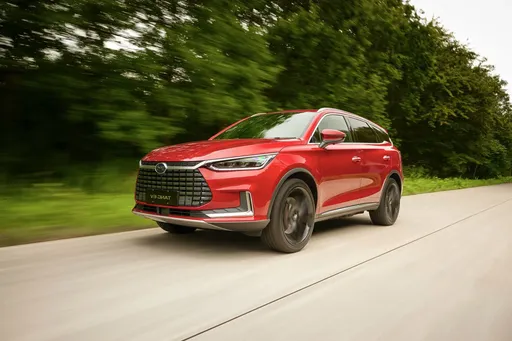
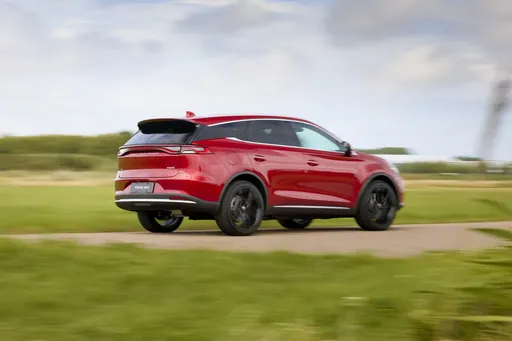
RX

Performance and Power: The Heart of the Machine

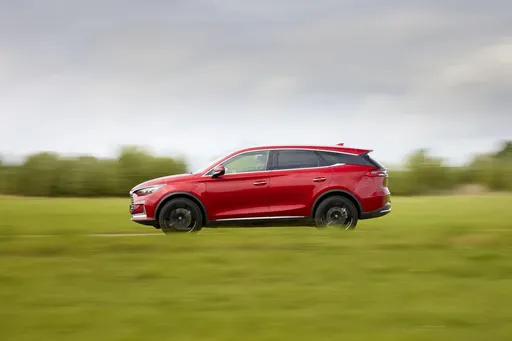
The BYD Tang is a formidable powerhouse equipped with a fully electric engine that delivers an impressive 517 horsepower (380 kW) and 680 Nm of torque. This SUV can sprint from 0 to 100 km/h in just 4.9 seconds, showcasing its ability to offer thrilling sports car-like performance. Its all-wheel-drive system ensures excellent road handling, and despite its massive power, the Tang maintains a strict CO2 emission class of A with zero emissions, catering to environmentally conscious consumers.

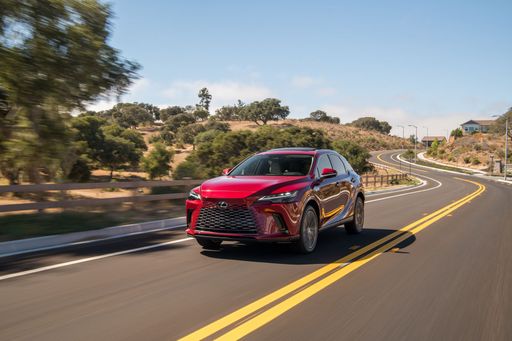
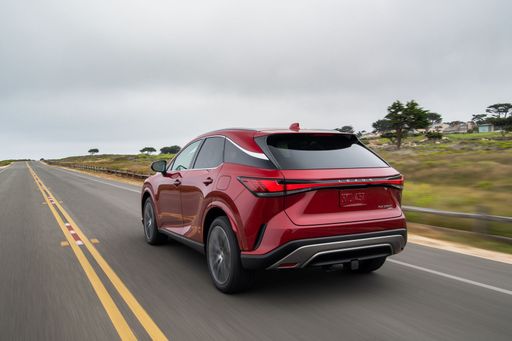
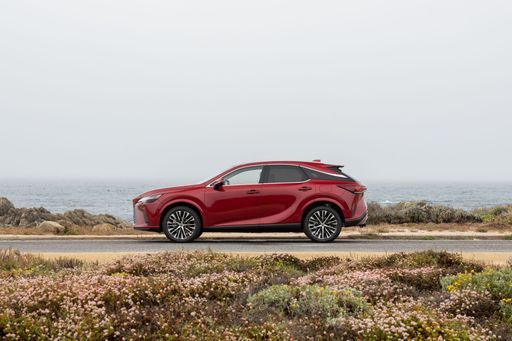
On the other hand, the Lexus RX provides a blend of hybrid options, with power outputs ranging from 250 HP to 371 HP. Depending on the configuration, it employs a full hybrid or plugin hybrid engine. The RX achieves 0 to 100 km/h acceleration times between 6.2 and 7.9 seconds, depending on the variant, and its CO2 efficiency varies across versions. Contributing to its allure is the familiar, smooth performance associated with Lexus's dependable engineering and the availability of CVT and automatic gearbox transmissions.

Tang

Fuel and Efficiency: Navigating the Miles

Electric efficiency is one of BYD Tang's defining attributes, with a consumption rate of 24 kWh/100 km and an electric range of 530 km. This impressive range reduces the need for frequent recharging, making it suitable for long-distance travel without sacrificing sustainability.

The Lexus RX, with its hybrid engines, displays a range of consumption figures, with the plugin hybrid achieving as low as 1.1 L/100 km. The electric range tops at 68 km for the plugin hybrid variant, appealing to drivers who require the flexibility of both electric and conventional fuel systems for varied travel patterns.

RX

Design and Dimensions: Space Meets Style

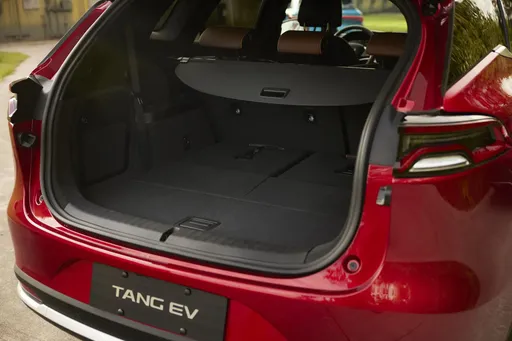
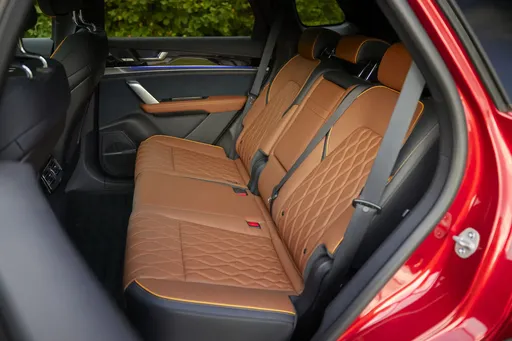
Both the BYD Tang and Lexus RX exhibit outstanding design, albeit in slightly different dimensions. The Tang stands at a length of 4970 mm, width of 1955 mm, and height of 1745 mm, accommodating seven passengers comfortably. It provides 235 liters of trunk space, which may be compact but suits family-oriented lifestyles.

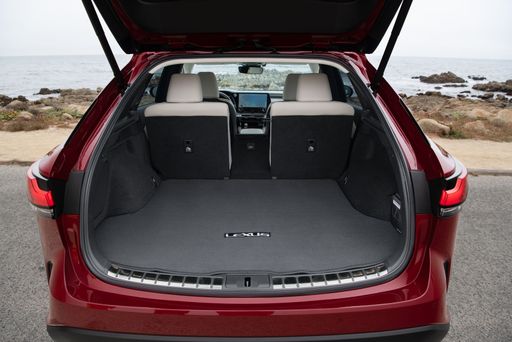
Contrastingly, the Lexus RX measures 4890 mm in length, 1920 mm in width, and 1695 mm in height, supporting a comfortable five-seater configuration with a more generous trunk capacity of 461 liters. This SUV's layout is tailored for those valuing luxury and ample cargo space.

Tang

Weight and Payload: Balancing Act

Weighing in at 2630 kg, the BYD Tang's robust frame supports a payload of 575 kg, emphasizing its capability to haul both passengers and cargo with assurance.

The Lexus RX variants have curb weights between 2040 and 2185 kg, with payload capacities ranging from 575 to 620 kg. This versatility makes the RX suitable for a diverse array of uses, from daily commuting to road-tripping.

RX

More Than Just Specifications

Both the BYD Tang and Lexus RX offer unique features that cater to different consumer preferences. The Tang impresses with its exceptional electric prowess and performance efficiency, while the RX provides a hybrid's flexibility and Lexus's signature luxury.

Ultimately, whether driven by the electric promise of the BYD Tang or the hybrid sophistication of the Lexus RX, consumers are presented with two outstanding options in the SUV market that are sure to fulfill different needs without compromising on quality, style, or innovation.

Here’s where it gets real: The technical differences in detail

Tang

Costs and Efficiency:

Price and efficiency are often the first things buyers look at. Here it becomes clear which model has the long-term edge – whether at the pump, the plug, or in purchase price.

Lexus RX is marginally cheaper – starting at 63,300 £ , while the BYD Tang costs 64,300 £ . That’s a price difference of around 985 £.

As for electric range, the BYD Tang offers significantly more range – reaching up to 530 km, about 463 km more than the Lexus RX.

RX

Engine and Performance:

Power, torque and acceleration say a lot about how a car feels on the road. This is where you see which model delivers more driving dynamics.

When it comes to engine power, the BYD Tang offers noticeably more power – delivering 517 HP compared to 371 HP. That’s roughly 146 HP more horsepower.

When accelerating from 0 to 100 km/h, the BYD Tang is markedly quicker – completing the sprint in 4.9 s, while the Lexus RX takes 6.2 s. That’s about 1.3 s quicker.

There’s also a difference in torque: the BYD Tang delivers a bit more torque with 680 Nm compared to 551 Nm. That’s about 129 Nm more.

Tang

Space and Everyday Use:

Cabin size, boot volume and payload all play a role in everyday practicality. Here, comfort and flexibility make the difference.

Seats: BYD Tang offers more seats – 7 vs 5.

In terms of curb weight, Lexus RX is clearly lighter – 2,040 kg compared to 2,630 kg. The difference is around 590 kg.

Looking at boot space, the Lexus RX offers clearly more boot space – 461 L compared to 235 L. That’s a difference of about 226 L.

When it comes to payload, the Lexus RX carries marginally more – 620 kg compared to 575 kg. That’s a difference of about 45 kg.

Who wins the race in the data check?

The BYD Tang holds a decisive overall lead in the objective data comparison.
This result only shows which model scores more points on paper – not which of the two cars feels right for you.

£64,285
Tang

BYD Tang

  • Engine Type : Electric
  • Transmission : Automatic
  • Drive Type : All-Wheel Drive
  • Power HP : 517 HP
  • Consumption kWh/100km : 24 kWh/100km
  • Electric Range : 530 km
BYD Tang
Lexus RX

Costs and Consumption

View detailed analysis

Engine and Performance

View detailed analysis

Dimensions and Body

View detailed analysis

BYD Tang

The BYD Tang is a bold, tech-loaded SUV that blends striking design with roomy practicality, making it equally at home on the school run and the open road. Packed with clever tech and a powertrain that mixes efficiency with eager performance, it’s a smart, value-focused pick for buyers who want electric-age comfort without the premium-brand fuss.

details

Lexus RX

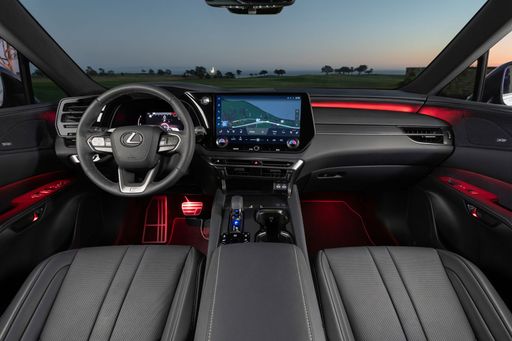
The Lexus RX glides through city streets with the kind of hushed refinement that turns mundane commutes into a private lounge. It mixes plush comfort and polished practicality in a package that suits buyers who want to arrive relaxed and a touch smug.

details
BYD Tang
Lexus RX

Costs and Consumption

Price
64,300 £
Price
63,300 - 87,400 £
Consumption L/100km
-
Consumption L/100km
3.3 - 8.1 L/100km
Consumption kWh/100km
24 kWh/100km
Consumption kWh/100km
-
Electric Range
530 km
Electric Range
67 km
Battery Capacity
-
Battery Capacity
-
co2
0 g/km
co2
75 - 183 g/km
Fuel tank capacity
-
Fuel tank capacity
-

Dimensions and Body

Body Type
SUV
Body Type
SUV
Seats
7
Seats
5
Doors
-
Doors
-
Curb weight
2,630 kg
Curb weight
2,040 - 2,185 kg
Trunk capacity
235 L
Trunk capacity
461 L
Length
-
Length
-
Width
1,955 mm
Width
1,920 mm
Height
-
Height
-
Max trunk capacity
-
Max trunk capacity
-
Payload
575 kg
Payload
575 - 620 kg

Engine and Performance

Engine Type
Electric
Engine Type
Full Hybrid, Plugin Hybrid
Transmission
Automatic
Transmission
Automatic
Transmission Detail
Reduction Gearbox
Transmission Detail
Automatic Gearbox, CVT
Drive Type
All-Wheel Drive
Drive Type
All-Wheel Drive
Power HP
517 HP
Power HP
207 - 371 HP
Acceleration 0-100km/h
4.9 s
Acceleration 0-100km/h
6.2 - 7.9 s
Max Speed
-
Max Speed
-
Torque
680 Nm
Torque
551 Nm
Number of Cylinders
-
Number of Cylinders
4
Power kW
380 kW
Power kW
152 - 273 kW
Engine capacity
-
Engine capacity
2,393 - 2,487 cm3

General

Model Year
2024
Model Year
2,024 - 2,025
CO2 Efficiency Class
A
CO2 Efficiency Class
G, E, B
Brand
BYD
Brand
Lexus
DriveDuel uses data analysis and artificial intelligence to evaluate vehicle data and create content. Content is regularly reviewed and improved. The displayed prices are estimates based on German list prices, adjusted to the respective country’s VAT. Country-specific registration taxes are not included. This information is not legally binding.