@ BYD Auto / BYD Global Media
@ Volvo Cars
VS

BYD Tang vs Volvo EX90 – Which car suits you better?

Everyday use, family trips or long-distance drives – here’s where the differences show.
Discover whether BYD Tang or Volvo EX90 fits your lifestyle better.

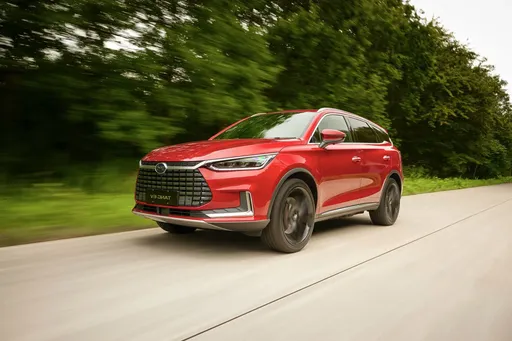
BYD Tang

Volvo EX90

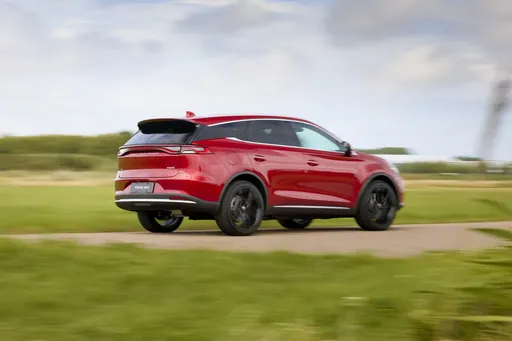
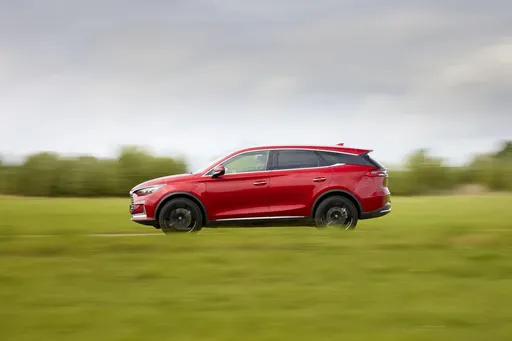
Tang @ BYD Auto / BYD Global Media

The automotive landscape is witnessing a remarkable shift towards electric vehicles, with manufacturers competing fiercely to capture the SUV market. Two prominent models vying for attention are the BYD Tang and the Volvo EX90. Each offering a unique blend of technology, performance, and comfort, this comparison dives deep into their specifications and innovations.
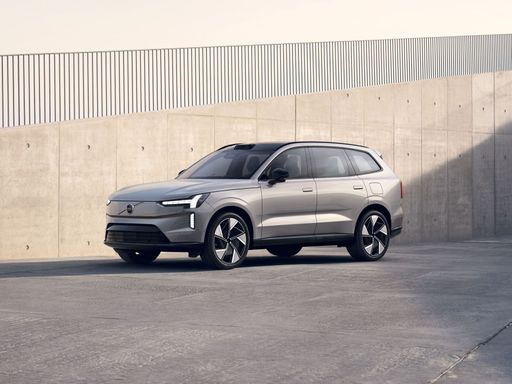
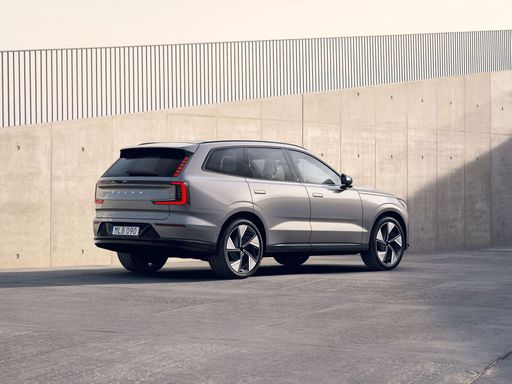
EX90 @ Volvo Cars

Performance Comparison

When it comes to performance, both the BYD Tang and the Volvo EX90 showcase impressive specifications. The Tang is powered by an electric motor generating 517 HP, providing a thrilling acceleration from 0 to 100 km/h in just 4.9 seconds. With a torque of 680 Nm, this all-wheel-drive SUV promises exceptional traction and driving dynamics. Its top speed reaches 190 km/h, catering to both thrill-seekers and everyday drivers alike.

On the other hand, the Volvo EX90 offers multiple powertrain options, including versions delivering 279 HP up to 517 HP, similar to that of the Tang. The performance variants of the EX90 can also achieve 0-100 km/h in as little as 4.9 seconds. However, its top speed is slightly lower, capped at 180 km/h. The torque ranges from 490 Nm in the entry-level model, up to a staggering 910 Nm in its highest output version, ensuring that performance is not compromised.

Tang @ BYD Auto / BYD Global Media

Range and Efficiency

Efficiency in electric vehicles is crucial for a satisfying ownership experience. The BYD Tang boasts an electric range of up to 530 km, with a consumption of 24 kWh/100 km. This positions it well for both urban commutes and longer journeys.

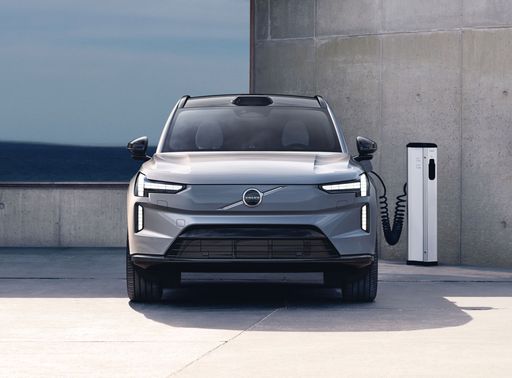
Conversely, the Volvo EX90 edges ahead in range with offerings of 580 km and 614 km depending on the battery variant selected. It also demonstrates competitive efficiency with levels between 19.9 kWh and 20.8 kWh/100 km. The larger battery options available in the EX90, reaching up to 107 kWh, provide flexibility for those needing extended driving range without frequent charging stops.

EX90 @ Volvo Cars

Interior Space and Comfort

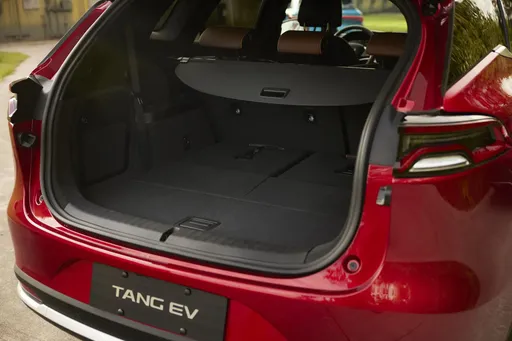
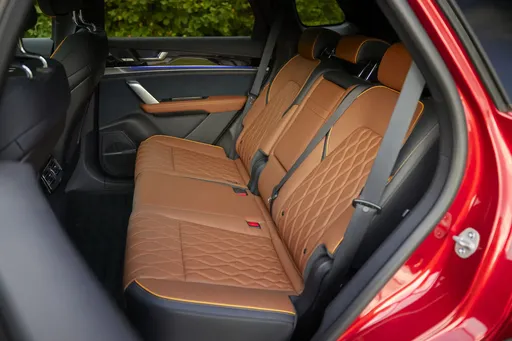
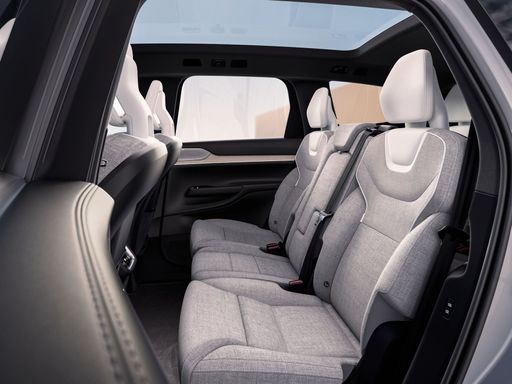
The BYD Tang comfortably seats seven occupants, making it an ideal choice for families or those requiring extra space. The interior design combines functionality with modern aesthetics, featuring a trunk capacity of 235 liters, accommodating luggage for trips and daily needs.

In contrast, the Volvo EX90 offers configurations with 5 or 6 seats, with a trunk capacity that starts at 310 liters. The interior is crafted with premium materials that reflect Volvo's commitment to luxury and comfort. The minimalistic Scandinavian design ethos is prominent throughout, adding to the overall appeal.

Tang @ BYD Auto / BYD Global Media

Innovative Technologies

Both vehicles emphasize the integration of advanced technology, enhancing safety, convenience, and driving experience. The BYD Tang features an intuitive infotainment system with connectivity options, allowing drivers to stay connected with ease. Additionally, its safety features aim to create a secure environment for all passengers.

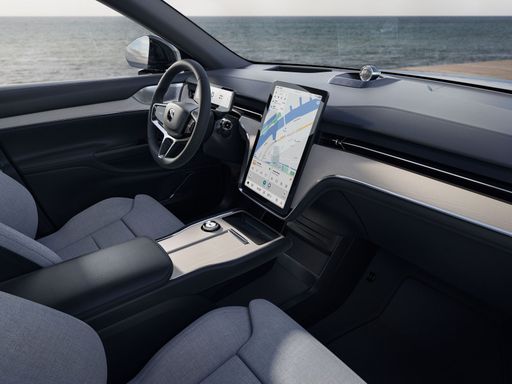
The Volvo EX90, known for its commitment to safety, is equipped with a rich array of driver assistance technologies. Advanced sensors and a robust suite of safety features make it one of the safest SUVs on the market. The EX90's infotainment system is also cutting-edge, equipped with state-of-the-art navigation and connectivity capabilities, pushing the envelope of in-car technology.

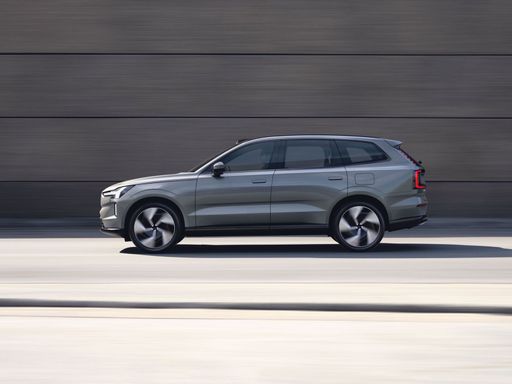
EX90 @ Volvo Cars

Conclusion: Which SUV Reigns Supreme?

In conclusion, choosing between the BYD Tang and the Volvo EX90 ultimately hinges on individual preferences. The Tang stands out with its robust performance and spacious interior, while the EX90 shines with its extended range and cutting-edge safety features. Both SUVs are equipped to meet the demands of today's electric vehicle market and promise to deliver thrilling driving experiences. As the market evolves, it will be fascinating to see how both brands adapt and innovate in this electrified arena.

Here’s where it gets real: The technical differences in detail

Tang @ BYD Auto / BYD Global Media

Costs and Efficiency:

Looking at overall running costs, both models reveal some interesting differences in everyday economy.

BYD Tang has a somewhat advantage in terms of price – it starts at 64300 £, while the Volvo EX90 costs 73700 £. That’s a price difference of around 9420 £.

In terms of energy consumption, the advantage goes to the Volvo EX90: with 17.80 kWh per 100 km, it’s evident more efficient than the BYD Tang with 24 kWh. That’s a difference of about 6.20 kWh.

As for range, the Volvo EX90 performs somewhat better – achieving up to 620 km, about 90 km more than the BYD Tang.

EX90 @ Volvo Cars

Engine and Performance:

Under the bonnet, it becomes clear which model is tuned for sportiness and which one takes the lead when you hit the accelerator.

When it comes to engine power, the Volvo EX90 has a evident edge – offering 680 HP compared to 517 HP. That’s roughly 163 HP more horsepower.

In acceleration from 0 to 100 km/h, the Volvo EX90 is somewhat quicker – completing the sprint in 4.20 s, while the BYD Tang takes 4.90 s. That’s about 0.70 s faster.

In terms of top speed, the BYD Tang performs barely noticeable better – reaching 190 km/h, while the Volvo EX90 tops out at 180 km/h. The difference is around 10 km/h.

There’s also a difference in torque: Volvo EX90 pulls distinct stronger with 870 Nm compared to 680 Nm. That’s about 190 Nm difference.

Tang @ BYD Auto / BYD Global Media

Space and Everyday Use:

Whether family car or daily driver – which one offers more room, flexibility and comfort?

Both vehicles offer seating for 7 people.

In curb weight, Volvo EX90 is barely noticeable lighter – 2556 kg compared to 2630 kg. The difference is around 74 kg.

In terms of boot space, the Volvo EX90 offers noticeable more room – 324 L compared to 235 L. That’s a difference of about 89 L.

In maximum load capacity, the Volvo EX90 performs distinct better – up to 2135 L, which is about 480 L more than the BYD Tang.

When it comes to payload, Volvo EX90 barely noticeable takes the win – 585 kg compared to 575 kg. That’s a difference of about 10 kg.

Who comes out on top?

Overall, the Volvo EX90 shows itself to be dominates this comparison and secures the title of DriveDuel Champion.
It convinces with the more balanced overall package and proves to be the more versatile choice for everyday use.

BYD Tang
Volvo EX90

Costs and Consumption

View detailed analysis

Engine and Performance

View detailed analysis

Dimensions and Body

View detailed analysis
from about £73,700
EX90 @ Volvo Cars

Volvo EX90

  • Engine Type : Electric
  • Transmission : Automatic
  • Drive Type : Rear-Wheel Drive, All-Wheel Drive
  • Power HP : 333 - 680 HP
  • Consumption kWh/100km : 17.8 - 19.3 kWh
  • Electric Range : 570 - 620 km

BYD Tang

The BYD Tang is a bold, tech-loaded SUV that blends striking design with roomy practicality, making it equally at home on the school run and the open road. Packed with clever tech and a powertrain that mixes efficiency with eager performance, it’s a smart, value-focused pick for buyers who want electric-age comfort without the premium-brand fuss.

details

Volvo EX90

The Volvo EX90 feels like a Scandinavian fortress on wheels, combining serene luxury with smart safety features that make everyday driving remarkably calm and confident. It dresses cutting-edge electric technology in understated elegance, so buyers who want peace of mind without shouting about it will find it hard to resist.

details
BYD Tang
Volvo EX90
Tang @ BYD Auto / BYD Global Media
EX90 @ Volvo Cars

Costs and Consumption

Price
64300 £
Price
73700 - 94100 £
Consumption L/100km
-
Consumption L/100km
-
Consumption kWh/100km
24 kWh
Consumption kWh/100km
17.8 - 19.3 kWh
Electric Range
530 km
Electric Range
570 - 620 km
Battery Capacity
-
Battery Capacity
88 - 102 kWh
co2
0 g/km
co2
0 g/km
Fuel tank capacity
-
Fuel tank capacity
-

Dimensions and Body

Body Type
SUV
Body Type
SUV
Seats
7
Seats
6 - 7
Doors
5
Doors
5
Curb weight
2630 kg
Curb weight
2556 - 2764 kg
Trunk capacity
235 L
Trunk capacity
324 L
Length
4970 mm
Length
5037 mm
Width
1955 mm
Width
1964 mm
Height
1745 mm
Height
1744 mm
Max trunk capacity
1655 L
Max trunk capacity
2082 - 2135 L
Payload
575 kg
Payload
375 - 585 kg

Engine and Performance

Engine Type
Electric
Engine Type
Electric
Transmission
Automatic
Transmission
Automatic
Transmission Detail
Reduction Gearbox
Transmission Detail
Reduction Gearbox
Drive Type
All-Wheel Drive
Drive Type
Rear-Wheel Drive, All-Wheel Drive
Power HP
517 HP
Power HP
333 - 680 HP
Acceleration 0-100km/h
4.90 s
Acceleration 0-100km/h
4.2 - 6.8 s
Max Speed
190 km/h
Max Speed
180 km/h
Torque
680 Nm
Torque
480 - 870 Nm
Number of Cylinders
-
Number of Cylinders
-
Power kW
380 kW
Power kW
245 - 500 kW
Engine capacity
-
Engine capacity
-

General

Model Year
2024
Model Year
2025
CO2 Efficiency Class
A
CO2 Efficiency Class
A
Brand
BYD
Brand
Volvo
Is the BYD Tang offered with different drivetrains?

The BYD Tang is available as All-Wheel Drive.

The prices and data displayed are estimates based on German list prices and may vary by country. This information is not legally binding.

do not click