
 Deutschland
 France
 Nederland
 Great Britain
 Sverige
 Danmark
 Suomi
Suomi Italia
 Polska
 Česko
Česko España
VS
BYD Tang vs ZEEKR 001 comparison
Compare performance (517 HP vs 544 HP), boot space and price (64,300 £ vs 51,400 £ ) at a glance. Find out which car is the better choice for you – BYD Tang or ZEEKR 001?
Tang
Costs and Efficiency:
Looking at overall running costs, both models reveal some interesting differences in everyday economy.
ZEEKR 001 is markedly cheaper – starting at 51,400 £ , while the BYD Tang costs 64,300 £ . That’s a price difference of around 12,865 £.
In terms of energy consumption, the ZEEKR 001 is clearly more efficient: consuming 18.2 kWh/100km compared to 24 kWh/100km for the BYD Tang. That’s a difference of about 5.8 kWh/100km.
As for electric range, the ZEEKR 001 offers a bit more range – reaching up to 620 km, about 90 km more than the BYD Tang.
001
Engine and Performance:
Power, torque and acceleration say a lot about how a car feels on the road. This is where you see which model delivers more driving dynamics.
When it comes to engine power, the ZEEKR 001 offers marginally more power – delivering 544 HP compared to 517 HP. That’s roughly 27 HP more horsepower.
When accelerating from 0 to 100 km/h, the ZEEKR 001 is noticeably quicker – completing the sprint in 3.8 s, while the BYD Tang takes 4.9 s. That’s about 1.1 s quicker.
There’s also a difference in torque: the ZEEKR 001 delivers only slightly more torque with 686 Nm compared to 680 Nm. That’s about 6 Nm more.
Tang
Space and Everyday Use:
Cabin size, boot volume and payload all play a role in everyday practicality. Here, comfort and flexibility make the difference.
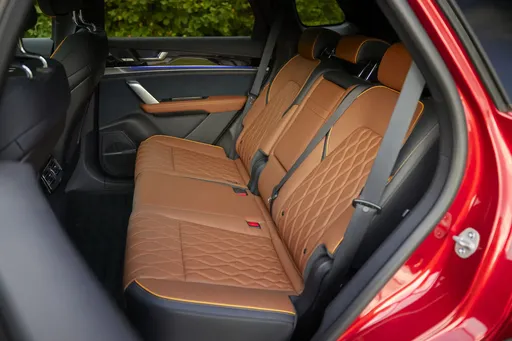
Seats: BYD Tang offers more seats – 7 vs 5.
In terms of curb weight, ZEEKR 001 is slightly lighter – 2,200 kg compared to 2,630 kg. The difference is around 430 kg.
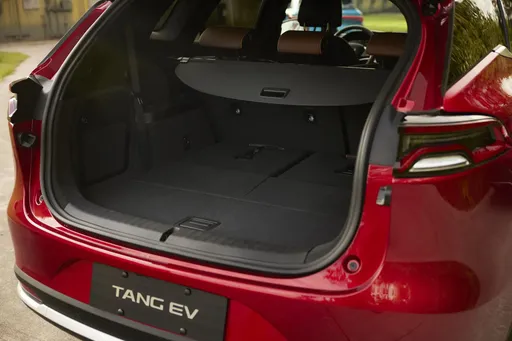
Looking at boot space, the ZEEKR 001 offers considerably more boot space – 539 L compared to 235 L. That’s a difference of about 304 L.
When it comes to payload, the BYD Tang carries only slightly more – 575 kg compared to 520 kg. That’s a difference of about 55 kg.
Who wins the race in the data check?
The ZEEKR 001 holds a decisive overall lead in the objective data comparison.
This result only shows which model scores more points on paper – not which of the two cars feels right for you.
from £51,400
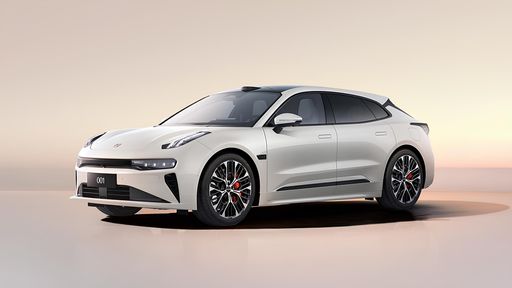
ZEEKR 001
BYD Tang
ZEEKR 001
Costs and Consumption
View detailed analysis
View detailed analysis
Engine and Performance
View detailed analysis
View detailed analysis
Dimensions and Body
View detailed analysis
View detailed analysis
BYD Tang
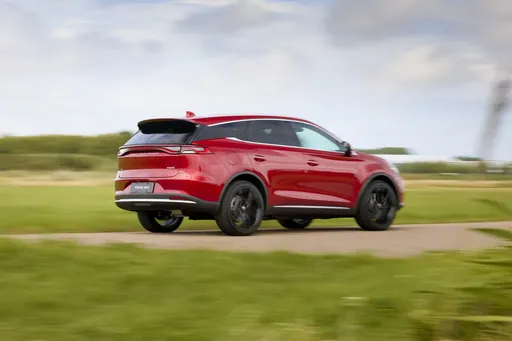
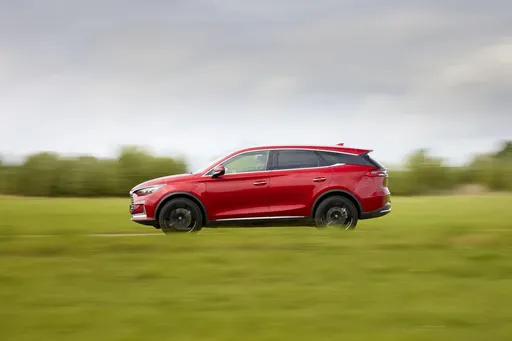
The BYD Tang is a bold, tech-loaded SUV that blends striking design with roomy practicality, making it equally at home on the school run and the open road. Packed with clever tech and a powertrain that mixes efficiency with eager performance, it’s a smart, value-focused pick for buyers who want electric-age comfort without the premium-brand fuss.
details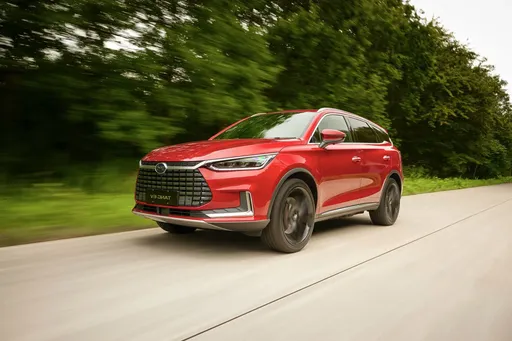
ZEEKR 001
The Zeekr 001 feels like a grown-up fastback from the future, blending sleek Scandinavian minimalism with surprising road presence that turns heads without shouting. Inside it's a premium, gadget-filled cocoon that makes electric driving effortless and enjoyable — a polished alternative for buyers who want something refreshingly different.
details
BYD Tang
ZEEKR 001
Costs and Consumption |
|
|---|---|
|
Price
64,300 £
|
Price
51,400 - 62,600 £
|
|
Consumption L/100km
-
|
Consumption L/100km
-
|
|
Consumption kWh/100km
24 kWh/100km
|
Consumption kWh/100km
18.2 - 18.5 kWh/100km
|
|
Electric Range
530 km
|
Electric Range
585 - 620 km
|
|
Battery Capacity
-
|
Battery Capacity
-
|
|
co2
0 g/km
|
co2
0 g/km
|
|
Fuel tank capacity
-
|
Fuel tank capacity
-
|
Dimensions and Body |
|
|---|---|
|
Body Type
SUV
|
Body Type
Estate
|
|
Seats
7
|
Seats
5
|
|
Doors
-
|
Doors
-
|
|
Curb weight
2,630 kg
|
Curb weight
2,200 - 2,350 kg
|
|
Trunk capacity
235 L
|
Trunk capacity
539 L
|
|
Length
-
|
Length
-
|
|
Width
1,955 mm
|
Width
2,005 mm
|
|
Height
-
|
Height
-
|
|
Max trunk capacity
-
|
Max trunk capacity
-
|
|
Payload
575 kg
|
Payload
505 - 520 kg
|
Engine and Performance |
|
|---|---|
|
Engine Type
Electric
|
Engine Type
Electric
|
|
Transmission
Automatic
|
Transmission
Automatic
|
|
Transmission Detail
Reduction Gearbox
|
Transmission Detail
Reduction Gearbox
|
|
Drive Type
All-Wheel Drive
|
Drive Type
Rear-Wheel Drive, All-Wheel Drive
|
|
Power HP
517 HP
|
Power HP
272 - 544 HP
|
|
Acceleration 0-100km/h
4.9 s
|
Acceleration 0-100km/h
3.8 - 7.2 s
|
|
Max Speed
-
|
Max Speed
-
|
|
Torque
680 Nm
|
Torque
343 - 686 Nm
|
|
Number of Cylinders
-
|
Number of Cylinders
-
|
|
Power kW
380 kW
|
Power kW
200 - 400 kW
|
|
Engine capacity
-
|
Engine capacity
-
|
General |
|
|---|---|
|
Model Year
2024
|
Model Year
2026
|
|
CO2 Efficiency Class
A
|
CO2 Efficiency Class
A
|
|
Brand
BYD
|
Brand
ZEEKR
|
DriveDuel uses data analysis and artificial intelligence to evaluate vehicle data and create content. Content is regularly reviewed and improved.
The displayed prices are estimates based on German list prices, adjusted to the respective country’s VAT. Country-specific registration taxes are not included. This information is not legally binding.