VS

Citroen Berlingo vs Fiat Doblò comparison

Compare performance (136 HP vs 130 HP), boot space and price (20,300 £ vs 25,900 £ ) at a glance. Find out which car is the better choice for you – Citroen Berlingo or Fiat Doblò?

Citroen Berlingo vs Fiat Doblò: Key differences

Citroen Berlingo

  • markedly cheaper
  • only slightly more power
  • very slightly more efficient
  • marginally lighter
details

Fiat Doblò

details

By Achim Sedelmaier

Berlingo

Head-to-head overview: Citroen Berlingo VS Fiat Doblò

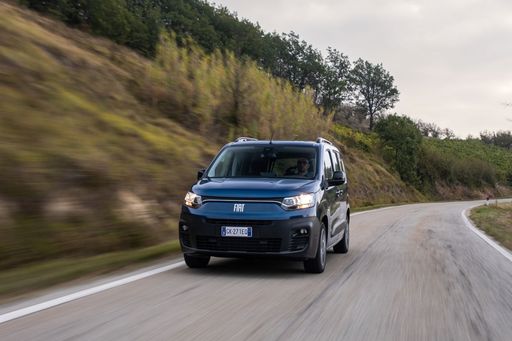
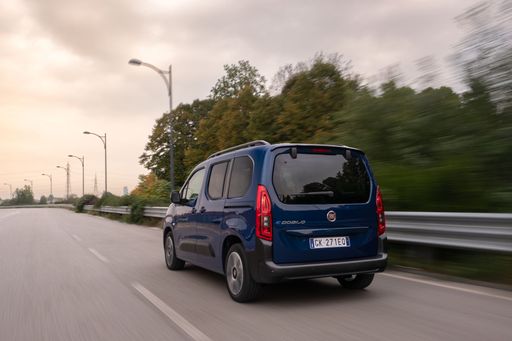
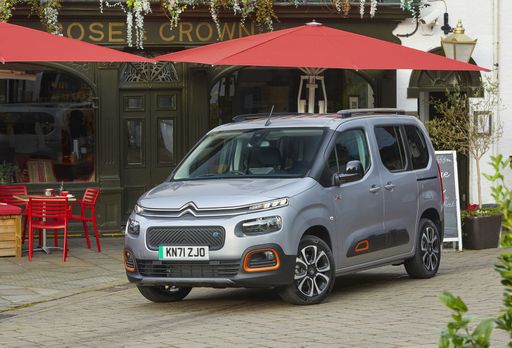
Citroen Berlingo VS Fiat Doblò represent two pragmatic takes on the high-roof family van: the Berlingo leans toward comfort and everyday versatility, while the Doblò prioritises raw cargo space and robustness. Both make loading, child seats and practical life easier than an SUV, but they get there with different compromises that matter in daily use. The Berlingo feels more composed and user-friendly for families who want flexible seating and softer ride manners. The Doblò, by contrast, feels like a tool first—more cube-like space and simple surfaces that favour hauling over creature comforts. Read on for the areas where those differences will affect your choice every week.
Doblò

Comfort and long-distance behaviour

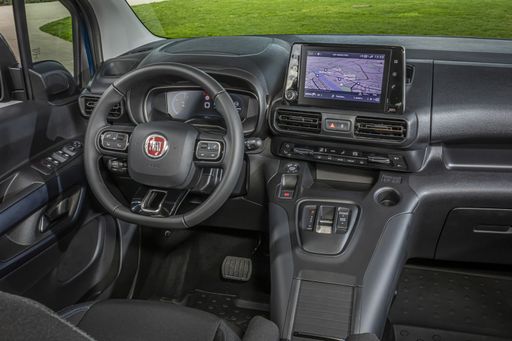
The Citroen Berlingo favours a cushioned ride and supportive, long-journey seats that reduce fatigue on hours-long trips, making motorway miles feel less wearing in day-to-day driving. Fiat Doblò also soaks up bumps, but its rear seats are narrower and the diesel variants are noticeably more acoustically crude under load, which makes long runs feel tougher for rear passengers. If you consider an electric Berlingo, it is quiet around town but its range shrinks noticeably at sustained motorway speed, so planning matters on fast highways. The Doblò’s strength is mechanical resilience and steadiness under load—better if you regularly haul heavy kit but less refined when you want calm cabin ambience on long trips. In short: Berlingo is the softer, more passenger-focused cruiser; Doblò is the tougher, cargo-first highway worker with a harsher soundtrack.

Berlingo

Practicality and cargo usability

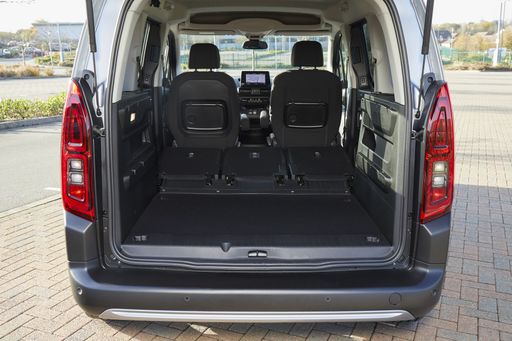
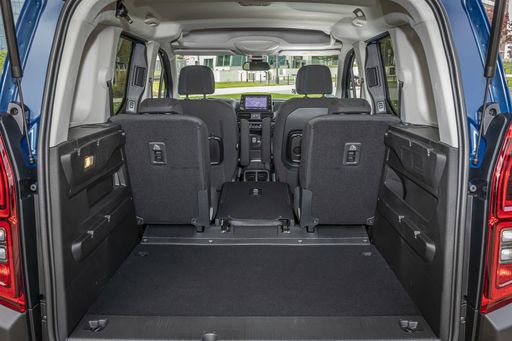
When it comes to usable space, the Fiat Doblò makes a strong case: its boxy load area and straightforward geometry let you pack bulky, awkward items with minimal fuss, and it’s built like a workhorse. The Citroen Berlingo answers with smarter versatility—sliding doors, flexible second-row layouts and an optional third row that turn the load bay into a family room, not just a cargo box. For regular tradespeople, DIYers or those transporting long, unwieldy gear the Doblò’s cubic capacity and tie-down practicality win out. For parents, hobbyists and anyone who needs a mix of people-carrying and weekend kit, the Berlingo’s modularity and child-friendly access are more everyday-friendly. Both make loading easy, but the Doblò is purist volume; the Berlingo is volume with family-focused thinking.

Doblò

Cabin feel, controls and perceived quality

Step inside the Citroen Berlingo and you immediately notice softer seats and a more considered ergonomics package aimed at comfort, even though surfaces remain largely hard and pragmatic. The Fiat Doblò doubles down on rugged simplicity—durable plastics and a no-nonsense layout that stands up to wet boots and muddy dogs but won’t impress buyers chasing refinement. Both cabins require acceptance of their utilitarian roots, yet the Berlingo’s updated screen and seating make it feel a touch more modern and passenger-oriented, while the Doblò keeps options for tech upgrades scattered across trims. Controls can be fussy in both: the Berlingo’s infotainment has more features but could use clearer shortcuts, and the Doblò sometimes leaves you wanting a proper factory screen in lower trims. The trade-off is obvious: Berlingo trades a bit of ruggedness for creature comfort, Doblò trades polish for durability and simplicity.

Berlingo

City friendliness and everyday usability

In tight urban life both cars offer real benefits: high seating gives a commanding view and sliding doors on both models make kerbside child loading painless in narrow parking spots. The Citroen Berlingo feels easier to live with day-to-day thanks to its softer steering and a cabin tuned for convenience, though its large upward-opening tailgate can be awkward in low-clearance garages. The Fiat Doblò’s visibility and outright cargo access make it quicker to load and unload in delivery-style routines, and its simpler controls are less distracting for practical daily chores. Manoeuvrability is broadly similar, but the Berlingo edges city-driving comfort while the Doblò edges practical quickness when you’re working with bulky items or frequent stop-and-load errands. Choose Berlingo for relaxed daily family chores, Doblò for tight city work that involves heavy or frequent loading.

Doblò

Buyer fit: who should pick which and why

If your priority is a family-focused, well-mannered van with ergonomic details, flexible seating and a calmer cabin, the Citroen Berlingo will suit you better; it feels tailored to everyday family life and mixed use. If you spend more time carrying bulky loads, equipment or pets and want the most straightforward, best-usable cubic space with a robust interior, the Fiat Doblò is more fitting—it’s the practical pick for trades, hobbies and heavy-duty weekends. Budget-conscious buyers who value space-per-pound will like how both deliver value, but the trade-offs are different: Berlingo favours comfort and usability, Doblò favours maximum cargo utility and durability. With those buyer profiles in mind, the next step is a technical comparison so you can match engines, running costs and options to the way you actually use the vehicle.

Here’s where it gets real: The technical differences in detail

Berlingo

Costs and Efficiency:

Price and efficiency are key factors when choosing a car – and this is often where the real differences emerge.

Citroen Berlingo is markedly cheaper – starting at 20,300 £ , while the Fiat Doblò costs 25,900 £ . That’s a price difference of around 5,595 £.

Fuel consumption also shows a difference: the Citroen Berlingo uses 5.3 L/100km and is very slightly more efficient than the Fiat Doblò with 5.5 L/100km. The difference is about 0.2 L/100km.

Doblò

Engine and Performance:

Power, torque and acceleration are the classic benchmarks for car enthusiasts – and here, some clear differences start to show.

When it comes to engine power, the Citroen Berlingo offers only slightly more power – delivering 136 HP compared to 130 HP. That’s roughly 6 HP more horsepower.

Both models offer the same torque – 300 Nm.

Berlingo

Space and Everyday Use:

Whether family car or daily driver – which one offers more room, flexibility and comfort?

Seats: Citroen Berlingo offers more seats – 7 vs 5.

In terms of curb weight, Citroen Berlingo is marginally lighter – 1,476 kg compared to 1,530 kg. The difference is around 54 kg.

Maximum payload is identical – both can carry up to 840 kg.

Who wins the race in the data check?

The Citroen Berlingo is far ahead overall in the objective data comparison.
This result only shows which model scores more points on paper – not which of the two cars feels right for you.

from £20,300
Berlingo

Citroen Berlingo

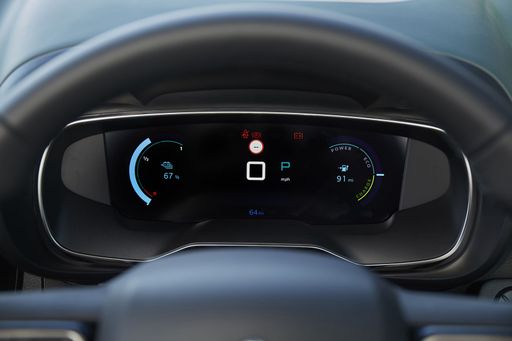
  • Engine Type : Electric, Diesel, Petrol
  • Transmission : Automatic, Manuel
  • Drive Type : Front-Wheel Drive
  • Power HP : 102 - 136 HP
  • Consumption L/100km : 5.3 - 6.3 L/100km
  • Consumption kWh/100km : 18 - 18.7 kWh/100km
  • Electric Range : 334 - 343 km
Citroen Berlingo
Fiat Doblò

Costs and Consumption

View detailed analysis

Engine and Performance

View detailed analysis

Dimensions and Body

View detailed analysis

Citroen Berlingo

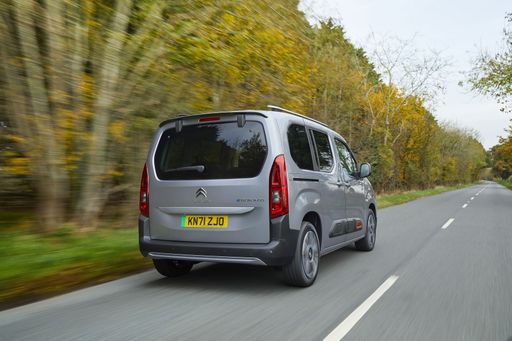
The Citroën Berlingo is a charming, practical MPV that blends everyday versatility with a comfy ride and clever storage tricks that make life easier for families and small businesses. It won’t star in a sports-car ad, but its sensible layout, enormous load flexibility and friendly demeanor mean it often wins on plain common sense — perfect for school runs, weekend escapes and the odd IKEA mission.

details

Fiat Doblò

The Fiat Doblò is Fiat’s pragmatic workhorse that doubles as a family companion—deceptively roomy, easy to live with and built to swallow awkward loads without drama. It won’t win style prizes, but its sensible packaging, no-nonsense character and low-stress ownership make it a very practical choice for buyers who prefer usefulness over flash.

details
Citroen Berlingo
Fiat Doblò

Costs and Consumption

Price
20,300 - 34,900 £
Price
25,900 - 29,600 £
Consumption L/100km
5.3 - 6.3 L/100km
Consumption L/100km
5.5 - 5.8 L/100km
Consumption kWh/100km
18 - 18.7 kWh/100km
Consumption kWh/100km
-
Electric Range
334 - 343 km
Electric Range
-
Battery Capacity
-
Battery Capacity
-
co2
0 - 151 g/km
co2
144 - 152 g/km
Fuel tank capacity
-
Fuel tank capacity
-

Dimensions and Body

Body Type
High Roof Estate
Body Type
High Roof Estate
Seats
5 - 7
Seats
5
Doors
-
Doors
-
Curb weight
1,476 - 1,922 kg
Curb weight
1,530 - 1,658 kg
Trunk capacity
775 - 1,050 L
Trunk capacity
-
Length
-
Length
-
Width
1,848 mm
Width
1,848 mm
Height
-
Height
-
Max trunk capacity
-
Max trunk capacity
-
Payload
509 - 840 kg
Payload
722 - 840 kg

Engine and Performance

Engine Type
Electric, Diesel, Petrol
Engine Type
Diesel
Transmission
Automatic, Manuel
Transmission
Manuel, Automatic
Transmission Detail
Reduction Gearbox, Manual Gearbox, Automatic Gearbox
Transmission Detail
Manual Gearbox, Automatic Gearbox
Drive Type
Front-Wheel Drive
Drive Type
Front-Wheel Drive
Power HP
102 - 136 HP
Power HP
102 - 130 HP
Acceleration 0-100km/h
11.2 - 14.1 s
Acceleration 0-100km/h
-
Max Speed
-
Max Speed
-
Torque
205 - 300 Nm
Torque
250 - 300 Nm
Number of Cylinders
3 - 4
Number of Cylinders
4
Power kW
75 - 100 kW
Power kW
75 - 96 kW
Engine capacity
1,199 - 1,499 cm3
Engine capacity
1,499 cm3

General

Model Year
2,024 - 2,026
Model Year
2025
CO2 Efficiency Class
A, E
CO2 Efficiency Class
E
Brand
Citroen
Brand
Fiat
DriveDuel uses data analysis and artificial intelligence to evaluate vehicle data and create content. Content is regularly reviewed and improved. The displayed prices are estimates based on German list prices, adjusted to the respective country’s VAT. Country-specific registration taxes are not included. This information is not legally binding.