@ CUPRA / SEAT S.A.
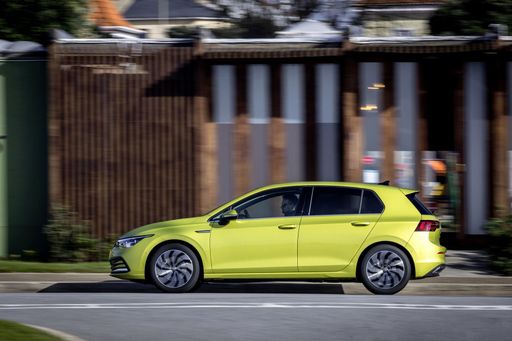
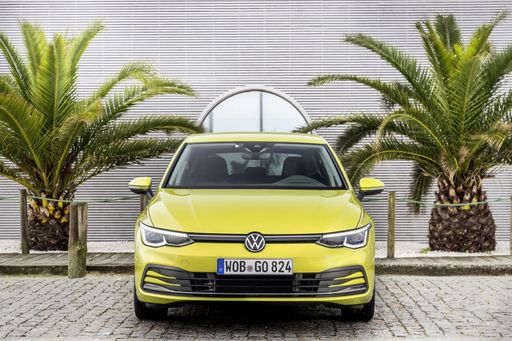
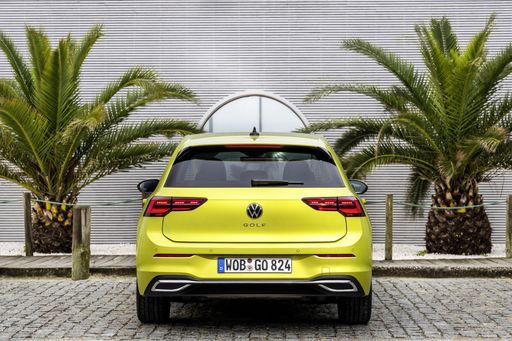
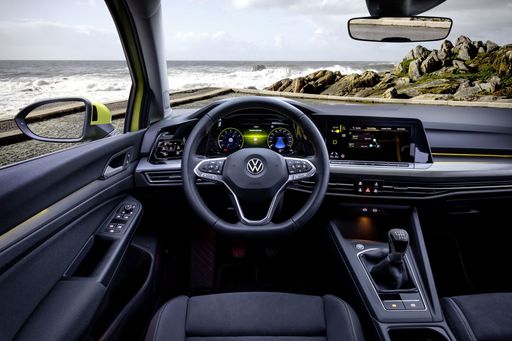
@ Volkswagen AG / VW Media
VS

CUPRA Born vs VW Golf - Differences and prices compared

Compare performance (326 HP vs 333 HP), boot space and price (34700 £ vs 25200 £) at a glance. Find out which car is the better choice for you – CUPRA Born or VW Golf?

CUPRA Born

VW Golf

Here’s where it gets real: The technical differences in detail

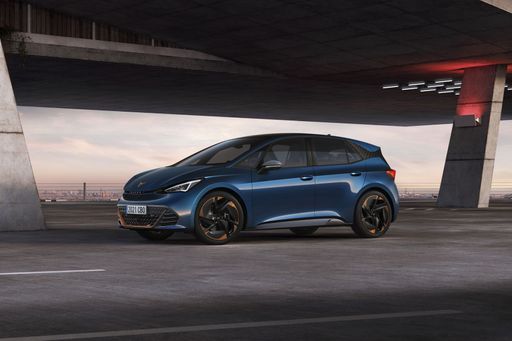
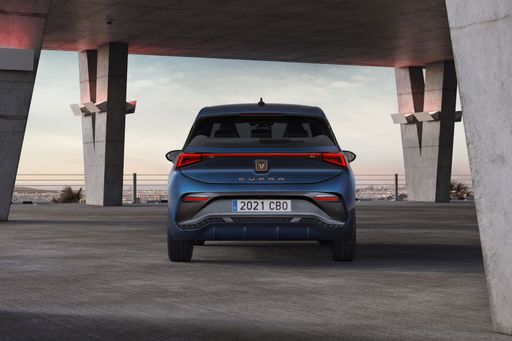
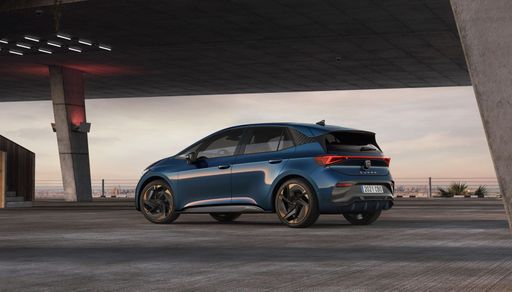
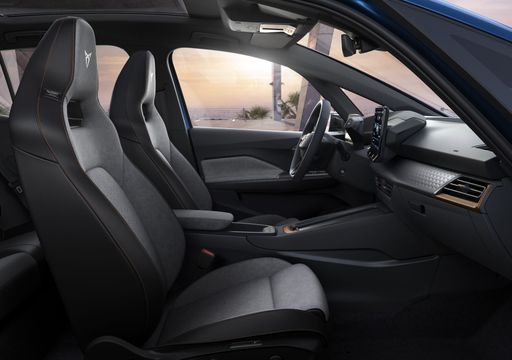
Born @ CUPRA / SEAT S.A.

Costs and Efficiency:

Price and efficiency are key factors when choosing a car – and this is often where the real differences emerge.

VW Golf has a evident advantage in terms of price – it starts at 25200 £, while the CUPRA Born costs 34700 £. That’s a price difference of around 9476 £.

As for range, the CUPRA Born performs convincingly better – achieving up to 594 km, about 451 km more than the VW Golf.

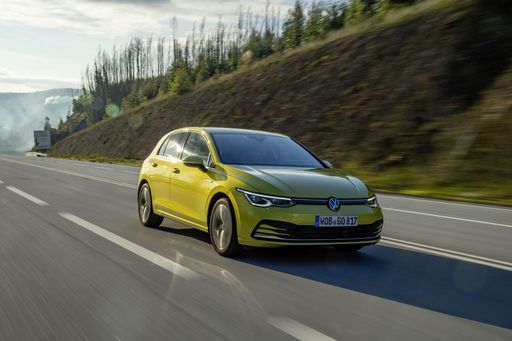
Golf @ Volkswagen AG / VW Media

Engine and Performance:

Power, torque and acceleration say a lot about how a car feels on the road. This is where you see which model delivers more driving dynamics.

When it comes to engine power, the VW Golf has a hardly perceptible edge – offering 333 HP compared to 326 HP. That’s roughly 7 HP more horsepower.

In acceleration from 0 to 100 km/h, the VW Golf is noticeable quicker – completing the sprint in 4.60 s, while the CUPRA Born takes 5.60 s. That’s about 1 s faster.

In terms of top speed, the VW Golf performs distinct better – reaching 270 km/h, while the CUPRA Born tops out at 200 km/h. The difference is around 70 km/h.

There’s also a difference in torque: CUPRA Born pulls noticeable stronger with 545 Nm compared to 420 Nm. That’s about 125 Nm difference.

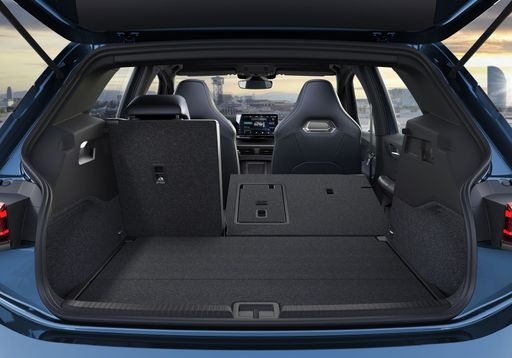
Born @ CUPRA / SEAT S.A.

Space and Everyday Use:

Beyond pure performance, interior space and usability matter most in daily life. This is where you see which car is more practical and versatile.

Seats: offers more seating capacity – vs .

In curb weight, VW Golf is distinct lighter – 1307 kg compared to 1828 kg. The difference is around 521 kg.

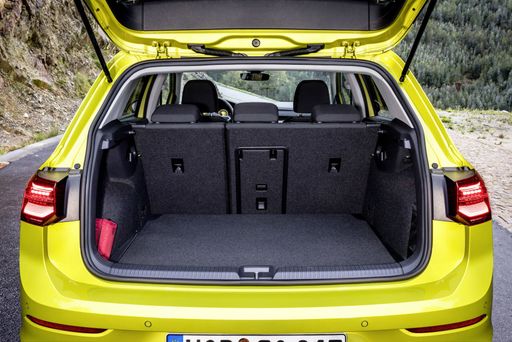
In terms of boot space, the CUPRA Born offers hardly perceptible more room – 385 L compared to 381 L. That’s a difference of about 4 L.

In maximum load capacity, the CUPRA Born performs minimal better – up to 1267 L, which is about 30 L more than the VW Golf.

When it comes to payload, VW Golf somewhat takes the win – 508 kg compared to 452 kg. That’s a difference of about 56 kg.

Who wins the race?

The CUPRA Born proves to be outperforms in nearly all aspects and therefore becomes our DriveDuel Champion!
CUPRA Born is the better all-rounder in this comparison.

from about £34,700
Born @ CUPRA / SEAT S.A.

CUPRA Born

  • Engine Type : Electric
  • Transmission : Automatic
  • Drive Type : Rear-Wheel Drive
  • Power HP : 204 - 326 HP
  • Consumption kWh/100km : 14.9 - 16 kWh
  • Electric Range : 427 - 594 km
CUPRA Born
VW Golf

Costs and Consumption

View detailed analysis

Engine and Performance

View detailed analysis

Dimensions and Body

View detailed analysis

CUPRA Born

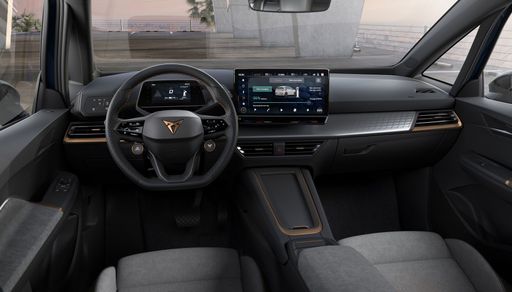
The CUPRA Born blends sharp, athletic styling with a playful electric character, delivering hatchback agility and hot-hatch attitude whether you're darting through the city or cruising the open road. Inside, the cabin punches above its weight with smart materials and practical space, making it a compelling pick for buyers who want electric motoring without surrendering the grin.

details

VW Golf

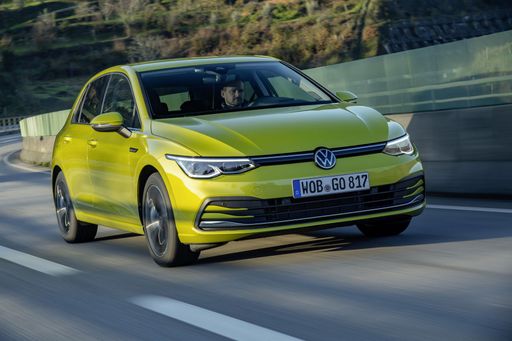
The VW Golf remains the everyman’s favourite — cleverly balanced, composed and just posh enough to feel grown-up without pretending to be something it’s not. It slips through town and eats up longer trips with a refined cabin, practical layout and a kindly, capable character that turns everyday driving into something a little bit special.

details
CUPRA Born
VW Golf
Born @ CUPRA / SEAT S.A.
Golf @ Volkswagen AG / VW Media

Costs and Consumption

Price
34700 - 45300 £
Price
25200 - 47600 £
Consumption L/100km
-
Consumption L/100km
1.1 - 8.1 L
Consumption kWh/100km
14.9 - 16 kWh
Consumption kWh/100km
-
Electric Range
427 - 594 km
Electric Range
131 - 143 km
Battery Capacity
60 - 79 kWh
Battery Capacity
19.70 kWh
co2
0 g/km
co2
25 - 184 g/km
Fuel tank capacity
-
Fuel tank capacity
40 - 55 L

Dimensions and Body

Body Type
Hatchback
Body Type
Hatchback
Seats
5
Seats
5
Doors
5
Doors
5
Curb weight
1828 - 1999 kg
Curb weight
1307 - 1662 kg
Trunk capacity
385 L
Trunk capacity
273 - 381 L
Length
4324 mm
Length
4282 - 4296 mm
Width
1809 mm
Width
1789 mm
Height
1540 mm
Height
1454 - 1483 mm
Max trunk capacity
1267 L
Max trunk capacity
1129 - 1237 L
Payload
431 - 452 kg
Payload
438 - 508 kg

Engine and Performance

Engine Type
Electric
Engine Type
Petrol MHEV, Petrol, Diesel, Plugin Hybrid
Transmission
Automatic
Transmission
Automatic, Manuel
Transmission Detail
Reduction Gearbox
Transmission Detail
Dual-Clutch Automatic, Manual Gearbox
Drive Type
Rear-Wheel Drive
Drive Type
Front-Wheel Drive, All-Wheel Drive
Power HP
204 - 326 HP
Power HP
116 - 333 HP
Acceleration 0-100km/h
5.6 - 7.7 s
Acceleration 0-100km/h
4.6 - 10.2 s
Max Speed
160 - 200 km/h
Max Speed
202 - 270 km/h
Torque
265 - 545 Nm
Torque
220 - 420 Nm
Number of Cylinders
-
Number of Cylinders
4
Power kW
150 - 240 kW
Power kW
85 - 245 kW
Engine capacity
-
Engine capacity
1498 - 1984 cm3

General

Model Year
2024 - 2025
Model Year
2024 - 2025
CO2 Efficiency Class
A
CO2 Efficiency Class
D, F, G, C, B
Brand
CUPRA
Brand
VW
What drivetrain options does the CUPRA Born have?

The CUPRA Born is available as Rear-Wheel Drive.

The prices and data displayed are estimates based on German list prices and may vary by country. This information is not legally binding.