VS

VW Golf vs VW ID.Polo comparison

Compare performance (325 HP vs 226 HP), boot space and price (28,300 £ vs 21,400 £ ) at a glance. Find out which car is the better choice for you – VW Golf or VW ID.Polo?

VW Golf vs VW ID.Polo: Key differences

VW Golf

4.6 (1 Reviews)
rate
  • clearly more power
  • noticeably quicker 0–100 km/h
  • slightly lighter
details

VW ID.Polo

  • visibly cheaper
  • clearly more electric range
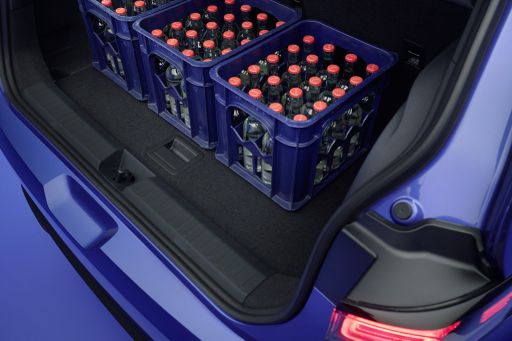
  • moderately more trunk space
details

By Achim Sedelmaier

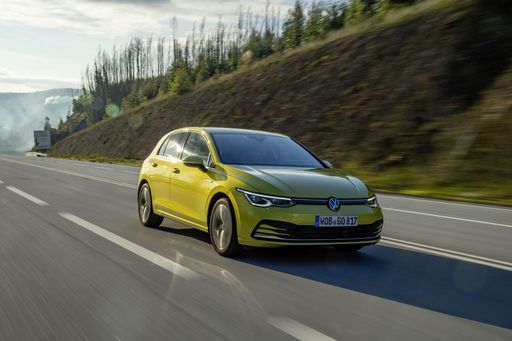
Golf

Quick comparison: VW Golf VS VW ID.Polo

VW Golf VS VW ID.Polo starts as a clash of philosophies within the same brand: the Golf continues the compact tradition around combustion and hybrid options, while the ID.Polo brings that Polo practicality into a fully electric, modern package. The Golf feels like a long-distance professional—calm, controlled and designed to sit quietly through motorway miles—whereas the ID.Polo is a practised city companion that surprises with trunk space and sensible EV behavior. Pricing and running-cost angles diverge too: the ID.Polo opens the door to lower entry cost and cheaper day-to-day energy, the Golf asks more up front for refinement and broader drivetrain choice. Read on for how those differences actually shape day-to-day life, not just spec sheets.
ID.Polo

Character and driving feel

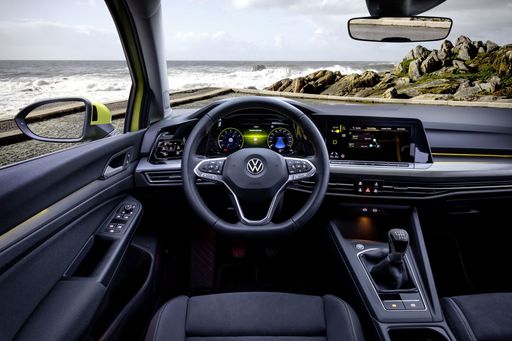
The VW Golf drives like a middle-aged athlete: composed, planted and willing to stretch its legs when you ask, offering more shove and a stronger sense of momentum at higher speeds. The VW ID.Polo, by contrast, is relaxed and linear—instant electric torque makes town work effortless, but the whole car rewards smooth inputs rather than aggressive cornering. On twisty backroads the Golf’s chassis options can feel more involving, while the ID.Polo trades bite for predictability and confidence-inspiring stability. That means enthusiasts will lean Golf for engagement, while drivers prioritizing serene, predictable responses will prefer the ID.Polo.

Golf

Comfort and long-distance temperament

On long trips the VW Golf’s real strength is composure: quieter cabin, mature damping and a seating position that stays comfortable after hours at speed, so fatigue is minimised. The VW ID.Polo is unusually comfortable for a small electric car and will feel comparably relaxed on medium-distance runs, but its electric nature brings planning considerations—charging rhythm and an electronic top speed limit change the long-trip calculus. The Golf’s broader engine choices give more flexibility for long-haul touring without recharge stops, whereas the ID.Polo rewards drivers who can charge regularly and value a tranquil, vibration-free cabin. In short: choose Golf for uninterrupted motorway miles, ID.Polo for calm, efficient journeys with occasional charging pauses.

ID.Polo

City friendliness and everyday usability

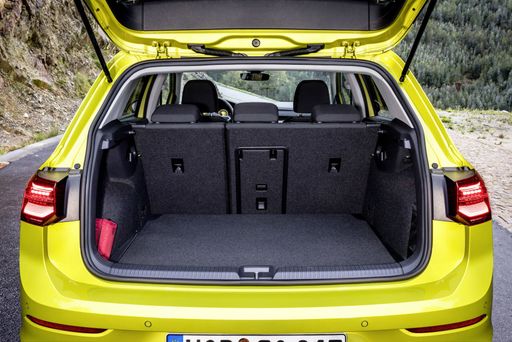
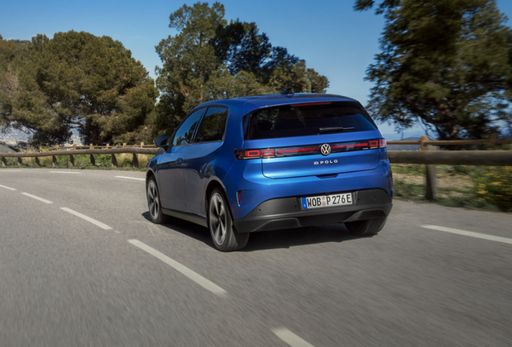
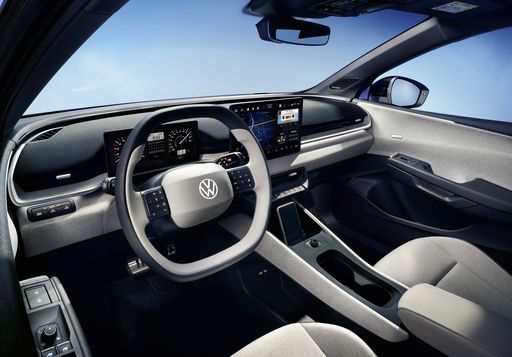
In town the VW ID.Polo sings: compact dimensions, strong one‑pedal control and an interior designed with physical climate and volume controls make quick trips and parking less fiddly. The VW Golf remains very city-capable too, helped by useful assist systems and a familiar driving position, but it feels heavier and more like a car that prefers longer stints. Practical details tip towards the ID.Polo for daily chores—the surprisingly deep boot and clever underfloor storage beat expectations for its class—while the Golf offers a more versatile loading area in many configurations, though some hybrid variants dent usable space. For purely urban duty the ID.Polo is the easier, less expensive daily companion; for mixed city and frequent long drives the Golf’s flexibility wins out.

Golf

Cabin feel and perceived quality

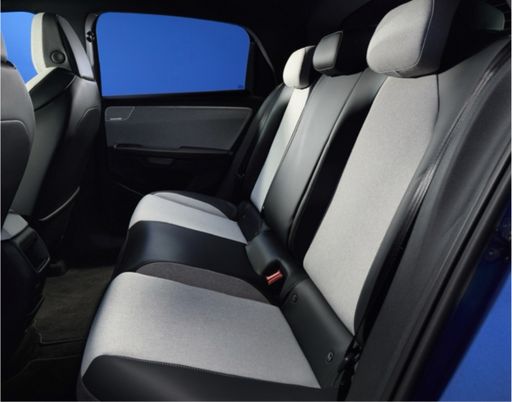
Inside, the VW ID.Polo leans into softer materials and a tidy, modern layout that reads as a step up from earlier small EVs; the tactile switches and straightforward ergonomics feel deliberately friendly. The VW Golf projects a different kind of refinement: faster menus, illuminated sliders and a more mature interface give it a slightly premium, long-haul ambience even if some rear materials remain pragmatic. Infotainment tastes will split buyers—those who want clear physical controls will prefer the ID.Polo’s haptics, while drivers who value a polished digital experience and more comprehensive driver aids will gravitate to the Golf. Both cabins feel more grown-up than their segments used to be, but the Golf aims for composed sophistication and the ID.Polo for approachable substance.

ID.Polo

Who each car actually fits best

If your life is full of motorway miles, towing or you want the widest range of engine choices and outright performance, the VW Golf is the one that will better shoulder that load. If your priorities are lower entry cost, maximum everyday practicality in tight spaces, a very large boot for its footprint and the simplicity of electric driving, the VW ID.Polo is the smarter, more economical pick. Families who need a flexible load area but still drive mostly around town will find the ID.Polo surprisingly apt; commuters who cover mixed routes and value low noise and driver aids will prefer the Golf. The following technical comparison will unpack how powertrain, range, boot packaging and curb weight create these real-world trade-offs so you can match the car to your routine without guesswork.

Here’s where it gets real: The technical differences in detail

Golf

Costs and Efficiency:

Price and efficiency are key factors when choosing a car – and this is often where the real differences emerge.

VW ID.Polo is visibly cheaper – starting at 21,400 £ , while the VW Golf costs 28,300 £ . That’s a price difference of around 6,857 £.

As for electric range, the VW ID.Polo offers clearly more range – reaching up to 454 km, about 311 km more than the VW Golf.

ID.Polo

Engine and Performance:

Power, torque and acceleration are the classic benchmarks for car enthusiasts – and here, some clear differences start to show.

When it comes to engine power, the VW Golf offers clearly more power – delivering 325 HP compared to 226 HP. That’s roughly 99 HP more horsepower.

When accelerating from 0 to 100 km/h, the VW Golf is noticeably quicker – completing the sprint in 5.3 s, while the VW ID.Polo takes 6.8 s. That’s about 1.5 s quicker.

There’s also a difference in torque: the VW Golf delivers clearly more torque with 420 Nm compared to 290 Nm. That’s about 130 Nm more.

Golf

Space and Everyday Use:

Whether family car or daily driver – which one offers more room, flexibility and comfort?

Both vehicles offer seating for 5 people.

In terms of curb weight, VW Golf is slightly lighter – 1,307 kg compared to 1,568 kg. The difference is around 261 kg.

Looking at boot space, the VW ID.Polo offers moderately more boot space – 441 L compared to 381 L. That’s a difference of about 60 L.

When it comes to payload, the VW Golf carries slightly more – 508 kg compared to 444 kg. That’s a difference of about 64 kg.

Who wins the race in the data check?

The VW ID.Polo is decisively ahead in the objective data comparison.
This result only shows which model scores more points on paper – not which of the two cars feels right for you.

from £21,400
ID.Polo

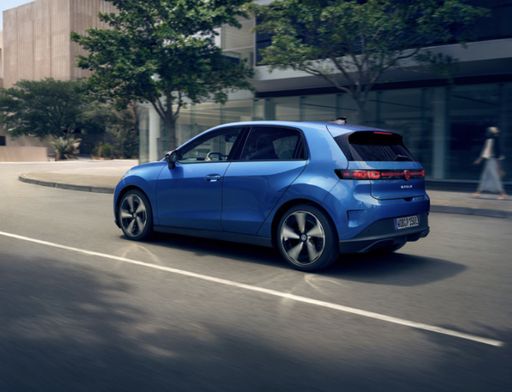
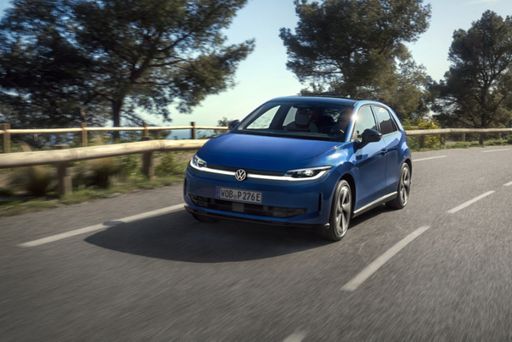
VW ID.Polo

  • Engine Type Electric
  • Transmission Automatic
  • Drive Type Front-Wheel Drive
  • Power HP 116 - 226 HP
  • Consumption kWh/100km 13.3 - 14.4 kWh/100km
  • Electric Range 424 - 454 km
VW Golf
VW ID.Polo

Costs and Consumption

View detailed analysis

Engine and Performance

View detailed analysis

Dimensions and Body

View detailed analysis

VW Golf

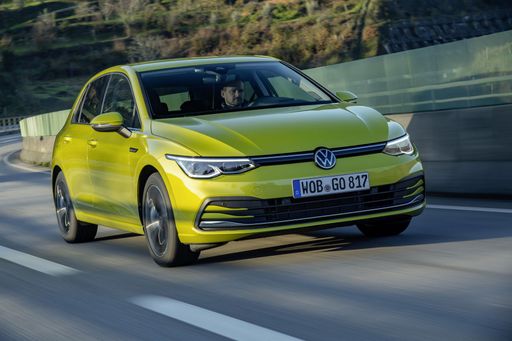
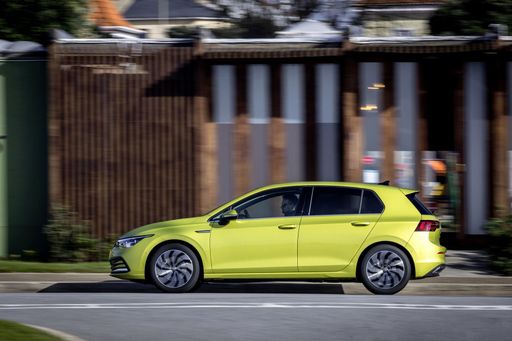
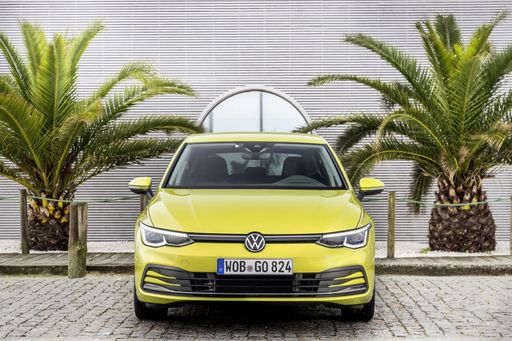
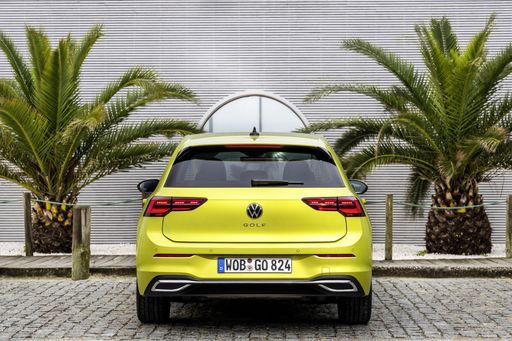
The Golf is a quietly accomplished compact that blends practicality, refinement and approachable driving manners into a very usable everyday package. It’s well built, comfortable and versatile, making it a smart choice whether you want sensible family transport or an enjoyable commuter.

details

VW ID.Polo

The VW ID.Polo brings classic Polo sensibility to the EV age with a calm, refined ride, an unusually large boot, and refreshingly simple controls with real buttons. It favors easygoing efficiency and family-friendly practicality over playful handling or high-speed autobahn pace, and the smaller-battery versions ask for a bit more planning on long trips.

details
VW Golf
VW ID.Polo

Costs and Consumption

Price
28,300 - 46,700 £
Price
21,400 - 36,000 £
Consumption L/100km
1.1 - 7.6 L/100km
Consumption L/100km
-
Consumption kWh/100km
-
Consumption kWh/100km
13.3 - 14.4 kWh/100km
Electric Range
131 - 143 km
Electric Range
424 - 454 km
Battery Capacity
-
Battery Capacity
-
co2
25 - 173 g/km
co2
0 g/km
Fuel tank capacity
-
Fuel tank capacity
-

Dimensions and Body

Body Type
Hatchback
Body Type
Hatchback
Seats
5
Seats
5
Doors
-
Doors
-
Curb weight
1,307 - 1,662 kg
Curb weight
1,568 - 1,635 kg
Trunk capacity
273 - 381 L
Trunk capacity
441 L
Length
-
Length
-
Width
1,789 mm
Width
1,816 mm
Height
-
Height
-
Max trunk capacity
-
Max trunk capacity
-
Payload
438 - 508 kg
Payload
444 kg

Engine and Performance

Engine Type
Petrol, Petrol MHEV, Diesel, Plugin Hybrid
Engine Type
Electric
Transmission
Manuel, Automatic
Transmission
Automatic
Transmission Detail
Manual Gearbox, Dual-Clutch Automatic
Transmission Detail
Reduction Gearbox
Drive Type
Front-Wheel Drive, All-Wheel Drive
Drive Type
Front-Wheel Drive
Power HP
116 - 325 HP
Power HP
116 - 226 HP
Acceleration 0-100km/h
5.3 - 10.2 s
Acceleration 0-100km/h
6.8 - 7.1 s
Max Speed
-
Max Speed
-
Torque
220 - 420 Nm
Torque
290 Nm
Number of Cylinders
4
Number of Cylinders
-
Power kW
85 - 239 kW
Power kW
85 - 166 kW
Engine capacity
1,498 - 1,984 cm3
Engine capacity
-

General

Model Year
2025
Model Year
2026
CO2 Efficiency Class
D, C, F, B
CO2 Efficiency Class
A
Brand
VW
Brand
VW
DriveDuel uses data analysis and artificial intelligence to evaluate vehicle data and create content. Content is regularly reviewed and improved. The displayed prices are estimates based on German list prices, adjusted to the respective country’s VAT. Country-specific registration taxes are not included. This information is not legally binding.