VS

Tesla Model 3 vs VW ID.Polo comparison

Compare performance (460 HP vs 226 HP), boot space and price (31,700 £ vs 21,400 £ ) at a glance. Find out which car is the better choice for you – Tesla Model 3 or VW ID.Polo?

Tesla Model 3 vs VW ID.Polo: Key differences

Tesla Model 3

4.3 (7 Reviews)
rate
  • substantially more power
  • very slightly more efficient
  • visibly more electric range
  • significantly quicker 0–100 km/h
  • visibly more trunk space
details

VW ID.Polo

4.6 (1 Reviews)
rate
  • significantly cheaper
  • somewhat lighter
details

All details on performance, efficiency, range and trunk space can be found in the technical comparison below – including user reviews for both models.

By Achim Sedelmaier

Model 3

Head-to-head: Tesla Model 3 and VW ID.Polo

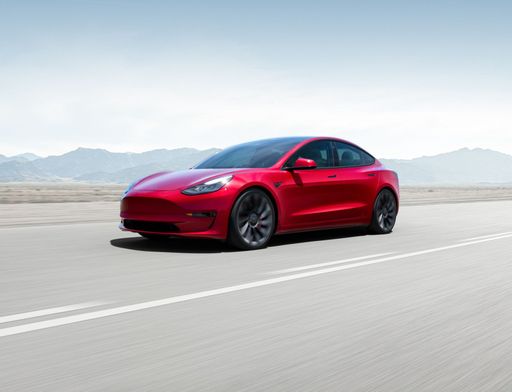
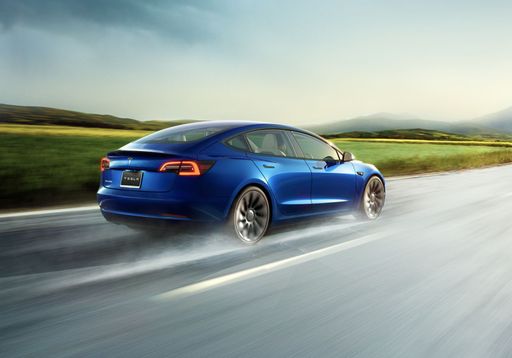
Tesla Model 3 and VW ID.Polo arrive from different angles but target the same goal: making electric motoring genuinely usable every day. In a Tesla Model 3 VS VW ID.Polo matchup the contrast is obvious — one leans into range, charging convenience and brisk performance while the other doubles down on interior practicality, tactile controls and value. That divergence defines how each car behaves on motorways, in tight city streets and when you load luggage for a weekend. Read on to see how driving character, long‑distance behavior, practicality and cabin feel translate into real choices for buyers. This preview sets the scene before you dive into the technical details and numbers.
ID.Polo

Driving character and engagement

Driving the Tesla Model 3 feels sharp and immediate, with strong torque delivery and a communicative chassis that rewards decisive inputs, whereas the VW ID.Polo is tuned for calm predictability and everyday composure. Model 3’s one‑pedal regen and direct steering make it feel sportier and more involving on twisty B‑roads, while the ID.Polo soaks up imperfections and keeps the experience undemanding. That means the Model 3 suits drivers who enjoy a dynamic, crisp EV experience; the ID.Polo suits those who prefer steady, confidence‑inspiring behavior without drama. Each car therefore appeals to different temperaments: engagement versus reassurance, and that choice is evident from the first mile.

Model 3

Comfort and long‑distance behavior

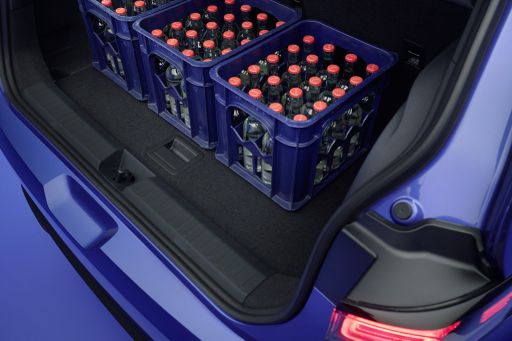
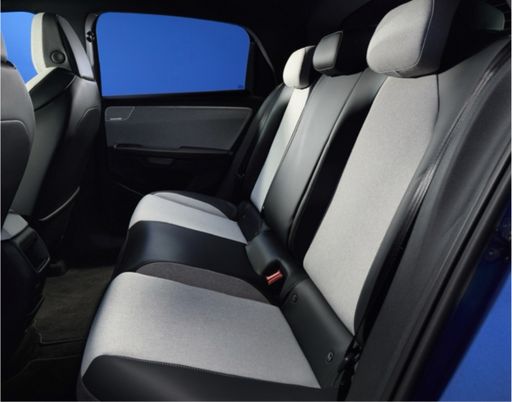
On long trips the differences become practical: the Tesla Model 3 reduces charging stops and overall trip time thanks to long range and rapid charging integration, while the VW ID.Polo rewards occupants with an unexpectedly comfortable ride and user‑friendly luggage arrangements. Model 3 can feel quieter and more efficient at sustained speeds, but its low rear packaging and narrower hatch opening make bulk luggage less convenient. The ID.Polo’s hatch, deep underfloor storage and cushioned seats make loading and long hours on secondary roads far less taxing. So if you prioritise fewer stops and charging simplicity, the Model 3 has the edge; if you prioritise usable space and seat comfort for mixed routes, the ID.Polo often proves the smarter long‑haul companion.

ID.Polo

City friendliness and everyday practicality

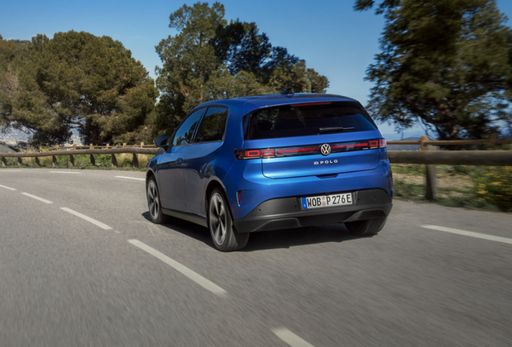
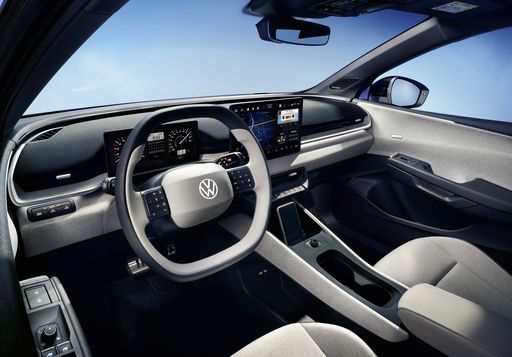
In urban daily life the VW ID.Polo’s compact dimensions, upright seating and very large boot give it a distinct advantage over the Tesla Model 3 for errands and families. The ID.Polo returns conveniences that matter day‑to‑day: real buttons for climate and audio, easier rear access and a luggage bay that swallows strollers or supermarket runs without fuss. The Model 3 remains efficient in town and fun to hustle through traffic, but its low ride height and touch‑centric interface can be less convenient for frequent short trips or quick adjustments while driving. If you live in tight streets and value straightforward usability, the ID.Polo is the more pragmatic tool; if you can charge at home and value running costs and brisk city performance, the Model 3 still makes strong sense.

Model 3

Cabin feel, tech and perceived quality

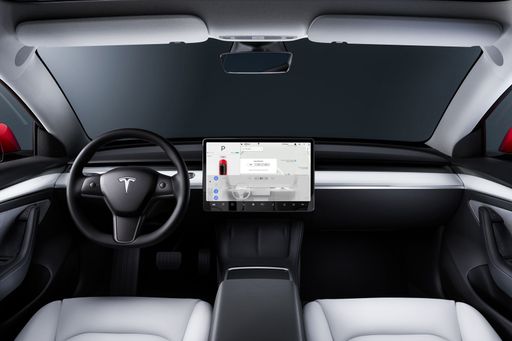
The cabin of the Tesla Model 3 is a minimalist, software‑first space with a snappy centre screen and regular over‑the‑air refinements, while the VW ID.Polo emphasises tactile controls, clearer ergonomics and a more conventionally reassuring material feel. Model 3’s interface is fast and integrates charging and navigation tightly, but many users miss smartphone mirroring and real knobs; the ID.Polo gives instant familiarity with physical switches and a cockpit that’s easier to live with day after day. Perceived quality has improved in both cars, yet the ID.Polo trades the Model 3’s stark modernism for warmer trim and immediate usability. That difference will influence buyers who either prize tech polish or prefer straightforward, confidence‑inspiring surfaces.

ID.Polo

Buyer fit and next steps

Map your priorities and the choice becomes clearer: the Tesla Model 3 fits long‑distance commuters, tech‑minded drivers and those who want fewer charging stops and stronger on‑road punch, whereas the VW ID.Polo suits pragmatic families, city dwellers and buyers who value cargo versatility and intuitive controls for daily life. The trade‑offs are explicit — performance and charging convenience versus tactile usability and better small‑car practicality — so your decision will hinge on how much you value range and software versus space and simplicity. Below we translate these real‑world differences into the technical comparison so you can weigh range, charging speed, boot volume and performance figures against your needs. Use that data to match the car’s strengths to your typical trips rather than hunting for a single “winner.”

Here’s where it gets real: The technical differences in detail

Model 3

Costs and Efficiency:

Price and efficiency are often the first things buyers look at. Here it becomes clear which model has the long-term edge – whether at the pump, the plug, or in purchase price.

VW ID.Polo is significantly cheaper – starting at 21,400 £ , while the Tesla Model 3 costs 31,700 £ . That’s a price difference of around 10,281 £.

In terms of energy consumption, the Tesla Model 3 is very slightly more efficient: consuming 13 kWh/100km compared to 13.3 kWh/100km for the VW ID.Polo. That’s a difference of about 0.3 kWh/100km.

As for electric range, the Tesla Model 3 offers visibly more range – reaching up to 750 km, about 296 km more than the VW ID.Polo.

ID.Polo

Engine and Performance:

Under the bonnet, it becomes clear which model is tuned for sportiness and which one takes the lead when you hit the accelerator.

When it comes to engine power, the Tesla Model 3 offers substantially more power – delivering 460 HP compared to 226 HP. That’s roughly 234 HP more horsepower.

When accelerating from 0 to 100 km/h, the Tesla Model 3 is significantly quicker – completing the sprint in 3.1 s, while the VW ID.Polo takes 6.8 s. That’s about 3.7 s quicker.

There’s also a difference in torque: the Tesla Model 3 delivers substantially more torque with 660 Nm compared to 290 Nm. That’s about 370 Nm more.

Model 3

Space and Everyday Use:

Cabin size, boot volume and payload all play a role in everyday practicality. Here, comfort and flexibility make the difference.

Both vehicles offer seating for 5 people.

In terms of curb weight, VW ID.Polo is somewhat lighter – 1,568 kg compared to 1,822 kg. The difference is around 254 kg.

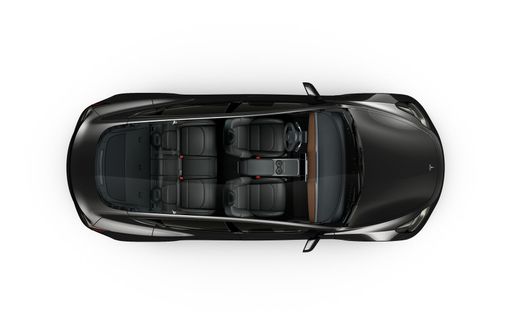
Looking at boot space, the Tesla Model 3 offers visibly more boot space – 594 L compared to 441 L. That’s a difference of about 153 L.

When it comes to payload, the VW ID.Polo carries clearly more – 444 kg compared to 333 kg. That’s a difference of about 111 kg.

Who wins the race in the data check?

The Tesla Model 3 is decisively ahead in the objective data comparison.
This result only shows which model scores more points on paper – not which of the two cars feels right for you.

from £31,700
Model 3

Tesla Model 3

  • Engine Type Electric
  • Transmission Automatic
  • Drive Type All-Wheel Drive, Rear-Wheel Drive
  • Power HP 283 - 460 HP
  • Consumption kWh/100km 13 - 16.5 kWh/100km
  • Electric Range 534 - 750 km
Tesla Model 3
VW ID.Polo

Costs and Consumption

View detailed analysis

Engine and Performance

View detailed analysis

Dimensions and Body

View detailed analysis

Tesla Model 3

The Tesla Model 3 is a compact electric sedan that pairs brisk, responsive driving with a sleek, minimalist cabin and intuitive, software-led features. It makes a practical, modern choice for daily commutes and long-term ownership while emphasizing simplicity and advanced driver assistance.

details

VW ID.Polo

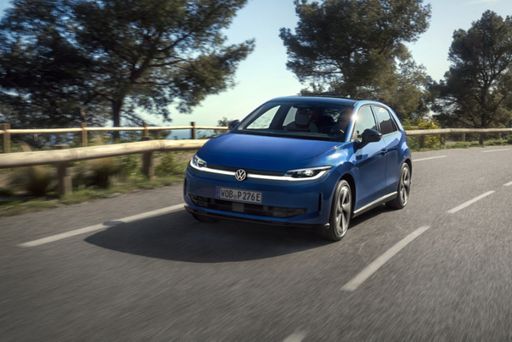
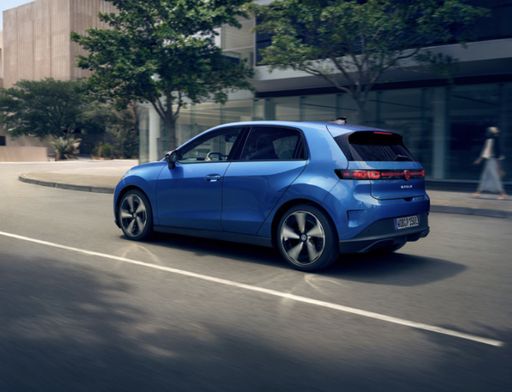
The VW ID.Polo brings classic Polo sensibility to the EV age with a calm, refined ride, an unusually large boot, and refreshingly simple controls with real buttons. It favors easygoing efficiency and family-friendly practicality over playful handling or high-speed autobahn pace, and the smaller-battery versions ask for a bit more planning on long trips.

details
Tesla Model 3
VW ID.Polo

Costs and Consumption

Price
31,700 - 50,100 £
Price
21,400 - 36,000 £
Consumption L/100km
-
Consumption L/100km
-
Consumption kWh/100km
13 - 16.5 kWh/100km
Consumption kWh/100km
13.3 - 14.4 kWh/100km
Electric Range
534 - 750 km
Electric Range
424 - 454 km
Battery Capacity
-
Battery Capacity
-
co2
0 g/km
co2
0 g/km
Fuel tank capacity
-
Fuel tank capacity
-

Dimensions and Body

Body Type
Sedan
Body Type
Hatchback
Seats
5
Seats
5
Doors
-
Doors
-
Curb weight
1,822 - 1,929 kg
Curb weight
1,568 - 1,635 kg
Trunk capacity
594 L
Trunk capacity
441 L
Length
-
Length
-
Width
1,850 mm
Width
1,816 mm
Height
-
Height
-
Max trunk capacity
-
Max trunk capacity
-
Payload
302 - 333 kg
Payload
444 kg

Engine and Performance

Engine Type
Electric
Engine Type
Electric
Transmission
Automatic
Transmission
Automatic
Transmission Detail
Reduction Gearbox
Transmission Detail
Reduction Gearbox
Drive Type
All-Wheel Drive, Rear-Wheel Drive
Drive Type
Front-Wheel Drive
Power HP
283 - 460 HP
Power HP
116 - 226 HP
Acceleration 0-100km/h
3.1 - 6.2 s
Acceleration 0-100km/h
6.8 - 7.1 s
Max Speed
-
Max Speed
-
Torque
420 - 660 Nm
Torque
290 Nm
Number of Cylinders
-
Number of Cylinders
-
Power kW
208 - 338 kW
Power kW
85 - 166 kW
Engine capacity
-
Engine capacity
-

General

Model Year
2025
Model Year
2026
CO2 Efficiency Class
A
CO2 Efficiency Class
A
Brand
Tesla
Brand
VW
DriveDuel uses data analysis and artificial intelligence to evaluate vehicle data and create content. Content is regularly reviewed and improved. The displayed prices are estimates based on German list prices, adjusted to the respective country’s VAT. Country-specific registration taxes are not included. This information is not legally binding.