VS

VW ID.Polo vs Skoda Epiq comparison

Compare performance (226 HP vs 211 HP), boot space and price (21,400 £ vs 22,200 £ ) at a glance. Find out which car is the better choice for you – VW ID.Polo or Skoda Epiq?

VW ID.Polo vs Skoda Epiq: Key differences

VW ID.Polo

4.6 (1 Reviews)
rate
  • barely cheaper
  • only slightly more power
  • barely more efficient
  • only slightly more electric range
  • very slightly quicker 0–100 km/h
  • very slightly lighter
details

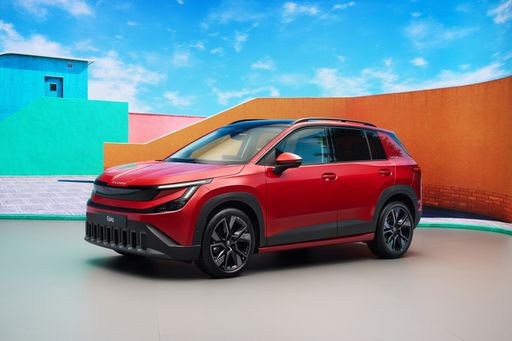
Skoda Epiq

  • barely more trunk space
details

All details on performance, efficiency, range and trunk space can be found in the technical comparison below – including user reviews for both models.

By Achim Sedelmaier

ID.Polo

Quick read: VW ID.Polo VS Skoda Epiq — what to expect

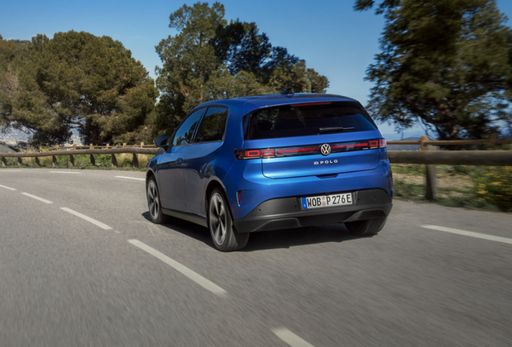
VW ID.Polo VS Skoda Epiq set up a useful real‑world contrast: both are compact electric cars that prioritise everyday comfort and roomy boots, but they take different routes to get there. The VW ID.Polo leans into a hushed, mature hatchback character with familiar, tactile controls and a focus on refined driving manners. The Skoda Epiq presents itself as a clever small crossover with the largest usable boot in this pairing and a softer, more cushioned ride. This piece explains how those differences feel in daily life — driving, loading, city chores and family weekends — and who will appreciate each car most.
Epiq

Driving character and how they behave on the road

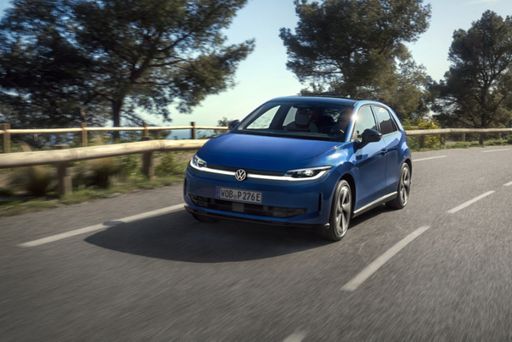
The VW ID.Polo feels composed and slightly more eager off the line; it aims for calm authority rather than drama, so you notice smooth responses and tidy weight transfer when you push it. The Skoda Epiq is tuned for comfort and steady progress, trading sparkle for a relaxed, float‑over‑bumps demeanor that many buyers will find effortless. Steering in the ID.Polo is a touch firmer and more communicative, so drivers who enjoy a bit of immediacy will prefer it, while the Epiq’s softer, quieter setup soothes long stretches and rough tarmac. In practice that means the Polo feels like a confident compact hatchback on winding backroads, the Epiq like a forgiving small SUV on everyday routes.

ID.Polo

Cabin feel, ergonomics and perceived quality

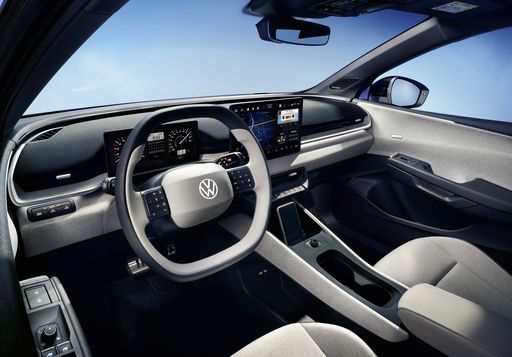
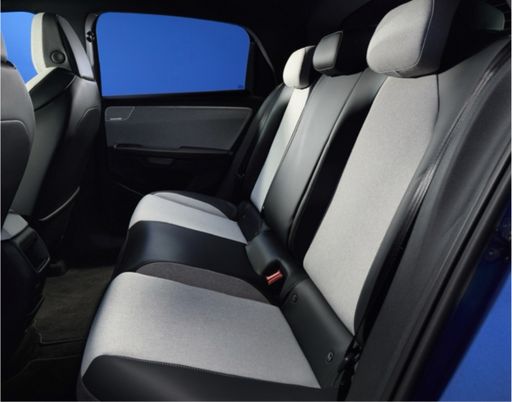
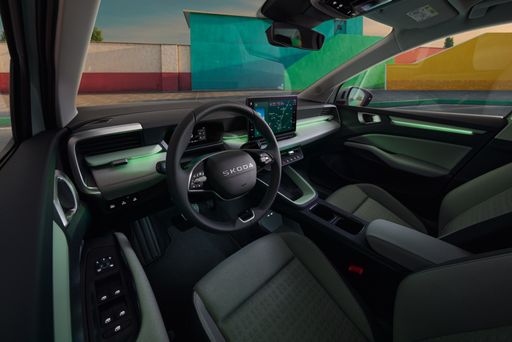
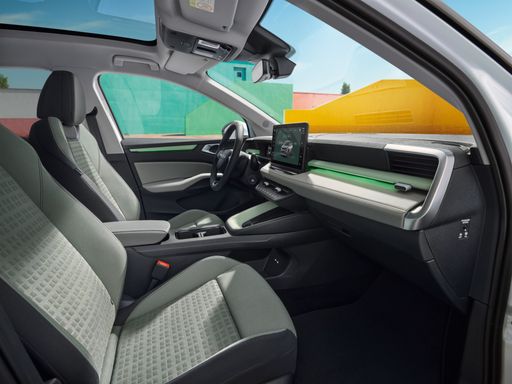
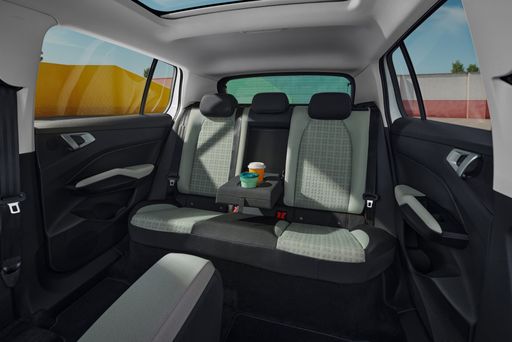
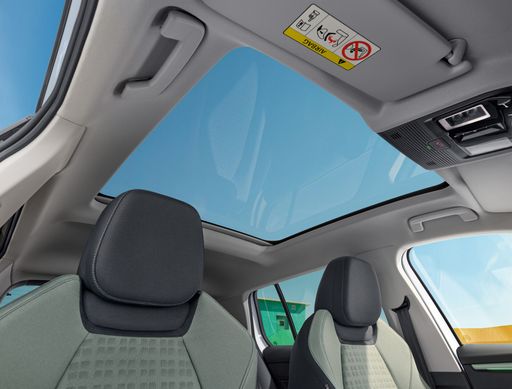
The VW ID.Polo aims to reassure with traditional controls: plenty of actual buttons, a clear instrument cluster and surfaces that read slightly upmarket for the class, so interactions are quick and familiar. The Skoda Epiq gives you a roomier sense up front and a pragmatic layout with useful little details, but some rear and trim areas feel simpler by comparison. Both cabins are quiet and comfortable, yet the ID.Polo’s presentation leans more toward a premium compact hatch vibe while the Epiq trades a touch of polish for clever, user‑friendly touches. For buyers who value direct control and a slightly richer material feel, the ID.Polo will resonate; those prioritising space, reachability and practical storage will like the Epiq more.

Epiq

Practicality and luggage usability in real life

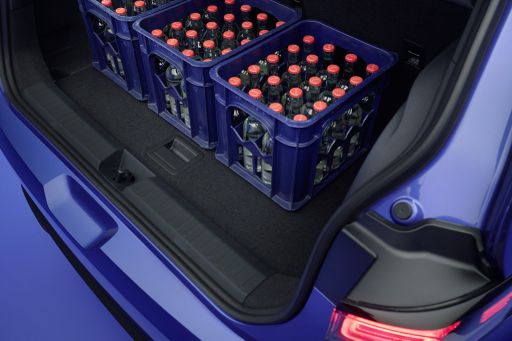
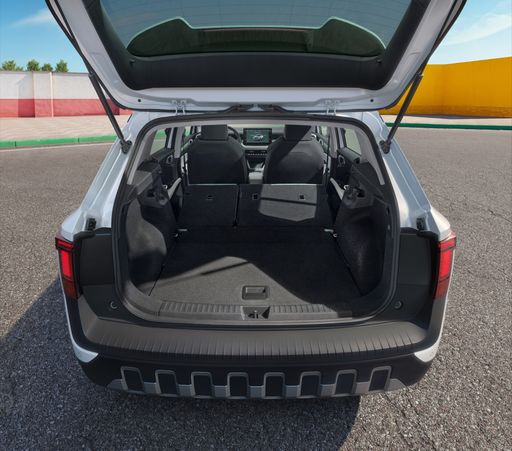
Both cars punch well above their size when it comes to cargo, but the Skoda Epiq is the more utilitarian choice: its floor layout, larger maximum volume and small extras like a cable bag and optional front storage make weekend packing and family errands simplest. The VW ID.Polo surprises for a hatchback with a deep underfloor compartment and an impressively practical boot for its segment, though it doesn’t offer a front luggage area. That means the Epiq is slightly easier to live with if you regularly haul bulky items, while the ID.Polo rewards owners who prefer hatchback agility and smart internal stowage. Practical differences show up in day‑to‑day use: folding seats, load lip and accessory slots feel more purpose‑built in the Epiq; the Polo wins on tidy organisation and conventional hatchback usability.

ID.Polo

City friendliness versus long‑distance comfort

In town the VW ID.Polo’s compact footprint, clear sightlines and easy one‑pedal driving make it a relaxed urban companion that’s simple to park and operate without digital gymnastics. The Skoda Epiq, with a higher seating position and cushioned ride, feels reassuring in traffic and makes longer inner‑city trips less tiring for passengers. On longer trips the ID.Polo’s more efficient nature and available larger battery choices give it an edge in fewer charging interruptions and steadier highway pace, whereas the Epiq’s base charging and focus on comfort mean you accept more charging planning in exchange for a gentler ride. So commuters with occasional long runs may prefer the ID.Polo’s forthright efficiency, while families doing daily mixed‑use miles might pick the Epiq for its everyday comfort and space.

Epiq

Who should buy which car: matching needs to strengths

If you want a compact EV that feels like a grown‑up hatchback — quiet, direct in control, with a surprisingly practical boot and traditional haptic controls — the VW ID.Polo aligns neatly with that brief. If your priority is maximum usable space, a softly sprung ride for passengers and the simplest day‑to‑day loading for kids and gear, the Skoda Epiq is the more convincing package. Both cars are sensible, comfortable and value‑focused, but the decision becomes practical: pick the ID.Polo for a refined hatchback experience with a touch more punch and familiar ergonomics; choose the Epiq for crossover practicality and family‑oriented versatility. The technical comparison that follows will make those trade‑offs measurable so you can match numbers to the real‑world impressions above.

Here’s where it gets real: The technical differences in detail

ID.Polo

Costs and Efficiency:

Price and efficiency are often the first things buyers look at. Here it becomes clear which model has the long-term edge – whether at the pump, the plug, or in purchase price.

VW ID.Polo is barely cheaper – starting at 21,400 £ , while the Skoda Epiq costs 22,200 £ . That’s a price difference of around 776 £.

In terms of energy consumption, the VW ID.Polo is barely more efficient: consuming 13.3 kWh/100km compared to 13.7 kWh/100km for the Skoda Epiq. That’s a difference of about 0.4 kWh/100km.

As for electric range, the VW ID.Polo offers only slightly more range – reaching up to 454 km, about 14 km more than the Skoda Epiq.

Epiq

Engine and Performance:

Power, torque and acceleration say a lot about how a car feels on the road. This is where you see which model delivers more driving dynamics.

When it comes to engine power, the VW ID.Polo offers only slightly more power – delivering 226 HP compared to 211 HP. That’s roughly 15 HP more horsepower.

When accelerating from 0 to 100 km/h, the VW ID.Polo is very slightly quicker – completing the sprint in 6.8 s, while the Skoda Epiq takes 7.1 s. That’s about 0.3 s quicker.

Both models offer the same torque – 290 Nm.

ID.Polo

Space and Everyday Use:

Whether family car or daily driver – which one offers more room, flexibility and comfort?

Both vehicles offer seating for 5 people.

In terms of curb weight, VW ID.Polo is very slightly lighter – 1,568 kg compared to 1,625 kg. The difference is around 57 kg.

Looking at boot space, the Skoda Epiq offers barely more boot space – 475 L compared to 441 L. That’s a difference of about 34 L.

When it comes to payload, the Skoda Epiq carries very slightly more – 455 kg compared to 444 kg. That’s a difference of about 11 kg.

Who wins the race in the data check?

The VW ID.Polo holds a narrow overall lead in the objective data comparison.
This result only shows which model scores more points on paper – not which of the two cars feels right for you.

from £21,400
ID.Polo

VW ID.Polo

  • Engine Type Electric
  • Transmission Automatic
  • Drive Type Front-Wheel Drive
  • Power HP 116 - 226 HP
  • Consumption kWh/100km 13.3 - 14.4 kWh/100km
  • Electric Range 424 - 454 km
VW ID.Polo
Skoda Epiq

Costs and Consumption

View detailed analysis

Engine and Performance

View detailed analysis

Dimensions and Body

View detailed analysis

VW ID.Polo

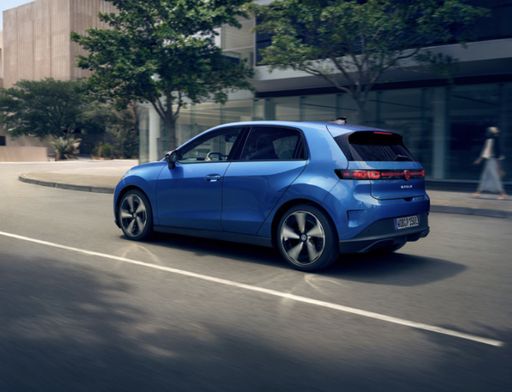
The VW ID.Polo brings classic Polo sensibility to the EV age with a calm, refined ride, an unusually large boot, and refreshingly simple controls with real buttons. It favors easygoing efficiency and family-friendly practicality over playful handling or high-speed autobahn pace, and the smaller-battery versions ask for a bit more planning on long trips.

details

Skoda Epiq

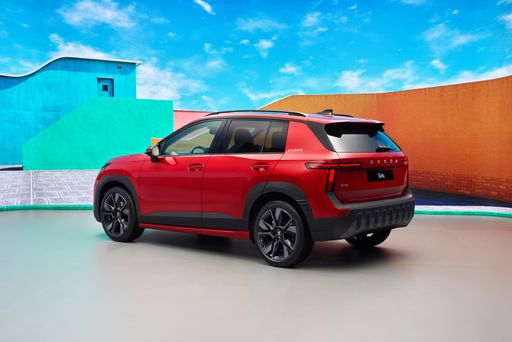
The Skoda Epiq is a sensible, well-packaged compact SUV that delivers a roomy cabin, practical storage and an easygoing driving character suited to everyday life. It prioritizes comfort and value with smart, user-friendly features rather than flashy performance.

details
VW ID.Polo
Skoda Epiq

Costs and Consumption

Price
21,400 - 36,000 £
Price
22,200 - 30,500 £
Consumption L/100km
-
Consumption L/100km
-
Consumption kWh/100km
13.3 - 14.4 kWh/100km
Consumption kWh/100km
13.7 - 13.9 kWh/100km
Electric Range
424 - 454 km
Electric Range
310 - 440 km
Battery Capacity
-
Battery Capacity
-
co2
0 g/km
co2
0 g/km
Fuel tank capacity
-
Fuel tank capacity
-

Dimensions and Body

Body Type
Hatchback
Body Type
SUV
Seats
5
Seats
5
Doors
-
Doors
-
Curb weight
1,568 - 1,635 kg
Curb weight
1,625 - 1,642 kg
Trunk capacity
441 L
Trunk capacity
475 L
Length
-
Length
-
Width
1,816 mm
Width
1,798 mm
Height
-
Height
-
Max trunk capacity
-
Max trunk capacity
-
Payload
444 kg
Payload
438 - 455 kg

Engine and Performance

Engine Type
Electric
Engine Type
Electric
Transmission
Automatic
Transmission
Automatic
Transmission Detail
Reduction Gearbox
Transmission Detail
Reduction Gearbox
Drive Type
Front-Wheel Drive
Drive Type
Front-Wheel Drive
Power HP
116 - 226 HP
Power HP
116 - 211 HP
Acceleration 0-100km/h
6.8 - 7.1 s
Acceleration 0-100km/h
7.1 s
Max Speed
-
Max Speed
-
Torque
290 Nm
Torque
267 - 290 Nm
Number of Cylinders
-
Number of Cylinders
-
Power kW
85 - 166 kW
Power kW
85 - 155 kW
Engine capacity
-
Engine capacity
-

General

Model Year
2026
Model Year
2026
CO2 Efficiency Class
A
CO2 Efficiency Class
A
Brand
VW
Brand
Skoda
DriveDuel uses data analysis and artificial intelligence to evaluate vehicle data and create content. Content is regularly reviewed and improved. The displayed prices are estimates based on German list prices, adjusted to the respective country’s VAT. Country-specific registration taxes are not included. This information is not legally binding.