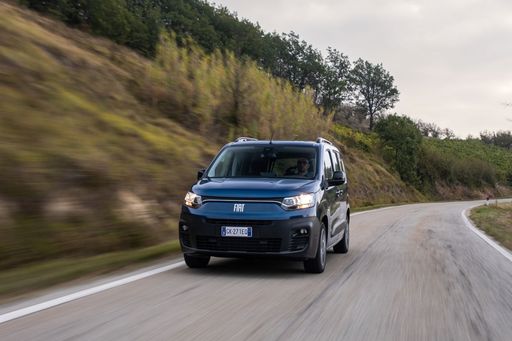
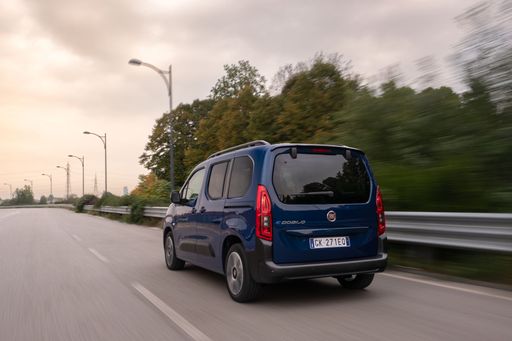
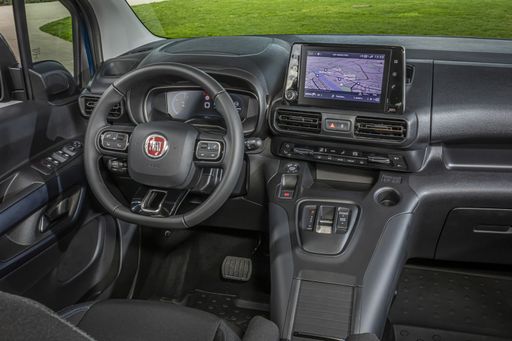
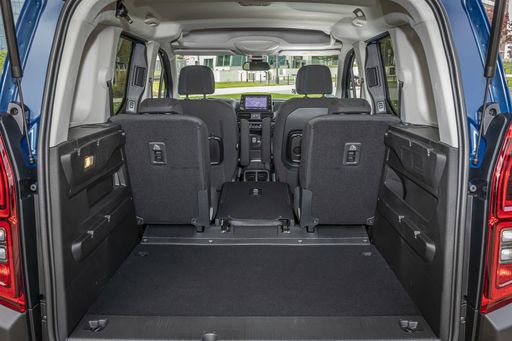
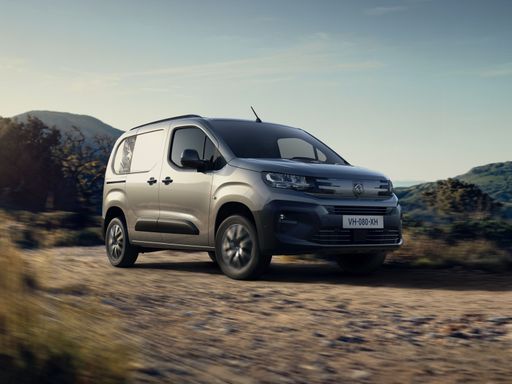
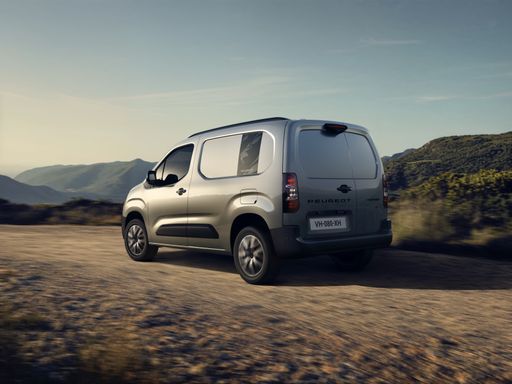
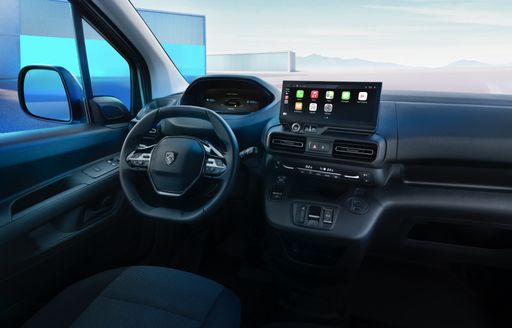
Compare performance (136 HP vs 136 HP), boot space and price (21300 £ vs 22400 £ ) at a glance. Find out which car is the better choice for you – Fiat Doblò Van or Peugeot Partner?
Price and efficiency are key factors when choosing a car – and this is often where the real differences emerge.
Fiat Doblò Van has a minimal advantage in terms of price – it starts at 21300 £ , while the Peugeot Partner costs 22400 £ . That’s a price difference of around 1071 £.
Both cars consume an average of 5.20 L per 100 km – no difference here.
When it comes to electricity consumption, both models perform equally – each averaging 17.40 kWh per 100 km.
The electric range is almost identical – both manage about 354 km on a single charge.
Power, torque and acceleration are the classic benchmarks for car enthusiasts – and here, some clear differences start to show.
Both models deliver identical power – 136 HP each.
Both models offer the same torque – 300 Nm.
Whether family car or daily driver – which one offers more room, flexibility and comfort?
Both vehicles offer seating for 5 people.
Both models weigh roughly the same – around 1329 kg.
Maximum payload is identical – both can carry up to 991 kg.
The Fiat Doblò Van is barely ahead in the objective data comparison.
This result only shows which model scores more points on paper – not which of the two cars feels right for you.
The Fiat Doblò is a no-nonsense workhorse that blends surprising cabin comfort with sensible practicality, turning long days on the road into something tolerable rather than torturous. Clever packaging and steady, uncomplicated manners make it a smart pick for small businesses and weekend warriors who want function without fuss.
detailsThe Peugeot Partner is a no-nonsense workhorse that doubles as a surprisingly comfy family mover, combining clever storage solutions with an easy-to-live-in cabin. It won’t win any beauty contests, but for small businesses and active families it’s practical, economical and utterly reliable when the day gets busy.
detailsCosts and Consumption |
|
|---|---|
|
Price
21300 - 33800 £
|
Price
22400 - 33800 £
|
|
Consumption L/100km
5.2 - 6.3 L
|
Consumption L/100km
5.2 - 6.3 L
|
|
Consumption kWh/100km
17.40 kWh
|
Consumption kWh/100km
17.40 kWh
|
|
Electric Range
354 km
|
Electric Range
354 km
|
|
Battery Capacity
-
|
Battery Capacity
-
|
|
co2
0 - 143 g/km
|
co2
0 - 143 g/km
|
|
Fuel tank capacity
-
|
Fuel tank capacity
53 - 61 L
|
Dimensions and Body |
|
|---|---|
|
Body Type
Cargo Van
|
Body Type
Cargo Van
|
|
Seats
2 - 5
|
Seats
2 - 5
|
|
Doors
-
|
Doors
4 - 5
|
|
Curb weight
1329 - 1813 kg
|
Curb weight
1329 - 1813 kg
|
|
Trunk capacity
-
|
Trunk capacity
1800 L
|
|
Length
-
|
Length
4403 - 4753 mm
|
|
Width
1848 mm
|
Width
1848 mm
|
|
Height
-
|
Height
1796 - 1812 mm
|
|
Max trunk capacity
-
|
Max trunk capacity
3300 - 4000 L
|
|
Payload
611 - 991 kg
|
Payload
611 - 991 kg
|
Engine and Performance |
|
|---|---|
|
Engine Type
Petrol, Diesel, Electric
|
Engine Type
Electric, Diesel, Petrol
|
|
Transmission
Manuel, Automatic
|
Transmission
Automatic, Manuel
|
|
Transmission Detail
Manual Gearbox, Automatic Gearbox, Reduction Gearbox
|
Transmission Detail
Reduction Gearbox, Manual Gearbox, Automatic Gearbox
|
|
Drive Type
Front-Wheel Drive
|
Drive Type
Front-Wheel Drive
|
|
Power HP
102 - 136 HP
|
Power HP
102 - 136 HP
|
|
Acceleration 0-100km/h
-
|
Acceleration 0-100km/h
11.20 s
|
|
Max Speed
-
|
Max Speed
135 - 183 km/h
|
|
Torque
205 - 300 Nm
|
Torque
205 - 300 Nm
|
|
Number of Cylinders
3 - 4
|
Number of Cylinders
3 - 4
|
|
Power kW
75 - 100 kW
|
Power kW
75 - 100 kW
|
|
Engine capacity
1199 - 1499 cm3
|
Engine capacity
1199 - 1499 cm3
|
General |
|
|---|---|
|
Model Year
2024
|
Model Year
2024 - 2025
|
|
CO2 Efficiency Class
E, A
|
CO2 Efficiency Class
A, E
|
|
Brand
Fiat
|
Brand
Peugeot
|
Available configurations include Front-Wheel Drive.