Peugeot Partner Cargo Van, starting at 26,100 £

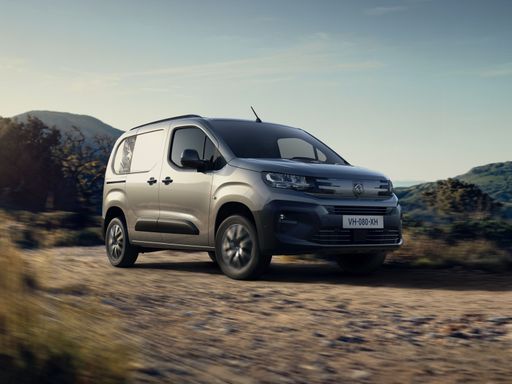
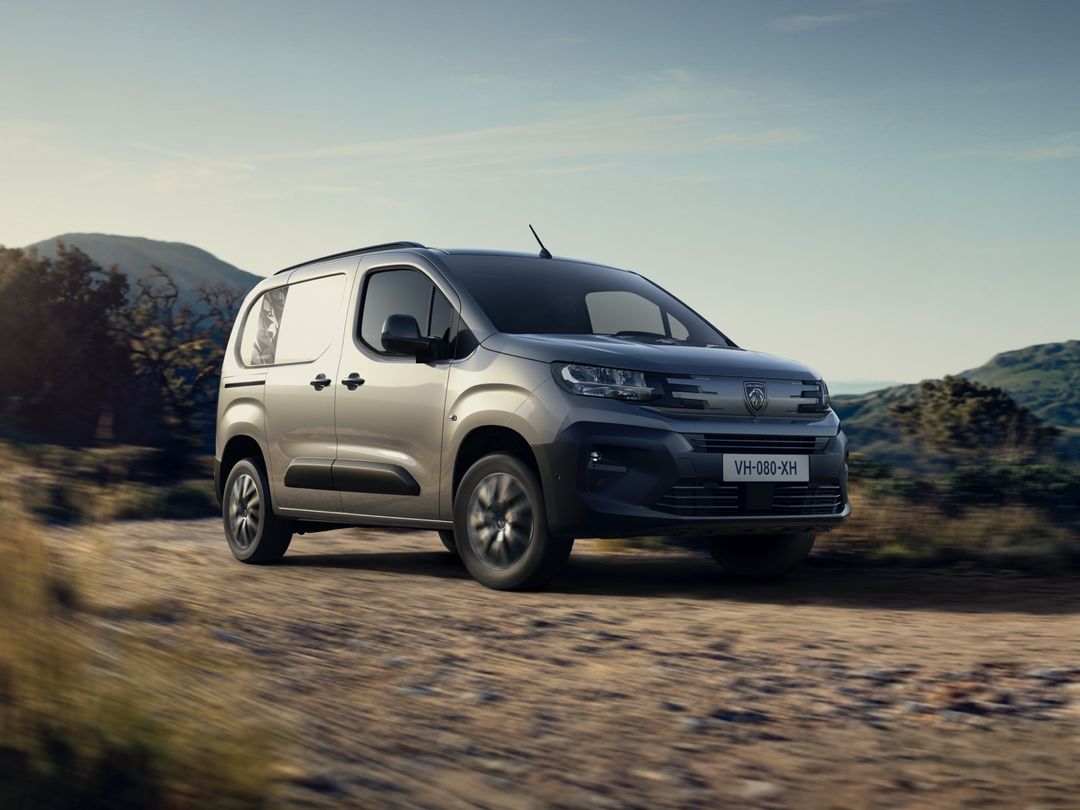
The Peugeot Partner is a no-nonsense workhorse that doubles as a surprisingly comfy family mover, combining clever storage solutions with an easy-to-live-in cabin. It won’t win any beauty contests, but for small businesses and active families it’s practical, economical and utterly reliable when the day gets busy.

Reviews & community

All real reviews and experiences about the Peugeot Partner in one place.

To community

Technical data, trims & prices

All technical data, dimensions and equipment details of this model at a glance.

To technical data

Alternative car models

Discover similar models and possible alternatives to this vehicle.

To alternatives

from £26,100
Partner

Peugeot Partner

  • Engine Type Electric, Diesel
  • Transmission Automatic, Manuel
  • Drive Type Front-Wheel Drive
  • Power HP 102 - 136 HP
  • Consumption L/100km 5.2 - 5.4 L/100km
  • Consumption kWh/100km 17.4 kWh/100km
  • Electric Range 354 km

Street Cred and Job-Site Swagger

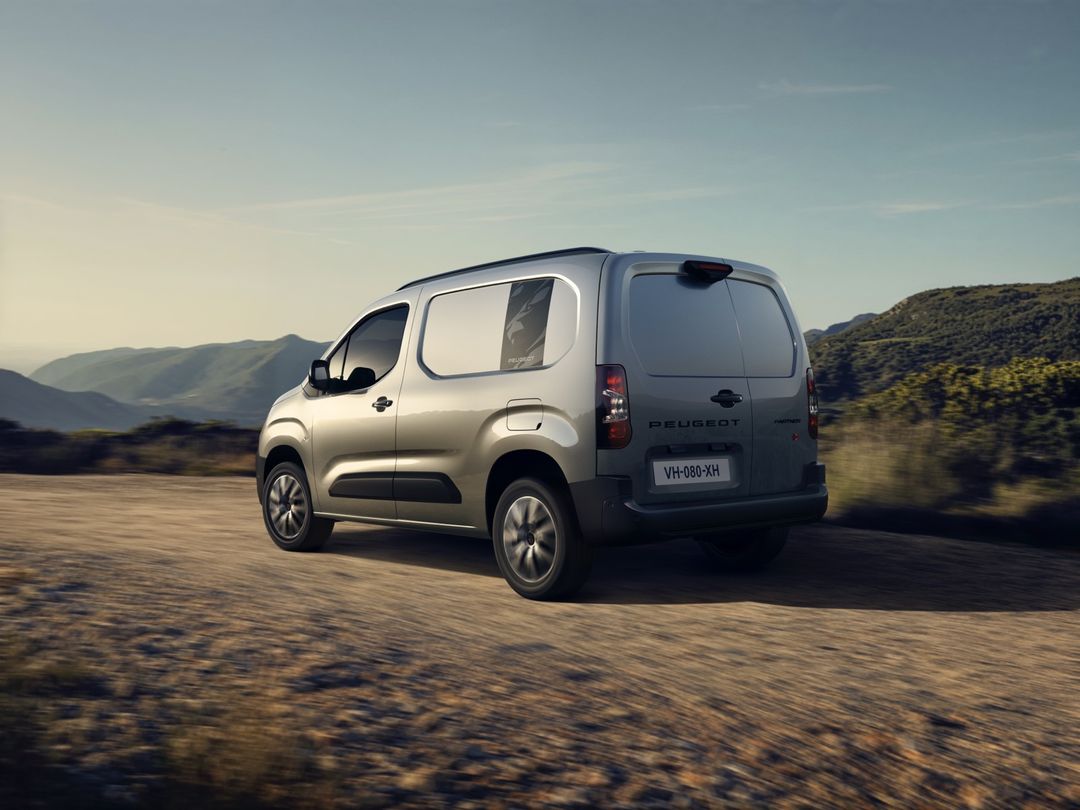
The Partner wears Peugeot’s current face with a neat mix of practicality and style, so it doesn’t look out of place on a construction site or a city street. Proportions are sensible and buyers can choose a compact or long body — roughly 4.40 m for the standard and about 4.75 m for the XL — while the width and near-vertical tail make loading simple. Visual tweaks and black trim give it a more modern commercial-vehicle look than the boxy vans of old.
Work-Ready Cabin Without the Drama

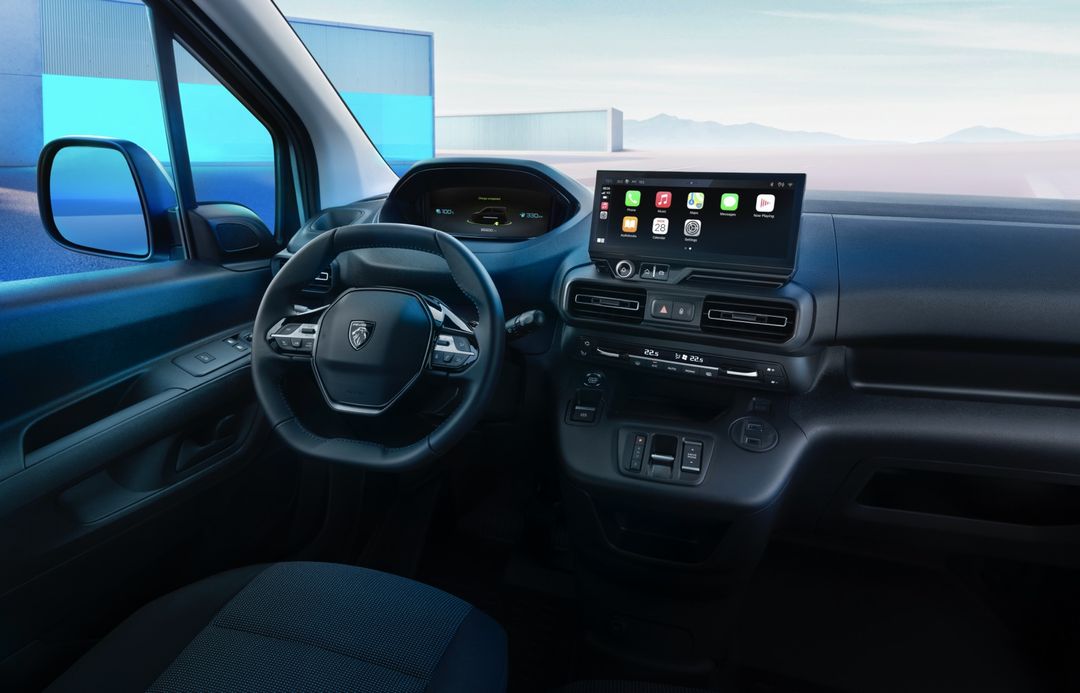
The interior keeps things logical: durable plastics, functional storage cubbies and seats that prioritise support over luxury, with configurations for 2, 3 or 5 occupants depending on crew-cab options. Controls are easy to reach and the infotainment sits where it should — visible and straightforward, not a distraction when unloading. The cabin won’t win awards for flair, but it’s built to live with tools, muddy boots and daily use.

Load It, Stack It, Lock It

Cargo space is the Partner’s headline act: a typical load bay starts around 1,800 litres and, depending on wheelbase and partition choices, stretches to roughly up to 4,000 litres in the most generous layouts, with payloads pushing close to 1,000 kg in some spec levels. Sliding side doors, low load sill and square load area make it easy to slot in pallets, ladders or bulky trade equipment. For small businesses this translates into fewer trips, faster loading and more usable space than many small vans.

Comfortable, Predictable Driving — Not a Sports Car

Front-wheel drive, softly tuned suspension and light steering keep the Partner composed on urban streets and confident on motorways, with less fuss than some sharper, car-like rivals. The electric e-Partner’s instant torque and a quoted 0–100 km/h in about 11.2 s make it lively off the line for city deliveries, while diesel options provide steady mid-range pull for laden motorway runs. Handling is predictable rather than entertaining, which is exactly what most commercial drivers want: focus on the task, not the theatrics.

Running Costs: Choose the Right Tool

Efficiency depends on drivetrain: diesels return around 5.2–5.4 L/100 km on the WLTP-style figures, the petrol sits nearer 6.3 L/100 km, and the battery e-Partner claims about 17.4 kWh/100 km with a usable WLTP range of roughly 354 km from the 50 kWh pack. In practical terms that means diesels are still the economical choice for long-distance, high-mileage work, while the electric model suits urban fleets and drivers who can recharge overnight and want near-silent operation. Total cost of ownership will hinge on duty cycle, charging access and local incentives.

Tools Behind the Wheel

The Partner comes with a sensible set of assistance systems: adaptive cruise and speed limiter, automatic emergency braking, lane-keeping aids and reversing sensors or cameras on higher trims, which all matter when the van is full and visibility is reduced. Infotainment covers the basics and more, with touchscreen interfaces that support smartphone mirroring and optional larger displays for fleet-spec buyers. The result is a modern, usable tech package without the complexity or cost of premium passenger cars.

Who Should Buy One?

The Partner is aimed squarely at tradespeople, small fleets and families who need bulk-carrying versatility without unnecessary complication; it’s a pragmatic all-rounder that also offers an electric alternative for city-focused users. Current line-up choices include an electric e-Partner with a 50 kWh battery and about 136 hp with roughly 354 km range, plus multiple petrol and 1.5-litre diesel options in 100–131 hp tunes and manual or automatic transmissions. For buyers after sensible packaging, low running costs in the right use-case, and a van that won’t embarrass them at the client’s gate, the Partner is a compelling, workmanlike proposition.

Costs and Consumption

Price
26,100 - 33,500 £
Consumption L/100km
5.2 - 5.4 L/100km
Consumption kWh/100km
17.4 kWh/100km
Electric Range
354 km
Battery Capacity
-
co2
0 - 143 g/km
Fuel tank capacity
-

Dimensions and Body

Body Type
Cargo Van
Seats
3
Doors
-
Curb weight
1,371 - 1,674 kg
Trunk capacity
-
Length
-
Width
1,848 mm
Height
-
Max trunk capacity
-
Payload
645 - 781 kg

Engine and Performance

Engine Type
Electric, Diesel
Transmission
Automatic, Manuel
Transmission Detail
Reduction Gearbox, Manual Gearbox, Automatic Gearbox
Drive Type
Front-Wheel Drive
Power HP
102 - 136 HP
Acceleration 0-100km/h
11.2 s
Max Speed
-
Torque
250 - 300 Nm
Number of Cylinders
4
Power kW
75 - 100 kW
Engine capacity
1,499 cm3

General

Model Year
2025
CO2 Efficiency Class
A, E
Brand
Peugeot
What drivetrain options does the Peugeot Partner have?

The Peugeot Partner is available as Front-Wheel Drive.

DriveDuel uses data analysis and artificial intelligence to evaluate vehicle data and create content. Content is regularly reviewed and improved. The displayed prices are estimates based on German list prices, adjusted to the respective country’s VAT. Country-specific registration taxes are not included. This information is not legally binding.