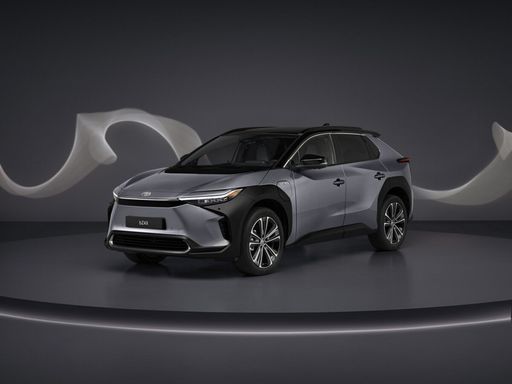
Peugeot Partner alternatives & comparisons

Here you can find alternatives to the Peugeot Partner, based on existing comparison pages and popular model matchups. We currently show 6 suitable models as a starting point for your buying decision.

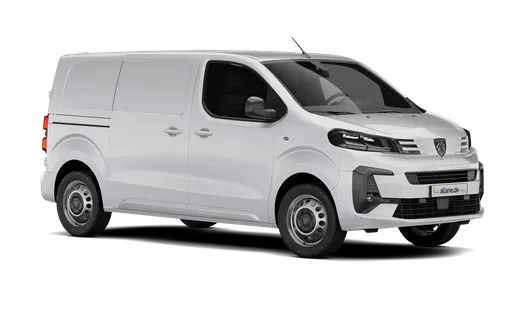
Peugeot Partner

Alternative models

These models are frequently compared with the Peugeot Partner and are good next research steps.

from £22,900
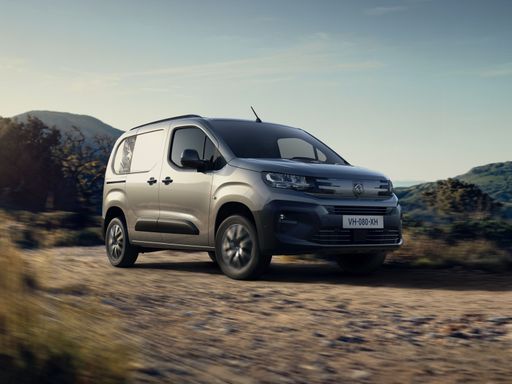
Rifter

Peugeot Rifter

  • Engine Type Petrol, Diesel
  • Transmission Manuel, Automatic
  • Drive Type Front-Wheel Drive
  • Power HP 102 - 130 HP
  • Consumption L/100km 5.4 - 6.5 L/100km

Peugeot Rifter as a suitable alternative to Peugeot Partner

The Peugeot Partner and the Peugeot Rifter are closely related but aimed at different buyers: the Partner is a practical small van focused on load-carrying and work use, while the Rifter is the more passenger-oriented, lifestyle MPV version. I’ll compare their space, comfort, driving character and running costs so you can choose whether you need a workhorse or a family-friendly versatile car.

The Peugeot Rifter is a practical, family-friendly people carrier that makes everyday errands and weekend escapes feel effortless thanks to its airy cabin and clever, flexible interior. With chunky, purposeful styling and storage solutions everywhere, the Rifter manages to be both unashamedly useful and unexpectedly likeable.

Quick data check: Peugeot Rifter

  • only slightly more power
  • marginally more efficient
  • very slightly quicker 0–100 km/h
  • very slightly lighter
  • moderately cheaper
from £20,800
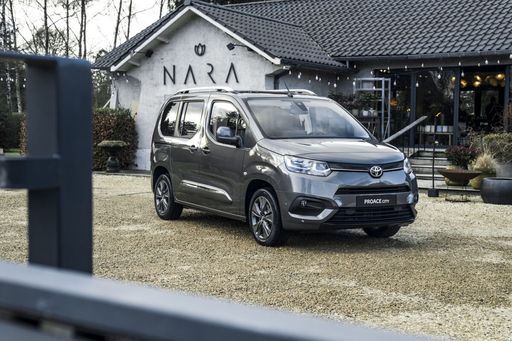
Proace City

Toyota Proace City

  • Engine Type Electric, Petrol, Diesel
  • Transmission Automatic, Manuel
  • Drive Type Front-Wheel Drive
  • Power HP 102 - 136 HP
  • Consumption L/100km 5.3 - 6.3 L/100km
  • Consumption kWh/100km 18.1 kWh/100km
  • Electric Range 343 km

Toyota Proace City as a suitable alternative to Peugeot Partner

Choosing between the Peugeot Partner and the Toyota Proace City comes down to whether you prioritise clever interior packaging and comfort (Partner) or straightforward reliability, simplicity and low running costs (Proace City). This short comparison will focus on load space, practicality, fuel economy and ownership costs to help you pick the van that fits your work or small-business needs.

The Toyota Proace City is a clever compact workhorse that blends van practicality with passenger comfort, turning daily deliveries or weekend DIY runs into a surprisingly civilised affair. It won't set your pulse racing, but its easy driving manners, flexible interior and low-hassle ownership make it a smart pick for buyers who value usefulness over flash.

Quick data check: Toyota Proace City

  • only slightly more efficient
  • marginally more electric range
  • marginally quicker 0–100 km/h
  • noticeably cheaper
  • only slightly lighter
from £25,700
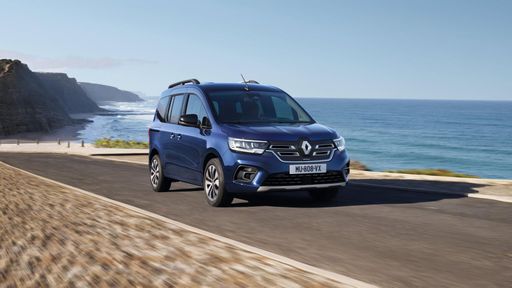
Kangoo

Renault Kangoo

  • Engine Type Petrol, Diesel
  • Transmission Manuel, Automatic
  • Drive Type Front-Wheel Drive
  • Power HP 95 - 130 HP
  • Consumption L/100km 5.2 - 7.4 L/100km

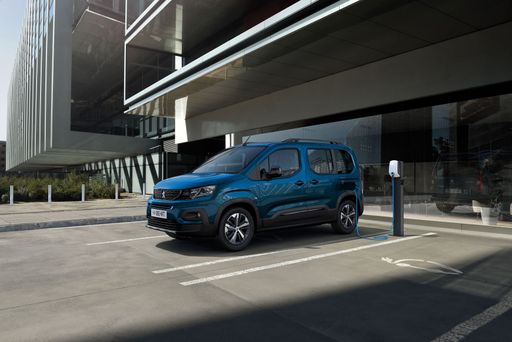
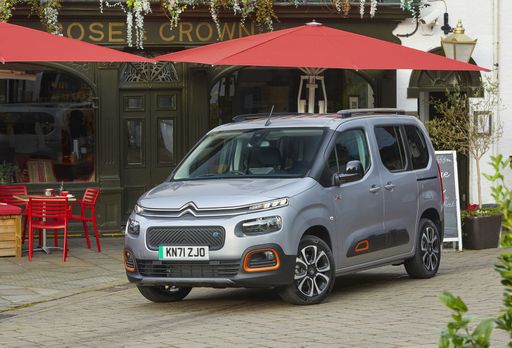
Renault Kangoo as a suitable alternative to Peugeot Partner

Choosing between the Peugeot Partner and the Renault Kangoo comes down to practical needs—cargo space, driver comfort and running costs—rather than style alone. This comparison looks at real-world load capacity, fuel/energy efficiency, trim and equipment choices, and ownership costs to help you pick the Partner or the Kangoo that fits your work or family life best.

The Renault Kangoo is the pragmatic chameleon of small vans, marrying van-like practicality with carlike comfort and a cheerful, friendly face that suits both family runs and workday hauls. It's sensible, versatile and annoyingly useful — easy to live with, cheap to run and clever where it counts, so you get more space and fewer compromises than the price suggests.
Quick data check: Renault Kangoo

  • marginally more power
  • barely quicker 0–100 km/h
  • very slightly lighter
  • very slightly cheaper
from £20,300
Berlingo

Citroen Berlingo

  • Engine Type Electric, Diesel, Petrol
  • Transmission Automatic, Manuel
  • Drive Type Front-Wheel Drive
  • Power HP 102 - 136 HP
  • Consumption L/100km 5.3 - 6.3 L/100km
  • Consumption kWh/100km 18 - 18.7 kWh/100km
  • Electric Range 334 - 343 km

Quick data check: Citroen Berlingo

  • barely more efficient
  • marginally more efficient
  • only slightly more electric range
  • barely lighter
  • visibly cheaper
from £22,900
Combo

Vauxhall Combo

  • Engine Type Diesel
  • Transmission Manuel
  • Drive Type Front-Wheel Drive
  • Power HP 102 - 130 HP
  • Consumption L/100km 5.4 - 5.8 L/100km

Vauxhall Combo as a suitable alternative to Peugeot Partner

The Vauxhall Combo and Peugeot Partner are closely related small vans that share the same platform and many mechanicals, but they present different strengths in styling, trim and dealer support. This comparison will show where each model wins on practicality, comfort, running costs and value so you can pick the better fit for your work or business needs.

The Opel Combo is a hardworking and surprisingly polished small van that blends van-like practicality with car-like comfort, making it a sensible choice for families and tradespeople who need versatility without fuss. It may not grab attention on the style front, but clever packaging and a levelheaded approach mean you spend more time getting things done and less time worrying about compromise.

Quick data check: Vauxhall Combo

  • barely more power
  • only slightly more efficient
  • marginally lighter
  • slightly cheaper
from £27,800
Caddy

VW Caddy

  • Engine Type Petrol, Diesel, Plugin Hybrid
  • Transmission Manuel, Automatic
  • Drive Type Front-Wheel Drive, All-Wheel Drive
  • Power HP 102 - 150 HP
  • Consumption L/100km 0.5 - 6.9 L/100km
  • Electric Range 116 - 121 km

VW Caddy as a suitable alternative to Peugeot Partner

In the compact van segment, the Peugeot Socio stands out with its sleek design and advanced tech features, challenging the robust and reliable VW Caddy. While the Socio offers a more stylish interior and efficient engine options, the Caddy excels with greater cargo capacity and a proven track record for durability. Ultimately, choosing between the two depends on whether one's priorities lean towards modern aesthetics and efficiency or practicality and resilience.

The VW Caddy is the Swiss-army knife of compact vans — practical, surprisingly refined, and ready to swap a weekend adventure for a grocery run without breaking a sweat. It’s user-friendly, comfortable enough for daily driving, and sensible for buyers who want utility with a dash of style and no drama.

Quick data check: VW Caddy

  • only slightly cheaper
  • substantially more electric range
  • only slightly quicker 0–100 km/h
  • somewhat lighter
  • only slightly more power
  • significantly more efficient
DriveDuel uses data analysis and artificial intelligence to evaluate vehicle data and create content. Content is regularly reviewed and improved. The displayed prices are estimates based on German list prices, adjusted to the respective country’s VAT. Country-specific registration taxes are not included. This information is not legally binding.