
 Deutschland
 France
 Nederland
 Great Britain
 Sverige
 Danmark
 Suomi
Suomi Italia
 Polska
 Česko
Česko España
VS
Ford Focus Turnier vs Hyundai Staria comparison
Compare performance (280 HP vs 225 HP), boot space and price (28,500 £ vs 42,400 £ ) at a glance. Find out which car is the better choice for you – Ford Focus Turnier or Hyundai Staria?
Ford Focus Turnier vs Hyundai Staria: Key differences
Focus Turnier
Costs and Efficiency:
Price and efficiency are often the first things buyers look at. Here it becomes clear which model has the long-term edge – whether at the pump, the plug, or in purchase price.
Ford Focus Turnier is considerably cheaper – starting at 28,500 £ , while the Hyundai Staria costs 42,400 £ . That’s a price difference of around 13,886 £.
Fuel consumption also shows a difference: the Ford Focus Turnier uses 5 L/100km and is clearly more efficient than the Hyundai Staria with 7.6 L/100km. The difference is about 2.6 L/100km.
Staria
Engine and Performance:
Under the bonnet, it becomes clear which model is tuned for sportiness and which one takes the lead when you hit the accelerator.
When it comes to engine power, the Ford Focus Turnier offers slightly more power – delivering 280 HP compared to 225 HP. That’s roughly 55 HP more horsepower.
When accelerating from 0 to 100 km/h, the Ford Focus Turnier is clearly quicker – completing the sprint in 5.8 s, while the Hyundai Staria takes 10.2 s. That’s about 4.4 s quicker.
There’s also a difference in torque: the Ford Focus Turnier delivers moderately more torque with 420 Nm compared to 367 Nm. That’s about 53 Nm more.
Focus Turnier
Space and Everyday Use:
Beyond pure performance, interior space and usability matter most in daily life. This is where you see which car is more practical and versatile.
Seats: Hyundai Staria offers more seats – 9 vs 5.
In terms of curb weight, Ford Focus Turnier is significantly lighter – 1,413 kg compared to 2,275 kg. The difference is around 862 kg.
Looking at boot space, the Hyundai Staria offers visibly more boot space – 831 L compared to 635 L. That’s a difference of about 196 L.
When it comes to payload, the Hyundai Staria carries noticeably more – 775 kg compared to 557 kg. That’s a difference of about 218 kg.
Who wins the race in the data check?
The Ford Focus Turnier stands well ahead of its rival in the objective data comparison.
This result only shows which model scores more points on paper – not which of the two cars feels right for you.
from £28,500
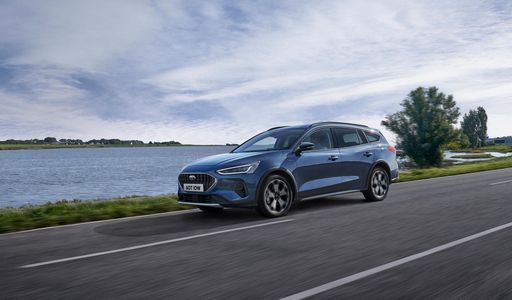
Ford Focus Turnier
Ford Focus Turnier
Hyundai Staria
Costs and Consumption
View detailed analysis
View detailed analysis
Engine and Performance
View detailed analysis
View detailed analysis
Dimensions and Body
View detailed analysis
View detailed analysis
Ford Focus Turnier
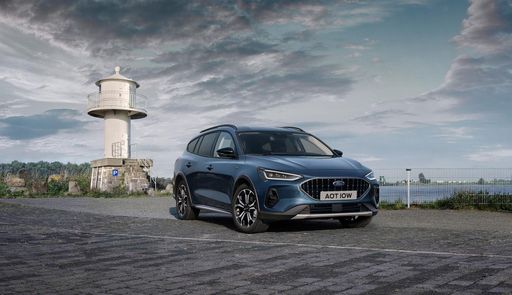
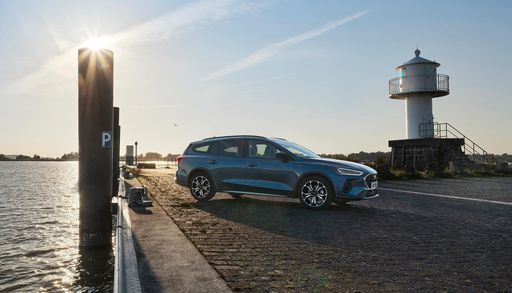
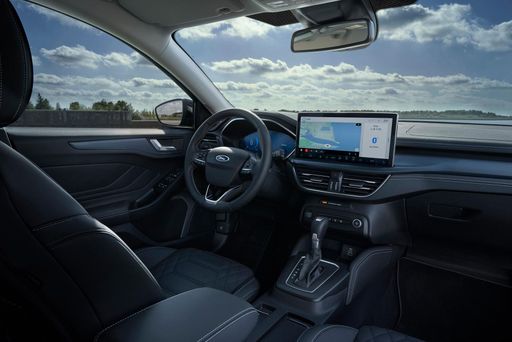
The Ford Focus Estate packs practical, family-friendly space into a compact, poised package that feels sharper and more grown-up than its price suggests. It steers with tidy composure, offers sensible interior flexibility, and is perfect for buyers who want everyday usability without turning into a moving van.
details
Hyundai Staria
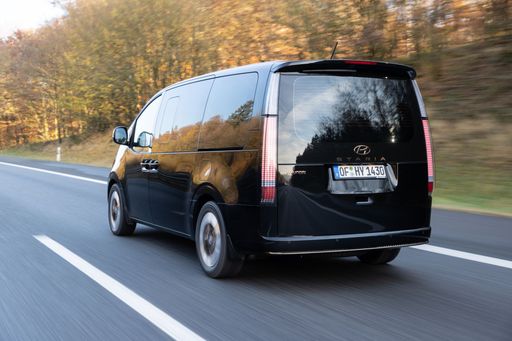
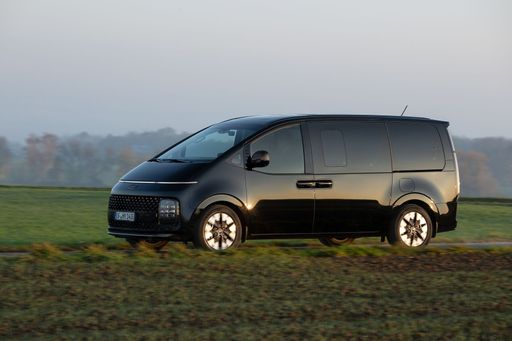
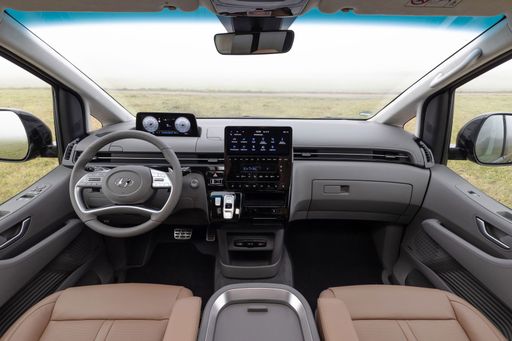
Hyundai Staria looks like a friendly spaceship, its sweeping glass and soft edges turning a people‑mover into a design statement that actually gets noticed. Inside it's airy and practical — perfect for families or anyone who likes travelling in comfort and style, with enough flexibility to swallow luggage and weekend plans without drama.
details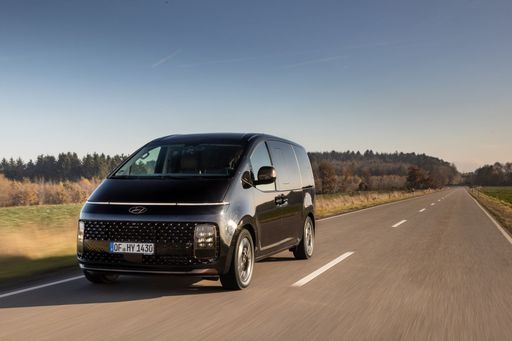
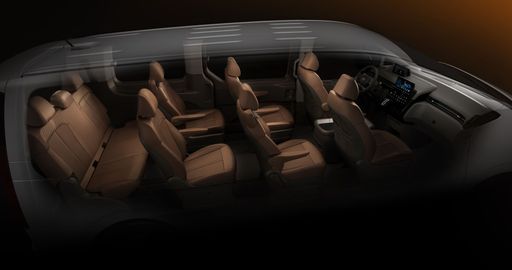
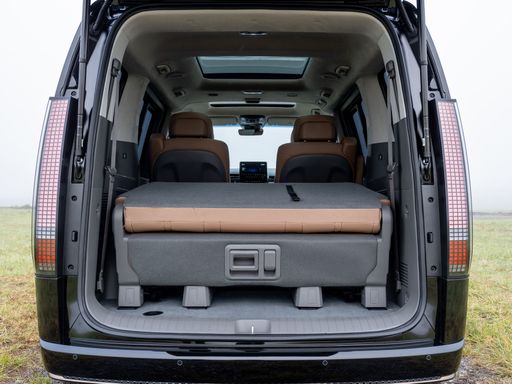
Ford Focus Turnier
Hyundai Staria
Costs and Consumption |
|
|---|---|
|
Price
28,500 - 39,900 £
|
Price
42,400 - 50,500 £
|
|
Consumption L/100km
5 - 8 L/100km
|
Consumption L/100km
7.6 L/100km
|
|
Consumption kWh/100km
-
|
Consumption kWh/100km
-
|
|
Electric Range
-
|
Electric Range
-
|
|
Battery Capacity
-
|
Battery Capacity
-
|
|
co2
120 - 183 g/km
|
co2
172 g/km
|
|
Fuel tank capacity
52 L
|
Fuel tank capacity
-
|
Dimensions and Body |
|
|---|---|
|
Body Type
Estate
|
Body Type
Bus
|
|
Seats
5
|
Seats
7 - 9
|
|
Doors
5
|
Doors
-
|
|
Curb weight
1,413 - 1,563 kg
|
Curb weight
2,275 - 2,345 kg
|
|
Trunk capacity
608 - 635 L
|
Trunk capacity
117 - 831 L
|
|
Length
4,672 - 4,693 mm
|
Length
-
|
|
Width
1,825 - 1,844 mm
|
Width
1,997 mm
|
|
Height
1,459 - 1,504 mm
|
Height
-
|
|
Max trunk capacity
1,653 L
|
Max trunk capacity
-
|
|
Payload
523 - 557 kg
|
Payload
605 - 775 kg
|
Engine and Performance |
|
|---|---|
|
Engine Type
Petrol MHEV, Diesel, Petrol
|
Engine Type
Full Hybrid
|
|
Transmission
Manuel, Automatic
|
Transmission
Automatic
|
|
Transmission Detail
Manual Gearbox, Dual-Clutch Automatic, Automatic Gearbox
|
Transmission Detail
Automatic Gearbox
|
|
Drive Type
Front-Wheel Drive
|
Drive Type
Front-Wheel Drive
|
|
Power HP
115 - 280 HP
|
Power HP
225 HP
|
|
Acceleration 0-100km/h
5.8 - 12.1 s
|
Acceleration 0-100km/h
10.2 s
|
|
Max Speed
184 - 250 km/h
|
Max Speed
-
|
|
Torque
170 - 420 Nm
|
Torque
367 Nm
|
|
Number of Cylinders
3 - 4
|
Number of Cylinders
4
|
|
Power kW
85 - 206 kW
|
Power kW
165 kW
|
|
Engine capacity
999 - 2,261 cm3
|
Engine capacity
1,598 cm3
|
General |
|
|---|---|
|
Model Year
2,023 - 2,024
|
Model Year
2024
|
|
CO2 Efficiency Class
D, G
|
CO2 Efficiency Class
F
|
|
Brand
Ford
|
Brand
Hyundai
|
DriveDuel uses data analysis and artificial intelligence to evaluate vehicle data and create content. Content is regularly reviewed and improved.
The displayed prices are estimates based on German list prices, adjusted to the respective country’s VAT. Country-specific registration taxes are not included. This information is not legally binding.