VS

Honda ZR-V vs Subaru Forester comparison

Compare performance (184 HP vs 136 HP), boot space and price (35,100 £ vs 35,100 £ ) at a glance. Find out which car is the better choice for you – Honda ZR-V or Subaru Forester?

Honda ZR-V vs Subaru Forester: Key differences

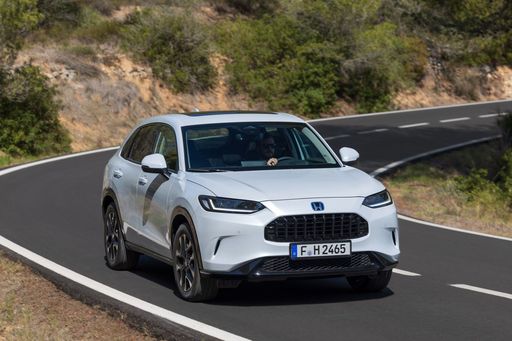
Honda ZR-V

4.8 (7 Reviews)
rate
  • only slightly cheaper
  • noticeably more power
  • clearly more efficient
  • substantially quicker 0–100 km/h
  • only slightly lighter
details

Subaru Forester

3.8 (3 Reviews)
rate
details

All details on performance, efficiency, range and trunk space can be found in the technical comparison below – including user reviews for both models.

By Achim Sedelmaier

ZR-V

Head-to-Head: Honda ZR-V vs Subaru Forester

The automotive market is brimming with choices for those in the market for a reliable SUV, but two models have piqued interest due to their innovative features and engineering prowess: the Honda ZR-V and the Subaru Forester. In this article, we'll dive into a thorough comparison of these two contenders, highlighting their technical specifications, performance capabilities, and standout innovations.

Forester

Engine and Performance

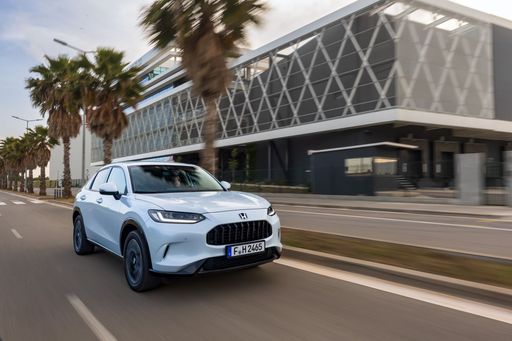
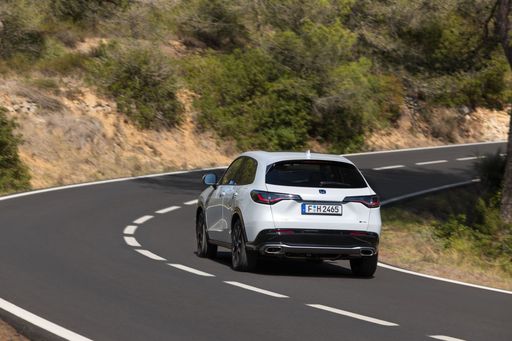
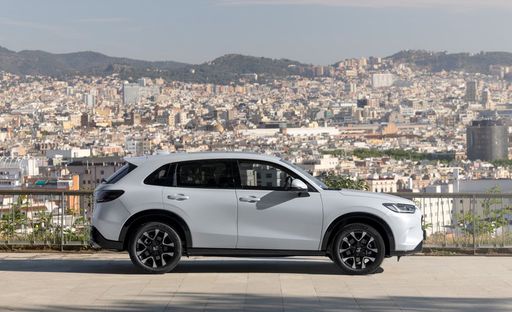
Starting with the heart of the matter, the Honda ZR-V is powered by a 2.0-liter full hybrid engine that generates an impressive 184 horsepower and 315 Nm of torque. It boasts a front-wheel-drive configuration, which not only enhances fuel efficiency but also ensures a smooth driving experience. The ZR-V achieves 0-100 km/h in a sporty 7.9 seconds, with a top speed of 173 km/h. Fuel consumption stands at a commendable 5.8 L/100 km, making it an eco-friendly choice in its segment.

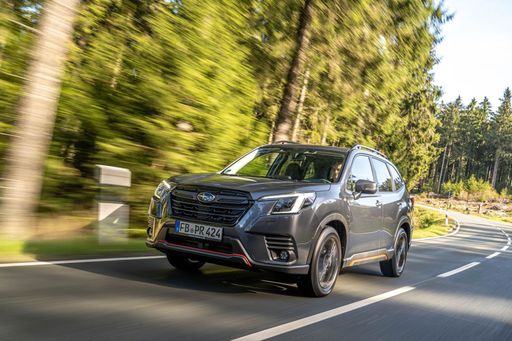
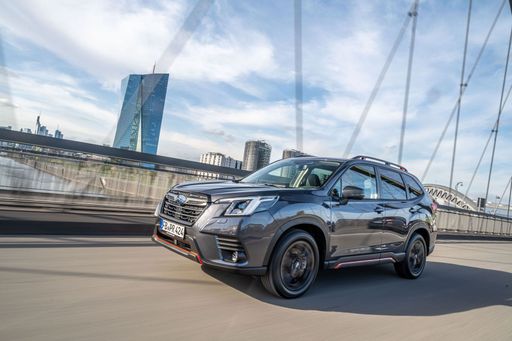
On the other hand, the Subaru Forester is equipped with a 2.0-liter petrol MHEV engine producing 150 horsepower and 194 Nm of torque, along with an all-wheel-drive system designed for improved traction and stability, especially in challenging conditions. The Forester's acceleration from 0-100 km/h takes a notable 11.8 seconds, achieving a maximum speed of 188 km/h. Its fuel efficiency is slightly higher at 8.1 L/100 km, reflecting its MHEV setup. While it may lag behind the ZR-V in power, the Subaru has a robust reputation for handling diverse terrains.


ZR-V

Dimensions and Cargo Capacity

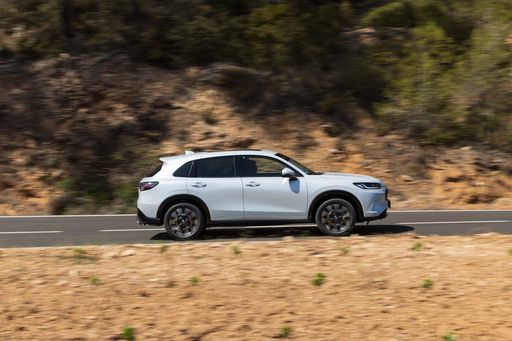
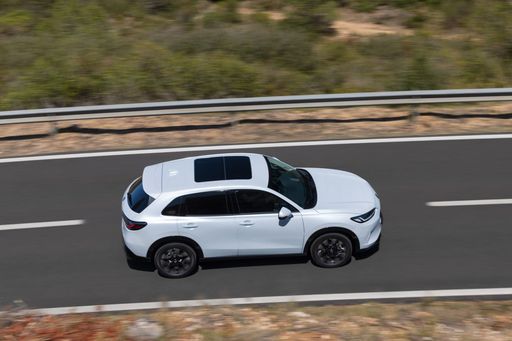
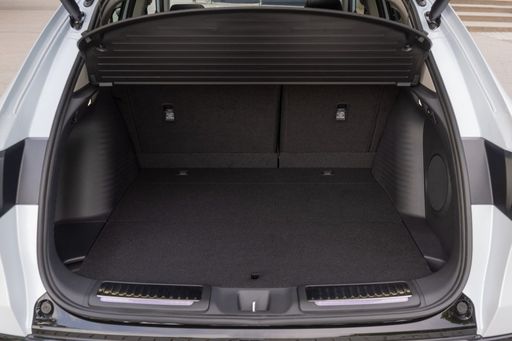
When considering dimensions, the Honda ZR-V measures 4568 mm in length, 1840 mm in width, and 1613 mm in height, showcasing a compact yet spacious design suitable for urban driving. The trunk capacity of 370 to 380 liters gives it an edge for day-to-day usability, particularly for families and road trips.

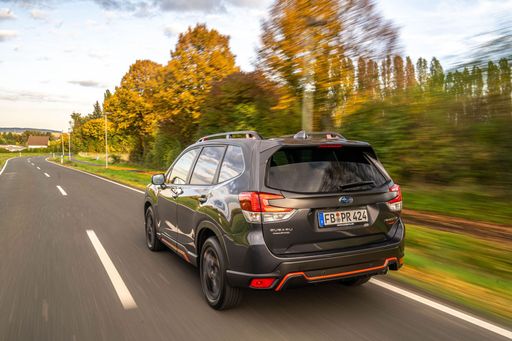
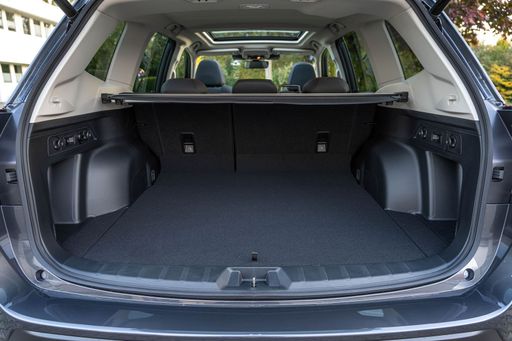
Conversely, the Subaru Forester boasts larger dimensions with a length ranging from 4640 mm to 4670 mm, a width of 1815 to 1830 mm, and a height of 1730 mm. Its trunk space impressively ranges from 508 to 509 liters, providing more than enough room for gear and luggage. This capacity makes it an appealing option for adventure seekers or those needing extra space.

Forester

Interior and Comfort

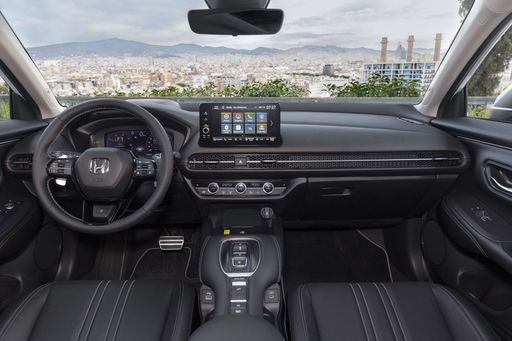
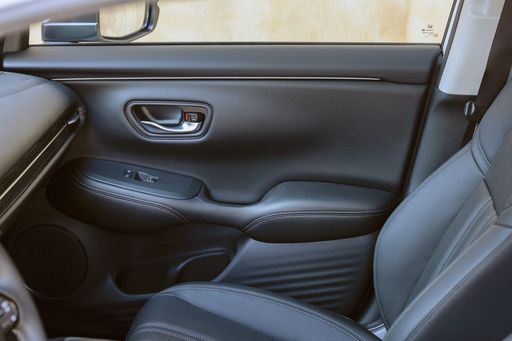
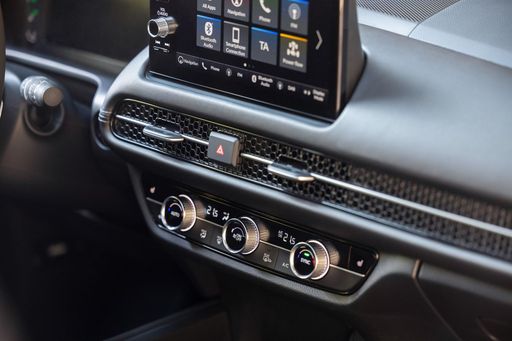
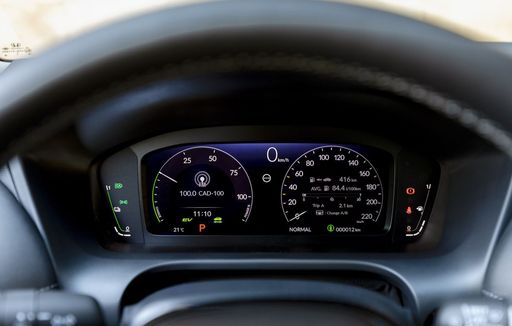
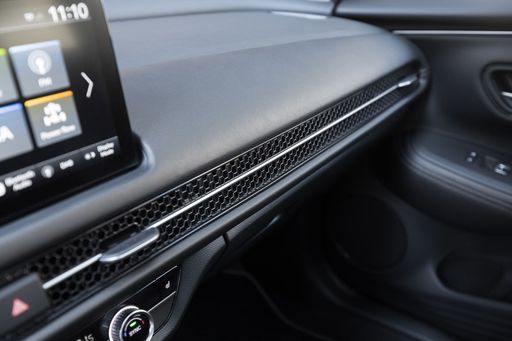
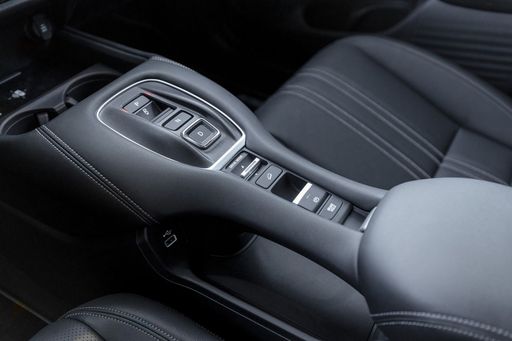
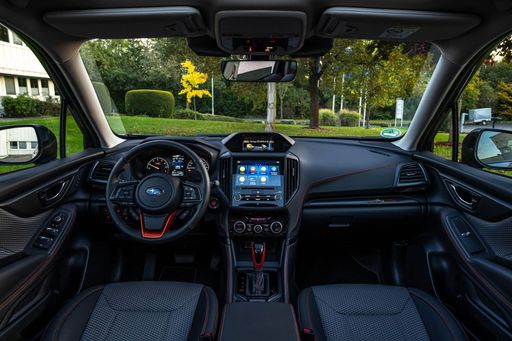
Interior design and comfort are pivotal when choosing an SUV. The Honda ZR-V features a modern and stylish cockpit with quality materials focused on comfort and user experience. The spacious seating for five ensures a comfortable ride, and innovative tech features provide seamless connectivity and entertainment options.

In contrast, the Subaru Forester emphasizes practicality and functionality in its interior layout. Its spacious cabin is designed with durability in mind, perfect for outdoor enthusiasts. Additionally, it includes a plethora of safety features, making it a family-friendly option. The user interface focuses on ease of access, providing drivers with intuitive control over the vehicle's various systems.

ZR-V

Innovations and Technology

Honda has incorporated advanced technology into the ZR-V, including a full hybrid powertrain that combines efficiency with performance. Additionally, state-of-the-art driver assistance systems enhance safety and the overall driving experience. Features such as lane-keep assist, adaptive cruise control, and collision mitigation make it a forward-thinking option for tech-savvy individuals.

The Subaru Forester, on the other hand, is known for its Symmetrical All-Wheel Drive system, which enhances stability and control on various roads. Moreover, Subaru's EyeSight Driver Assist Technology offers a suite of safety innovations such as adaptive cruise control and pre-collision braking, securing its place as a leader in safety performance.

Forester

Conclusion

Both the Honda ZR-V and Subaru Forester offer unique benefits in the competitive SUV market. The ZR-V shines with its hybrid powertrain and modern design, making it an exceptional choice for efficiency and comfort. Alternatively, the Forester stands out with its robust all-wheel-drive capability and spacious interior, catering to adventure-seekers and those requiring extra space.

Ultimately, the choice between the Honda ZR-V and the Subaru Forester will depend on individual priorities—whether that be performance and cutting-edge technology or off-road capability and cargo capacity. Both models embody the essence of what a modern SUV should provide, ensuring that buyers are presented with quality choices.

Here’s where it gets real: The technical differences in detail

ZR-V

Costs and Efficiency:

Looking at overall running costs, both models reveal some interesting differences in everyday economy.

Honda ZR-V is only slightly cheaper – starting at 35,100 £ , while the Subaru Forester costs 35,100 £ . That’s a price difference of around 77 £.

Fuel consumption also shows a difference: the Honda ZR-V uses 5.7 L/100km and is clearly more efficient than the Subaru Forester with 8.1 L/100km. The difference is about 2.4 L/100km.

Forester

Engine and Performance:

Power, torque and acceleration say a lot about how a car feels on the road. This is where you see which model delivers more driving dynamics.

When it comes to engine power, the Honda ZR-V offers noticeably more power – delivering 184 HP compared to 136 HP. That’s roughly 48 HP more horsepower.

When accelerating from 0 to 100 km/h, the Honda ZR-V is substantially quicker – completing the sprint in 7.8 s, while the Subaru Forester takes 12.2 s. That’s about 4.4 s quicker.

There’s also a difference in torque: the Honda ZR-V delivers clearly more torque with 315 Nm compared to 182 Nm. That’s about 133 Nm more.

ZR-V

Space and Everyday Use:

Beyond pure performance, interior space and usability matter most in daily life. This is where you see which car is more practical and versatile.

Both vehicles offer seating for 5 people.

In terms of curb weight, Honda ZR-V is only slightly lighter – 1,660 kg compared to 1,693 kg. The difference is around 33 kg.

When it comes to payload, the Subaru Forester carries only slightly more – 492 kg compared to 455 kg. That’s a difference of about 37 kg.

Who wins the race in the data check?

The Honda ZR-V is decisively ahead in the objective data comparison.
This result only shows which model scores more points on paper – not which of the two cars feels right for you.

from £35,100
ZR-V

Honda ZR-V

  • Engine Type Full Hybrid
  • Transmission Automatic
  • Drive Type Front-Wheel Drive
  • Power HP 184 HP
  • Consumption L/100km 5.7 - 5.8 L/100km
Honda ZR-V
Subaru Forester

Costs and Consumption

View detailed analysis

Engine and Performance

View detailed analysis

Dimensions and Body

View detailed analysis

Honda ZR-V

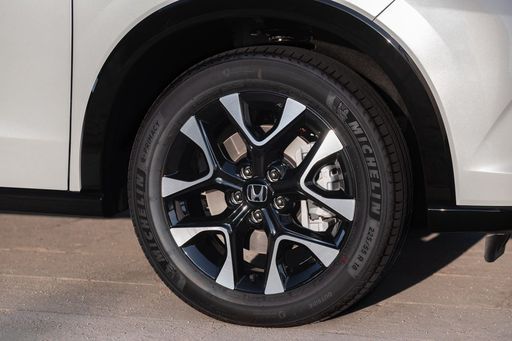
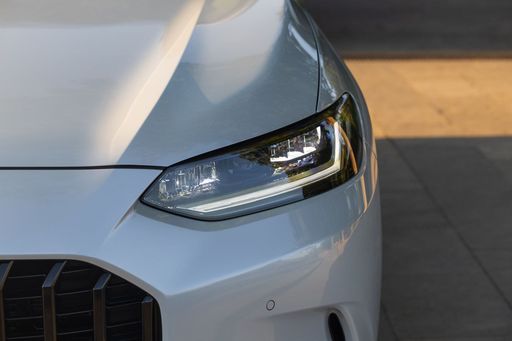
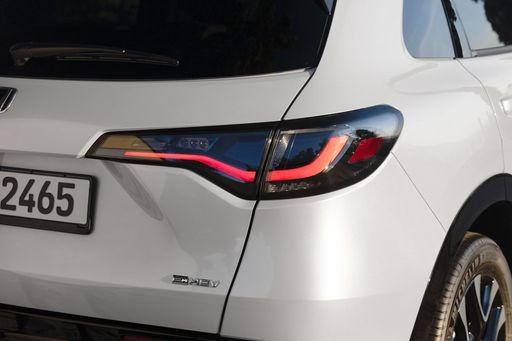
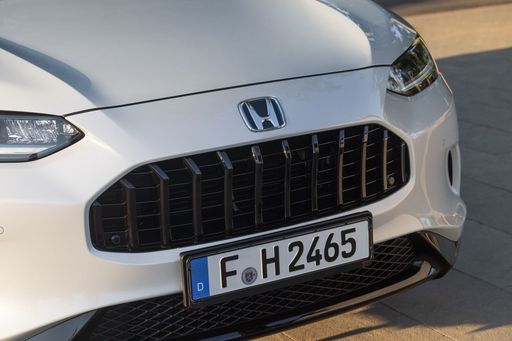
The Honda ZR-V blends smart practicality with sharper styling than you might expect, giving buyers a calm, competent companion for daily life. Inside it's comfortable and cleverly laid out, easy to live with and never trying too hard to be exciting.

details

Subaru Forester

The Subaru Forester is a practical all-rounder that quietly does everything right, with roomy comfort, excellent visibility and a real fondness for weekend adventures off the beaten path. It won't set your pulse racing like a sports car, but for buyers who prize reliability, safety and sensible charm, it's a brilliantly steady companion with a cheeky streak.

details
Honda ZR-V
Subaru Forester

Costs and Consumption

Price
35,100 - 38,700 £
Price
35,100 - 42,800 £
Consumption L/100km
5.7 - 5.8 L/100km
Consumption L/100km
8.1 L/100km
Consumption kWh/100km
-
Consumption kWh/100km
-
Electric Range
-
Electric Range
-
Battery Capacity
-
Battery Capacity
-
co2
130 - 132 g/km
co2
183 g/km
Fuel tank capacity
-
Fuel tank capacity
-

Dimensions and Body

Body Type
SUV
Body Type
SUV
Seats
5
Seats
5
Doors
-
Doors
-
Curb weight
1,660 - 1,710 kg
Curb weight
1,693 - 1,739 kg
Trunk capacity
-
Trunk capacity
508 L
Length
-
Length
-
Width
1,840 mm
Width
1,830 mm
Height
-
Height
-
Max trunk capacity
-
Max trunk capacity
-
Payload
440 - 455 kg
Payload
446 - 492 kg

Engine and Performance

Engine Type
Full Hybrid
Engine Type
Petrol MHEV
Transmission
Automatic
Transmission
Automatic
Transmission Detail
CVT
Transmission Detail
CVT
Drive Type
Front-Wheel Drive
Drive Type
All-Wheel Drive
Power HP
184 HP
Power HP
136 HP
Acceleration 0-100km/h
7.8 - 8 s
Acceleration 0-100km/h
12.2 s
Max Speed
-
Max Speed
-
Torque
315 Nm
Torque
182 Nm
Number of Cylinders
4
Number of Cylinders
4
Power kW
135 kW
Power kW
100 kW
Engine capacity
1,993 cm3
Engine capacity
1,995 cm3

General

Model Year
2025
Model Year
2025
CO2 Efficiency Class
D
CO2 Efficiency Class
G
Brand
Honda
Brand
Subaru
DriveDuel uses data analysis and artificial intelligence to evaluate vehicle data and create content. Content is regularly reviewed and improved. The displayed prices are estimates based on German list prices, adjusted to the respective country’s VAT. Country-specific registration taxes are not included. This information is not legally binding.