VS

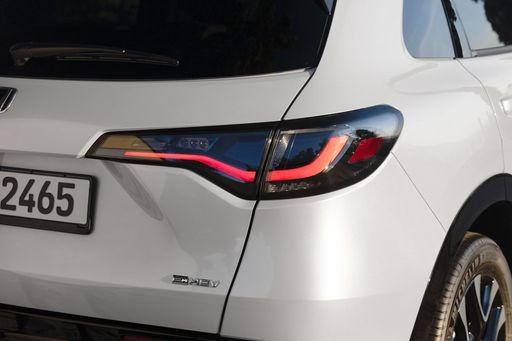
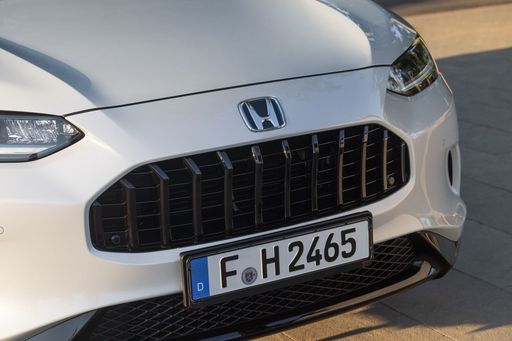
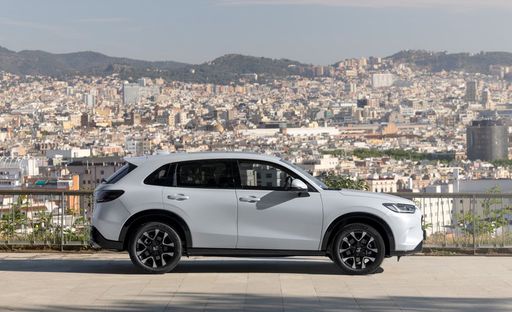
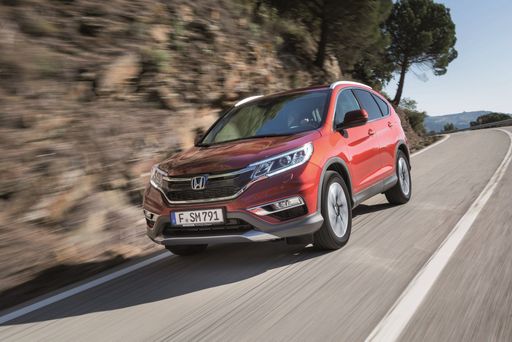
Honda CR-V vs Honda ZR-V comparison

Compare performance (184 HP vs 184 HP), boot space and price (42,800 £ vs 35,100 £ ) at a glance. Find out which car is the better choice for you – Honda CR-V or Honda ZR-V?

Honda CR-V vs Honda ZR-V: Key differences

Honda CR-V

4.9 (5 Reviews)
rate
  • significantly more efficient
details

Honda ZR-V

4.8 (7 Reviews)
rate
  • visibly cheaper
  • a bit quicker 0–100 km/h
  • only slightly lighter
details

All details on performance, efficiency, range and trunk space can be found in the technical comparison below – including user reviews for both models.

By Achim Sedelmaier

CR-V

Honda CR-V VS Honda ZR-V: which Honda fits your life?

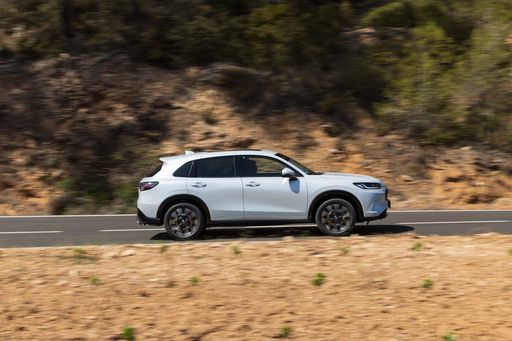
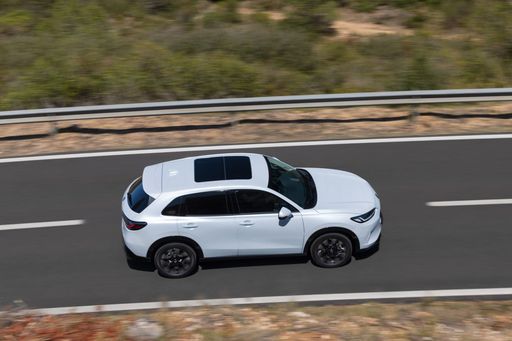
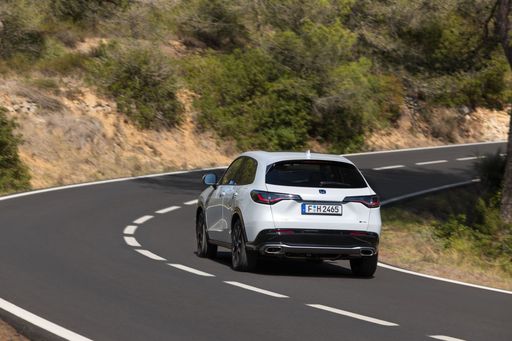
Honda CR-V and Honda ZR-V sit close in the lineup but play very different roles: the CR‑V aims for spacious, comfort‑first family transport while the ZR‑V pitches a compact, efficient hybrid for everyday practicality. If you imagine long motorway days, lots of luggage or a sliding rear bench that actually makes life easier, the CR‑V leans into that brief. If your week is city runs, school drops and the occasional longer trip without wanting to plug in, the ZR‑V’s clever hybrid packaging and smaller footprint are the draw. This comparison focuses on what those different choices feel like day to day rather than spec sheets. Read on to see which car’s real strengths match how you drive and live.
ZR-V

Character and driving feel

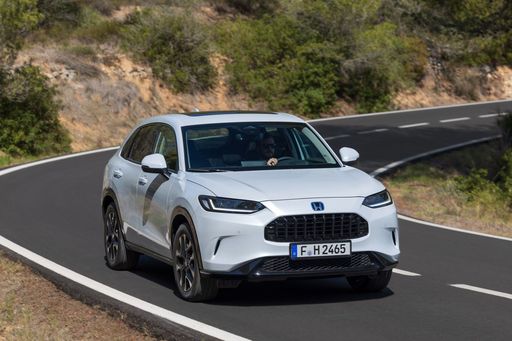
The Honda CR‑V presents itself as a relaxed, SUV‑scaled cruiser: its suspension and engine tune favour calm, steady progress over sportiness, so you arrive less flustered after long runs. The Honda ZR‑V feels more car‑like and nimble, with a hybrid system that is exceptionally smooth around town and responsive enough on country roads; it trades the CR‑V’s composure for a lighter, more agile personality. Steering in the CR‑V is confident but weighty, which reinforces the relaxed demeanor, while the ZR‑V’s lighter steering and tighter feel make urban manoeuvres and quick direction changes easier. If you want an undemanding long‑distance companion pick the CR‑V; if you prefer an everyday, city‑friendly drive with a composed hybrid character the ZR‑V suits better.

CR-V

Comfort and long‑distance behavior

On long journeys the Honda CR‑V’s bigger proportions and adjustable rear bench deliver real comfort: more legroom, a roomier feel and a suspension setup that soaks up miles with less driver fatigue. The Honda ZR‑V is comfortable too, especially for front and rear passengers over typical day trips, but it shows its compact roots on coarse surfaces and at higher speeds where tyre and wind noise are more noticeable. The CR‑V’s PHEV variants can feel particularly settled thanks to suspension tuning, though that benefit only pays off if you accept the extra weight and manage charging. In short, if most of your miles are motorway or you routinely carry adults in the back the CR‑V is the calmer long‑distance choice; the ZR‑V is excellent for shorter hauls and mixed use but less serene at sustained high speed.

ZR-V

Practicality and family usability

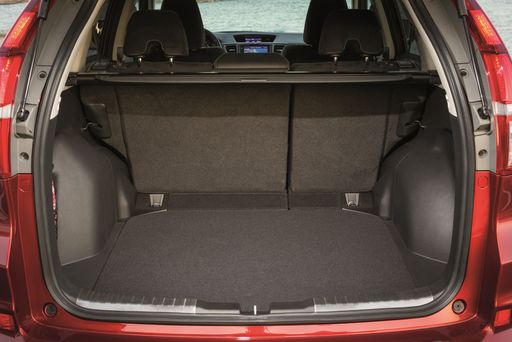
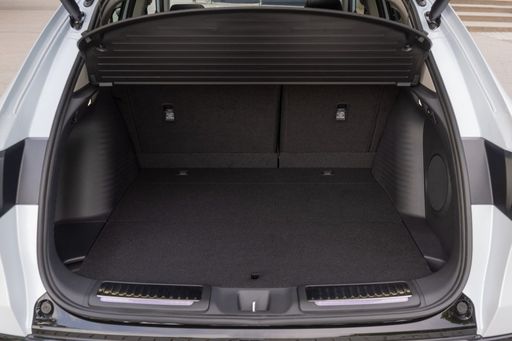
Family buyers will notice the Honda CR‑V’s emphasis on usable space: a truly generous back seat, sliding rear bench and a larger boot make packing strollers and suitcases simpler and less fiddly. The Honda ZR‑V surprises with impressive rear knee room and a very user‑friendly low, flat load floor, but its boot volume and storage flexibility lag behind the CR‑V when you need to maximise luggage space. Both cars are easy to fit child seats into, but the CR‑V’s overall cargo capacity and flexibility give it the edge for family holidays and bulky weekly shop runs. If you regularly haul large loads or want the most adaptable interior the CR‑V is the pragmatic pick; if you prioritise clever everyday ergonomics over sheer volume, the ZR‑V will do the job.

CR-V

City friendliness and everyday usability

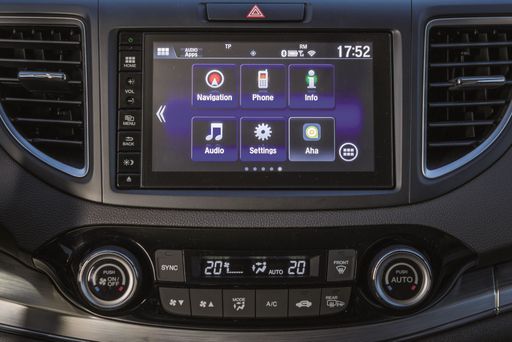
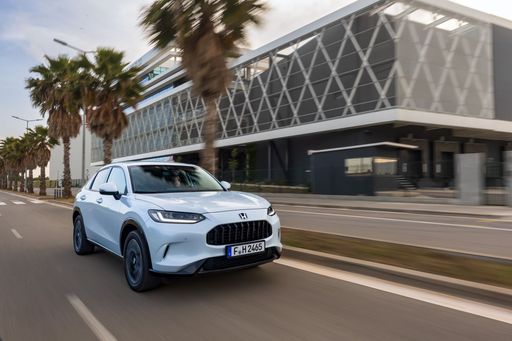
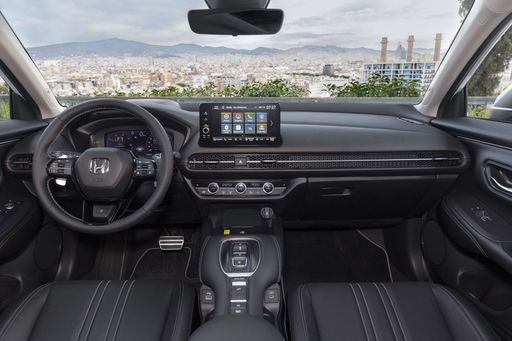
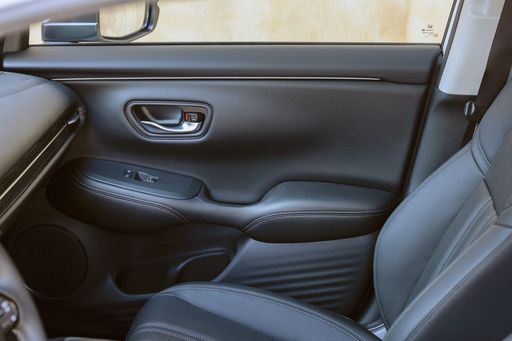
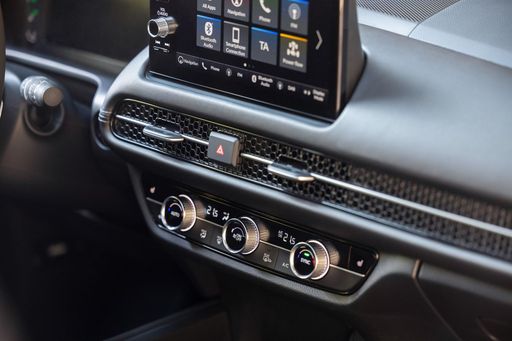
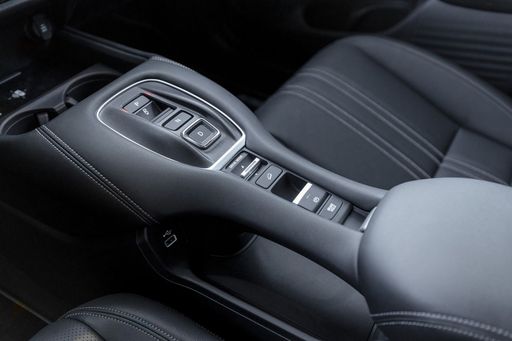
The Honda ZR‑V is the easier companion in town: its size, light steering and harmonious hybrid system make it simpler to park, manoeuvre and sip fuel in stop‑start traffic without needing a plug. The Honda CR‑V can be surprisingly good in urban use too—particularly the PHEV when it’s charged and running on electric power—but its larger footprint and wider turning tendency make tight streets and multi‑storey car parks more of a chore. Inside, both cabins favour physical controls over gimmicky touch menus, though the ZR‑V’s straightforward layout and real knobs feel marginally quicker to operate in daily life. For a commute and school run lifestyle the ZR‑V’s compactness and consistent hybrid efficiency are hard to beat; the CR‑V pays dividends when that daily routine includes heavy loads or a longer commute you can electrify.

ZR-V

Buyer fit and the trade‑offs that decide it

Choosing between the Honda CR‑V and Honda ZR‑V comes down to what you prioritise: the CR‑V costs more but gives extra room, a more relaxed highway demeanor and clear advantages if you can take advantage of plug‑in running. The ZR‑V is the more value‑oriented, no‑plug hybrid that makes sense for buyers who want low, predictable fuel use, easy city driving and strong rear legroom without the weight and complexity of a plug‑in system. If towing, long trips with lots of luggage, or maximum rear flexibility matter, the CR‑V will feel more suitable; if you want an efficient, compact daily driver that’s kinder to tight streets and your fuel bill, the ZR‑V fits better. Below this editorial we turn to the technical comparison so you can match those real‑world impressions with the numbers that matter to your decision.

Here’s where it gets real: The technical differences in detail

CR-V

Costs and Efficiency:

Price and efficiency are often the first things buyers look at. Here it becomes clear which model has the long-term edge – whether at the pump, the plug, or in purchase price.

Honda ZR-V is visibly cheaper – starting at 35,100 £ , while the Honda CR-V costs 42,800 £ . That’s a price difference of around 7,714 £.

Fuel consumption also shows a difference: the Honda CR-V uses 2.6 L/100km and is significantly more efficient than the Honda ZR-V with 5.7 L/100km. The difference is about 3.1 L/100km.

ZR-V

Engine and Performance:

Power, torque and acceleration say a lot about how a car feels on the road. This is where you see which model delivers more driving dynamics.

Both models deliver identical power – 184 HP each.

When accelerating from 0 to 100 km/h, the Honda ZR-V is a bit quicker – completing the sprint in 7.8 s, while the Honda CR-V takes 9 s. That’s about 1.2 s quicker.

There’s also a difference in torque: the Honda CR-V delivers only slightly more torque with 335 Nm compared to 315 Nm. That’s about 20 Nm more.

CR-V

Space and Everyday Use:

Whether family car or daily driver – which one offers more room, flexibility and comfort?

Both vehicles offer seating for 5 people.

In terms of curb weight, Honda ZR-V is only slightly lighter – 1,660 kg compared to 1,821 kg. The difference is around 161 kg.

When it comes to payload, the Honda CR-V carries marginally more – 475 kg compared to 455 kg. That’s a difference of about 20 kg.

Who wins the race in the data check?

The Honda CR-V is clearly superior overall in the objective data comparison.
This result only shows which model scores more points on paper – not which of the two cars feels right for you.

from £42,800
CR-V

Honda CR-V

  • Engine Type : Full Hybrid, Plugin Hybrid
  • Transmission : Automatic
  • Drive Type : Front-Wheel Drive, All-Wheel Drive
  • Power HP : 184 HP
  • Consumption L/100km : 2.6 - 6.7 L/100km
  • Electric Range : 78 km
Honda CR-V
Honda ZR-V

Costs and Consumption

View detailed analysis

Engine and Performance

View detailed analysis

Dimensions and Body

View detailed analysis

Honda CR-V

The Honda CR-V blends sensible practicality with a polished feel, offering roomy interiors and a confident ride that keeps commutes and weekend escapes equally comfortable. Its unshowy styling and reliable reputation make it a smart, low‑drama choice for buyers who want versatility without fuss — the kind of car that quietly makes everyday life a little easier.

details

Honda ZR-V

The Honda ZR-V blends smart practicality with sharper styling than you might expect, giving buyers a calm, competent companion for daily life. Inside it's comfortable and cleverly laid out, easy to live with and never trying too hard to be exciting.

details
Honda CR-V
Honda ZR-V

Costs and Consumption

Price
42,800 - 52,100 £
Price
35,100 - 38,700 £
Consumption L/100km
2.6 - 6.7 L/100km
Consumption L/100km
5.7 - 5.8 L/100km
Consumption kWh/100km
-
Consumption kWh/100km
-
Electric Range
78 km
Electric Range
-
Battery Capacity
-
Battery Capacity
-
co2
59 - 152 g/km
co2
130 - 132 g/km
Fuel tank capacity
-
Fuel tank capacity
-

Dimensions and Body

Body Type
SUV
Body Type
SUV
Seats
5
Seats
5
Doors
-
Doors
-
Curb weight
1,821 - 1,988 kg
Curb weight
1,660 - 1,710 kg
Trunk capacity
579 - 617 L
Trunk capacity
-
Length
-
Length
-
Width
1,866 mm
Width
1,840 mm
Height
-
Height
-
Max trunk capacity
-
Max trunk capacity
-
Payload
439 - 475 kg
Payload
440 - 455 kg

Engine and Performance

Engine Type
Full Hybrid, Plugin Hybrid
Engine Type
Full Hybrid
Transmission
Automatic
Transmission
Automatic
Transmission Detail
CVT
Transmission Detail
CVT
Drive Type
Front-Wheel Drive, All-Wheel Drive
Drive Type
Front-Wheel Drive
Power HP
184 HP
Power HP
184 HP
Acceleration 0-100km/h
9 - 9.5 s
Acceleration 0-100km/h
7.8 - 8 s
Max Speed
-
Max Speed
-
Torque
335 Nm
Torque
315 Nm
Number of Cylinders
4
Number of Cylinders
4
Power kW
135 kW
Power kW
135 kW
Engine capacity
1,993 cm3
Engine capacity
1,993 cm3

General

Model Year
2025
Model Year
2025
CO2 Efficiency Class
D, E, B
CO2 Efficiency Class
D
Brand
Honda
Brand
Honda
DriveDuel uses data analysis and artificial intelligence to evaluate vehicle data and create content. Content is regularly reviewed and improved. The displayed prices are estimates based on German list prices, adjusted to the respective country’s VAT. Country-specific registration taxes are not included. This information is not legally binding.