
 Deutschland
 France
 Nederland
 Great Britain
 Sverige
 Danmark
 Suomi
Suomi Italia
 Polska
 España
VS
Hyundai IONIQ 6 vs Lotus Emeya comparison
Compare performance (650 HP vs 918 HP), boot space and price (39000 £ vs 92600 £ ) at a glance. Find out which car is the better choice for you – Hyundai IONIQ 6 or Lotus Emeya?
IONIQ 6
Costs and Efficiency:
Price and efficiency are often the first things buyers look at. Here it becomes clear which model has the long-term edge – whether at the pump, the plug, or in purchase price.
Hyundai IONIQ 6 has a clearly advantage in terms of price – it starts at 39000 £ , while the Lotus Emeya costs 92600 £ . That’s a price difference of around 53520 £.
In terms of energy consumption, the advantage goes to the Hyundai IONIQ 6: with 13.40 kWh per 100 km, it’s evident more efficient than the Lotus Emeya with 18.70 kWh. That’s a difference of about 5.30 kWh.
As for electric range, the Hyundai IONIQ 6 performs somewhat better – achieving up to 680 km, about 100 km more than the Lotus Emeya.
Emeya
Engine and Performance:
Power, torque and acceleration say a lot about how a car feels on the road. This is where you see which model delivers more driving dynamics.
When it comes to engine power, the Lotus Emeya has a evident edge – offering 918 HP compared to 650 HP. That’s roughly 268 HP more horsepower.
In acceleration from 0 to 100 km/h, the Lotus Emeya is a bit quicker – completing the sprint in 2.80 s, while the Hyundai IONIQ 6 takes 3.20 s. That’s about 0.40 s faster.
There’s also a difference in torque: Lotus Emeya pulls noticeable stronger with 985 Nm compared to 770 Nm. That’s about 215 Nm difference.
IONIQ 6
Space and Everyday Use:
Whether family car or daily driver – which one offers more room, flexibility and comfort?
Both vehicles offer seating for 5 people.
In curb weight, Hyundai IONIQ 6 is noticeable lighter – 1892 kg compared to 2555 kg. The difference is around 663 kg.
In terms of boot space, the Lotus Emeya offers clearly perceptible more room – 509 L compared to 401 L. That’s a difference of about 108 L.
When it comes to payload, Lotus Emeya a bit takes the win – 545 kg compared to 438 kg. That’s a difference of about 107 kg.
Who wins the race in the data check?
The Hyundai IONIQ 6 is clearly superior overall in the objective data comparison.
This result only shows which model scores more points on paper – not which of the two cars feels right for you.
Hyundai IONIQ 6
Lotus Emeya
Costs and Consumption
View detailed analysis
View detailed analysis
Engine and Performance
View detailed analysis
View detailed analysis
Dimensions and Body
View detailed analysis
View detailed analysis
from about £39,000
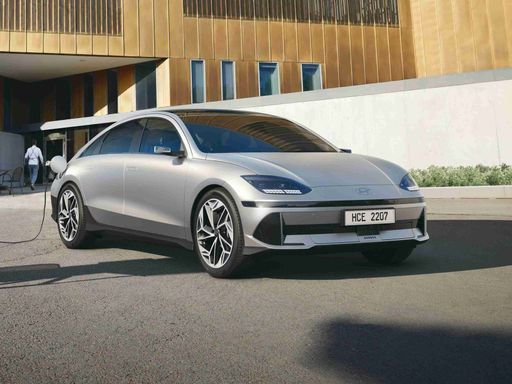
Hyundai IONIQ 6
Hyundai IONIQ 6
4.6 (1 Reviews)
The Hyundai IONIQ 6 glides down the road with a poise that feels more runway model than commuter car, its sleek silhouette promising efficiency without trying too hard. Inside, a calm, minimalist cabin packed with clever, usable tech makes it a compelling choice for buyers who want electric motoring that's smart, stylish and quietly practical.
details
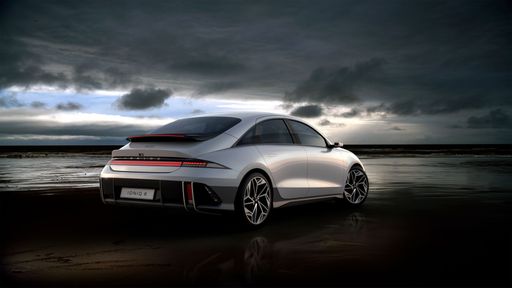
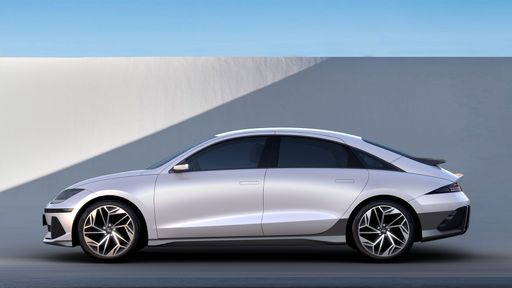
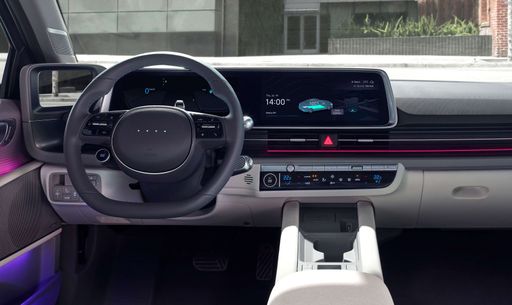
Lotus Emeya
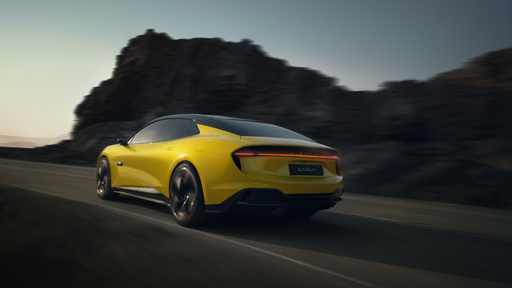
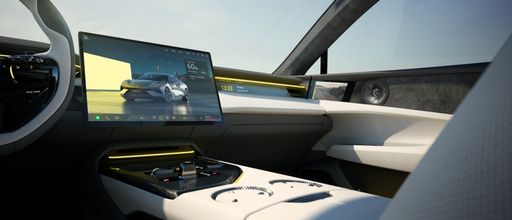
The Lotus Emeya arrives as a sleek electric grand tourer that manages to marry Lotus' trademark razor-sharp handling with enough practicality for daily life, so you can enjoy a corner with a grin and still fit the shopping. Inside it feels surprisingly grown-up — plush materials, smart tech and a driver-focused cockpit make it a tempting choice for buyers who want electric performance without losing the joy of driving.
details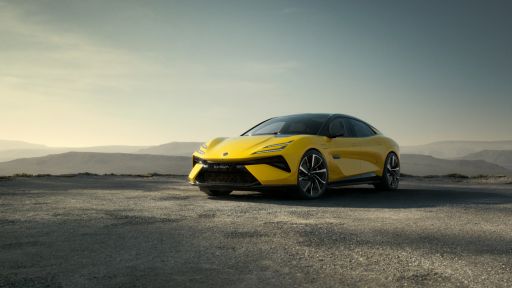
Hyundai IONIQ 6
Lotus Emeya
Costs and Consumption |
|
|---|---|
|
Price
39000 - 64300 £
|
Price
92600 - 138000 £
|
|
Consumption L/100km
-
|
Consumption L/100km
-
|
|
Consumption kWh/100km
13.4 - 15.9 kWh
|
Consumption kWh/100km
18.7 - 22.4 kWh
|
|
Electric Range
469 - 680 km
|
Electric Range
485 - 580 km
|
|
Battery Capacity
-
|
Battery Capacity
98.90 kWh
|
|
co2
0 g/km
|
co2
0 g/km
|
|
Fuel tank capacity
-
|
Fuel tank capacity
-
|
Dimensions and Body |
|
|---|---|
|
Body Type
Hatchback
|
Body Type
Hatchback
|
|
Seats
5
|
Seats
5
|
|
Doors
-
|
Doors
5
|
|
Curb weight
1892 - 2134 kg
|
Curb weight
2555 - 2650 kg
|
|
Trunk capacity
401 L
|
Trunk capacity
509 L
|
|
Length
-
|
Length
5139 mm
|
|
Width
1880 - 1940 mm
|
Width
2005 mm
|
|
Height
-
|
Height
1459 mm
|
|
Max trunk capacity
-
|
Max trunk capacity
1388 L
|
|
Payload
386 - 438 kg
|
Payload
450 - 545 kg
|
Engine and Performance |
|
|---|---|
|
Engine Type
Electric
|
Engine Type
Electric
|
|
Transmission
Automatic
|
Transmission
Automatic
|
|
Transmission Detail
Reduction Gearbox
|
Transmission Detail
Reduction Gearbox
|
|
Drive Type
All-Wheel Drive, Rear-Wheel Drive
|
Drive Type
All-Wheel Drive
|
|
Power HP
170 - 650 HP
|
Power HP
612 - 918 HP
|
|
Acceleration 0-100km/h
3.2 - 8.3 s
|
Acceleration 0-100km/h
2.8 - 4.2 s
|
|
Max Speed
-
|
Max Speed
250 - 256 km/h
|
|
Torque
350 - 770 Nm
|
Torque
710 - 985 Nm
|
|
Number of Cylinders
-
|
Number of Cylinders
-
|
|
Power kW
125 - 478 kW
|
Power kW
450 - 675 kW
|
|
Engine capacity
-
|
Engine capacity
-
|
General |
|
|---|---|
|
Model Year
2026
|
Model Year
2025
|
|
CO2 Efficiency Class
A
|
CO2 Efficiency Class
A
|
|
Brand
Hyundai
|
Brand
Lotus
|
What drive types are available for the Hyundai IONIQ 6?
Available configurations include All-Wheel Drive or Rear-Wheel Drive.
The prices shown are estimates based on German list prices, adjusted for local VAT. Local registration taxes (e.g. NoVA, BPM or CO2 malus) are not included. This information is not legally binding.