
 Deutschland
 France
 Nederland
 Great Britain
 Italia
 Polska
 España
VS
Jaguar E-Pace vs Genesis G90 – Differences & prices compared
Compare performance, boot space, consumption and price in one view.
Find out now: which car is the better choice for you – Jaguar E-Pace or Genesis G90?
The Jaguar E-Pace (SUV) comes with a Plugin Hybrid, Diesel MHEV or Petrol MHEV engine and Automatic transmission. In comparison, the Genesis G90 (Sedan) features a Petrol MHEV engine with Automatic transmission.
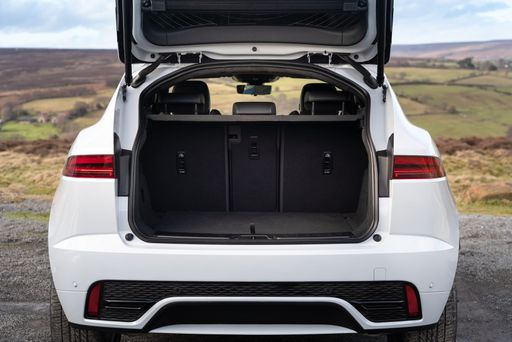
When it comes to boot capacity, the Jaguar E-Pace offers 494 L, while the Genesis G90 provides 368 L – depending on how much space you need. If you’re looking for more power, decide whether the 269 HP of the Jaguar E-Pace or the 415 HP of the Genesis G90 suits your needs better.
In terms of consumption, the values are 1.40 L per 100 km for the Jaguar E-Pace, and 11 L for the Genesis G90.
Price-wise, the Jaguar E-Pace starts at 32400 £, while the Genesis G90 is available from 96200 £. Compare all the details and find out which model fits your lifestyle best!
Jaguar E-Pace
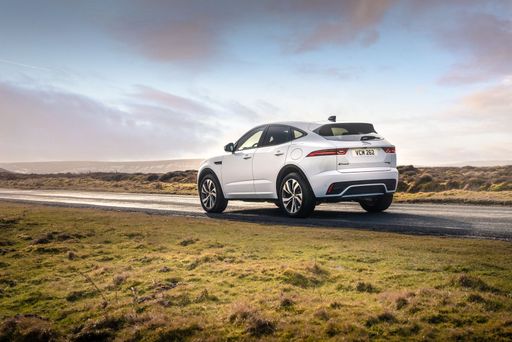
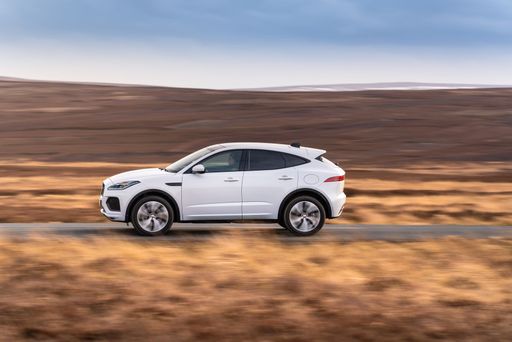
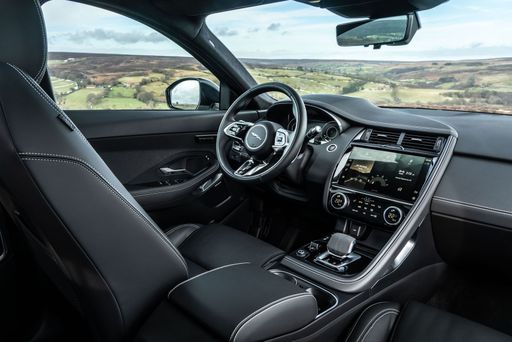
The Jaguar E-Pace is a compact SUV that combines the brand's signature luxury with a dynamic driving experience. Its sleek design features graceful lines and an assertive stance, making it a standout on any road. Inside, the E-Pace boasts a meticulously crafted interior with high-quality materials and advanced technology, providing both comfort and connectivity for drivers and passengers alike.
details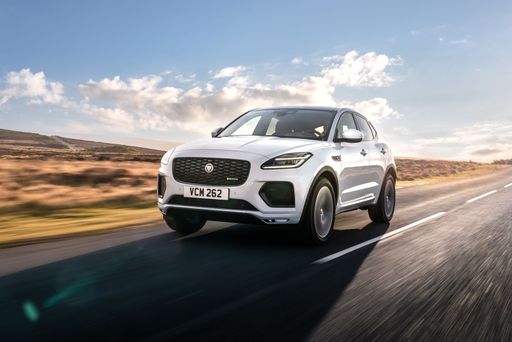 @ media.jaguar.com
 @ media.jaguar.com
 @ media.jaguar.com
 @ media.jaguar.com
 @ media.jaguar.com
Genesis G90
The Genesis G90 exudes a sense of luxury and sophistication, capturing attention with its elegant design and meticulous craftsmanship. Inside, the cabin is a sanctuary of comfort and advanced technology, offering a serene driving experience complemented by high-quality materials. The smooth performance and refined handling make the G90 a standout choice for those seeking a prestigious executive saloon.
details
Jaguar E-Pace
Genesis G90
|
|
|
|
|
|
Costs and Consumption |
|
|---|---|
|
Price
32400 - 56100 £
|
Price
96200 - 108200 £
|
|
Consumption L/100km
1.4 - 8.2 L
|
Consumption L/100km
11 L
|
|
Consumption kWh/100km
-
|
Consumption kWh/100km
-
|
|
Electric Range
69 km
|
Electric Range
-
|
|
Battery Capacity
11.50 kWh
|
Battery Capacity
-
|
|
co2
33 - 185 g/km
|
co2
248 g/km
|
|
Fuel tank capacity
56 - 67 L
|
Fuel tank capacity
73 L
|
Dimensions and Body |
|
|---|---|
|
Body Type
SUV
|
Body Type
Sedan
|
|
Seats
5
|
Seats
4 - 5
|
|
Doors
5
|
Doors
4
|
|
Curb weight
1783 - 2173 kg
|
Curb weight
2260 - 2470 kg
|
|
Trunk capacity
494 L
|
Trunk capacity
368 L
|
|
Length
4395 mm
|
Length
5275 - 5465 mm
|
|
Width
1984 mm
|
Width
1930 mm
|
|
Height
1648 mm
|
Height
1490 mm
|
|
Payload
497 - 554 kg
|
Payload
370 - 505 kg
|
Engine and Performance |
|
|---|---|
|
Engine Type
Plugin Hybrid, Diesel MHEV, Petrol MHEV
|
Engine Type
Petrol MHEV
|
|
Transmission
Automatic
|
Transmission
Automatic
|
|
Transmission Detail
Automatic Gearbox
|
Transmission Detail
Automatic Gearbox
|
|
Drive Type
All-Wheel Drive, Front-Wheel Drive
|
Drive Type
All-Wheel Drive
|
|
Power HP
160 - 269 HP
|
Power HP
415 HP
|
|
Acceleration 0-100km/h
7.3 - 10.5 s
|
Acceleration 0-100km/h
5.2 - 5.4 s
|
|
Max Speed
190 - 211 km/h
|
Max Speed
250 km/h
|
|
Torque
260 - 540 Nm
|
Torque
549 Nm
|
|
Number of Cylinders
3 - 4
|
Number of Cylinders
6
|
|
Power kW
118 - 198 kW
|
Power kW
305 kW
|
|
Engine capacity
1498 - 1998 cm3
|
Engine capacity
3470 cm3
|
General |
|
|---|---|
|
Model Year
2024
|
Model Year
2023
|
|
CO2 Efficiency Class
B, G
|
CO2 Efficiency Class
G
|
|
Brand
Jaguar
|
Brand
Genesis
|
Jaguar E-Pace
The Jaguar E-Pace: A Modern Marvel in Compact SUV Design
The Jaguar E-Pace stands as a testament to the evolution of compact SUVs, merging classic design elements with cutting-edge technology. For those who appreciate the Jaguar pedigree, the E-Pace offers a blend of performance, style, and practicality that is hard to rival in its class.
Performance and Powertrain Options
Under the bonnet, the Jaguar E-Pace showcases a range of powertrains that cater to various driving preferences. Potential buyers can choose from plug-in hybrids, diesel mild-hybrids, and petrol mild-hybrids, each offering a unique balance of efficiency and power. The available engine options span from 160 to 269 PS, ensuring that drivers can select a model that suits their need for speed and fuel efficiency. Across the range, the acceleration from 0-100 km/h varies between a brisk 7.3 seconds to a more leisurely 10.5 seconds, showcasing versatility in design to meet different driving styles.
Innovative Hybrid Technologies
Jaguar's commitment to sustainability is evident in the E-Pace's hybrid offerings. The P270e Plug-in Hybrid variant combines performance with eco-friendly engineering, boasting a remarkable fuel consumption of just 1.4 L/100km and an all-electric range of up to 69 km. Meanwhile, the diesel mild-hybrids provide a balanced mix of efficiency and traditional power, catering to those who favour diesel engines' long-haul credibility with carbon emissions ranging from a low 33 g/km.
Dynamic Handling and Intelligent All-Wheel Drive
Driving dynamics are at the heart of the E-Pace's design. Jaguar's Intelligent All-Wheel Drive ensures optimal performance across various terrains, enhancing both stability and agility. For those seeking a dynamic driving experience, the R-Dynamic packages add a sporty flair, elevating both aesthetic and on-road performance.
Interior Sophistication and Practicality
The interior of the E-Pace reflects Jaguar's attention to detail, offering a meticulously crafted cabin that combines luxury with functionality. Supporting up to five passengers comfortably, it provides advanced infotainment systems and high-quality materials throughout. The 494-litre boot space ensures ample room for luggage, making it a practical choice for everyday use or weekend getaways.
A Focus on Safety and Driver Assistance
Safety remains at the forefront of the E-Pace's features, with an array of driver-assistance systems designed to enhance security and ease of driving. From adaptive cruise control to lane-keeping assist, the vehicle is equipped to handle the demands of modern motoring.
Conclusion: The Ideal Compact SUV
The Jaguar E-Pace is more than just a statement of style; it's a comprehensive package that addresses the needs of the modern driver. With a price range from €37,800 to €65,500, the E-Pace strikes a balance between luxury and practicality, making it a compelling choice in the competitive compact SUV market.
Genesis G90
Introducing the Genesis G90: Redefining Luxury and Innovation
In the realm of luxury automobiles, the Genesis G90 stands as a testament to innovation, elegance, and performance. With state-of-the-art engineering and sophisticated design, this vehicle exemplifies the best of contemporary luxury motoring. Whether it's the long wheelbase (LWB) or the short wheelbase (SWB) variants, the Genesis G90 offers a harmonious blend of power and refinement.
Performance and Dynamics
Under the bonnet, the Genesis G90 is powered by a potent 3.5-litre V6 engine, paired with a cutting-edge mild-hybrid system. Delivering an impressive 415 PS and 549 Nm of torque, it ensures swift acceleration, with the vehicle sprinting from 0 to 100 km/h in just 5.2 to 5.4 seconds. The top speed of 250 km/h is achieved with ease, supported by the seamless shifting of an advanced automatic transmission. The all-wheel-drive system ensures optimal traction and stability, making the G90 a joy to drive under varied conditions.
Efficiency Meets Power
With an average fuel consumption of 11 litres per 100 kilometres, the Genesis G90 strikes a commendable balance between performance and efficiency. Despite its powerful performance characteristics, the vehicle maintains a CO2 emission rating of 248 g/km, aligning with modern standards for environmental consideration in luxury vehicles.
Luxury Interiors Designed for Comfort
Step inside the Genesis G90, and you're enveloped in an oasis of luxury. The vehicle accommodates anywhere from four to five passengers, depending on the trim chosen. Crafted with the finest materials, the interior features sophisticated detailing, state-of-the-art technology, and a suite of amenities that define a truly luxurious driving experience. Whether it's the exquisite leather upholstery or the meticulously designed control layout, every element speaks to enhanced comfort and sophistication.
Advanced Technology and Safety Features
Genesis has equipped the G90 with an array of advanced technological features to enhance both safety and convenience. The intuitive infotainment system, coupled with premium sound options and connectivity features, ensures that entertainment and information are always at your fingertips. Safety remains paramount, with the inclusion of comprehensive driver-assistance systems, ensuring peace of mind on every journey.
Striking Exterior Design
The Genesis G90's design is both bold and elegant, with a length between 5275 and 5465 mm, and a consistent width of 1930 mm. Its commanding presence is accentuated by sleek lines and a distinctive front grille. The aerodynamically efficient design not only contributes to the car’s aesthetic appeal but also aids in achieving optimal performance characteristics.
Practicality Meets Design
The G90 doesn’t compromise on practicality. With a boot space of 368 litres and a maximum payload capacity up to 505 kg, it accommodates the diverse needs of luxury car owners, ensuring that style and functionality go hand in hand.
Final Thoughts
The Genesis G90 is more than just a luxury sedan. It is a celebration of innovation, performance, and elegance. From its powerful engine to its plush interiors, every detail is crafted to perfection, providing a driving experience that is both exhilarating and comfortable. For those seeking the epitome of luxury with a modern twist, the Genesis G90 stands tall among its contemporaries, redefining what a luxury sedan should be.
The prices and data displayed are estimates based on German list prices and may vary by country. This information is not legally binding.