VS

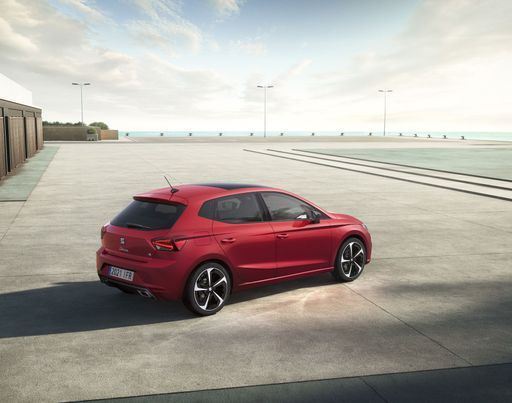
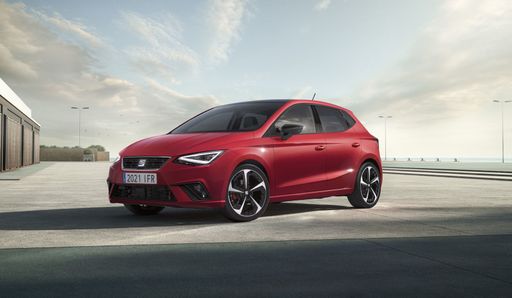
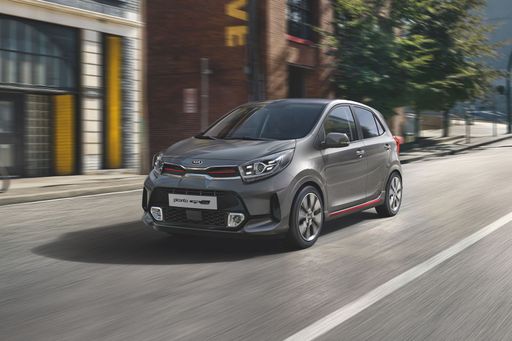
Kia Picanto vs SEAT Ibiza comparison

Compare performance (68 HP vs 150 HP), boot space and price (15,100 £ vs 16,800 £ ) at a glance. Find out which car is the better choice for you – Kia Picanto or SEAT Ibiza?

Kia Picanto vs SEAT Ibiza: Key differences

Kia Picanto

4.4 (4 Reviews)
rate
  • somewhat cheaper
details

SEAT Ibiza

4.1 (1 Reviews)
rate
  • significantly more power
  • very slightly more efficient
  • significantly quicker 0–100 km/h
  • barely lighter
  • noticeably more trunk space
details

All details on performance, efficiency, range and trunk space can be found in the technical comparison below – including user reviews for both models.

By Achim Sedelmaier

Picanto

Overview: Kia Picanto VS SEAT Ibiza — city specialist vs. everyday all‑rounder

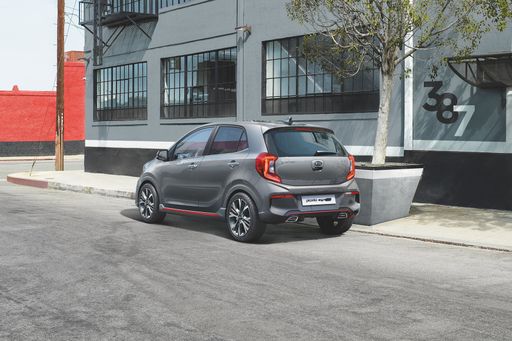
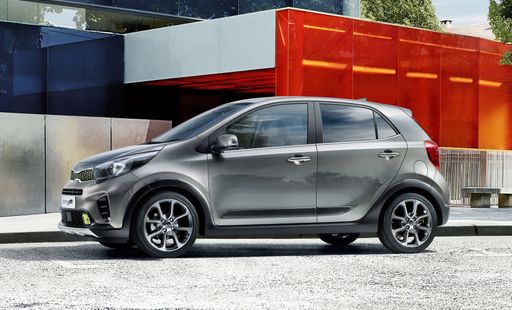
Kia Picanto VS SEAT Ibiza present two different takes on the small car: the Picanto maximizes city ease while the Ibiza stretches toward everyday usability. On paper they sit close in size, but in daily use the differences show up as personality rather than mere dimensions. The Picanto feels compact, intuitive and unpretentious; the Ibiza feels roomier, more assured and willing to tackle longer trips. This piece focuses on what owners actually feel every day — comfort, cabin usability, long‑distance temperament and who will be happiest behind the wheel.
Ibiza

Driving character: nimble town car or composed small hatch

The Kia Picanto is a true city specialist, its tiny footprint and direct low‑speed steering making lane changes and tight parking almost trivial. The SEAT Ibiza trades some of that fingertip nimbleness for a steadier, more communicative chassis that rewards open roads and winding B‑roads. Where the Picanto feels light and eager in town, the Ibiza gives more confidence when you press on because it has noticeably stronger acceleration and composure. That means Picanto owners get daily convenience and ease of use, while Ibiza buyers get a more flexible car that won’t feel out of its depth beyond the inner ring road.

Picanto

Comfort and long‑distance behavior: short trips vs. sustained cruising

On short hops the Picanto’s seats and suspension are perfectly adequate, but on sustained motorway stints its engine note and higher revs become tiring compared with the Ibiza. The SEAT Ibiza is the more relaxed partner for regular distances thanks to more torque and transmission options that keep revs lower and the cabin calmer. Ride comfort depends on wheel size and suspension tune — the Picanto is forgiving at low speeds, the Ibiza can be firmer if specced with sportier wheels yet feels more composed at speed. Put simply: city commutes suit the Picanto; frequent A‑road or motorway work favors the Ibiza’s quieter, more grown‑up manner.

Ibiza

Practicality and usability: packaging wins vs. outright space

Practical differences are obvious in day‑to‑day life: the SEAT Ibiza offers significantly more rear legroom and a larger boot, which changes how you load prams, suitcases or weekly shopping. The Kia Picanto surprises with a smartly packaged boot for its size and useful folding seats, but rear space remains tight for adults and long trips. For families or anyone who regularly carries passengers and luggage, the Ibiza removes small hassles like too‑many trips to the car because it simply swallows more without creative packing. If you live in the city, park on-street and rarely haul big items, the Picanto’s compactness and easy manoeuvrability are decisive advantages.

Picanto

Cabin feel and infotainment: functional simplicity vs. slightly more polish

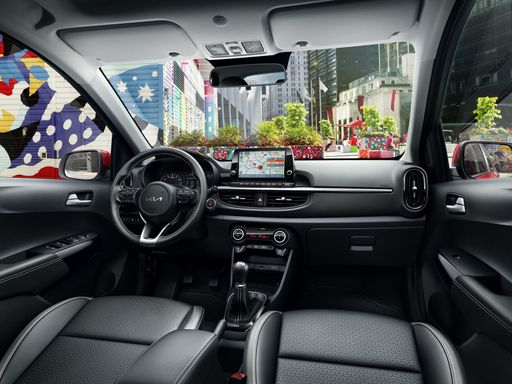
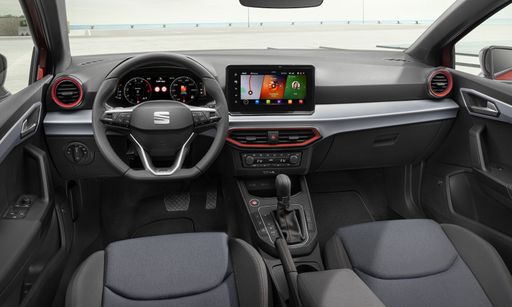
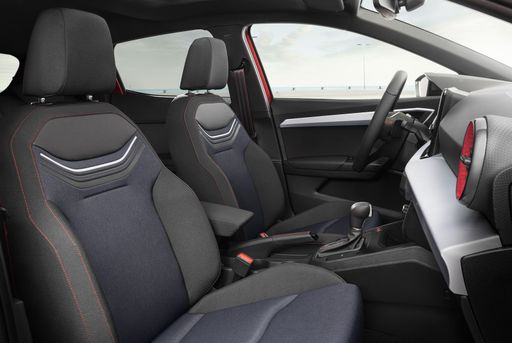
Inside, the Kia Picanto leans toward functional simplicity with hard plastics and a button‑forward layout that feels durable and easy to use under everyday pressure. The SEAT Ibiza aims for a slightly more mature impression — more soft‑touch surfaces where it counts and a roomier cockpit that feels less crowded. Both keep sensible physical controls for climate, but the Ibiza’s infotainment can be slower to wake up while the Picanto’s system is straightforward and reliable in routine use. Overall perceived quality tilts toward the Ibiza because of space and fit, yet the Picanto’s tidy ergonomics and long warranty deliver a reassuringly sensible cabin experience.

Ibiza

Buyer fit and trade‑offs: who should steer which car next?

If your life is urban, parking scarce and journeys short, the Kia Picanto fits like a glove: low running costs, easy manoeuvring and a worry‑free warranty make it a pragmatic city choice. The SEAT Ibiza suits buyers who need real rear‑seat space, a bigger boot and a more relaxed motorway demeanour, so it’s the better pick for small families and regular out‑of‑town drives. Budget city shoppers will value the Picanto’s compact usability, while those who frequently carry people or luggage will appreciate the Ibiza’s practicality and composure. Below you’ll find the technical comparison that explains how engines, gearboxes and dimensions create these everyday differences.

Here’s where it gets real: The technical differences in detail

Picanto

Costs and Efficiency:

Price and efficiency are key factors when choosing a car – and this is often where the real differences emerge.

Kia Picanto is somewhat cheaper – starting at 15,100 £ , while the SEAT Ibiza costs 16,800 £ . That’s a price difference of around 1,765 £.

Fuel consumption also shows a difference: the SEAT Ibiza uses 5 L/100km and is very slightly more efficient than the Kia Picanto with 5.5 L/100km. The difference is about 0.5 L/100km.

Ibiza

Engine and Performance:

Power, torque and acceleration are the classic benchmarks for car enthusiasts – and here, some clear differences start to show.

When it comes to engine power, the SEAT Ibiza offers significantly more power – delivering 150 HP compared to 68 HP. That’s roughly 82 HP more horsepower.

When accelerating from 0 to 100 km/h, the SEAT Ibiza is significantly quicker – completing the sprint in 8.1 s, while the Kia Picanto takes 14.6 s. That’s about 6.5 s quicker.

There’s also a difference in torque: the SEAT Ibiza delivers substantially more torque with 250 Nm compared to 96 Nm. That’s about 154 Nm more.

Picanto

Space and Everyday Use:

Cabin size, boot volume and payload all play a role in everyday practicality. Here, comfort and flexibility make the difference.

Both vehicles offer seating for 5 people.

In terms of curb weight, SEAT Ibiza is barely lighter – 1,111 kg compared to 1,124 kg. The difference is around 13 kg.

Looking at boot space, the SEAT Ibiza offers noticeably more boot space – 355 L compared to 255 L. That’s a difference of about 100 L.

When it comes to payload, the SEAT Ibiza carries noticeably more – 522 kg compared to 332 kg. That’s a difference of about 190 kg.

Who wins the race in the data check?

The SEAT Ibiza is decisively ahead in the objective data comparison.
This result only shows which model scores more points on paper – not which of the two cars feels right for you.

from £16,800
Ibiza

SEAT Ibiza

  • Engine Type Petrol
  • Transmission Manuel, Automatic
  • Drive Type Front-Wheel Drive
  • Power HP 80 - 150 HP
  • Consumption L/100km 5 - 5.7 L/100km
Kia Picanto
SEAT Ibiza

Costs and Consumption

View detailed analysis

Engine and Performance

View detailed analysis

Dimensions and Body

View detailed analysis

Kia Picanto

Kia Picanto is a cheeky city hatch that squeezes surprising style, practicality and a smile-inducing drive into a pocket-friendly package. It’s ideal for urban buyers who want fuss-free running, effortless parking and a car that punches above its class without pretending to be anything it’s not.

details

SEAT Ibiza

The SEAT Ibiza is a cheeky, well-priced hatchback that blends sharp styling with a grown-up driving character, making it a smart choice for city commuters who still want a bit of fun. Inside it's practical and neatly finished, with sensible kit and easygoing manners that make everyday life less fussy — a car that doesn't try too hard but gets the job done with a smile.

details
Kia Picanto
SEAT Ibiza

Costs and Consumption

Price
15,100 - 19,500 £
Price
16,800 - 28,600 £
Consumption L/100km
5.5 - 5.9 L/100km
Consumption L/100km
5 - 5.7 L/100km
Consumption kWh/100km
-
Consumption kWh/100km
-
Electric Range
-
Electric Range
-
Battery Capacity
-
Battery Capacity
-
co2
126 - 134 g/km
co2
114 - 128 g/km
Fuel tank capacity
-
Fuel tank capacity
-

Dimensions and Body

Body Type
Hatchback
Body Type
Hatchback
Seats
4 - 5
Seats
5
Doors
-
Doors
-
Curb weight
1,124 - 1,131 kg
Curb weight
1,111 - 1,231 kg
Trunk capacity
255 L
Trunk capacity
355 L
Length
-
Length
-
Width
1,595 mm
Width
1,780 mm
Height
-
Height
-
Max trunk capacity
-
Max trunk capacity
-
Payload
253 - 332 kg
Payload
489 - 522 kg

Engine and Performance

Engine Type
Petrol
Engine Type
Petrol
Transmission
Manuel, Automatic
Transmission
Manuel, Automatic
Transmission Detail
Manual Gearbox, Automated Manual
Transmission Detail
Manual Gearbox, Dual-Clutch Automatic
Drive Type
Front-Wheel Drive
Drive Type
Front-Wheel Drive
Power HP
68 HP
Power HP
80 - 150 HP
Acceleration 0-100km/h
14.6 - 17.2 s
Acceleration 0-100km/h
8.1 - 15.3 s
Max Speed
-
Max Speed
-
Torque
96 Nm
Torque
95 - 250 Nm
Number of Cylinders
3
Number of Cylinders
3 - 4
Power kW
50 kW
Power kW
59 - 110 kW
Engine capacity
998 cm3
Engine capacity
999 - 1,498 cm3

General

Model Year
2025
Model Year
2025
CO2 Efficiency Class
D
CO2 Efficiency Class
D, C
Brand
Kia
Brand
SEAT
DriveDuel uses data analysis and artificial intelligence to evaluate vehicle data and create content. Content is regularly reviewed and improved. The displayed prices are estimates based on German list prices, adjusted to the respective country’s VAT. Country-specific registration taxes are not included. This information is not legally binding.