VS

Land Rover Range Rover Sport vs Lotus Eletre - Differences and prices compared

Compare performance (635 HP vs 918 HP), boot space and price (78600 £ vs 85700 £ ) at a glance. Find out which car is the better choice for you – Land Rover Range Rover Sport or Lotus Eletre?

Range Rover Sport

When it comes to the luxury SUV segment, few comparisons are as intriguing as that of the Land Rover Range Rover Sport and the Lotus Eletre. Both vehicles command attention with their sleek aesthetics, innovative technologies, and impressive performance capabilities. This article delves deep into the technical aspects and innovations of each model, helping you determine which SUV stands out in today’s competitive market.
Eletre

Design and Dimensions: Aesthetic Appeal

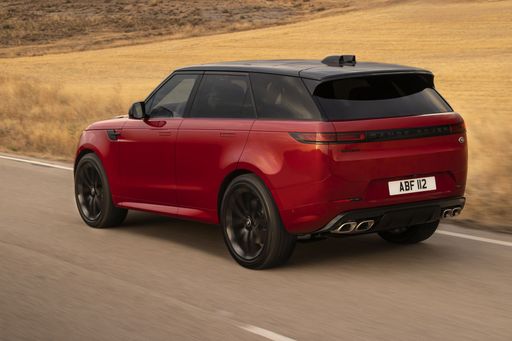
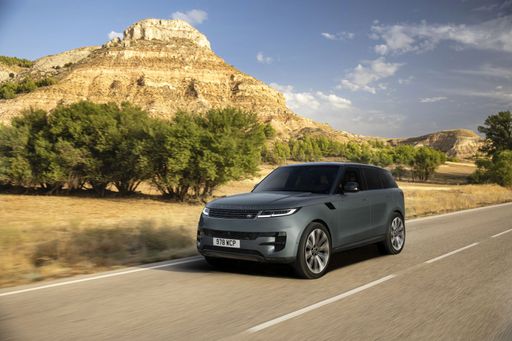
The Land Rover Range Rover Sport, measuring between 4946 mm and 4970 mm in length, showcases a robust and muscular design typical of the Land Rover brand. With a height of 1814 mm and a width of 2043 mm, it emphasizes a commanding road presence. The SUV’s design incorporates sleek lines and an aggressive look, accentuated by its bold grille and distinctive LED lighting.

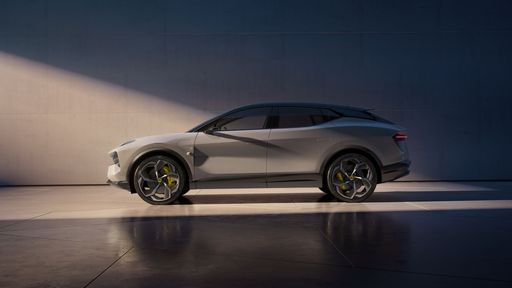
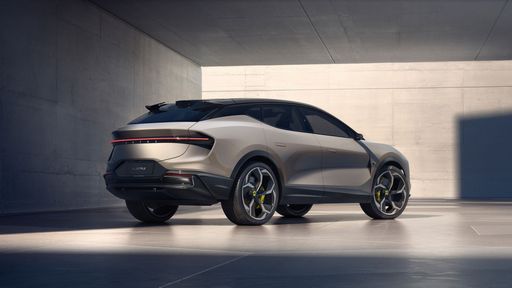
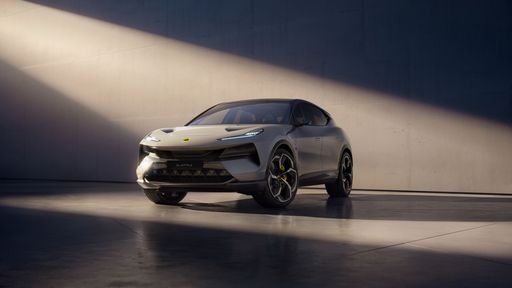
On the other hand, the Lotus Eletre brings a more dynamic approach to SUV aesthetics. At 5103 mm long, 2135 mm wide, and a considerably lower height of 1630 mm, it presents a sporty silhouette that is unmistakably aggressive. The Eletre’s design is not merely for show; it also enhances aerodynamics, allowing for improved efficiency and performance.

Range Rover Sport

Powertrain: Engine vs. Electric

The Range Rover Sport offers a variety of engine options, including Diesel MHEV, Plugin Hybrid, and Petrol MHEV engines, ranging from 249 HP to a whopping 635 HP. Coupled with an automatic gearbox and all-wheel drive, this SUV provides excellent torque ranging from 570 Nm to 800 Nm, allowing for spirited acceleration from 0 to 100 km/h in as little as 3.9 seconds, depending on the selected engine.

In contrast, the Lotus Eletre is wholly electric, delivering a massive power range starting at 612 HP to an astonishing 918 HP. Its electric drivetrain has a torque output that peaks at 985 Nm, enabling a thrilling 0 to 100 km/h acceleration in just 3 seconds. The Eletre’s Torque makes it one of the fastest in its category, reaffirming Lotus's commitment to performance.

Eletre

Range and Efficiency: Traditional vs. Electric

One of the notable distinctions between these two models lies in their fuel consumption. The Range Rover Sport offers efficiency levels ranging from 7.2 L/100km to 12.5 L/100km, alongside impressive electric ranges of 115 km to 122 km for its hybrid versions. The vehicle's fuel tank capacity also varies, with the largest option accommodating up to 90 L, allowing for longer journeys without frequent refueling stops.

Conversely, the Lotus Eletre presents an electric range of up to 600 km, making it a more practical option for daily commutes and longer road trips without the worry of frequent charging interruptions. The Eletre has a commendable energy efficiency, achieving a CO2 efficiency class rating of A, showcasing its environmental consciousness.

Range Rover Sport

Interior and Technology: Luxury and Innovation

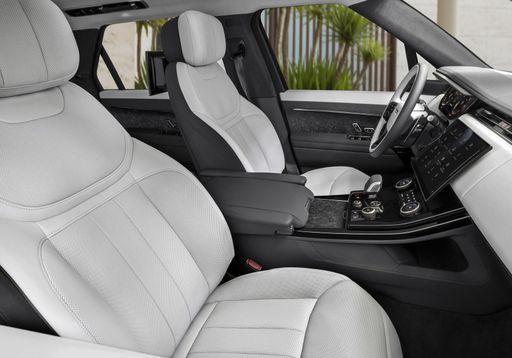
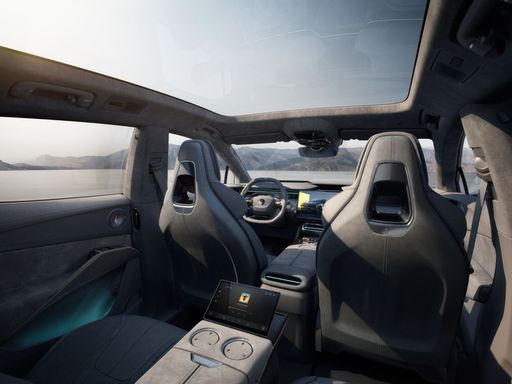
Inside the Range Rover Sport, one will find a spacious and luxurious five-seater arrangement with a trunk space of up to 647 L. The cabin is laden with high-quality materials and cutting-edge technology, including a fully digital dashboard, advanced infotainment systems, and a host of driver-assist features to elevate the driving experience.

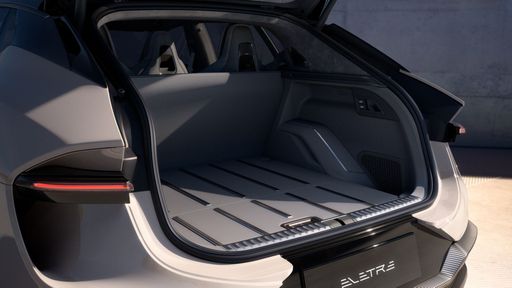
The Lotus Eletre does not fall short in this category either. It provides a minimalist yet high-tech interior design, featuring a five-seat layout with an impressive trunk capacity of 688 L. The cabin is equipped with an advanced infotainment system and smart integrations, ensuring that drivers and passengers enjoy a modern and connected experience.

Eletre

Conclusion: Which SUV Reigns Supreme?

In the ultimate showdown of luxury SUVs, the Land Rover Range Rover Sport and the Lotus Eletre present buyers with distinct, yet compelling advantages. The Range Rover Sport appeals to traditional SUV enthusiasts seeking versatility with its diverse powertrain options and undeniable luxury.

Meanwhile, the Lotus Eletre represents the future with its all-electric drive and exhilarating performance figures, catering to eco-conscious drivers who refuse to compromise on speed and aesthetics. Ultimately, the choice between these two remarkable SUVs will depend on personal preferences, driving habits, and priorities, but one thing is clear: both vehicles are exemplary innovators on the forefront of the automotive industry.

Land Rover Range Rover Sport

Lotus Eletre

Here’s where it gets real: The technical differences in detail

Costs and Efficiency:

Price and efficiency are often the first things buyers look at. Here it becomes clear which model has the long-term edge – whether at the pump, the plug, or in purchase price.

Land Rover Range Rover Sport has a hardly perceptible advantage in terms of price – it starts at 78600 £ , while the Lotus Eletre costs 85700 £ . That’s a price difference of around 7105 £.

As for electric range, the Lotus Eletre performs convincingly better – achieving up to 570 km, about 452 km more than the Land Rover Range Rover Sport.

Engine and Performance:

Power, torque and acceleration say a lot about how a car feels on the road. This is where you see which model delivers more driving dynamics.

When it comes to engine power, the Lotus Eletre has a distinct edge – offering 918 HP compared to 635 HP. That’s roughly 283 HP more horsepower.

In acceleration from 0 to 100 km/h, the Lotus Eletre is noticeable quicker – completing the sprint in 3 s, while the Land Rover Range Rover Sport takes 3.80 s. That’s about 0.80 s faster.

There’s also a difference in torque: Lotus Eletre pulls to a small extent stronger with 985 Nm compared to 800 Nm. That’s about 185 Nm difference.

Space and Everyday Use:

Beyond pure performance, interior space and usability matter most in daily life. This is where you see which car is more practical and versatile.

Both vehicles offer seating for 5 people.

In curb weight, Land Rover Range Rover Sport is barely noticeable lighter – 2390 kg compared to 2565 kg. The difference is around 175 kg.

In terms of boot space, the Lotus Eletre offers slight more room – 688 L compared to 647 L. That’s a difference of about 41 L.

When it comes to payload, Land Rover Range Rover Sport clearly takes the win – 830 kg compared to 485 kg. That’s a difference of about 345 kg.

Who wins the race in the data check?

The Lotus Eletre is decisively ahead in the objective data comparison.
This result only shows which model scores more points on paper – not which of the two cars feels right for you.

Land Rover Range Rover Sport
Lotus Eletre

Costs and Consumption

View detailed analysis

Engine and Performance

View detailed analysis

Dimensions and Body

View detailed analysis
from about £85,700
Eletre

Lotus Eletre

  • Engine Type : Electric
  • Transmission : Automatic
  • Drive Type : All-Wheel Drive
  • Power HP : 612 - 918 HP
  • Consumption kWh/100km : 22.5 - 28.3 kWh
  • Electric Range : 450 - 570 km

Land Rover Range Rover Sport

The Range Rover Sport pairs unapologetic presence with genuine capability, looking like it belongs on a red carpet while quietly promising to tackle rough tracks when called upon. Inside, the cabin pampers with plush materials and thoughtful tech, making it an irresistible choice for buyers who want luxury, confidence and a touch of adventure.

details

Lotus Eletre

The Lotus Eletre is a bold, electric SUV that finally lets Lotus step into the luxury EV arena without losing the brand's famed focus on razor-sharp handling and driver engagement. Inside, it pairs a futuristic, tech-heavy cabin with surprising comfort and poise — think of a sports car in evening wear, ready to sprint yet polite enough for the school run.

details
Land Rover Range Rover Sport
Lotus Eletre

Costs and Consumption

Price
78600 - 175700 £
Price
85700 - 138000 £
Consumption L/100km
2.7 - 11.7 L
Consumption L/100km
-
Consumption kWh/100km
-
Consumption kWh/100km
22.5 - 28.3 kWh
Electric Range
116 - 118 km
Electric Range
450 - 570 km
Battery Capacity
-
Battery Capacity
109 kWh
co2
61 - 266 g/km
co2
0 g/km
Fuel tank capacity
-
Fuel tank capacity
-

Dimensions and Body

Body Type
SUV
Body Type
SUV
Seats
5
Seats
5
Doors
-
Doors
4
Curb weight
2390 - 2810 kg
Curb weight
2565 - 2745 kg
Trunk capacity
647 L
Trunk capacity
688 L
Length
-
Length
5103 mm
Width
2043 mm
Width
2060 mm
Height
-
Height
1630 mm
Max trunk capacity
-
Max trunk capacity
1532 L
Payload
640 - 830 kg
Payload
405 - 485 kg

Engine and Performance

Engine Type
Plugin Hybrid, Petrol MHEV, Diesel MHEV
Engine Type
Electric
Transmission
Automatic
Transmission
Automatic
Transmission Detail
Automatic Gearbox
Transmission Detail
Reduction Gearbox
Drive Type
All-Wheel Drive
Drive Type
All-Wheel Drive
Power HP
249 - 635 HP
Power HP
612 - 918 HP
Acceleration 0-100km/h
3.8 - 7.7 s
Acceleration 0-100km/h
3 - 4.5 s
Max Speed
-
Max Speed
258 - 265 km/h
Torque
570 - 800 Nm
Torque
710 - 985 Nm
Number of Cylinders
6 - 8
Number of Cylinders
-
Power kW
183 - 467 kW
Power kW
450 - 675 kW
Engine capacity
2997 - 4395 cm3
Engine capacity
-

General

Model Year
2025
Model Year
2025
CO2 Efficiency Class
B, G
CO2 Efficiency Class
A
Brand
Land Rover
Brand
Lotus
Is the Land Rover Range Rover Sport offered with different drivetrains?

The Land Rover Range Rover Sport is offered with All-Wheel Drive.

The prices shown are estimates based on German list prices, adjusted for local VAT. Local registration taxes (e.g. NoVA, BPM or CO2 malus) are not included. This information is not legally binding.