VS

Lexus LBX vs VW Golf Variant comparison

Compare performance (136 HP vs 333 HP), boot space and price (28,300 £ vs 26,100 £ ) at a glance. Find out which car is the better choice for you – Lexus LBX or VW Golf Variant?

Lexus LBX vs VW Golf Variant: Key differences

Lexus LBX

5 (2 Reviews)
rate
  • only slightly lighter

VW Golf Variant

  • marginally cheaper
  • clearly more power
  • barely more efficient
  • significantly quicker 0–100 km/h

All details on performance, efficiency, range and trunk space can be found in the technical comparison below – including user reviews for both models.

LBX

A Clash of Compact Creativity: Lexus LBX vs. VW Golf Variant

The automotive market is in constant evolution, with manufacturers striving to blend performance, comfort, and innovation in increasingly creative ways. In the compact car segment, both the Lexus LBX and the VW Golf Variant have taken substantial strides, catering to the needs of modern drivers. This article provides an in-depth comparison of these two vehicles, focusing on their technical specifications, innovative features, design, and overall driving experience.
Golf Variant

Design and Dimensions

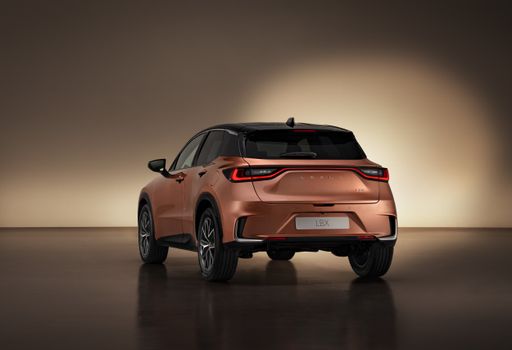
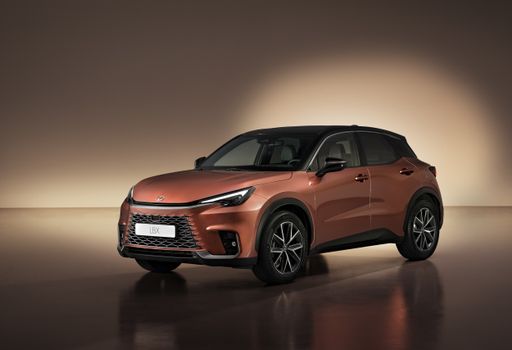
The Lexus LBX adopts a sleek SUV profile, measuring 4,190 mm in length, 1,825 mm in width, and standing at a height of 1,560 mm. Its compact size is complemented by a bold front grille and distinctive LED lighting—characteristics that embody the modern Lexus ethos.

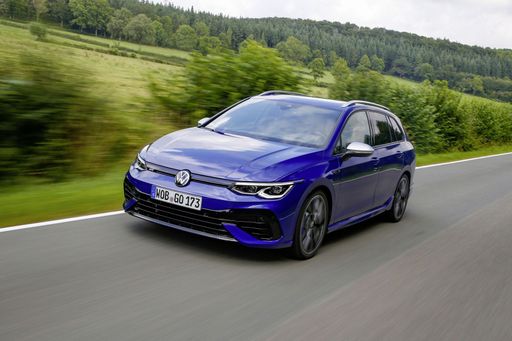
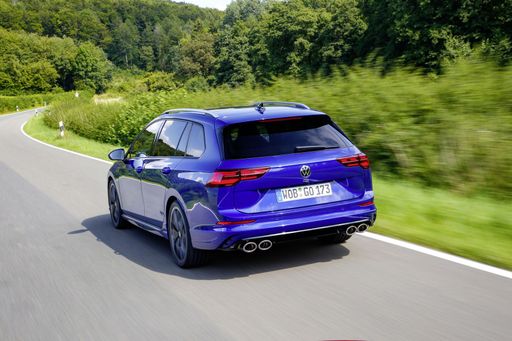
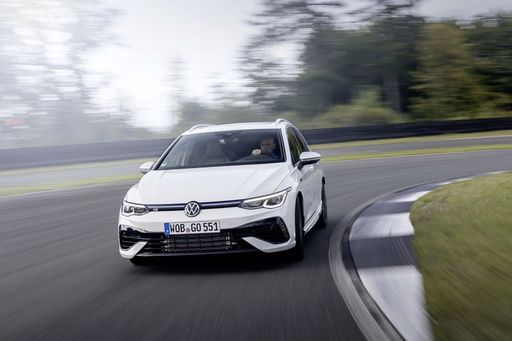
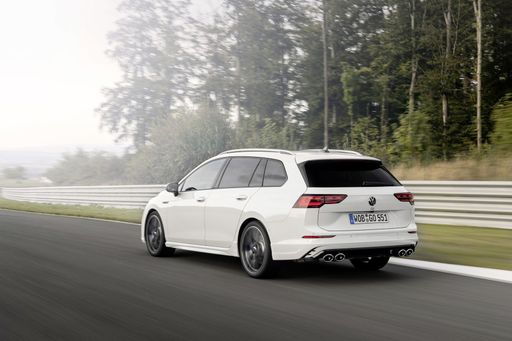
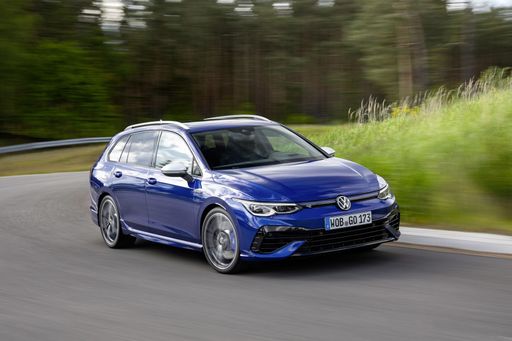
In contrast, the VW Golf Variant presents as a longer wagon, spanning 4,631 mm in length, 1,789 mm in width, and a more modest height of 1,487 mm. This larger footprint not only increases interior space but also enhances practicality for those needing more cargo capacity and passenger room.

LBX

Engine Options and Performance

Performance-wise, the Lexus LBX features a full hybrid engine that outputs 136 HP, with torque peaking at 185 Nm. The powertrain’s efficiency is notable, providing a fuel consumption rating of just 4.5 L/100 km, which positions it as one of the most economical options in its class. It also boasts a front-wheel and all-wheel drive capability, delivering 0-100 km/h acceleration in approximately 9.2 seconds.

The VW Golf Variant offers a wider range of engine options, including petrol, petrol MHEV (mild hybrid), and diesel engines. The most powerful variant squeezes out 333 HP, while the lower-end engines deliver between 116 HP to 150 HP, with torque ratings varying from 220 Nm to 420 Nm. With a maximum speed reaching up to 250 km/h, the Golf Variant asserts a performance-oriented nature. Fuel consumption ranges from 4.4 to 8.5 L/100 km depending on the engine, making it versatile depending on driver preference.

Golf Variant

Interior Comfort and Technology

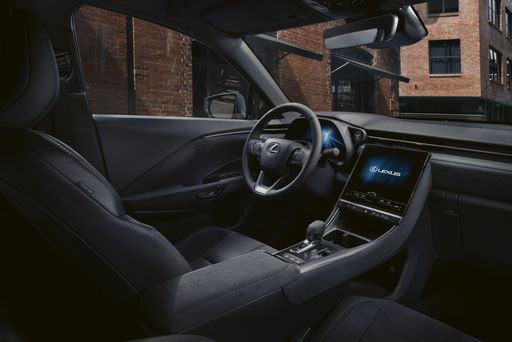
Inside, the Lexus LBX is designed with a focus on luxury and comfort, emphasizing high-quality materials and cutting-edge technology. While offering seating for four, it prioritizes spaciousness and comfort, ensuring an upscale experience. The infotainment system is equipped with the latest features, including intuitive connectivity options and a premium sound system.

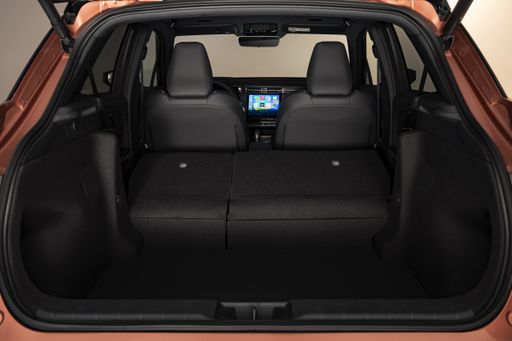
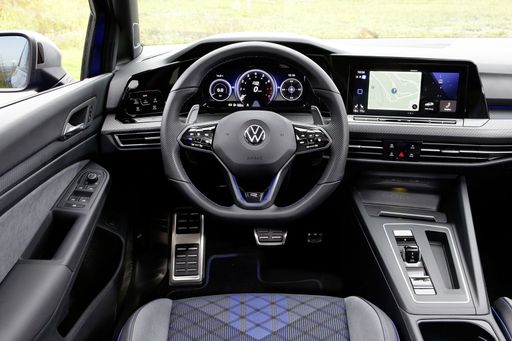
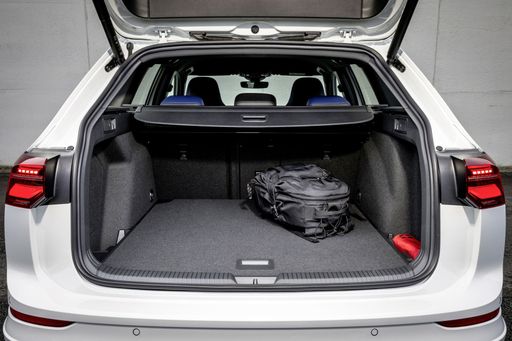
The VW Golf Variant provides seating for five and leans towards functionality without sacrificing style. Its trunk capacity of 611 L outshines the LBX’s cargo space of 332 L, making it an excellent choice for families or those with active lifestyles. The technology suite in the Golf Variant is equally impressive, offering a user-friendly infotainment system complete with advanced software and connectivity features.

LBX

Safety and Driving Experience

Both vehicles place a strong emphasis on safety, with advanced safety systems and driver aids. The Lexus LBX incorporates features like adaptive cruise control and lane-keeping assistance, making it a comfortable ride for daily commuting or long journeys alike.

Meanwhile, the VW Golf Variant excels with its adaptive driving features and electronic stability control, which enhances handling and ensures driver confidence in various conditions. The Golf’s driving dynamics are generally seen as sportier compared to the more comfort-focused LBX.

Golf Variant

Conclusion: Which One to Choose?

The choice between the Lexus LBX and the VW Golf Variant ultimately depends on the individual driver’s priorities. If luxury, hybrid efficiency, and a compact SUV feel appeal more to you, then the LBX is a worthy contender. However, if practicality, a broader range of powertrains, and driving enjoyment are what you seek, the Golf Variant stands out as an exceptional option.

With both vehicles set to make waves in the compact segment for the model year 2024, prospective buyers are encouraged to test drive both options to find the perfect fit for their lifestyle.

Here’s where it gets real: The technical differences in detail

LBX

Costs and Efficiency:

Looking at overall running costs, both models reveal some interesting differences in everyday economy.

VW Golf Variant is marginally cheaper – starting at 26,100 £ , while the Lexus LBX costs 28,300 £ . That’s a price difference of around 2,139 £.

Fuel consumption also shows a difference: the VW Golf Variant uses 4.3 L/100km and is barely more efficient than the Lexus LBX with 4.5 L/100km. The difference is about 0.2 L/100km.

Golf Variant

Engine and Performance:

Power, torque and acceleration are the classic benchmarks for car enthusiasts – and here, some clear differences start to show.

When it comes to engine power, the VW Golf Variant offers clearly more power – delivering 333 HP compared to 136 HP. That’s roughly 197 HP more horsepower.

When accelerating from 0 to 100 km/h, the VW Golf Variant is significantly quicker – completing the sprint in 4.8 s, while the Lexus LBX takes 9.2 s. That’s about 4.4 s quicker.

There’s also a difference in torque: the VW Golf Variant delivers substantially more torque with 420 Nm compared to 185 Nm. That’s about 235 Nm more.

LBX

Space and Everyday Use:

Cabin size, boot volume and payload all play a role in everyday practicality. Here, comfort and flexibility make the difference.

Both vehicles offer seating for 5 people.

In terms of curb weight, Lexus LBX is only slightly lighter – 1,280 kg compared to 1,366 kg. The difference is around 86 kg.

When it comes to payload, the VW Golf Variant carries a bit more – 547 kg compared to 475 kg. That’s a difference of about 72 kg.

Who wins the race in the data check?

The VW Golf Variant holds a decisive overall lead in the objective data comparison.
This result only shows which model scores more points on paper – not which of the two cars feels right for you.

from £26,100
Golf Variant

VW Golf Variant

  • Engine Type : Petrol MHEV, Petrol, Diesel
  • Transmission : Automatic, Manuel
  • Drive Type : Front-Wheel Drive, All-Wheel Drive
  • Power HP : 116 - 333 HP
  • Consumption L/100km : 4.3 - 8.2 L/100km
Lexus LBX
VW Golf Variant

Costs and Consumption

View detailed analysis

Engine and Performance

View detailed analysis

Dimensions and Body

View detailed analysis

Lexus LBX

The Lexus LBX wraps premium touches and a surprisingly spacious cabin into a compact crossover that’s perfectly at home in town or heading out on longer drives. It wears the badge with quiet confidence, serving up a refined ride and clever packaging for buyers who want Lexus polish without shouting for attention.

details

VW Golf Variant

The Golf Estate packs Volkswagen's familiar poise into a practical, grown-up estate that quietly makes everyday life easier without shouting for attention. It's clever, comfortable and roomy enough for weekend kit or family chaos, offering smart packaging and refined manners that make it a sensible and surprisingly stylish choice for buyers who need space but don't want a van.

details
Lexus LBX
VW Golf Variant

Costs and Consumption

Price
28,300 - 40,000 £
Price
26,100 - 48,700 £
Consumption L/100km
4.5 - 4.8 L/100km
Consumption L/100km
4.3 - 8.2 L/100km
Consumption kWh/100km
-
Consumption kWh/100km
-
Electric Range
-
Electric Range
-
Battery Capacity
-
Battery Capacity
-
co2
102 - 110 g/km
co2
114 - 185 g/km
Fuel tank capacity
-
Fuel tank capacity
45 - 55 L

Dimensions and Body

Body Type
SUV
Body Type
Estate
Seats
5
Seats
5
Doors
-
Doors
5
Curb weight
1,280 - 1,365 kg
Curb weight
1,366 - 1,621 kg
Trunk capacity
-
Trunk capacity
611 L
Length
-
Length
4,631 - 4,651 mm
Width
1,825 mm
Width
1,789 mm
Height
-
Height
1,462 - 1,487 mm
Max trunk capacity
-
Max trunk capacity
1,624 - 1,642 L
Payload
455 - 475 kg
Payload
489 - 547 kg

Engine and Performance

Engine Type
Full Hybrid
Engine Type
Petrol MHEV, Petrol, Diesel
Transmission
Automatic
Transmission
Automatic, Manuel
Transmission Detail
CVT
Transmission Detail
Dual-Clutch Automatic, Manual Gearbox
Drive Type
Front-Wheel Drive, All-Wheel Drive
Drive Type
Front-Wheel Drive, All-Wheel Drive
Power HP
136 HP
Power HP
116 - 333 HP
Acceleration 0-100km/h
9.2 - 9.6 s
Acceleration 0-100km/h
4.8 - 10.5 s
Max Speed
-
Max Speed
203 - 250 km/h
Torque
185 Nm
Torque
220 - 420 Nm
Number of Cylinders
3
Number of Cylinders
4
Power kW
100 kW
Power kW
85 - 245 kW
Engine capacity
1,490 cm3
Engine capacity
1,498 - 1,984 cm3

General

Model Year
2,025
Model Year
2,024 - 2,025
CO2 Efficiency Class
C
CO2 Efficiency Class
D, G, F, C
Brand
Lexus
Brand
VW
DriveDuel uses data analysis and artificial intelligence to evaluate vehicle data and create content. Content is regularly reviewed and improved. The displayed prices are estimates based on German list prices, adjusted to the respective country’s VAT. Country-specific registration taxes are not included. This information is not legally binding.