
 Deutschland
 France
 Nederland
 Great Britain
 Sverige
 Danmark
 Suomi
Suomi Italia
 Polska
 Česko
Česko España
VS
Lexus LS vs Nissan Leaf comparison
Compare performance (359 HP vs 217 HP), boot space and price (112,300 £ vs 30,800 £ ) at a glance. Find out which car is the better choice for you – Lexus LS or Nissan Leaf?
Lexus LS vs Nissan Leaf: Key differences
All details on performance, efficiency, range and trunk space can be found in the technical comparison below – including user reviews for both models.
LS
Costs and Efficiency:
Price and efficiency are often the first things buyers look at. Here it becomes clear which model has the long-term edge – whether at the pump, the plug, or in purchase price.
Nissan Leaf is significantly cheaper – starting at 30,800 £ , while the Lexus LS costs 112,300 £ . That’s a price difference of around 81,463 £.
Leaf
Engine and Performance:
Power, torque and acceleration say a lot about how a car feels on the road. This is where you see which model delivers more driving dynamics.
When it comes to engine power, the Lexus LS offers noticeably more power – delivering 359 HP compared to 217 HP. That’s roughly 142 HP more horsepower.
When accelerating from 0 to 100 km/h, the Lexus LS is markedly quicker – completing the sprint in 5.5 s, while the Nissan Leaf takes 7.6 s. That’s about 2.1 s quicker.
LS
Space and Everyday Use:
Whether family car or daily driver – which one offers more room, flexibility and comfort?
Seats: Nissan Leaf offers more seats – 5 vs 4.
In terms of curb weight, Nissan Leaf is clearly lighter – 1,864 kg compared to 2,345 kg. The difference is around 481 kg.
Looking at boot space, the Nissan Leaf offers barely more boot space – 437 L compared to 430 L. That’s a difference of about 7 L.
When it comes to payload, the Lexus LS carries very slightly more – 455 kg compared to 444 kg. That’s a difference of about 11 kg.
Who wins the race in the data check?
The Nissan Leaf stands well ahead of its rival in the objective data comparison.
This result only shows which model scores more points on paper – not which of the two cars feels right for you.
from £30,800
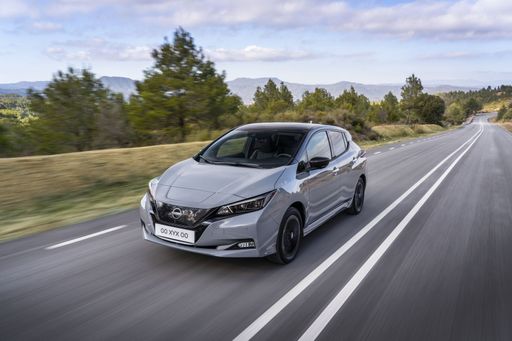
Nissan Leaf
Lexus LS
Nissan Leaf
Costs and Consumption
View detailed analysis
View detailed analysis
Engine and Performance
View detailed analysis
View detailed analysis
Dimensions and Body
View detailed analysis
View detailed analysis
Lexus LS
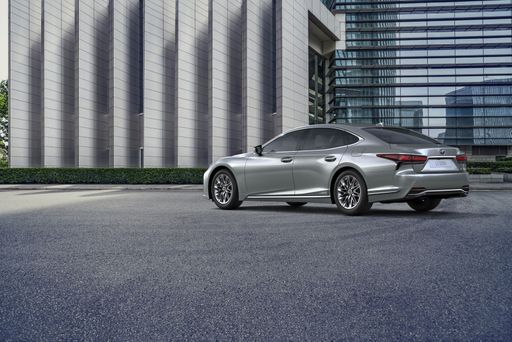
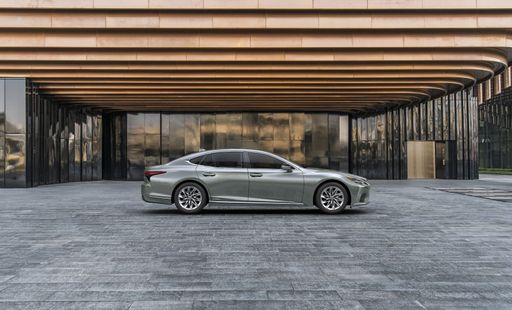
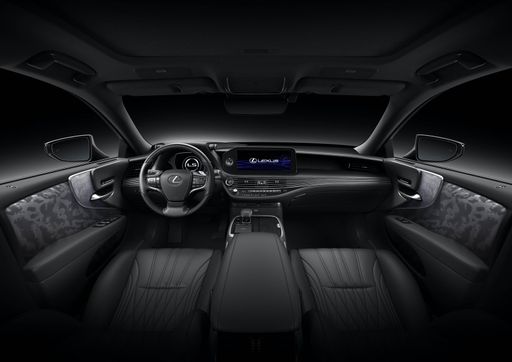
The Lexus LS is a quietly opulent flagship that wraps cutting-edge tech in a calm, Zen-like cabin, turning gridlock into a spa appointment. Buyers after polished refinement and faultless build quality will love its hushed ride and diplomatic road manners, even if it never cries out for attention.
details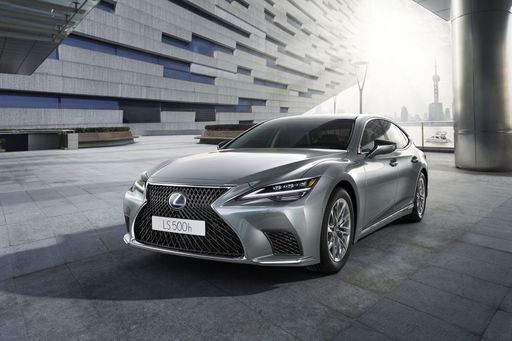
Nissan Leaf
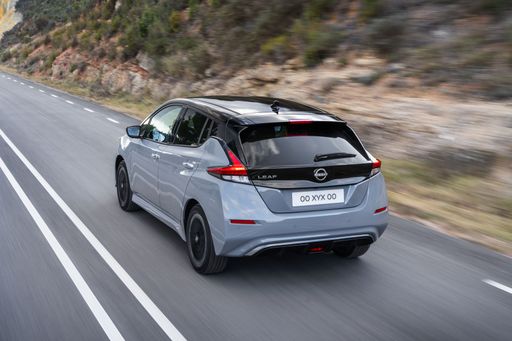
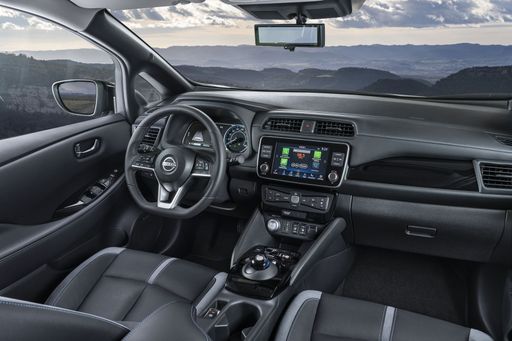
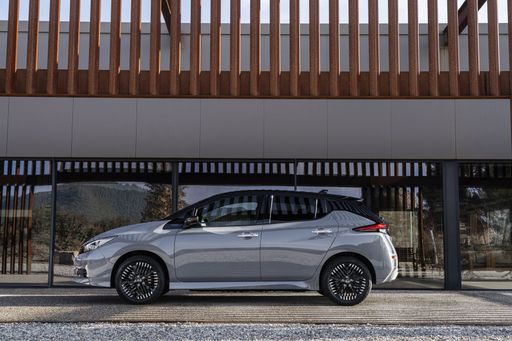
The Nissan Leaf is a practical, easygoing electric hatch that turns daily commutes into a quiet, effortless affair while offering more cabin space than it lets on. It’s a sensible, wallet-friendly step into electrification for buyers who value comfort and simplicity over sporty drama, though those chasing long-distance thrills might look elsewhere.
details
Lexus LS
Nissan Leaf
Costs and Consumption |
|
|---|---|
|
Price
112,300 - 131,100 £
|
Price
30,800 - 41,100 £
|
|
Consumption L/100km
9.6 L/100km
|
Consumption L/100km
-
|
|
Consumption kWh/100km
-
|
Consumption kWh/100km
13.7 - 13.8 kWh/100km
|
|
Electric Range
-
|
Electric Range
436 - 624 km
|
|
Battery Capacity
-
|
Battery Capacity
-
|
|
co2
216 g/km
|
co2
0 g/km
|
|
Fuel tank capacity
82 L
|
Fuel tank capacity
-
|
Dimensions and Body |
|
|---|---|
|
Body Type
Sedan
|
Body Type
Hatchback
|
|
Seats
4
|
Seats
5
|
|
Doors
4
|
Doors
-
|
|
Curb weight
2,345 kg
|
Curb weight
1,864 - 1,956 kg
|
|
Trunk capacity
430 L
|
Trunk capacity
437 L
|
|
Length
5,235 mm
|
Length
-
|
|
Width
1,900 mm
|
Width
1,810 mm
|
|
Height
1,460 mm
|
Height
-
|
|
Max trunk capacity
-
|
Max trunk capacity
-
|
|
Payload
455 kg
|
Payload
441 - 444 kg
|
Engine and Performance |
|
|---|---|
|
Engine Type
Full Hybrid
|
Engine Type
Electric
|
|
Transmission
Automatic
|
Transmission
Automatic
|
|
Transmission Detail
Automatic Gearbox
|
Transmission Detail
Reduction Gearbox
|
|
Drive Type
All-Wheel Drive
|
Drive Type
Front-Wheel Drive
|
|
Power HP
359 HP
|
Power HP
176 - 217 HP
|
|
Acceleration 0-100km/h
5.5 s
|
Acceleration 0-100km/h
7.6 - 8.3 s
|
|
Max Speed
250 km/h
|
Max Speed
-
|
|
Torque
-
|
Torque
345 - 355 Nm
|
|
Number of Cylinders
6
|
Number of Cylinders
-
|
|
Power kW
264 kW
|
Power kW
130 - 160 kW
|
|
Engine capacity
3,456 cm3
|
Engine capacity
-
|
General |
|
|---|---|
|
Model Year
2023
|
Model Year
2026
|
|
CO2 Efficiency Class
G
|
CO2 Efficiency Class
A
|
|
Brand
Lexus
|
Brand
Nissan
|
DriveDuel uses data analysis and artificial intelligence to evaluate vehicle data and create content. Content is regularly reviewed and improved.
The displayed prices are estimates based on German list prices, adjusted to the respective country’s VAT. Country-specific registration taxes are not included. This information is not legally binding.